

Replacing the Bissell CrossWave filter is simple: remove the old one, clean the area, and install the correct replacement.
If you use a Bissell CrossWave often, the filter does a lot of quiet, dirty work behind the scenes. I’ve found that a fresh filter can make a big difference in airflow, pickup, and smell, which is why knowing how to replace Bissell CrossWave filter the right way matters. In this guide, I’ll walk you through the full process in plain English, plus share the small mistakes I’ve seen people make that shorten filter life or hurt performance.
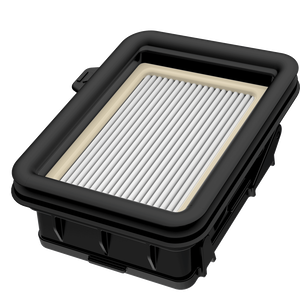
What the Bissell CrossWave filter does
The filter helps trap dust, dirt, and fine debris before they reach the motor and other parts of the machine. That matters because a clogged or worn filter can reduce suction and make the CrossWave work harder than it should.
Think of the filter like a screen door on a windy day. It lets air move through, but it catches the mess. When it gets packed with debris, the whole system feels strained.
A healthy filter can help with:
• Better suction
• More even cleaning performance
• Less odor from trapped debris
• Longer machine life
• Less stress on the motor and airflow system
In my experience, many “my CrossWave stopped picking up well” complaints start with the filter, not the brush roll or tank. That is why learning how to replace Bissell CrossWave filter is one of the easiest ways to keep the machine running well.
When you should replace the filter
You do not need to replace the filter after every use. In most homes, the real issue is not age alone, but buildup, wear, and smell.
You may need a replacement if:
• The filter looks torn, frayed, or misshapen
• It still smells bad after cleaning
• Suction feels weak even after washing other parts
• The machine leaves more debris behind than usual
• The filter no longer fits snugly
A lot of people wait too long. I’ve done that myself once, and the machine started sounding tired before I realized the filter was the problem. Once I changed it, the airflow improved right away.
Most filters should be checked often and replaced based on usage, water exposure, and manufacturer guidance. If you clean large areas, have pets, or use the machine several times a week, replacement may be needed sooner.
What you need before replacing the filter
Before you start, gather a few simple things. This keeps the job quick and avoids rushing.
• A compatible Bissell CrossWave replacement filter
• Clean hands
• A dry towel or paper towel
• A trash bin for the old filter
• The owner’s manual, if you want to confirm the exact model
Make sure the replacement filter matches your CrossWave model. Different CrossWave units may use different parts, and using the wrong one can cause fit issues or poor performance.
How to replace Bissell CrossWave filter step by step
Replacing the filter is usually a fast task, but it helps to move carefully. Here is the process I recommend.
1. Turn off and unplug the machine
Always power the unit off first. Then unplug it from the wall or charging base if needed.
This protects you and keeps the machine from turning on by accident. It also gives you a clean, safe start.
2. Remove the dirty water tank and brush area if needed
Depending on your model, it may help to remove the dirty water tank first. Some users also like to take off the brush cover for better access and easier cleaning.
Check the filter area before pulling anything hard. Parts should come off smoothly, not with force.
3. Locate the filter
The filter is usually in the dirt collection path or near the dirty water and debris system, depending on the model. If you are unsure, check the machine diagram in the manual.
If you’ve never opened it before, do not worry. Once you see it once, it becomes easy. The placement is usually simple and practical, not hidden.
4. Remove the old filter
Gently pull the old filter out. If it seems stuck, wiggle it lightly instead of forcing it.
I’ve learned that force is usually the enemy here. A stuck filter often just needs a careful twist or a closer look for clips or tabs.
5. Inspect the filter housing
Before installing the new filter, look inside the housing for hair, dust, wet sludge, or leftover debris. Wipe it clean with a dry towel.
This step matters more than people think. A clean housing helps the new filter sit properly and work better from day one.
6. Install the new filter
Place the replacement filter in the same position as the old one. Press it in until it fits securely and feels aligned.
Do not jam it in. A proper fit should feel steady and natural, almost like snapping a puzzle piece into place.
7. Reassemble the machine
Put the tanks, covers, and any removed parts back in place. Make sure everything clicks or seals correctly.
If a part does not sit right, stop and check it again. A loose cover or tank can affect suction and water flow.
8. Test the CrossWave
Plug the machine back in and run a short test on a hard floor. Listen for normal airflow and check whether pickup feels improved.
If performance is still weak, the filter may not have been the only issue. A dirty brush roll, clogged tank, or blocked nozzle may also need attention.

Cleaning vs replacing the filter
People often ask whether they should clean the filter or replace it. The answer is both, but at different times.
Cleaning helps remove loose dirt and can extend the life of the part. Replacement is needed when the filter is worn, damaged, or no longer works well after cleaning.
Here is the simple rule I follow:
• Clean the filter regularly if the model allows it
• Replace it when washing no longer restores performance
• Replace sooner if it smells, tears, or loses shape
Do not assume a washable filter lasts forever. Even washable parts wear out over time, just like shoes lose grip after enough use.
Common mistakes to avoid
I’ve seen a few small mistakes cause big headaches. These are easy to avoid once you know them.
• Using the wrong filter size or model
• Installing the filter while it is still wet, if the model requires a dry fit
• Forgetting to clean the filter housing
• Forcing a stubborn filter out
• Reusing a damaged filter too long
• Skipping the final test after installation
One mistake I made early on was reinstalling a filter before checking the housing for trapped debris. The machine still felt weak because the problem was never really solved. A clean replacement works best when the whole path is clean too.
How often should you replace the Bissell CrossWave filter
There is no single number that fits every home. Usage, floor type, pets, and debris level all matter.
A practical approach is:
• Inspect the filter every few cleanings
• Clean it as directed after use
• Replace it when performance drops or wear shows
• Replace it sooner in homes with pets, heavy dust, or frequent cleaning
If you use your CrossWave often, keeping a spare filter on hand is smart. It is one of those little home-care habits that saves time later.
Signs your replacement worked
After you replace the filter, you should notice a few improvements pretty quickly.
• Better suction
• Less odor
• More consistent dirt pickup
• Smoother airflow
• Less strain or noise from the machine
Not every issue disappears instantly, though. If the CrossWave still underperforms, check for buildup in the brush roll, tank, nozzle, or hose path. A filter is important, but it is only one part of the system.
Tips to help the new filter last longer
A little care goes a long way. These habits can help you get better life from your replacement filter.
• Empty the dirty tank after each use
• Rinse washable parts as directed
• Let components dry fully before storage
• Avoid vacuuming up materials the machine is not designed for
• Check the filter often for buildup
• Store the machine in a dry place
I’ve found that regular maintenance is easier than trying to fix a neglected machine later. It is like brushing your teeth instead of waiting for a cavity.
When to call support or check the manual
If the filter replacement does not solve the problem, the issue may be deeper. At that point, the manual or customer support can save you time.
Get help if:
• The filter compartment is broken
• The machine still has weak suction after replacing the filter
• The filter does not fit your model
• You see leaks, cracks, or unusual noises
• The unit will not reassemble correctly
Being careful here is worth it. A support check can help you avoid buying the wrong part or missing a bigger issue.
Frequently Asked Questions of How to Replace Bissell CrossWave Filter
How do I know which Bissell CrossWave filter I need?
Check your exact CrossWave model number before buying a replacement. Different models can use different filter designs, so the right fit matters for proper suction and sealing.
Can I wash the Bissell CrossWave filter instead of replacing it?
Some CrossWave filters are washable, but washing does not make them last forever. If the filter is torn, warped, smelly, or still clogged after cleaning, replacement is the better choice.
Why does my CrossWave still smell after replacing the filter?
The smell may be coming from the dirty water tank, brush roll, or internal residue, not just the filter. Clean all removable parts and let them dry fully before using the machine again.
How long does it take to replace the filter?
For most users, it takes only a few minutes. Once you know the location and fit of the part, how to replace Bissell CrossWave filter becomes a very quick maintenance task.
Can a bad filter damage the CrossWave?
Yes, a clogged or damaged filter can make the machine work harder and reduce airflow. Over time, that can hurt cleaning performance and put extra strain on the unit.
Conclusion
Knowing how to replace Bissell CrossWave filter is one of the easiest ways to keep your machine cleaning like it should. A fresh filter can improve suction, reduce odor, and help your CrossWave last longer with less effort from you.
If your machine has been underperforming, start with the filter before chasing bigger problems. That one small fix often makes a surprisingly big difference. Try the steps above, keep up with regular care, and explore more maintenance tips so your CrossWave stays in top shape.

