

When you look out at your above-ground pool and see it churning with foam, it's easy to feel a bit stumped. This foamy surface isn't just unsightly; it often signals that something in your pool's water chemistry or filtration system isn't quite right. Understanding the "why" is your first step toward a crystal-clear swimming experience.
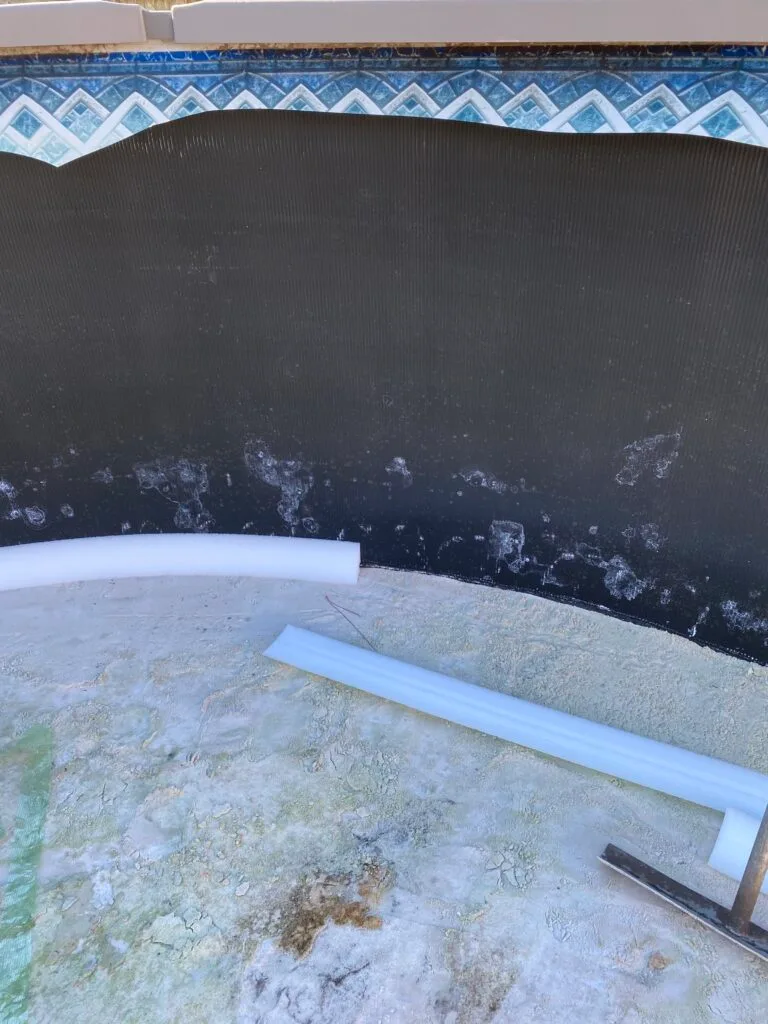
Image source: Bing (Web (fair-use with source credit))
The cause of foamy pool water can range from simple things like sunscreen residue to more complex imbalances in your pool's water chemistry. As of 2026, most pool maintenance experts agree that consistently maintaining your pool's chemical balance, ideally within the parameters set by manufacturers for sanitizers and pH, is crucial. Getting to the bottom of that foam requires a bit of detective work.
Quick Answer
Foamy above ground pool water is usually caused by oils and lotions, low sanitizer levels, or imbalanced water chemistry. Addressing these issues by testing and adjusting your pool's chemical balance, shocking the water, and cleaning the filtration system typically resolves the foam.
The Usual Suspects: What's Making All That Foam?
Think of your pool water as a delicate balance. When that balance is disturbed, you can see it in different ways, and foam is a common indicator. In our research, several factors consistently pop up as the main culprits behind excessive bubbles on your pool's surface.
These aren't necessarily signs of a major crisis, but they definitely mean it's time to pay attention to your pool's needs.
- Oils and Lotions: This is probably the most frequent offender, especially if you've had a lot of swimmers. Sunscreen, body lotions, hair products, and even the natural oils from our skin all break down in the water. When these substances accumulate, they can lower the surface tension of the water, leading to persistent foaming. It’s similar to how dish soap works, it breaks down grease and creates suds.
- Low Sanitizer Levels: Your pool's sanitizer, usually chlorine, is there to keep bacteria and organic contaminants in check. If your sanitizer levels dip too low, the water can't effectively break down these impurities. This can lead to a buildup of organic matter that, in some cases, manifests as foam. Manufacturer specifications for chlorine typically recommend levels between 1-4 parts per million (ppm) for consistent sanitation.
- Imbalanced Water Chemistry: Beyond just the sanitizer, other aspects of your pool's water chemistry play a big role. High total alkalinity or a pH level that's too high can contribute to foaming. These chemical imbalances affect how well your sanitizer works and how other substances behave in the water.
- Debris and Organic Matter: Leaves, grass clippings, pollen, and other organic debris that falls into the pool will eventually decompose. This decomposition process releases compounds into the water that can interfere with its surface tension, contributing to foam.
- Filtration and Circulation Issues: If your pool pump and filter aren't running effectively or for long enough each day, they can't properly remove the tiny particles and dissolved substances that lead to foam. Poor circulation means these contaminants linger and build up.
Troubleshooting Your Foam: A Step-by-Step Action Plan
If you're seeing foam, don't panic. This is a solvable problem that usually involves a systematic approach to testing and adjusting your pool's environment. Think of it as a diagnostic process.
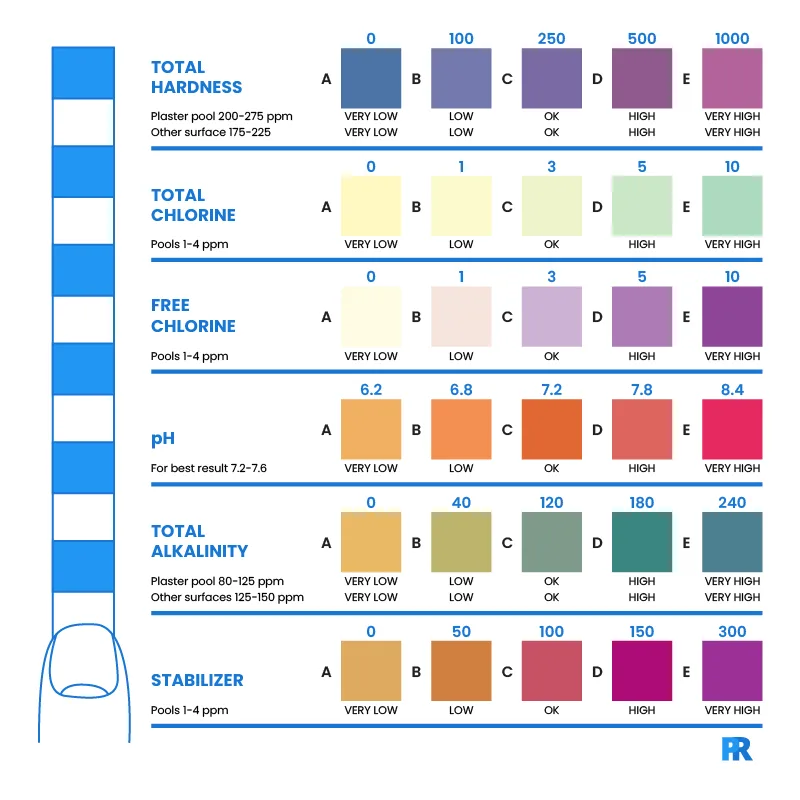
Image source: Bing (Web (fair-use with source credit))
Step 1: Test Your Water Chemistry
This is your absolute first step. You need to know what your pool's water is telling you before you can fix it. A reliable pool test kit is essential here, whether it's a liquid reagent kit or a digital tester.
- Sanitizer Levels: Check your chlorine (or bromine) levels. Is it within the recommended range, typically 1-4 ppm for chlorine? Low levels are a major indicator.
- pH Levels: Test your pH. The ideal range for most pools is between 7.2 and 7.6. If it's higher than 7.6, it can cause foaming.
- Total Alkalinity: Measure your total alkalinity. This usually needs to be between 80 and 120 ppm. High alkalinity can also contribute to foam.
Step 2: Address Low Sanitizer Levels
If your water test shows that your sanitizer levels are below the recommended range, this is a likely cause of your foam. Low sanitizer means your pool isn't effectively breaking down organic contaminants.
- Shock Your Pool: The best way to correct low sanitizer and address organic buildup is to "shock" your pool. This involves adding a concentrated dose of a pool shock product, typically a granular form of calcium hypochlorite or sodium dichlor. Follow the product's instructions carefully, as the amount needed depends on your pool's volume and the severity of the imbalance.
- Run the Pump: Make sure your pool pump is running continuously during and for at least 24 hours after shocking. This ensures the shock treatment circulates throughout the entire pool and helps break down contaminants.
Step 3: Adjust pH and Total Alkalinity
Chemical imbalances are a frequent source of pool problems, and foam is no exception. If your sanitizer is in the right range but you're still foamy, it's time to focus on pH and alkalinity.
- High pH (Above 7.6): To lower pH, you'll need a pH reducer, often a muriatic acid or sodium bisulfate product. Add it slowly and follow product directions.
- Low pH (Below 7.2): To raise pH, use a pH increaser, typically soda ash (sodium carbonate).
- High Total Alkalinity: Lowering alkalinity often involves adding a pH reducer, as acids will also bring down alkalinity. This needs to be done gradually.
- Low Total Alkalinity: To raise alkalinity, you’ll add an alkalinity increaser, which is usually baking soda (sodium bicarbonate).
It’s generally recommended to get your total alkalinity within the target range of 80-120 ppm before making fine adjustments to your pH. This prevents them from constantly undoing each other.
Step 4: Deal with Oils and Lotions
If your water chemistry is balanced but foam persists, oils and lotions are your next prime suspect. These common contaminants can significantly lower the surface tension of your water, creating that bubbly effect.
- Skim the Surface: Sometimes, you can physically remove a good portion of the oily residue by carefully skimming the surface of the pool.
- Use Pool Enzymes: Specialized pool enzyme treatments are designed to break down oils, lotions, and other organic waste. They work over time as your filter circulates the water. This is a safe and effective method that doesn't disrupt your carefully balanced chemistry.
- Run Your Filter System: Ensuring your filtration system is running efficiently helps to remove dissolved oils and other small particles from the water.
Step 5: Check Your Filtration and Circulation
A properly functioning filtration and circulation system is the backbone of a clean pool. If it's not working optimally, it can't do its job of removing what causes foam.
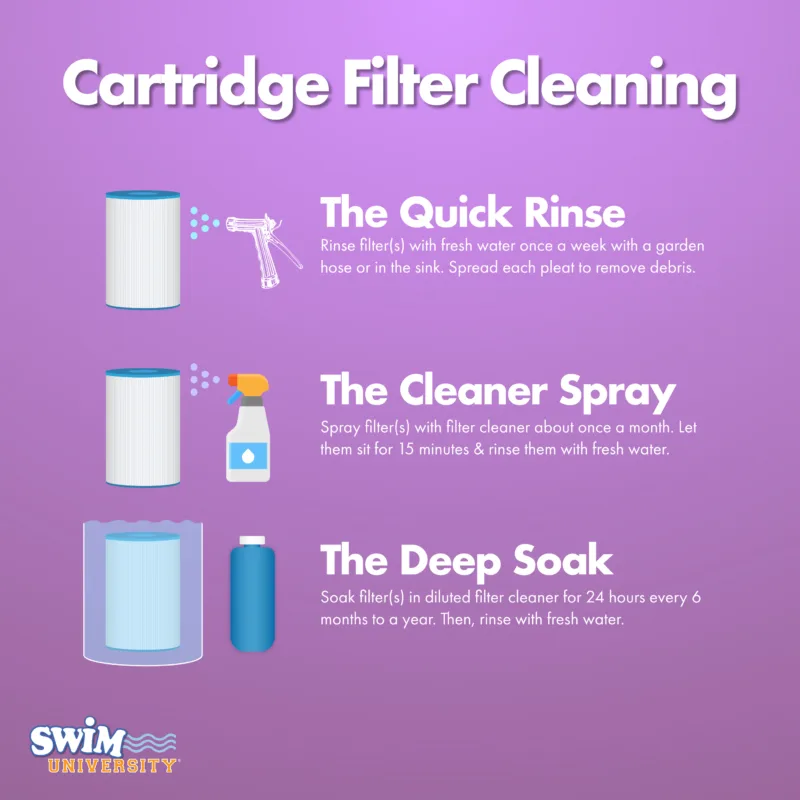
Image source: Bing (Web (fair-use with source credit))
- Pump Run Time: Is your pool pump running long enough each day? For most above-ground pools, this means running it for at least 8 to 12 hours daily, especially during warmer weather or periods of heavy use. Longer run times mean more water is filtered and circulated.
- Clean Your Filter: A dirty filter can't effectively clean your water.
- If you have a cartridge filter, remove the cartridge and rinse it thoroughly with a garden hose.
- If you have a sand filter, it's time to backwash it. This process reverses the water flow through the sand to flush out trapped debris. Manufacturer guidelines usually suggest backwashing when the pressure gauge on the filter rises by 8-10 psi above its clean starting point.
- Clear Baskets: Make sure your skimmer basket and pump basket are free of leaves, twigs, and other debris. Clogged baskets restrict water flow to the pump and filter.
Mistakes to Avoid When Tackling Pool Foam
When you're trying to get rid of that annoying foam, it's easy to make a misstep that could make things worse or delay the solution. Being aware of common errors can save you time and frustration.
- Ignoring Water Chemistry: The most common mistake is jumping straight to physical solutions without testing the water. If your sanitizer, pH, or alkalinity is off, any effort to skim or use enzymes will likely be a temporary fix at best. Always start with a comprehensive water test.
- Over-Adding Chemicals: While some chemicals are necessary, adding too much of anything can create new problems. For instance, over-chlorinating can actually lead to foaming in some situations, or at least mask the underlying issue. Always measure carefully and follow product instructions precisely, especially when shocking your pool.
- Not Running the Filter Long Enough: After adding chemicals or treatments, you need to give your filter time to work. Expecting instant results without adequate circulation won't solve the problem. For shock treatments, running the pump 24/7 is often recommended until the water clears.
- Skipping Filter Maintenance: A clogged or dirty filter is like a clogged drain; it just can’t do its job. Neglecting to clean or backwash your filter is a direct cause of poor water quality and can contribute to foam because debris isn't being removed.
- Using Household Soaps or Detergents: Never use household soaps or detergents in your pool. These products create excessive, persistent suds that are very difficult to remove and can damage your pool's equipment and surfaces. Always use products specifically designed for swimming pools.
When to Call in the Cavalry for Persistent Pool Foam
You've tested your water, adjusted chemicals, shocked the pool, cleaned the filter, and run the pump for days. Yet, that stubborn foam just won't disappear. If you've diligently followed the troubleshooting steps and are still seeing excessive foam, it might be time to bring in professional help.
Pool professionals have access to more advanced testing equipment and a deeper understanding of less common water chemistry issues. They can identify subtle imbalances or contaminants that might be missed by standard home test kits.
- Advanced Water Analysis: A professional can perform tests for things like phosphates, calcium hardness, and total dissolved solids (TDS). High levels of TDS, for instance, can sometimes contribute to foaming.
- Equipment Check: They can inspect your pump and filter for any underlying mechanical issues that might be hindering proper circulation or filtration, even if they appear to be running.
- Specific Contaminant Identification: Sometimes, specific contaminants, like certain types of algaecides or other pool additives, can react unexpectedly and cause foaming. A pro can help diagnose these reactions.
If your pool is consistently foamy despite your best efforts, reaching out to a local pool service company is a wise next step. They can offer expert diagnosis and ensure your pool is safe and enjoyable. This ensures your pool water remains clear, safe, and inviting for everyone to enjoy.
Frequently Asked Questions
What's the quickest way to remove pool foam?
The quickest method often involves addressing the most common causes: shocking the pool if sanitizer is low, and running the filter continuously. For immediate surface foam from oils, you can try skimming or using a pool enzyme treatment.
Can I just use dish soap to get rid of pool foam?
Absolutely not. Household dish soaps create excessive, persistent suds that are very difficult to remove and can damage your pool's equipment and surfaces. Always use products specifically designed for swimming pools.
How often should I test my above ground pool water?
For optimal maintenance, test your pool water chemistry at least 2-3 times per week, especially during heavy use or hot weather. Daily testing of sanitizer and pH is recommended for consistent balance.
How long does it take for pool foam to go away after shocking?
After shocking your pool and addressing the root cause, foam can take anywhere from 24 to 72 hours to completely dissipate, provided the filtration system is running continuously and the water chemistry is properly balanced.

