

So, you've glanced at your above-ground pool and instead of inviting blue, you're seeing a murky brown. It’s a common issue that can be a real buzzkill for your backyard oasis. Don't worry, though; figuring out why your pool water looks like weak tea and how to fix it is usually straightforward.
We've gathered insights from manufacturer specifications and pool maintenance research to help you diagnose the problem. As of 2026, the most frequent causes boil down to specific water quality issues or filtration problems. Let's dive into what might be going on and how to get your pool back to its pristine state.
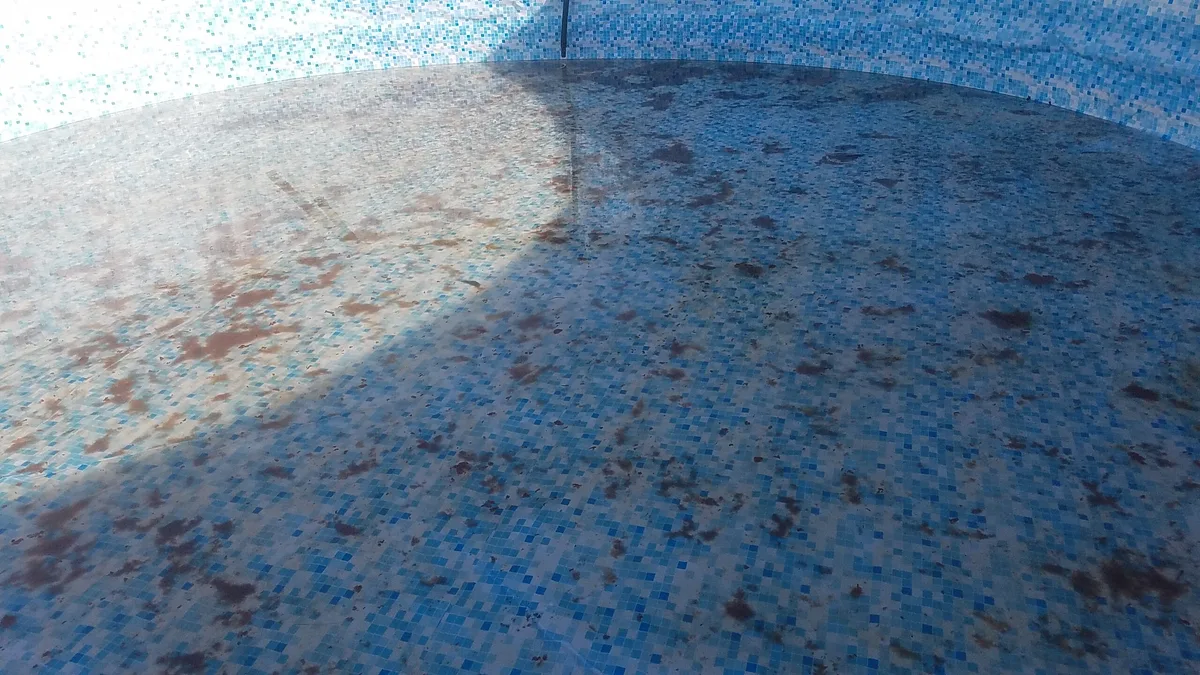
Image source: Bing (Web (fair-use with source credit))
Quick Answer
Brown pool water is typically caused by dissolved metals like iron or manganese reacting with chlorine, or by an excessive amount of organic debris such as leaves and silt. Poor filtration or circulation can also lead to this discoloration. Addressing the specific cause, whether it's metals, debris, or a filtration issue, is key to restoring clear water.
Common Causes of Brown Above Ground Pool Water
Understanding the "why" is the first step to a swift solution. The brown tint isn't usually a sign of a single, unfixable problem, but rather an indicator that something in your water or equipment needs attention. Let's break down the most likely culprits.
Is It Metals?
Metals, especially iron and manganese, are common troublemakers when it comes to discolored pool water. These metals can enter your pool in several ways. If your fill water comes from a well, it's quite common for it to contain dissolved metals.
Even municipal water sources can sometimes have elevated metal content, especially if pipes are old. Once these metals are in the water, they can react with your pool's sanitizer, like chlorine, or even just with oxygen. This chemical reaction causes the metals to oxidize, turning the water brown.
The intensity of the brown color often depends on the concentration of the metals present.
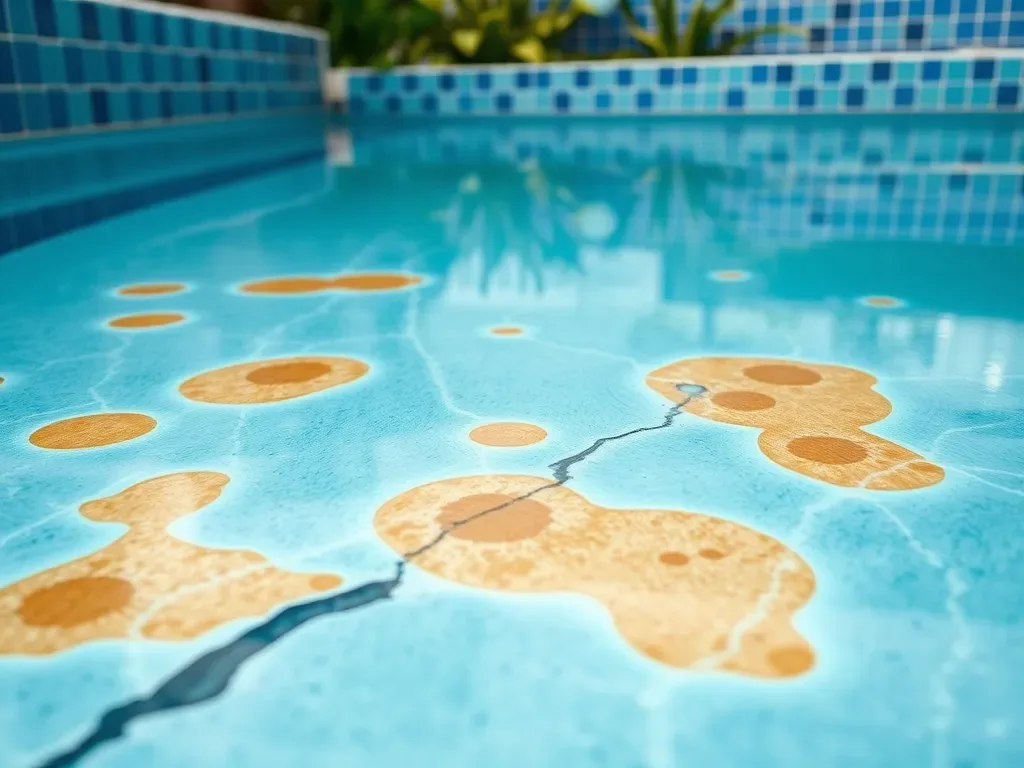
Image source: Bing (Web (fair-use with source credit))
- Fill Water Source: Well water is a prime suspect for metal-related brown water.
- Corroded Equipment: Old or damaged pool equipment, like heaters or pump parts, can sometimes leach metals into the water.
- Chemical Reaction: Oxidation of iron (Fe) or manganese (Mn) ions, often accelerated by chlorine, leads to the brown color.
Is It Organic Debris?
Sometimes, the culprit is much simpler and more visible: organic material. Leaves, dirt, silt, pollen, and even small twigs can find their way into your pool, especially if it's uncovered or surrounded by trees and plants. When this organic matter isn't removed efficiently by your skimmer or filter, it begins to decompose.
This decomposition process releases tannins and other organic compounds into the water, which can give it a brown or even yellowish hue. A heavy rainstorm or a windy day can quickly introduce a large amount of debris, overwhelming your pool's normal cleaning cycles.
- Leaf Litter: Fallen leaves from nearby trees are a frequent source of organic contamination.
- Silt and Mud: Windblown dust or mud tracked in from the yard can settle in the pool.
- Decomposition: As organic matter breaks down, it releases compounds that tint the water.
Is Your Filter Working Overtime?
Your pool filter is the unsung hero of clear water. Its job is to trap debris and contaminants, keeping your water sparkling. If your filter isn't functioning correctly, or if the water isn't circulating properly through it, that brown tint can start to appear.
This could be because the filter media (like sand or cartridge) is clogged and can't capture finer particles anymore. It might also be that your pump isn't running long enough each day, or that there's a blockage somewhere in the plumbing, preventing water from reaching the filter.
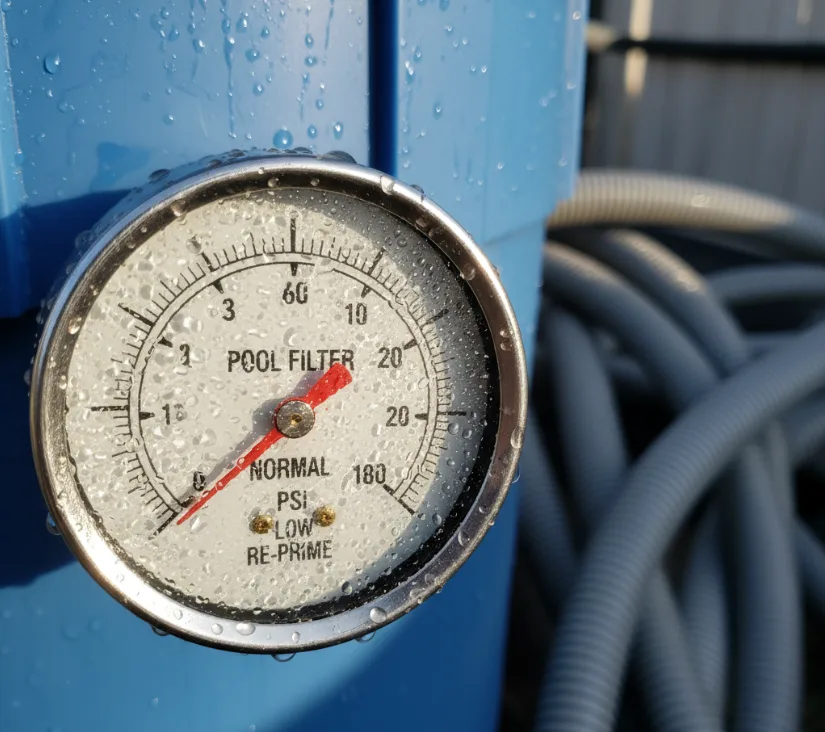
Image source: Bing (Web (fair-use with source credit))
- Clogged Filter Media: Sand filters need regular backwashing, and cartridge filters need cleaning.
- Insufficient Pump Runtime: Most pools require the pump to run 8, 12 hours daily for adequate filtration.
- Blockages: Debris in skimmer baskets or pipes can impede water flow.
Your Pool Water Detective: A Step-by-Step Troubleshooting Guide
To effectively tackle brown pool water, we need to be a bit like detectives. This systematic approach helps us pinpoint the exact cause so we can apply the right fix, rather than just guessing. We'll go through a series of checks that mimic the diagnostic process used by pool maintenance professionals, prioritizing the most common issues first.
Step 1: Inspect Your Fill Water
The first place to look is the water you use to fill or top off your pool. If you've recently added a significant amount of water, especially from a source other than your usual municipal supply, this is a prime suspect.
- Check the Source: If you use well water, it's highly likely to contain dissolved metals like iron and manganese. Manufacturer specifications for well water quality often highlight potential issues with heavy metals.
- Visual Test: Run your garden hose into a clean white bucket. If the water coming out is visibly rusty, cloudy, or colored, that's your problem right there.
- Recent Fills: Did you just top off the pool after a lot of evaporation? If so, trace the water source.
If your fill water is the issue, you'll likely need to address the metals directly in the pool water. This often involves using a metal sequestering agent.
Step 2: Look for Leaves and Debris
Next, let's do a visual sweep of your pool and its surroundings. A large amount of organic matter in the water is a very common reason for brown or murky conditions.
- Surface Scan: Are there a lot of leaves, twigs, or pollen floating on the surface?
- Bottom Check: Look at the pool floor. Is there a layer of silt or debris settled at the bottom?
- Environmental Factors: Think about recent weather. Did you have a big storm with high winds, or has a lot of pollen fallen lately?
If you see significant debris, your immediate goal is physical removal. This means getting out your skimmer and vacuum.
Step 3: Check Your Filter and Pump System
Your pool's filtration system is designed to keep water clear. If it's not doing its job, discoloration is almost guaranteed. This is where we look at the mechanics of your pool's cleaning process.
- Pump Operation: Is your pool pump running? Can you hear it? Is water visibly flowing out of the return jets into the pool? Manufacturer specifications for pumps emphasize consistent operation.
- Filter Pressure: Most pool filters have a pressure gauge. If the needle is in the "red zone" or significantly higher than its normal operating pressure, the filter is likely clogged and needs cleaning. Aggregate user reviews often point to pressure gauge readings as a key indicator.
- Filter Cleanliness: When was the last time you backwashed your sand filter or cleaned your cartridge filter? A filter that hasn't been maintained will struggle to remove particles.
If you suspect your filtration is the issue, cleaning or backwashing the filter is your immediate action.
Step 4: Test Your Water Chemistry
Regardless of what you suspect the cause might be, testing your pool's water chemistry is a non-negotiable step. An imbalanced chemical state can exacerbate problems and even contribute to discoloration on its own.
- Key Parameters: You'll want to check your pH, Total Alkalinity (TA), and Free Chlorine levels. Test strips are a common and easy way to do this, though liquid test kits can sometimes offer more precise readings.
- Ideal Ranges: For most pools, a pH between 7.2 and 7.6, TA between 80-120 ppm, and Free Chlorine between 1-4 ppm are considered ideal, according to industry standards.
- Correlations: Imbalances, particularly low pH or low chlorine, can sometimes contribute to metals leaching or algae blooming, both of which can cause browning.
Even if you identify another primary cause, ensuring your water chemistry is balanced is crucial for the effectiveness of any treatment you undertake.
Tackling Brown Water: Solutions for Metals
If your detective work points to metals as the primary cause of your brown pool water, it’s time for some targeted treatment. The goal here is to either bind these metals so they can be filtered out, or to prevent them from oxidizing in the first place.
Using Metal Sequestering Agents
Metal sequestering agents, often called metal out or metal sequestrant, are designed to "grab onto" dissolved metal ions. They keep these metals in a soluble form, preventing them from oxidizing and forming visible particles that stain your pool surfaces or color the water.
- Application: You'll typically add these directly to your pool water. Always follow the product's instructions for dosage based on your pool's volume.
- Dosage: For initial treatment of a discolored pool, you might need a higher dose than for regular maintenance. Manufacturer specifications provide precise dosing guidelines.
- Prevention: Using a sequestering agent regularly, especially if you have metal-rich fill water, can prevent future browning.
Running Your Filter Non-Stop
Once you've added a metal sequestering agent, it's critical to keep your filtration system running. The agent loosens the metals, and your filter is what removes them from the water.
- 24/7 Operation: For at least 24 to 48 hours after adding the sequestering agent, run your pump and filter continuously.
- Filter's Role: The circulating water carries the now-suspended metal particles to the filter, where they get trapped.
- Monitoring Pressure: Keep an eye on your filter's pressure gauge. If it rises significantly, it indicates the filter is doing its job and collecting debris, meaning it's time to backwash or clean it.
Brushing and Filtering
Gentle brushing can help dislodge any metal particles that may have already settled on your pool’s surfaces or are clinging to the liner. This action helps get them back into the water column so the filter can capture them.
- Soft Brush: Use a pool brush with soft bristles to avoid scratching your pool liner.
- Targeted Brushing: Focus on the walls, steps, and floor where you might see the most discoloration.
- Continuous Filtration: Continue running the filter system non-stop throughout this process.
Fixing Brown Water Caused by Debris
If your investigation reveals that leaves, dirt, and other organic gunk are the main issue, your approach will focus on physical removal and then re-establishing clean water conditions. This is usually a more visible problem that requires immediate action.
Skimming and Vacuuming Out the Gunk
The first and most crucial step is to manually remove as much of the floating and settled debris as possible. This reduces the load on your filtration system and removes the source of the brown tint.
- Surface Skimming: Use a leaf skimmer to remove all floating debris from the water's surface. Do this thoroughly until no more leaves or organic matter are visible.
- Bottom Vacuuming: If debris has settled on the pool floor, use your pool vacuum. For very fine silt, you might consider vacuuming to "waste" if your filter system has that option. This bypasses the filter and sends the debris directly out, preventing your filter from clogging too quickly.
- Frequency: You may need to skim and vacuum multiple times over a day or two.
Cleaning Your Filter After Debris Removal
Once you've removed the bulk of the organic debris, your filter will likely have captured a significant amount of it. It's now essential to clean the filter to ensure it can effectively do its job moving forward.
- Backwashing: For sand or DE filters, backwash according to the manufacturer's instructions until the water running through the filter is clear. Aggregate reviews from pool owners confirm this is critical.
- Cartridge Cleaning: For cartridge filters, remove the cartridge and rinse it thoroughly with a garden hose. For heavy debris, a deep cleaning solution might be needed.
- Check Pump Basket: While you're at it, clear out any debris that may have accumulated in the pump's strainer basket.
Balancing Pool Chemicals Post-Cleanup
After removing debris and cleaning your filter, it’s vital to re-evaluate and balance your pool’s water chemistry. Debris can throw off pH and alkalinity, and proper sanitizer levels are needed to break down any remaining organic compounds.
- Re-Test: Test your pH, Total Alkalinity, and Free Chlorine levels again.
- Adjust as Needed: Make necessary adjustments to bring your chemicals into the ideal ranges (pH 7.2-7.6, TA 80-120 ppm, Free Chlorine 1-4 ppm).
- Chlorine Boost: You might need to shock the pool (add a large dose of chlorine) to ensure all remaining organic matter is sanitized and broken down. Follow product instructions carefully.
Addressing Brown Water from Filtration Problems
When your water is brown, and you’ve ruled out metals and major debris, it’s highly likely that your filtration system is the root cause. A pool filter's job is to remove particles from the water. If it’s not functioning optimally, or if circulation is poor, particles will remain suspended, leading to discoloration.
How to Clean or Backwash Your Pool Filter
Maintaining a clean filter is paramount for water clarity. Manufacturer specifications for filter cleaning vary by type, but the principle remains the same: remove trapped debris.
- Sand Filters: Turn off the pump. Set the multiport valve to "Backwash." Turn the pump on and run until the sight glass (if you have one) shows clear water. Turn off the pump, set the valve to "Rinse," run for about 30 seconds, turn off the pump, and set the valve back to "Filter." Turn the pump back on.
- Cartridge Filters: Turn off the pump. Remove the filter cartridge. Hose it down thoroughly, working from top to bottom. For heavy debris, a deep cleaning solution might be needed. Reassemble and restart the pump.
- Pressure Gauge: Remember, a clean filter typically operates at a lower pressure. If pressure spikes quickly after cleaning, you might have another issue, like a clog downstream.
Checking Your Pool Pump
A properly functioning pump is essential for water circulation and filtration. If the pump isn't moving water effectively, the filter can't do its job, and debris can settle.
- Listen for Strange Noises: Whining, grinding, or humming that’s louder than usual can indicate a problem with the pump motor or bearings.
- Check the Basket: Ensure the pump's pre-filter basket is clear of leaves, hair, or other debris that could restrict water flow. Aggregate user feedback consistently highlights the importance of a clean basket.
- Prime the Pump: If the pump seems to be running but not moving water, it might have lost its prime. This usually involves ensuring all valves are open and the pump is filled with water. Consult your pump's manual for specific priming instructions.
- Water Flow: Observe the water returning to the pool from the return jets. A strong, consistent flow is a good sign. Weak flow suggests a blockage or a pump issue.
Common Mistakes When Fixing Brown Pool Water
Even with the best intentions, homeowners can make missteps when trying to clear up brown pool water. One of the most common errors is adding chemicals without properly identifying the cause. For instance, shocking a pool with metals present can sometimes make the problem worse by causing the metals to precipitate out more aggressively.
Another mistake is not running the filter long enough; for significant issues, 24/7 operation is often necessary for days.
- Misdiagnosis: Treating for algae when the cause is metals, or vice-versa, wastes chemicals and time.
- Insufficient Filtration: Not running the pump continuously after treatment can leave suspended particles in the water.
- Over-Chlorinating: Adding too much chlorine without addressing underlying issues can sometimes react with metals to cause staining.
- Ignoring Water Chemistry: Failing to balance pH and alkalinity can hinder the effectiveness of treatments.
Keeping Your Pool Water Crystal Clear: Maintenance Tips
Preventing brown water in the first place is always easier than fixing it. Consistent, proactive maintenance is your best defense against discoloration and other water quality issues. This means staying on top of regular tasks that keep your pool running smoothly.
- Regular Testing: Test your pool's water chemistry at least twice a week. This allows you to catch minor imbalances before they become major problems. Keep a log of your readings.
- Consistent Filtration: Ensure your pump runs for the recommended hours each day. For most above-ground pools, this is typically 8, 12 hours. Consistent circulation is key to distributing chemicals and filtering out debris.
- Filter Care: Adhere to a strict schedule for cleaning or backwashing your filter. A dirty filter is an ineffective filter, and it can quickly lead to cloudy or discolored water.
Frequently Asked Questions About Brown Pool Water
What is the fastest way to fix brown pool water?
The fastest way depends on the cause. If it's metals, a metal sequestering agent followed by continuous filtration is usually effective within 24-48 hours. If it's heavy debris, physical removal via skimming and vacuuming, then cleaning the filter, can yield quick results.
Always test your water chemistry first.
Can I swim in a brown pool?
It's generally not recommended to swim in a brown pool. While the color itself might not be immediately harmful, it indicates an underlying issue. This could be poor sanitation, excessive debris, or high metal content, any of which can potentially pose health risks or lead to skin irritation.
It's best to clear the water before swimming.
How often should I test my pool water?
Our research indicates that for optimal clarity and safety, you should test your above-ground pool water at least twice a week. More frequent testing may be necessary after heavy rain, high usage, or when treating a specific problem like brown water. Maintaining proper chemical balance is key to preventing issues.
How long does it take for a pool to turn blue again after treatment?
The timeline varies significantly. If the issue is minor debris or slight metal content, you might see improvement in 24 hours. For more significant metal contamination or heavy organic loads, it could take 2-3 days of continuous filtration and chemical treatment.
Always monitor your water clarity and test chemistry regularly during the recovery process.

