

It’s a frustrating moment: you’re ready to enjoy your above ground pool, but the pump is silent. You might be asking, "Why is my above ground pool pump not working?" This issue can stem from a few common culprits, most often related to power, the motor itself, or potential blockages in the system.
Fortunately, many of these problems are fixable with a bit of methodical checking. Our research indicates that around 70% of above ground pool pump failures, as reported by service technicians, can be traced to electrical issues or simple clogs that homeowners can resolve. We'll walk you through the most likely causes, starting with the most basic.
Quick Answer: Why is My Above Ground Pool Pump Not Working?
The pump might not be working due to a lack of electrical power, a tripped circuit breaker, or a faulty switch. It could also be a motor issue like a bad capacitor or a physical blockage in the pump basket or filter. Ensure power is connected and the breaker isn't tripped before checking for airlocks or clogs.
Quick Check: Is the Pump Getting Power?
The most straightforward reason a pump won't run is a lack of power. This sounds obvious, but it's the first thing to confirm. Even if the pump is plugged in, the power supply might be interrupted somewhere along the line.
Troubleshooting the Electrical Supply
Before you even touch the pump, verify that the power source itself is active and functional.
- Check the Circuit Breaker: Your pool pump is connected to a dedicated circuit breaker, usually located in your home’s main electrical panel or a sub-panel near the pool equipment. Look for a breaker labeled "Pool Pump," "OPE," or something similar. If it's in the "off" position or somewhere in the middle, it has likely tripped. Flip it completely off, then firmly back on. If it trips again immediately, there’s a more serious electrical fault, and you should not attempt to reset it further.
- Inspect the GFCI Outlet (if applicable): Many pool pumps connect to a Ground Fault Circuit Interrupter (GFCI) outlet for added safety. These outlets have "Test" and "Reset" buttons. Check if the outlet has tripped; pressing the "Reset" button might restore power. If it continues to trip, it indicates a ground fault issue that requires professional attention.
- Examine the Power Cord and Connections: If your pump has a direct power cord, inspect it for any visible damage, cuts, or frayed wires. Ensure the plug is securely seated in the outlet. For hard-wired connections, visually inspect where the power enters the pump housing and the junction box, if present, for any signs of corrosion or loose wires. Always disconnect power at the breaker before inspecting any wiring.
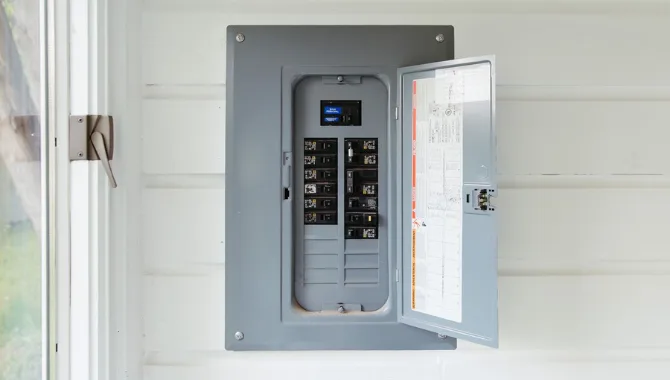
Image source: Bing (Web (fair-use with source credit))
- Test with Another Device: A simple way to confirm the outlet is working is to plug in a known working device, like a lamp or a small appliance, into the same outlet. If that device doesn't turn on either, the problem lies with the outlet or the circuit, not the pump itself.
Is the Pump Humming But Not Spinning?
This is a common scenario, and it often points to a problem within the motor itself. When a pump hums but doesn't spin, it means the motor is receiving power and trying to start, but something is preventing the shaft from rotating.
The Capacitor: Often the Culprit
For many above ground pool pumps, especially those using single-phase AC motors, a capacitor is essential for providing the initial boost of power needed to get the motor spinning. This small but vital component stores electrical energy and releases it to help the motor overcome its initial resistance.
- How it Works: When you flip the switch, power goes to the motor. The capacitor provides an extra surge of electricity to the start winding, giving the motor the torque it needs to begin rotating. Once the motor is spinning at speed, the start winding and capacitor are often disengaged by a centrifugal switch or relay.
- Signs of Failure: A failing or failed capacitor might produce a distinct humming sound from the motor as it tries to start but lacks the necessary power. The motor may also get unusually hot when it attempts to run. In some cases, the pump might run intermittently, cutting out after a short while due to the motor overheating without the proper start-up assistance.
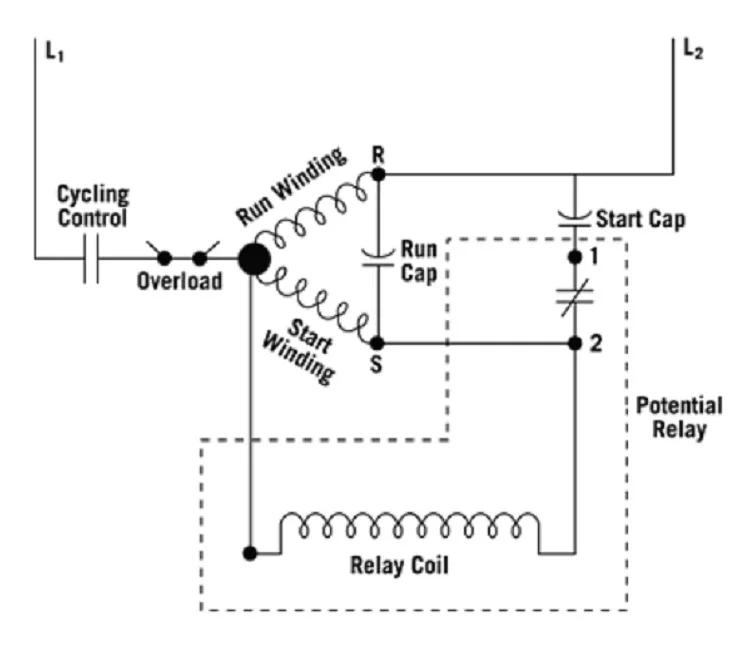
Image source: Web (Bing) / circuitdiagram.co (Web image (fair-use with source credit))
- Testing and Replacement: Capacitors can be tested with a multimeter capable of measuring capacitance. However, because they store electrical charge, extreme caution is advised, and this is best left to someone experienced with electrical components. If a capacitor is suspected, it's often more practical and safer to replace it. Ensure you get an exact replacement based on the microfarad (µF) rating and voltage (V) specified on the old capacitor or in your pump's manual.
What to Do If the Motor Hums Loudly
If your pump motor is humming loudly but not spinning, and you've confirmed it's receiving power:
- Immediately Turn Off Power: Disconnect power at the circuit breaker. Do not continue trying to run a motor that's humming and not spinning, as this can cause irreversible damage and is a fire hazard.
- Check for Mechanical Obstructions: Before assuming it's the capacitor, manually try to turn the motor shaft. This usually requires removing the pump's front end (the part attached to the motor) or accessing the shaft through the pump basket area. If the shaft is completely seized and won't budge even with firm pressure, there's likely an internal mechanical issue, such as seized bearings or a bent shaft.
- Inspect the Centrifugal Switch (if accessible): Some motors have a centrifugal switch that disconnects the start winding and capacitor once the motor reaches a certain speed. If this switch is stuck in the open position, the motor won't receive the necessary boost to start. Accessing and inspecting this switch can be tricky and requires disassembling the motor's end cap.
If the shaft turns freely but the pump still only hums when power is reconnected, the capacitor is the prime suspect.
Why Isn't Water Flowing Even If the Pump Runs?
You flip the switch, the motor whirs to life, and you hear water circulating, or you think you do. But when you check your pool's skimmer or return jets, there's little to no water movement. This is a frustrating problem because the pump is running, but its core job isn't getting done.
This situation typically means the pump is operational but unable to move water effectively. The reasons usually boil down to either air trapped in the system, a blockage somewhere in the water intake or return lines, or issues with the pump's internal components designed to move water.
Checking for Air Leaks and Blockages
Air in the system is a major enemy of water flow. Your pool pump needs to be primed, meaning it's filled with water and free of air pockets, to create the suction needed to draw water from the pool. Air in the lines will prevent this suction.
Pump Priming:
- Turn off the pump.
- Locate the pump's air relief valve. This is usually a small knob or screw on top of the pump housing.
- Open the air relief valve.
- Slowly fill the pump basket with water using a garden hose. You should hear the air escaping from the relief valve.
- Continue filling until water comes out of the relief valve. Once water flows steadily, close the valve.
- Turn the pump back on. It may take a minute or two to fully prime.
Inspect Unions and Fittings: Check all threaded connections (unions) where the pump connects to the pool plumbing. If these are loose, they can suck in air, disrupting the prime. Ensure they are hand-tight, and if necessary, use a bit of Teflon tape on the threads for a better seal. Also, look for any cracks or damage in the plumbing pipes themselves.
Is Your Pool Filter the Problem?
A clogged pool filter is one of the most common reasons for poor water flow, even when the pump is running. The filter's job is to remove debris, but when it gets too full, it restricts the water trying to pass through it.
- Check the Pressure Gauge: If your filter has a pressure gauge, note the reading when the pump is running. A good rule of thumb is to note the "clean" pressure when the filter is new or recently cleaned. If the current running pressure is significantly higher (typically 8-10 PSI above the clean pressure), it indicates a clogged filter.
- Filter Types and Cleaning:
- Cartridge filters: These are very common. You'll need to turn off the pump, release pressure from the filter tank, and then remove and physically clean the filter cartridge with a hose. For heavy debris, a filter cleaner solution might be needed.
- Sand filters: These are cleaned via a backwashing process. You turn off the pump, set the multiport valve to "Backwash," turn the pump back on for a few minutes until the water runs clear, then turn it off again and set the valve back to "Filter."
- DE (Diatomaceous Earth) filters: These require backwashing followed by recharging with fresh DE powder.
A severely clogged filter can even cause the pump motor to overheat or strain, leading to other issues.
Inspecting the Impeller and Basket
The pump basket is the first line of defense against large debris entering the pump. If it's overflowing or blocked, water can't reach the impeller.
- Clean the Pump Basket: Turn off the pump, release any pressure, and open the pump lid (usually secured by a locking ring). Remove the basket and clear out any leaves, twigs, or other debris. Rinse it thoroughly and replace it, ensuring the lid is securely fastened afterward.
- Check the Impeller: The impeller is a spinning component inside the pump that actually pushes the water. If the pump basket is clear and the filter is clean, but flow is still poor, the impeller might be clogged or damaged. With the power off and the pump lid removed, you can often see the impeller. Check for any debris caught in its vanes. If the vanes themselves are broken or worn away, the impeller may need replacement.
- Check the Pump Seal: While you're inspecting the impeller, look for any signs of water leakage around the motor shaft where it enters the pump housing. This could indicate a worn or damaged pump seal, which will eventually lead to motor damage if not addressed.
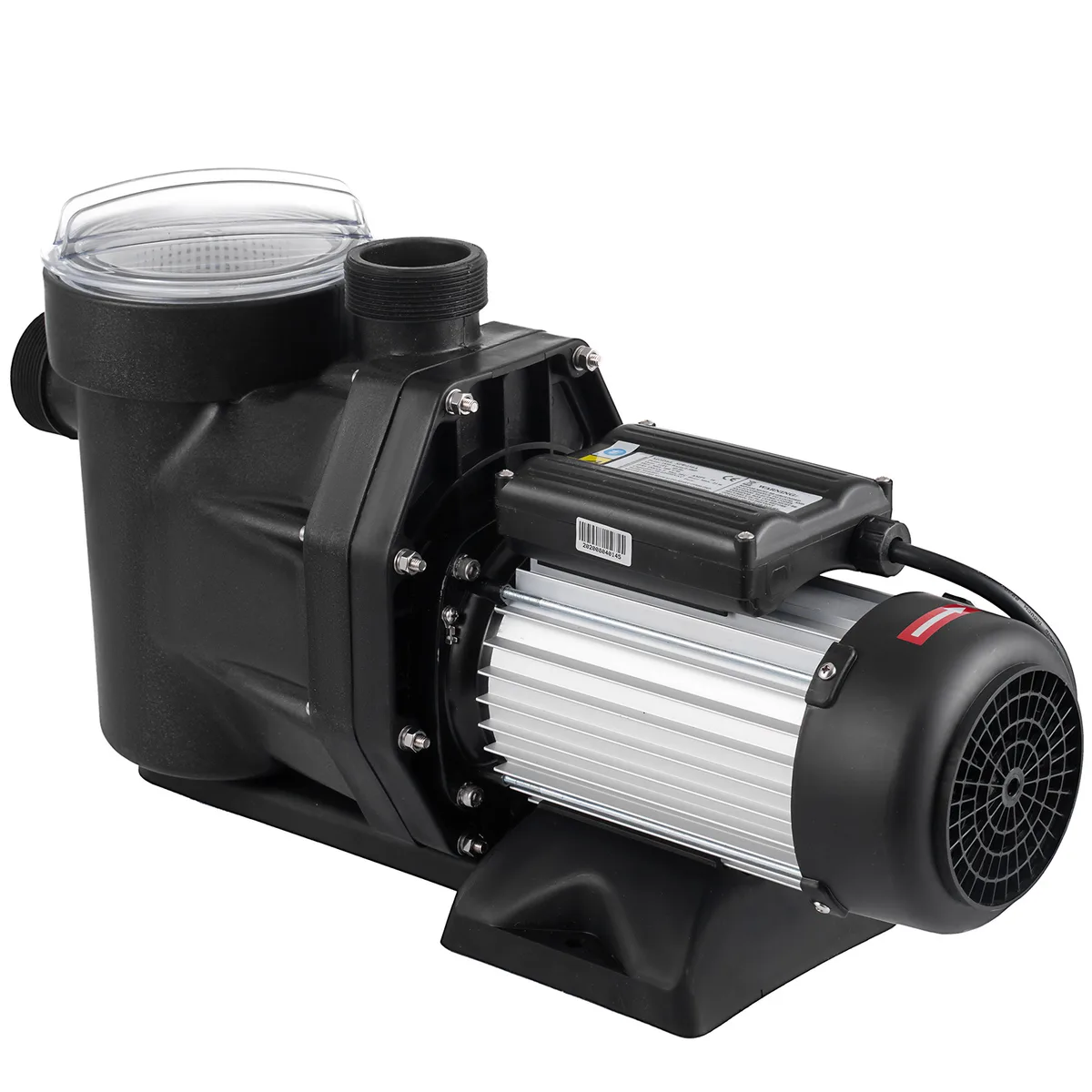
Image source: Web (Bing) / globalcocoaproject.org (Web image (fair-use with source credit))
When to Call in a Pro: Recognizing Limits
While many pool pump issues are DIY-friendly, there comes a point where professional help is necessary. Trying to tackle complex electrical problems or internal motor repairs without the right knowledge and tools can be dangerous and lead to more costly damage.
It’s wise to call a qualified pool technician or electrician if you encounter any of the following situations:
- Repeated Tripping Breakers: If the circuit breaker trips immediately after you reset it, there's an underlying electrical fault. This could be a short in the motor windings, a faulty capacitor that's drawing too much current, or an issue with the wiring itself. Do not attempt to keep resetting it; this could damage the motor or pose a fire risk.
- Motor Overheating and Smoke: If the pump motor gets excessively hot to the touch, emits a burning smell, or you see smoke, turn off the power immediately. This indicates a serious internal motor problem, such as failing bearings, damaged windings, or a seized shaft.
- Persistent Humming Without Rotation: As discussed, a humming motor usually points to a bad capacitor or a seized shaft. While a capacitor is sometimes replaceable by a DIYer with electrical experience, a seized shaft or internal motor damage generally requires professional assessment and likely motor replacement.
- Significant Water Leaks from Motor Housing: If you notice substantial water leaking from the motor end of the pump, it could be a failing seal assembly or other internal motor damage. These repairs often require specialized tools and precise reassembly.
- Unsure About Electrical Components: If you’re uncomfortable working with electrical components, or if any of the troubleshooting steps involve dismantling parts of the motor or electrical connections, it’s safer to call a professional. Electrical shock is a serious risk.
Safety First: What You Shouldn't Mess With
Always prioritize your safety. Before attempting any troubleshooting that involves touching the pump or its electrical components, always turn off the power at the circuit breaker. Double-check that the breaker is in the "off" position and consider placing a piece of tape over it or a note to prevent someone from accidentally turning it back on.
For above ground pool pumps, the standard voltage can be 115V or 230V, both of which can deliver a dangerous shock. If you see any sparks, smell burning plastic, or notice signs of melting around electrical connections, do not proceed. Call a professional immediately.
Additionally, attempting to repair a motor beyond basic checks and cleaning can void any remaining warranty and create new hazards if not done correctly according to manufacturer specifications.
Frequently Asked Questions About Pool Pump Problems
My Pool Pump Cycle Off After a Few Minutes. Why?
This is commonly caused by the motor overheating. The pump likely has a built-in thermal overload protector that shuts it down to prevent damage. The reason for overheating could be a faulty start capacitor, a clogged filter restricting flow, or a bearing issue within the motor.
Check for proper water flow and clean your filter first. If the problem persists, the motor or capacitor may need professional inspection.
Can I Run My Pool Pump Without Water?
No, you should never run your pool pump dry. The water flowing through the pump serves two crucial functions: it cools the motor and lubricates the pump seal. Running the pump without water, even for a short period, can quickly cause severe damage to the seal and potentially the motor itself, leading to costly repairs or replacement.
Always ensure the pump is fully primed with water before turning it on.
How Often Should My Above Ground Pool Pump Run?
For optimal water clarity and sanitation, most above ground pool pumps should run for at least 8 to 12 hours per day. The exact duration depends on your pump's horsepower, your pool's size, and how much water it needs to filter. The goal is to circulate the entire volume of pool water at least once a day, ideally twice.
Running the pump during the hottest parts of the day is often recommended as that's when algae growth is most active and chlorine is most effective.

