

Image source: Bing (Web (fair-use with source credit))
Why Is My Above Ground Pool Pump Making Noise? Let's Figure It Out!
Your above-ground pool pump has started making a noise, and it's probably got you scratching your head. Don't worry, that grinding, hissing, or rattling is usually your pump's way of telling you something's a little off, not that it's about to give up the ghost. We can figure out what's causing the racket and how to fix it.
Most of the time, a noisy pump is just letting you know something needs attention, and it's often something you can tackle yourself without needing a specialist. Based on aggregate reviews and manufacturer specifications, issues can range from simple debris clogs to more complex motor bearing problems. Let's dive into the common culprits and how to pinpoint them.
Quick Answer
A noisy above-ground pool pump often means air is entering the system, the impeller is obstructed by debris, or motor bearings are worn. Check water levels, clean skimmer and pump baskets, and inspect for air leaks. Persistent grinding can indicate motor issues.
What Kind of Noise Is It? Your First Clue
The specific sound your pump is making is your biggest hint about what's going on. Paying close attention to the type of noise can help you narrow down the possibilities significantly and point you toward the right fix.
Grinding or Shrieking?
This is usually one of the more concerning sounds, often indicating a mechanical problem. It can mean debris is stuck in the impeller, or worse, that the motor's internal bearings are failing. This is the sound you absolutely don't want to ignore for too long.
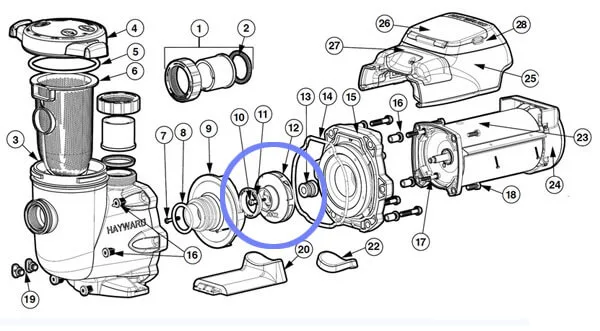
Image source: Bing (Web (fair-use with source credit))
If you hear a metal-on-metal sound, especially when the pump is running, it suggests a physical obstruction or internal wear. It's often accompanied by vibrations you can feel through the pump housing.
Hissing or Sucking?
A hissing or sucking sound, sometimes described as "gulping," is almost always a sign that your pump is struggling to pull water properly. This means air is getting into the system somewhere it shouldn't be. The pump is working, but it's not getting a full, steady supply of water.
This sound is typically more noticeable when the pump first starts or if the water level drops significantly. It means your pump might be cycling air, which isn't good for its long-term health.
Rattling or Clanking?
Rattling or clanking noises can be a bit more varied. They might indicate a loose part on the pump itself, or something vibrating against the pump housing or nearby plumbing. It's less about internal mechanical failure and more about something being out of place or not securely fastened.
Sometimes, this sound can be deceptively simple to fix, like a pebble in the skimmer basket that's rattling around. Other times, it might be a screw on the motor housing that's come loose.
Humming but No Water?
This is a distinct issue where the pump motor is clearly on and running, you can hear that familiar hum, but there's no water circulating. This strongly suggests a blockage or a severe airlock preventing water from reaching or leaving the impeller. It’s the motor trying its best, but being unable to do its job.
This scenario is different from a hissing sound. Here, the pump sounds like it's trying to work, but the output is either minimal or completely absent, indicating a major flow problem upstream or downstream of the pump.
Troubleshooting Steps: Let's Get That Pump Quiet
Always remember to turn off the power to your pump at the breaker before you touch any part of the pump or its plumbing. Safety is paramount when dealing with electrical equipment and water.
Step 1: Check Water Level and Skimmer Basket
It might seem basic, but this is where many noise issues begin. A low water level is a frequent offender.
Is your pool water level too low? Manufacturer guidelines for most pool pumps suggest maintaining a water level at least halfway up the skimmer opening. If it's below that, the pump can easily suck in air, leading to those hissing or gulping sounds. Top up your pool to the correct level.
Is the skimmer basket full of leaves and debris? A clogged skimmer starves the pump of water. Pull out the skimmer basket and give it a thorough cleaning. You might find a small pebble or two in there that's causing a rattle.
Step 2: Inspect the Pump Basket for Debris
This is the basket inside the pump itself, located just before the impeller. It's designed to catch larger debris before it can damage the pump's internal components.
- Turn off the power!
- Locate the clear lid on the front of your pump housing. It's usually secured with clamps.
- Carefully release the clamps and open the lid.
- Pull out the pump basket and clean out any leaves, twigs, or other gunk you find. When you put the lid back on, ensure the O-ring is clean, properly seated, and the lid is securely clamped. A good seal here is critical for preventing air leaks.
Step 3: Listen for Air Leaks (Hissing/Sucking)
If you're hearing that hissing or gulping noise, air is likely entering the system somewhere on the suction side (the part that draws water from the pool).
Check all pipe connections: Visually inspect all the plumbing fittings leading to and from your pump. Look for any loose couplings or cracks in the pipes. Even a small gap can let air in.
Inspect the pump lid O-ring: As mentioned in Step 2, a damaged, cracked, or dirty O-ring on the pump basket lid is a very common culprit for air ingress. Make sure it's in good condition and lubricated if necessary.
Primer valve (if applicable): Some pump models have a small screw or plug at the very top of the pump housing, used for bleeding air during priming. Ensure this is tightened securely.
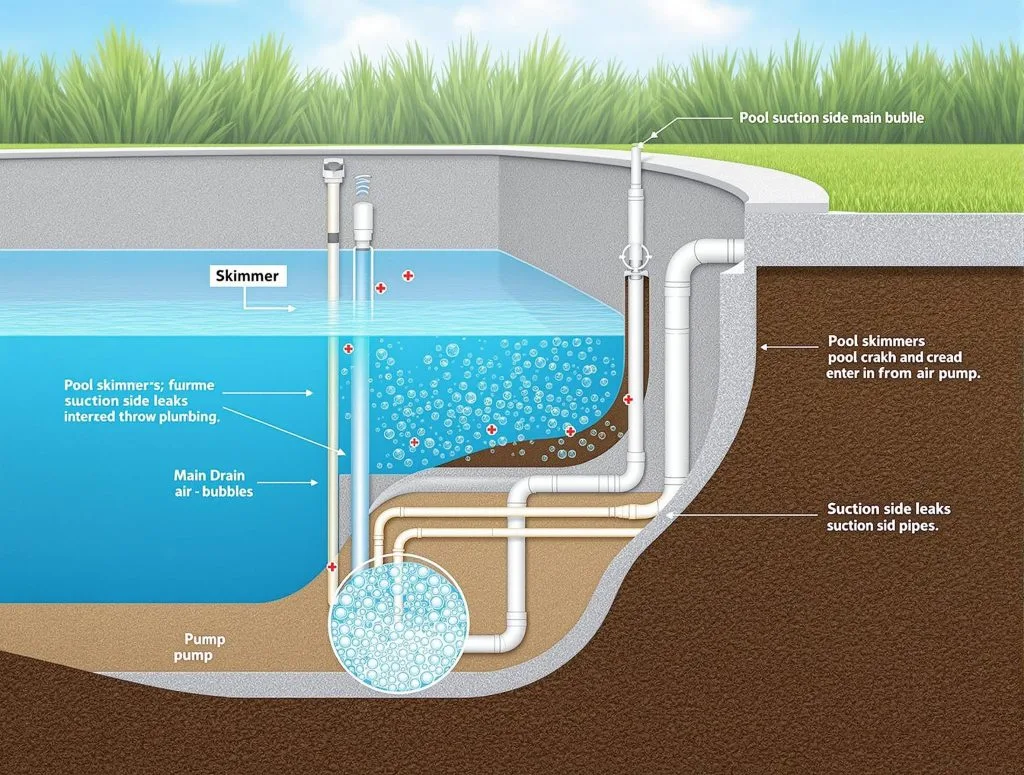
Image source: Web (Bing) / poolknowledge.net (Web image (fair-use with source credit))
The key is to systematically check every connection point on the suction side, from the skimmer all the way to the pump inlet, and the pump lid itself.
Step 4: Address Grinding or Shrieking (Impeller & Motor)
When you hear grinding or shrieking, it often points to mechanical wear or obstruction. This requires a bit more investigation, and sometimes, more involved repair.
Impeller Obstruction: If you've cleaned the pump basket and still hear grinding, a small, hard piece of debris (like a pebble or shell fragment) might have bypassed the basket and is now caught in the impeller. The impeller is the rotating part inside the pump that moves the water.
- To check this, you'll need to remove the pump's "volute" or housing that connects the basket to the motor. This usually involves unscrewing a few bolts.
- Once removed, you can often see and carefully remove any debris lodged in the impeller vanes. If you're not comfortable with this partial disassembly, it's wise to consult a professional.
Motor Bearings: If there's no obstruction in the impeller, and the grinding or shrieking is clearly coming from the motor itself, the problem is likely worn motor bearings. These are internal components that allow the motor shaft to spin smoothly.
- According to guidelines from various pool equipment associations, worn motor bearings are a common failure point, especially in older or heavily used pumps.
- Replacing motor bearings is a specialized repair that often requires a qualified pool technician or an electrical motor repair shop. In many cases, especially for smaller above-ground pool pumps, it might be more cost-effective to replace the entire pump motor unit.
Step 5: Tackle Rattling or Clanking (Loose Parts & Vibration)
Rattling or clanking sounds usually mean something is loose or vibrating. This is often the easiest type of noise to diagnose and fix.
Loose Screws or Bolts: Give the pump housing, motor casing, and any attached plumbing a visual inspection. Check for any fasteners that look like they've worked themselves loose over time due to the pump's vibrations. Tighten them up securely.
Vibration Issues: Sometimes, the pump might be vibrating against a surface. Ensure the pump is sitting on a stable, level base. Check if any electrical conduit, pipes, or other pool equipment are touching the pump housing and causing a noise when it runs. You might need to add some padding or adjust the pump's position slightly.
Internal Loose Parts: Less commonly, something internal to the pump housing or motor might have come loose. If you can't find an external cause, it might be worth having a professional take a look to ensure nothing critical has dislodged.
When to Call for Backup: Knowing Your Limits
While many pool pump noises can be fixed with a bit of DIY effort, there are times when it's best to bring in a pro. If you've gone through the basic troubleshooting steps and the noise persists, it's a good indicator that the problem might be beyond simple fixes.
For instance, if you're hearing a loud, persistent grinding that sounds like metal on metal and you've ruled out simple debris obstructions, it could signal worn-out motor bearings. Replacing these is a specialized job. Similarly, if the pump's impeller appears damaged or you're uncomfortable with disassembling the pump's housing, calling a qualified pool technician is the safest bet.
Sometimes, what sounds like a pump issue could actually be a problem with your plumbing or electrical setup. If you suspect any electrical faults or if the noise is accompanied by other unusual symptoms like overheating or tripping breakers, it’s definitely time to consult a professional. They have the diagnostic tools and expertise to identify and repair complex issues safely.
Common Mistakes to Avoid with Noisy Pool Pumps
When you're trying to silence a noisy pool pump, it's easy to make a misstep. Avoiding these common errors can save you time, money, and prevent further damage to your equipment.
Ignoring the Noise: The biggest mistake is simply hoping the noise will go away on its own. Many pump noises are early warnings of developing problems. Ignoring them can lead to more significant damage, costly repairs, or a complete pump failure. For example, running a pump with air in the system can overheat and damage the motor seals.
Working with Power On: Never, ever work on your pool pump or plumbing without first turning off the power to the pump at the circuit breaker. Electrical shock is a serious risk around water, and many components, like the motor, contain high-voltage wiring. Always verify the power is off before touching anything.
Over-Tightening Fittings: When reassembling pump components or plumbing, it's tempting to crank down on everything to ensure a tight seal. However, over-tightening can strip threads, crack plastic components, or damage O-rings, leading to leaks or future problems. Follow manufacturer recommendations or use hand-tight plus a quarter-turn as a general guide for threaded fittings.
Forgetting the O-Ring: The O-ring on the pump basket lid is crucial for creating a watertight seal. Forgetting to replace it, not seating it properly, or using a dirty, damaged O-ring is a prime cause of air leaks and the associated hissing noises. Always inspect and clean this vital component.
Using Incorrect Lubricants: If you need to lubricate the pump lid O-ring or other seals, always use a silicone-based lubricant specifically designed for pool equipment. Using petroleum-based products can degrade rubber and plastic parts, leading to premature failure.
How to Prevent Noisy Pool Pumps in the Future
Keeping your pool pump running quietly often comes down to good maintenance and mindful operation. By following a few proactive steps, you can significantly reduce the chances of hearing those annoying noises return. Think of it as giving your pump the best chance to do its job without complaint.
Regular inspections are key. According to maintenance guidelines from various pool equipment manufacturers, checking water levels and cleaning baskets should be a weekly habit during the swimming season. This simple habit prevents many common issues that lead to pump noise, especially those related to water flow and air intake.
Consistent cleaning of both the skimmer basket and the pump basket prevents debris buildup. This ensures optimal water flow, reducing strain on the motor and impeller. For example, a consistently clear skimmer basket, emptied at least once a week, will prevent the pump from having to work harder to pull water, thus avoiding potential cavitation or air-sucking noises.
Pay attention to your pump's environment. Ensure it's on a stable, level surface and that nothing is vibrating against it. Also, periodically check plumbing connections for any signs of wear or looseness.
A little preventative care can go a long way in keeping your pool system running smoothly and quietly.
Consider applying a thin layer of silicone lubricant to the pump lid O-ring during your regular cleaning. This helps create a better seal and prevents the rubber from drying out and cracking, which can lead to air leaks.
Also, make sure the pump is properly primed each time you restart it after cleaning or maintenance, following the manufacturer's specific priming instructions to remove any residual air.
This attention to detail ensures your pool pump continues to operate efficiently and quietly, enhancing your overall pool ownership experience. By staying diligent with these maintenance practices, you can often avoid the disruptive noises that plague many pool pumps.
Frequently Asked Questions
How long does it typically take to troubleshoot a noisy pump?
Troubleshooting can take anywhere from 15 minutes to a couple of hours, depending on the complexity of the noise and your familiarity with pool equipment. Simple issues like a clogged skimmer basket can be fixed in minutes, while diagnosing air leaks might take longer.
Can I continue to run my pool pump if it's making noise?
It's generally not recommended to run a noisy pool pump for extended periods, especially if the noise indicates mechanical distress like grinding or shrieking. Doing so can worsen the damage, potentially leading to costly repairs or the need for a full pump replacement.
What are the signs of a failing pool pump motor?
Beyond noise, a failing motor might show signs like overheating, a burning smell, reduced water flow, or tripping the circuit breaker frequently. If the motor hums but doesn't spin the impeller, or if it makes consistent loud grinding, the motor itself is likely the issue.
Is it cheaper to repair or replace a noisy pool pump?
For above-ground pool pumps, it's often more cost-effective to replace the entire pump if the motor bearings have failed or if the pump is several years old. Repairs, especially for motor issues, can approach the cost of a new unit. For simpler problems like a cracked housing or damaged impeller, repair might be feasible.
Always consult manufacturer specifications and get a quote from a qualified technician before making a decision.

