

If you're scratching your head wondering why your above-ground pool pump is suddenly acting weaker, you're not alone. Low water pressure at your return jets is a common frustration for pool owners, especially when you're trying to keep your water clean and inviting for a swim. Fortunately, most pressure loss issues have straightforward causes and solutions.
We've looked at common scenarios and manufacturer specifications to help you pinpoint the problem. Typically, pressure loss isn't about the pump motor failing catastrophically but rather a blockage, leak, or filter issue that's restricting water flow. In our research, we found that pressure readings, often measured in PSI (Pounds per Square Inch), are a key indicator, with a drop of more than 10% from its clean operating level signaling a problem according to industry standards like those from the Association of Pool & Spa Professionals.
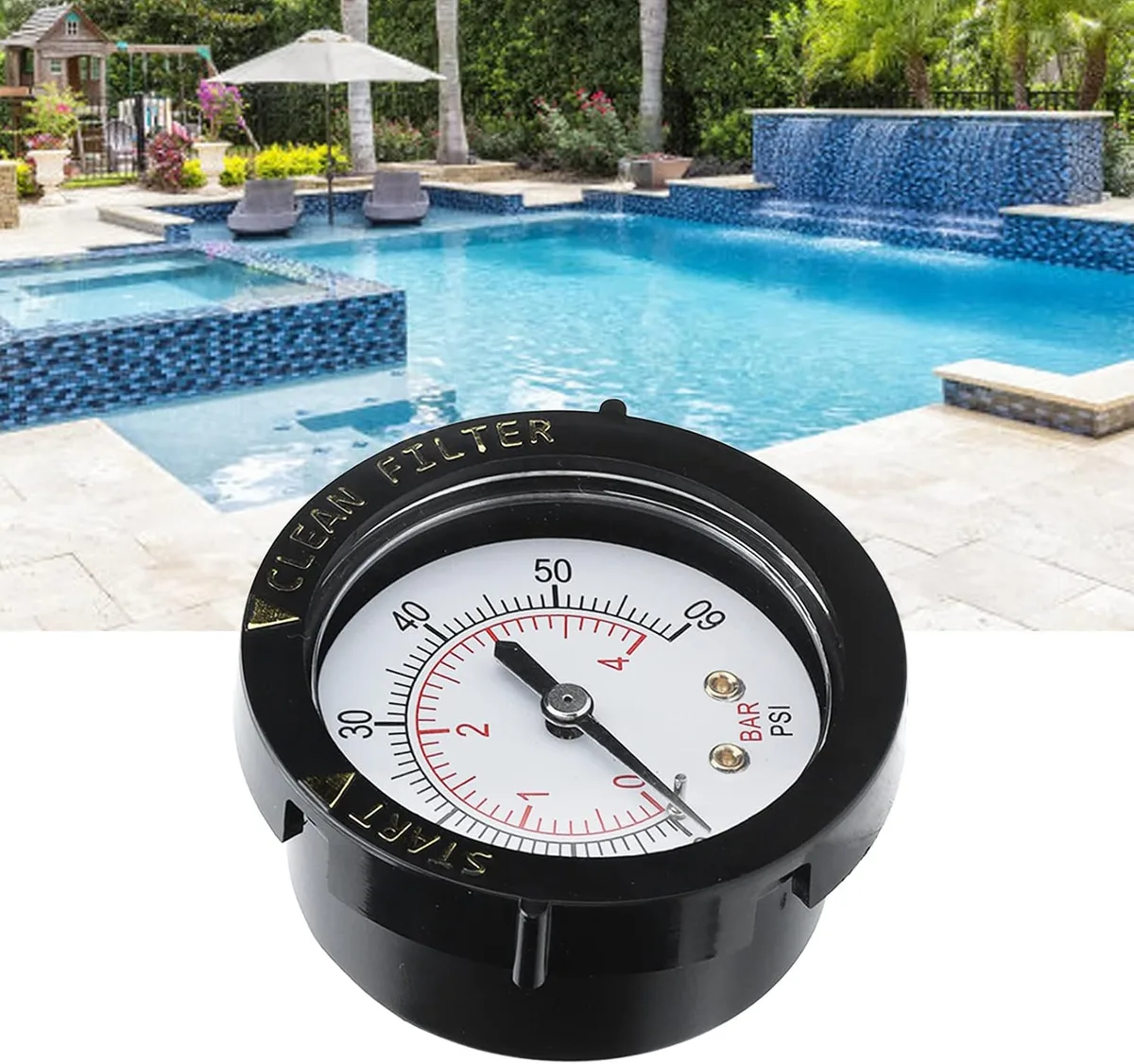
Image source: Web (Bing) / bigamart.com (Web image (fair-use with source credit))
Quick Answer: The Usual Suspects for Low Pool Pump Pressure
Low pressure usually means something is blocking water flow or letting air into the system. Common culprits include a clogged pool filter, air leaks in the plumbing, a blocked pump basket or impeller, or even closed valves. These issues restrict the pump's ability to create sufficient water pressure for proper circulation.
Step 1: The Air Leak Hunt – Is Air Sneaking In?
Air getting into your pool's plumbing system is a big troublemaker for pump pressure. When air mixes with the water being drawn into the pump, it creates pockets that the pump impeller can't push effectively. This causes the pump to cavitate, run erratically, and significantly drop its output pressure.
Think of it like trying to drink through a straw that has a hole in it; you don't get much liquid.
Checking the Pump and Plumbing for Leaks
The first place to look for air leaks is around the pump itself and its connections.
- Check the Pump Lid O-ring: Ensure the lid's O-ring is clean, properly seated, and free of nicks or damage. A worn-out or improperly placed O-ring is a prime spot for air to enter.
- Inspect the Strainer Basket: Make sure the lid to the pump's strainer basket is also sealed tightly. Any gaps here can let air in.
- Look at Pipe Connections: Examine all the PVC pipe connections leading into and out of the pump. Check for any visible cracks, loose fittings, or signs of dried pool water residue that might indicate a slow leak.
- Skimmer Connections: If your above-ground pool has a built-in skimmer that feeds the pump, check its connections to the pool wall and the pipe.
Often, a leak is subtle and might only become apparent when the pump is running. If you suspect a leak but can't see it, you can sometimes use a non-foaming leak detection solution or even a bit of soapy water around fittings while the pump is running. Bubbles forming will show you exactly where the air is being sucked in.
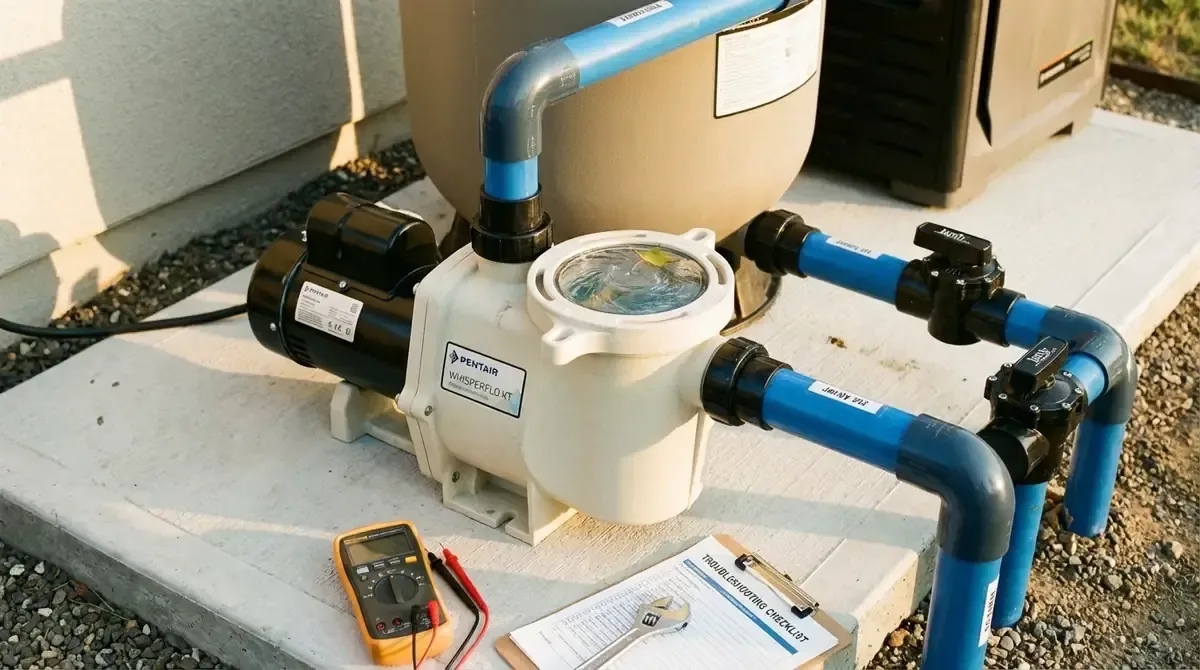
Image source: Web (Bing) / poolcarehelp.com (Web image (fair-use with source credit))
When the Pump Isn't Priming Properly
If your pump is running but not building pressure, it might not be priming correctly. Priming is the process of filling the pump casing and suction line with water before starting it. If there's air trapped or air is entering the system, the pump won't prime, and you'll hear it running without much water movement.
- How to Prime: To prime your pump, ensure the pump is off. Open the pump lid, fill the strainer basket and the pump housing completely with water from a hose. Replace the lid, making sure the O-ring is sealed. Turn on the pump. You should hear it start to suck water.
- Persistent Priming Issues: If you have to prime the pump every time you turn it on, or if it loses prime shortly after starting, it strongly suggests an air leak somewhere in the suction-side plumbing. This is more serious than a filter issue and requires hunting down that leak.
Step 2: The Filter Fray – Is Your Filter Clogged or Damaged?
Your pool filter is the workhorse that keeps your water clean. When it gets clogged with debris, it restricts water flow, leading directly to a drop in pressure. Think of a clogged filter like a congested highway; fewer cars (water) can get through.
This is one of the most frequent reasons for a pump losing pressure.
Signs Your Filter Needs Attention (Sand, Cartridge, DE)
Each type of filter shows signs of being clogged, though they vary slightly.
- Sand Filters: When the pressure gauge reads 8-10 PSI higher than its normal clean operating pressure, it's time to backwash. If it's still low on pressure after backwashing, the sand itself might be channeling or becoming calcified, reducing efficiency.
- Cartridge Filters: Low pressure is a clear sign the cartridge is full of debris. You'll also notice the water flow through your return jets is significantly reduced.
- Diatomaceous Earth (DE) Filters: When pressure drops, it usually means the DE has been depleted, or the grids within the filter are starting to clog. Similar to sand filters, they need to be recharged with DE after backwashing.
What to Do: Backwashing, Cleaning, or Replacing
The solution depends on your filter type and how clogged it is.
Backwashing (Sand & DE Filters): This process reverses the water flow through the filter to flush out trapped debris.
- Turn off the pump.
- Set the multiport valve to "Backwash."
- Turn the pump back on and let it run until the water in the sight glass (if equipped) runs clear, typically 1-3 minutes.
- Turn off the pump.
- Set the multiport valve to "Rinse" (for sand) or "Recirculate" then back to "Filter" (for DE) and run for another minute to resettle the media.
- Turn off the pump, reset the valve to "Filter," and turn the pump back on. Observe the pressure gauge.
Cleaning Cartridge Filters:
- Turn off the pump.
- Open the air relief valve on top of the filter to release pressure.
- Carefully remove the filter lid.
- Pull out the cartridge.
- Hose it down thoroughly with a garden hose, working from top to bottom, using a gentle spray. For stubborn debris, a filter cleaner solution and a soft brush can help.
- Inspect the cartridge for tears or damage. If it's worn out, it needs replacement.
- Reassemble the filter, ensuring the lid seal is clean and the lid is secured properly.
- Turn the pump back on and open the air relief valve until a steady stream of water comes out, then close the valve. Check your pressure gauge.
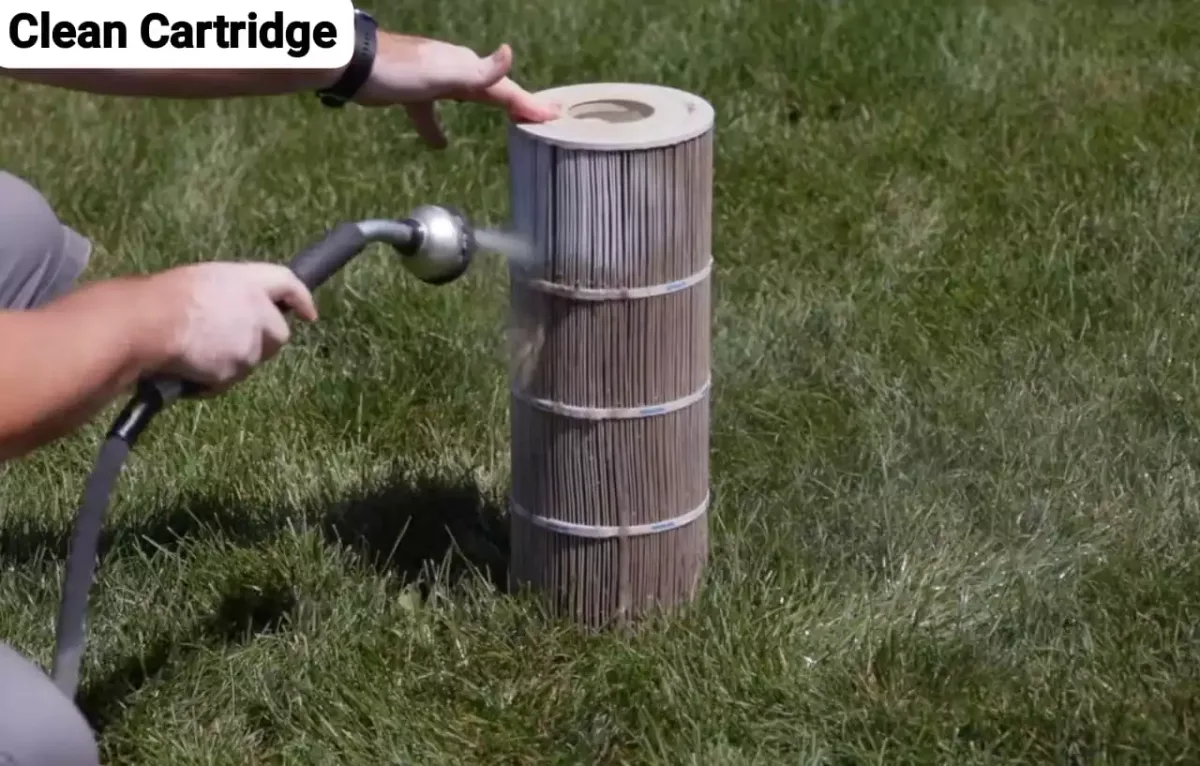
Image source: Web (Bing) / backyardsensei.com (Web image (fair-use with source credit))
If pressure remains low after cleaning or backwashing, the filter media might be old or damaged. Sand filters typically need replacement every 5-7 years, and cartridge elements usually last 1-3 seasons depending on usage and maintenance.
Step 3: The Pump Itself – Impeller Issues or Blockages
Sometimes, the problem isn't with the air or the filter, but with the pump's own internal workings. The pump's impeller is a spinning part that creates the suction and pressure to move water. If something is blocking it or it's damaged, pressure will suffer.
Inspecting the Pump Basket and Impeller
The first step is to check the pump's strainer basket, which catches larger debris before it reaches the impeller.
- Turn off the pump and unplug it. Safety first!
- Open the pump lid and carefully remove the strainer basket.
- Empty all debris from the basket. Rinse it clean.
- Look inside the pump housing where the basket was. You should see the impeller.
- Check for obstructions: Carefully use a slim tool (like a screwdriver handle, NOT metal that could scratch it) or your fingers to try and turn the impeller. It should spin relatively freely, though you might feel some resistance from the motor shaft.
- Look for damage: Inspect the impeller vanes for any signs of breakage, wear, or foreign objects wrapped around it (like string, hair ties, or small stones).
If you find debris lodged in the impeller or notice damage, you'll need to remove it. This can sometimes be tricky. For significant damage, or if the impeller won't spin, the pump might need professional servicing or replacement.
When to Suspect a Failing Pump Component
Beyond obstructions, a pump might lose pressure due to internal wear.
- Worn Impeller: Over time, the impeller's vanes can wear down, making it less efficient at moving water.
- Worn Shaft Seal: If you notice water leaking from the area where the motor shaft enters the pump housing, the shaft seal might be failing. This can also impact performance and eventually lead to motor damage.
- Motor Issues: If the motor is struggling, humming loudly, or overheating, it might not be spinning the impeller at the correct speed, thus reducing pressure.
If you've ruled out air leaks and filter clogs, and the pump itself seems clear but still offers poor pressure, it's increasingly likely that a component within the pump is failing. The lifespan of a pool pump motor can vary; many are expected to last between 5 to 15 years depending on quality, usage, and maintenance. As of 2026, many manufacturers offer energy-efficient variable-speed pumps designed for longer life and quieter operation.
Step 4: Other Possible Culprits – Less Common, But Worth Checking
Sometimes the issue isn't a major problem but a simple oversight. Before you assume a costly repair, double-check these less obvious potential causes for your pump losing pressure.
Valve Positions and Pipe Obstructions
- Closed Valves: If you have valves in your plumbing system (like a bypass valve or a shut-off valve for maintenance), ensure they are fully open. A partially closed valve acts like a bottleneck, restricting flow and reducing pressure.
- Kinked Hoses or Pipes: For above-ground pools often using flexible hoses, ensure they aren't kinked or crushed anywhere along their length. A sharp bend can severely limit water flow. Even rigid PVC pipes can become obstructed if debris gets lodged in them.
Water Level and Skimmer Issues
- Low Water Level: If the water level in your pool is too low, the skimmer (if you have one) might not be fully submerged. This can cause the skimmer to suck air instead of water, leading to air leak issues. Ensure your pool water is at the proper level, typically halfway up the skimmer opening.
- Clogged Skimmer Basket: If the skimmer basket is full of leaves, bugs, or other debris, it restricts water from getting into the suction line, just like a clogged pump basket. Always check and clean your skimmer basket regularly.
Expert Tips to Keep Your Pump Pressure Strong
Keeping your above-ground pool pump running at optimal pressure isn't just about fixing problems; it's about prevention. Our research into pool maintenance best practices highlights a few key habits.
- Regular Filter Cleaning: Don't wait until the pressure gauge screams for attention. Stick to a schedule for backwashing sand/DE filters or cleaning cartridges. A clean filter is the number one factor in maintaining good pump pressure.
- Inspect for Air Leaks Proactively: Make it a habit to look over your pump and plumbing connections every few weeks. Catching a small air leak early prevents bigger headaches.
- Watch Your Pressure Gauge: Know your pump's normal operating pressure when the filter is clean. Any significant increase (indicating a clogged filter) or decrease (indicating a blockage or air leak) should be investigated promptly.
- Proper Winterization: If you live in a climate with freezing temperatures, ensure your pump and filter are properly winterized. Residual water freezing can damage components, leading to leaks and performance issues come spring.
- Don't Overwork Your Pump: Ensure your pump is sized correctly for your pool. An undersized pump might struggle, while an oversized one can cause excessive wear and tear if not managed with variable speed settings.
When to Call in the Pros (or Get a New Pump)
While many pressure loss issues are DIY-friendly, there are times when you should seek professional help or consider replacing your equipment.
- Persistent Air Leaks: If you've tried everything to find and fix an air leak on the suction side and still can't resolve it, it might be time for a pool technician to diagnose. These leaks can be in hard-to-reach places or involve hairline cracks in the plumbing.
- Damaged Impeller or Motor: If an inspection reveals a broken impeller, or if the pump motor is making concerning noises, overheating, or tripping circuit breakers, it's often more cost-effective to replace the entire pump rather than attempting complex repairs, especially on older units.
- Frequent Replacements: If you're constantly dealing with clogged filters, air leaks, or pump issues year after year, it might be a sign that your equipment is simply at the end of its lifespan and needs an upgrade.
When considering a new pump, look at energy efficiency ratings. As of 2026, ENERGY STAR certified pool pumps can significantly reduce electricity costs compared to older, single-speed models. Variable-speed pumps offer the most flexibility and efficiency, allowing you to dial in the exact flow rate needed for different tasks and often run at lower speeds for extended periods, saving energy and reducing wear on the system.
Frequently Asked Questions
Why does my pool pump pressure drop after running for a while?
This often indicates an issue with air entering the system after it's been running, such as a slightly loose connection or a small crack that widens with thermal expansion. It can also mean your filter is becoming progressively clogged as the pump runs.
Is it normal for my pool pump pressure to fluctuate?
Some minor fluctuation is normal, especially with changes in water temperature or when debris starts to accumulate in the filter. However, significant drops or rises that aren't explained by filter cleaning are usually cause for concern.
Can a dirty skimmer basket cause low pump pressure?
Yes, a very full skimmer basket restricts the amount of water that can be drawn into the pump's suction line. This creates a bottleneck, reducing the overall water flow and therefore the pressure the pump can generate.
How much pressure drop is too much for an above-ground pool pump?
Generally, if your filter's pressure gauge reads 8-10 PSI higher than its clean operating pressure, it's time to clean the filter. A consistent pressure reading significantly below your normal operating pressure, even with a clean filter, suggests a problem elsewhere like an air leak or an obstruction.
Should I turn off the pump if it's losing pressure?
If you notice a significant drop in pressure, especially if it's accompanied by unusual noises or cavitation (a grinding sound), it's wise to turn off the pump. Continuing to run a pump with an air leak or obstruction can cause damage to the impeller or motor.

