

You've probably asked "Why is my above ground pool filter not working?" after noticing your pool water isn't as clear as it should be, or maybe there's barely any water flowing back into the pool. It’s a frustrating problem, especially when you’re trying to enjoy your backyard oasis. Thankfully, most filter issues have pretty straightforward fixes.
Pool filter systems are designed to circulate and clean your water, removing debris and keeping it safe for swimming. When they falter, it’s usually due to a few common culprits. For instance, manufacturer specifications for many above-ground pool pumps indicate a typical flow rate between 1,000 and 3,000 gallons per hour (GPH), depending on the model and horsepower.
If your filter system isn't meeting these expectations, it’s time to troubleshoot.
Quick Answer
Your above ground pool filter isn't working mainly due to blockages, air in the system, or a faulty pump. Check the skimmer basket for debris and ensure hoses aren't kinked. Air locks prevent water flow; bleed them out.
The pump's impeller could be clogged or damaged, or the filter media itself might be overwhelmed or improperly installed.
Why Is Your Pool Filter Acting Up? Common Culprits
When your pool filter system grinds to a halt or just isn't doing its job, it's usually not one single, mysterious failure. Instead, it’s a combination of factors that interrupt the normal flow of water and filtration. Understanding these common issues is the first step to getting your pool crystal clear again.
Low Water Pressure or No Flow?
This is one of the most common complaints. You flip the switch on your pool pump, and you expect a strong stream of water returning to the pool, but you get a trickle, or worse, nothing at all. Low pressure almost always points to a restriction somewhere in the system, or an issue with the pump itself that’s preventing it from building pressure.
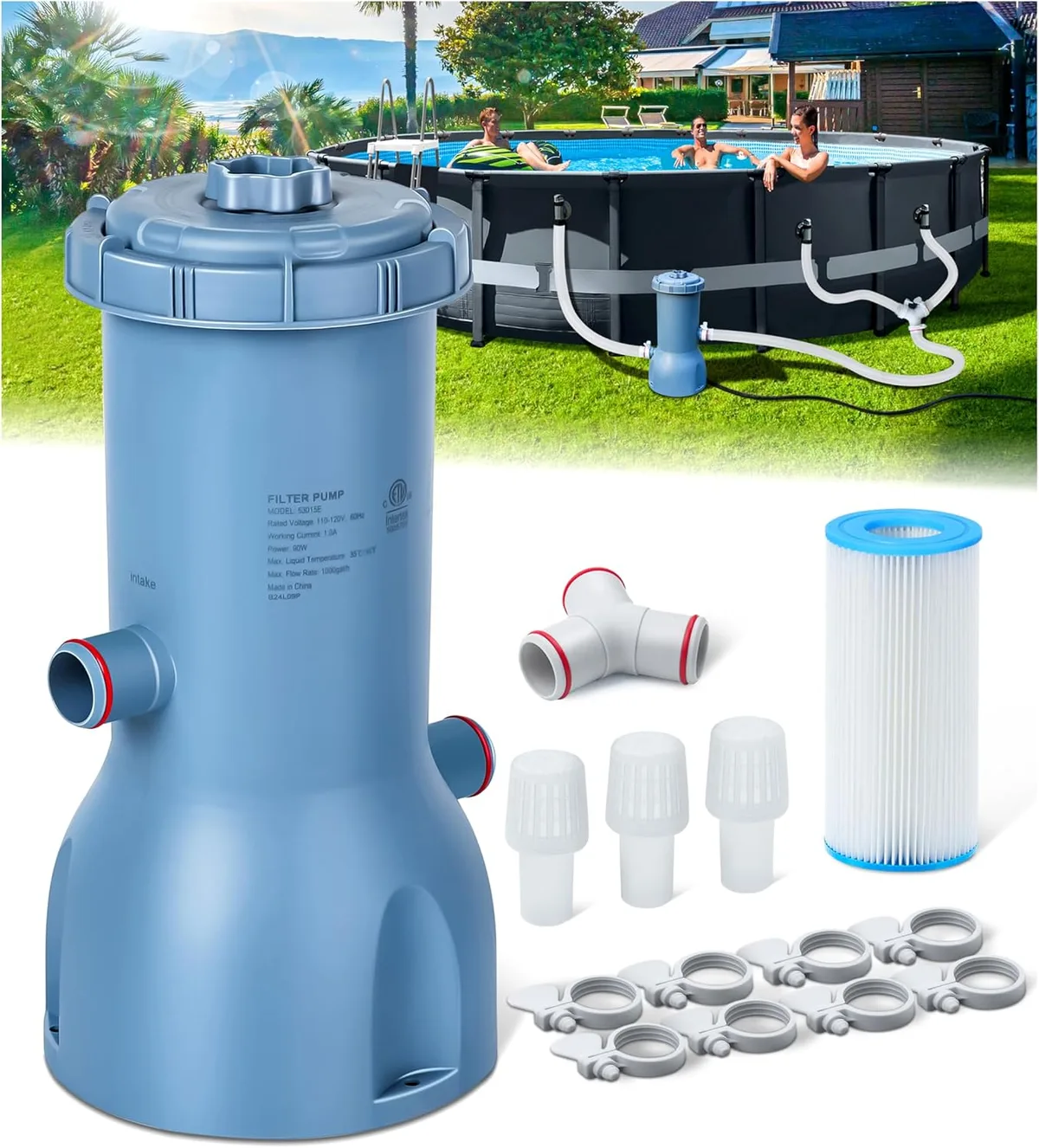
Image source: Web (Bing) / amazon.com (Web image (fair-use with source credit))
Cloudy Water Despite Running the Filter?
If your filter is running, and water is circulating, but the pool water remains stubbornly cloudy or dirty, it suggests the filter isn't effectively removing particles. This can happen if the filter media (sand, cartridge, or DE powder) is too old, clogged beyond cleaning, or not correctly installed. Sometimes, the debris is simply too fine for the filter's current capabilities.
Is the Pump Making Weird Noises?
Strange noises coming from your pool pump are a definite red flag. A healthy pump usually hums steadily. Grinding, whining, or rattling sounds often indicate a mechanical problem.
This could be anything from a worn-out bearing to an object lodged in the impeller, or the pump might be running dry, which can cause significant damage quickly.
1. Check the Obvious: Skimmer Basket and Hoses
Before diving into more complex issues, always start with the simplest things. The skimmer basket is your first line of defense against large debris. If this basket is full of leaves, bugs, or other gunk, it can severely restrict water intake, making your pump struggle.
- Skimmer Basket: Pull it out and empty it. Give it a good rinse. If it’s cracked or damaged, consider replacing it.
- Hoses: Check all the hoses connecting your skimmer to the pump and the pump to the filter. Look for any kinks, twists, or sections that appear collapsed. These will choke off water flow. Ensure hose connections are tight and not leaking air, which can also disrupt pump operation.
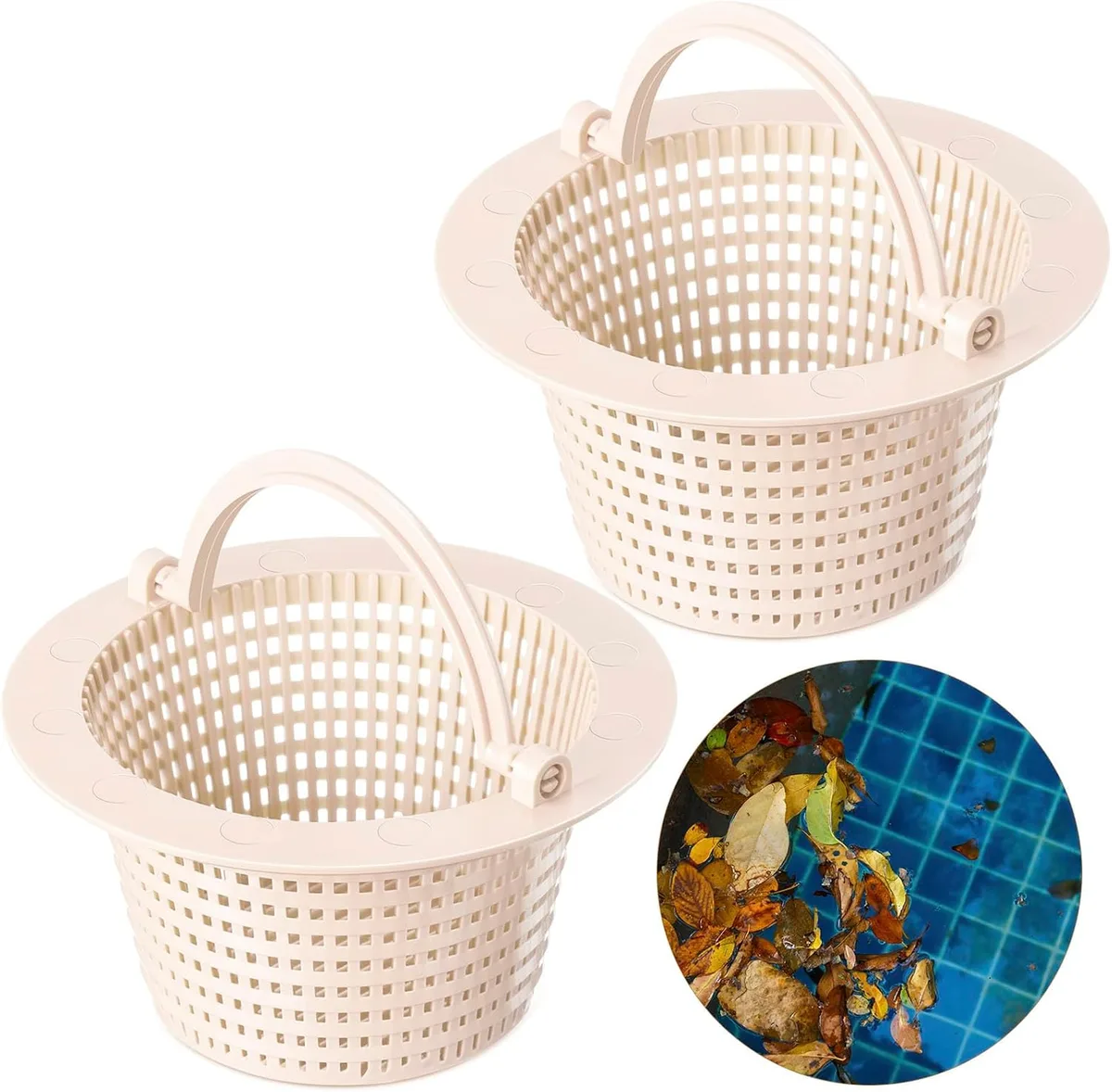
Image source: Web (Bing) / amazon.com (Web image (fair-use with source credit))
2. Assess Filter Pressure: What's Normal and What's Not?
Your pool filter system has a pressure gauge. This gauge tells you how much resistance the water is encountering as it passes through the filter media. Understanding what's normal for your specific filter is crucial for diagnosing issues.
- Clean Filter Pressure: When your filter media is clean, the pressure gauge will read at its lowest point. This is often referred to as the "clean filter pressure."
- Dirty Filter Pressure: As debris builds up in the filter, it creates more resistance, and the pressure on the gauge will rise.
- High Pressure: If the pressure is significantly higher than its clean reading (often 8-10 PSI above the clean baseline), it indicates the filter is clogged and needs cleaning or backwashing.
- Low Pressure: Conversely, if the pressure is unusually low, or there’s no pressure at all, it suggests a blockage before the filter (like the skimmer or a kinked hose), air in the system, or a problem with the pump itself.
Manufacturer specifications often suggest a clean filter pressure for typical above-ground pool systems. For example, a common sand filter might have a clean pressure of 10 PSI. If the gauge reads 20 PSI or higher, it's time for maintenance.
If it reads 0 or just a few PSI even when the pump is running strong, something is preventing water from even reaching the filter properly.
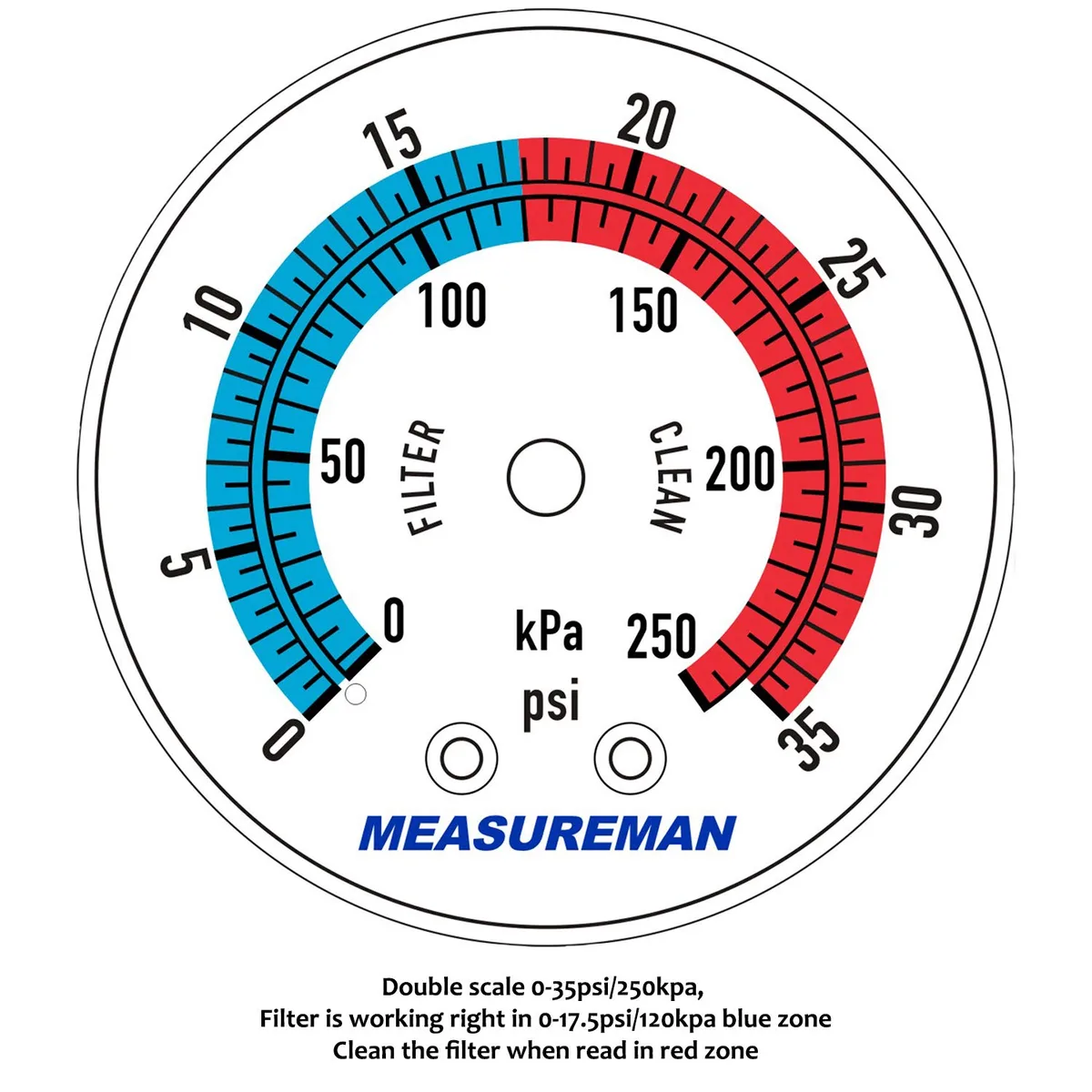
Image source: Web (Bing) / snapklik.com (Web image (fair-use with source credit))
3. Is Air Trapped in the System?
Air trapped in your pool's plumbing or filter system is a common troublemaker, especially after you've had to disconnect hoses or run the pump dry. Air is much lighter and less dense than water, and it can create a significant barrier to water flow, effectively acting like a stopper. This is often called an "air lock."
- How it happens: Air can get into the system through loose plumbing connections, if the pump runs without water (a "dry run"), or when water levels drop too low in the skimmer.
- Symptoms: You’ll often notice low or no pressure on the filter gauge, sputtering from the return jets, and sometimes you can even hear gurgling noises.
- The Fix: Bleeding the Air: Most filter systems have an air relief valve, usually located at the very top of the filter tank.
- Make sure the pump is off.
- Slowly open the air relief valve. You might hear a hiss as air escapes.
- Let it hiss until a steady stream of water starts to come out. This means the air has been purged.
- Close the air relief valve securely.
- Turn the pump back on and check the pressure gauge. If the air was the main issue, you should see pressure return to normal.
If you can’t find an air relief valve on your filter tank, you might need to loosen the connection at the filter's pump or the return jet fitting slightly to let air escape while the pump is off. Always turn the pump off before fiddling with connections or valves, as working with a running pump can be dangerous.
4. Diving Into Filter Media: Sand, Cartridge, or DE
The heart of your filtration system is its media. Whether you have sand, a cartridge, or diatomaceous earth (DE) filters, each has its own set of potential issues that can cause it to stop working effectively.
Sand Filter Specifics
Sand filters use a bed of specialized filter sand to trap debris.
- Clogged Sand: Over time, oils, lotions, and fine particles can cake the sand grains together, reducing water flow. This requires "deeper cleaning" or backwashing.
- Broken Sand: Eventually, sand grains can break down and become too fine, passing through the filter. The sand should typically be replaced every 3-5 years.
- Laterals: Underneath the sand bed are "laterals", small slotted pipes that collect the filtered water. If these are cracked or clogged, water can't flow through properly, and sand might even escape into the pool.
Cartridge Filter Specifics
Cartridge filters use a pleated fabric element.
- Dirty Cartridge: The most common issue is a clogged cartridge. When the pleats are full of debris, water flow is restricted.
- Worn Cartridge: Over time, the fabric can wear out, tear, or become permanently fouled by oils and minerals. A damaged or excessively dirty cartridge needs replacement. Cartridges typically last 1-3 seasons, depending on use and maintenance.
- Improper Fit: Ensure the cartridge is seated correctly in the filter housing. If it’s loose or misaligned, water can bypass the filter media.
DE Filter Specifics
Diatomaceous Earth (DE) filters use a powder made from fossilized diatoms.
- Degraded DE: After backwashing, new DE powder needs to be added to coat the filter grids. If this isn't done, or if the DE is too old, the filter won't capture fine particles.
- Damaged Grids: The DE is applied to a set of grids. If these grids are torn or damaged, DE can escape into the pool, and filtration will be compromised.
5. Inspect the Pool Pump: Impeller and Seals
Your pool pump is the engine that drives the entire filtration system. If the pump itself isn't working correctly, the filter won't function, no matter how clean its media is.
- Clogged Impeller: The impeller is a spinning part inside the pump that moves water. Debris like leaves, hair, or even small rocks can get sucked into the pump and lodged in the impeller, preventing it from spinning freely or at all. You'll usually need to disassemble the pump housing (after turning off power at the breaker!) to access and clean it.
- Worn Impeller: Over time, the impeller can wear down, reducing its efficiency and its ability to push water.
- Seal Failure: The shaft seal prevents water from leaking out of the pump where the motor shaft enters the wet end. If this seal fails, you'll see water leaking from the pump, and eventually, it can lead to motor damage.
- Motor Issues: While less common for a "filter not working" scenario unless it’s completely seized, motor problems can also prevent the pump from running.
Mistakes That Are Killing Your Filter Performance
It’s easy to make small mistakes that seriously impact your pool filter’s ability to keep your water clean. Catching these errors can save you a lot of headaches and money.
- Ignoring the Pressure Gauge: This is your filter’s vital signs monitor. If you don’t check it regularly, you won’t know when it’s clogged and needs cleaning, or when it’s running too low, indicating a bigger problem.
- Not Cleaning Skimmer and Pump Baskets: These are the first points of collection for debris. Letting them overflow forces the pump to work harder and can lead to blockages further down the line.
- Over- or Under-Chemicalizing: While not a direct cause of the filter not working, incorrect water chemistry can cause debris to clump or create buildup that clogs the filter faster. Too many chemicals can also degrade filter components over time.
- Using the Wrong Filter Media: For sand filters, using play sand or aquarium gravel instead of proper filter sand will lead to poor filtration and potentially damage. For cartridge filters, ensure you're using the correct size and micron rating.
- Not Priming the Pump: Every time you turn on your pool pump, it needs to be "primed." This means ensuring the pump's volute (the housing where the impeller sits) is completely full of water before it starts. If it runs dry, it can overheat, damage the seal, and won't create suction.
- Skipping Regular Backwashing or Cleaning: These filters are designed to be maintained. Letting them go too long between cleanings ensures they'll eventually stop working altogether. For sand filters, backwashing typically occurs when pressure is 8-10 PSI over the clean starting point. Cartridge filters need cleaning when pressure rises 8-10 PSI over their clean baseline, or at least seasonally.
Step-by-Step: Troubleshooting Your Above Ground Pool Filter
When your filter isn't working, a systematic approach is best. Don't just guess; follow a logical sequence to pinpoint the problem. Here's a common workflow that most pool owners can follow.
1. Check the Obvious: Skimmer Basket and Hoses
This is the absolute first step. Before you even think about complex parts, make sure nothing is blocking the initial water intake.
- Task: Turn off the pool pump.
- Action: Remove the skimmer basket and thoroughly clean out all debris. Check the skimmer opening itself for any large obstructions.
- Action: Inspect all hoses running from the skimmer to the pump and from the pump to the filter. Look for any visible kinks, crushing, or tight bends that could restrict water flow. Ensure all connections are secure to prevent air leaks.
2. Assess Filter Pressure: What's Normal and What's Not?
Your filter's pressure gauge is a key diagnostic tool. You need to know what your 'clean' pressure reading is.
- Task: Turn on the pool pump and let it run for a minute.
- Action: Observe the pressure gauge. Note this reading; it's your baseline for a clean filter.
- Analysis:
- No Pressure (0-5 PSI): This strongly suggests an issue before the filter. Re-check skimmer, hoses, and ensure the pump is primed. Air in the system is also a prime suspect.
- Low Pressure (significantly below baseline): Similar to no pressure, indicates a flow restriction or air.
- High Pressure (8-10 PSI above baseline): This means the filter media is dirty and needs cleaning.
- Erratic Pressure: Could indicate air pockets or a problem with the pump itself.
3. Is Air Trapped in the System?
Air locks can completely halt your filter's operation. This usually happens when water has drained from the pump or plumbing.
- Task: Turn off the pool pump.
- Action: Locate the air relief valve on top of your filter tank.
- Action: Slowly open the valve. Listen for a hissing sound, indicating air escaping.
- Action: Once a steady stream of water begins to flow from the valve, close it securely.
- Action: Turn the pump back on and check the pressure gauge.
4. Diving Into Filter Media: Sand, Cartridge, or DE
The type of filter media you have dictates how you troubleshoot it.
- Sand Filters:
- Backwashing: If pressure is high, it's time to backwash. Turn off the pump, set the multiport valve to "Backwash," turn the pump on, and run until the water in the sight glass is clear (usually 1-3 minutes). Turn off the pump, set the valve to "Rinse," run for 30 seconds, then turn off and set back to "Filter."
- Degraded Sand: If backwashing doesn't help and pressure remains high, the sand may be old and need replacing (typically every 3-5 years).
- Cartridge Filters:
- Cleaning: Turn off the pump. Remove the filter cartridge. Hose it down thoroughly with a garden hose, spraying at an angle to dislodge debris from the pleats. For stubborn buildup, a specialized cartridge cleaner can be used.
- Replacement: If the cartridge is torn, damaged, or permanently clogged, it needs replacing.
- DE Filters:
- Backwashing & Recharging: Similar to sand filters, DE filters require backwashing when pressure rises. After backwashing, you must add the correct amount of DE powder to the skimmer while the pump is running to recharge the filter grids.
5. Inspect the Pool Pump: Impeller and Seals
If the filter itself seems clear and the pressure readings are off, the problem might be with the pump's internal components.
- Task: Ensure the pump is disconnected from power at the breaker.
- Action: Disassemble the pump's strainer pot (the clear plastic part at the front of the pump) to access the impeller.
- Action: Check the impeller for any debris (leaves, twigs, sand) that might be blocking it. Carefully remove any obstructions.
- Action: If the impeller appears damaged or worn, it may need replacement.
- Action: While the pump is disassembled, check the shaft seal for leaks or wear. If it's leaking water, it needs replacement.
Mistakes That Are Killing Your Filter Performance
It’s easy to make small mistakes that seriously impact your pool filter’s ability to keep your water clean. Catching these errors can save you a lot of headaches and money.
- Ignoring the Pressure Gauge: This is your filter’s vital signs monitor. If you don’t check it regularly, you won’t know when it’s clogged and needs cleaning, or when it’s running too low, indicating a bigger problem.
- Not Cleaning Skimmer and Pump Baskets: These are the first points of collection for debris. Letting them overflow forces the pump to work harder and can lead to blockages further down the line.
- Over- or Under-Chemicalizing: While not a direct cause of the filter not working, incorrect water chemistry can cause debris to clump or create buildup that clogs the filter faster. Too many chemicals can also degrade filter components over time.
- Using the Wrong Filter Media: For sand filters, using play sand or aquarium gravel instead of proper filter sand will lead to poor filtration and potentially damage. For cartridge filters, ensure you're using the correct size and micron rating.
- Not Priming the Pump: Every time you turn on your pool pump, it needs to be "primed." This means ensuring the pump's volute (the housing where the impeller sits) is completely full of water before it starts. If it runs dry, it can overheat, damage the seal, and won't create suction.
- Skipping Regular Backwashing or Cleaning: These filters are designed to be maintained. Letting them go too long between cleanings ensures they'll eventually stop working altogether. For sand filters, backwashing typically occurs when pressure is 8-10 PSI over the clean starting point. Cartridge filters need cleaning when pressure rises 8-10 PSI over their clean baseline, or at least seasonally.
Step-by-Step: Troubleshooting Your Above Ground Pool Filter
When your filter isn't working, a systematic approach is best. Don't just guess; follow a logical sequence to pinpoint the problem. Here's a common workflow that most pool owners can follow.
1. Check the Obvious: Skimmer Basket and Hoses
This is the absolute first step. Before you even think about complex parts, make sure nothing is blocking the initial water intake.
- Task: Turn off the pool pump.
- Action: Remove the skimmer basket and thoroughly clean out all debris. Check the skimmer opening itself for any large obstructions.
- Action: Inspect all hoses running from the skimmer to the pump and from the pump to the filter. Look for any visible kinks, crushing, or tight bends that could restrict water flow. Ensure all connections are secure to prevent air leaks.
2. Assess Filter Pressure: What's Normal and What's Not?
Your filter's pressure gauge is a key diagnostic tool. You need to know what your 'clean' pressure reading is.
- Task: Turn on the pool pump and let it run for a minute.
- Action: Observe the pressure gauge. Note this reading; it's your baseline for a clean filter.
- Analysis:
- No Pressure (0-5 PSI): This strongly suggests an issue before the filter. Re-check skimmer, hoses, and ensure the pump is primed. Air in the system is also a prime suspect.
- Low Pressure (significantly below baseline): Similar to no pressure, indicates a flow restriction or air.
- High Pressure (8-10 PSI above baseline): This means the filter media is dirty and needs cleaning.
- Erratic Pressure: Could indicate air pockets or a problem with the pump itself.
3. Is Air Trapped in the System?
Air locks can completely halt your filter's operation. This usually happens when water has drained from the pump or plumbing.
- Task: Turn off the pool pump.
- Action: Locate the air relief valve on top of your filter tank.
- Action: Slowly open the valve. Listen for a hissing sound, indicating air escaping.
- Action: Once a steady stream of water begins to flow from the valve, close it securely.
- Action: Turn the pump back on and check the pressure gauge.
4. Diving Into Filter Media: Sand, Cartridge, or DE
The type of filter media you have dictates how you troubleshoot it.
- Sand Filters:
- Backwashing: If pressure is high, it's time to backwash. Turn off the pump, set the multiport valve to "Backwash," turn the pump on, and run until the water in the sight glass is clear (usually 1-3 minutes). Turn off the pump, set the valve to "Rinse," run for 30 seconds, then turn off and set back to "Filter."
- Degraded Sand: If backwashing doesn't help and pressure remains high, the sand may be old and need replacing (typically every 3-5 years).
- Cartridge Filters:
- Cleaning: Turn off the pump. Remove the filter cartridge. Hose it down thoroughly with a garden hose, spraying at an angle to dislodge debris from the pleats. For stubborn buildup, a specialized cartridge cleaner can be used.
- Replacement: If the cartridge is torn, damaged, or permanently clogged, it needs replacing.
- DE Filters:
- Backwashing & Recharging: Similar to sand filters, DE filters require backwashing when pressure rises. After backwashing, you must add the correct amount of DE powder to the skimmer while the pump is running to recharge the filter grids.
5. Inspect the Pool Pump: Impeller and Seals
If the filter itself seems clear and the pressure readings are off, the problem might be with the pump's internal components.
- Task: Ensure the pump is disconnected from power at the breaker.
- Action: Disassemble the pump's strainer pot (the clear plastic part at the front of the pump) to access the impeller.
- Action: Check the impeller for any debris (leaves, twigs, sand) that might be blocking it. Carefully remove any obstructions.
- Action: If the impeller appears damaged or worn, it may need replacement.
- Action: While the pump is disassembled, check the shaft seal for leaks or wear. If it's leaking water, it needs replacement.
Why Is Your Pool Filter Acting Up? Common Culprits
When your pool filter system grinds to a halt or just isn't doing its job, it's usually not one single, mysterious failure. Instead, it’s a combination of factors that interrupt the normal flow of water and filtration. Understanding these common issues is the first step to getting your pool crystal clear again.
Low Water Pressure or No Flow?
This is one of the most common complaints. You flip the switch on your pool pump, and you expect a strong stream of water returning to the pool, but you get a trickle, or worse, nothing at all. Low pressure almost always points to a restriction somewhere in the system, or an issue with the pump itself that’s preventing it from building pressure.
Image source: Web (Bing) / amazon.com (Web image (fair-use with source credit))
Cloudy Water Despite Running the Filter?
If your filter is running, and water is circulating, but the pool water remains stubbornly cloudy or dirty, it suggests the filter isn't effectively removing particles. This can happen if the filter media (sand, cartridge, or DE) is too old, clogged beyond cleaning, or not correctly installed. Sometimes, the debris is simply too fine for the filter's current capabilities.
Is the Pump Making Weird Noises?
Strange noises coming from your pool pump are a definite red flag. A healthy pump usually hums steadily. Grinding, whining, or rattling sounds often indicate a mechanical problem.
This could be anything from a worn-out bearing to an object lodged in the impeller, or the pump might be running dry, which can cause significant damage quickly.
1. Check the Obvious: Skimmer Basket and Hoses
Before diving into more complex issues, always start with the simplest things. The skimmer basket is your first line of defense against large debris. If this basket is full of leaves, bugs, or other gunk, it can severely restrict water intake, making your pump struggle.
- Skimmer Basket: Pull it out and empty it. Give it a good rinse. If it’s cracked or damaged, consider replacing it.
- Hoses: Check all the hoses connecting your skimmer to the pump and the pump to the filter. Look for any kinks, twists, or sections that appear collapsed. These will choke off water flow. Ensure hose connections are tight and not leaking air, which can also disrupt pump operation.
Image source: Web (Bing) / amazon.com (Web image (fair-use with source credit))
2. Assess Filter Pressure: What's Normal and What's Not?
Your pool filter system has a pressure gauge. This gauge tells you how much resistance the water is encountering as it passes through the filter media. Understanding what's normal for your specific filter is crucial for diagnosing issues.
- Clean Filter Pressure: When your filter media is clean, the pressure gauge will read at its lowest point. This is often referred to as the "clean filter pressure."
- Dirty Filter Pressure: As debris builds up in the filter, it creates more resistance, and the pressure on the gauge will rise.
- High Pressure: If the pressure is significantly higher than its clean reading (often 8-10 PSI above the clean baseline), it indicates the filter is clogged and needs cleaning or backwashing.
- Low Pressure: Conversely, if the pressure is unusually low, or there’s no pressure at all, it suggests a blockage before the filter (like the skimmer or a kinked hose), air in the system, or a problem with the pump itself.
Manufacturer specifications often suggest a clean filter pressure for typical above-ground pool systems. For example, a common sand filter might have a clean pressure of 10 PSI. If the gauge reads 20 PSI or higher, it's time for maintenance.
If it reads 0 or just a few PSI even when the pump is running strong, something is preventing water from even reaching the filter properly.
Image source: Web (Bing) / snapklik.com (Web image (fair-use with source credit))
3. Is Air Trapped in the System?
Air locks can completely halt your filter's operation. This usually happens when water has drained from the pump or plumbing.
- Task: Turn off the pool pump.
- Action: Locate the air relief valve on top of your filter tank.
- Action: Slowly open the valve. Listen for a hissing sound, indicating air escaping.
- Action: Once a steady stream of water begins to flow from the valve, close it securely.
- Action: Turn the pump back on and check the pressure gauge.
4. Diving Into Filter Media: Sand, Cartridge, or DE
The type of filter media you have dictates how you troubleshoot it.
- Sand Filters:
- Backwashing: If pressure is high, it's time to backwash. Turn off the pump, set the multiport valve to "Backwash," turn the pump on, and run until the water in the sight glass is clear (usually 1-3 minutes). Turn off the pump, set the valve to "Rinse," run for 30 seconds, then turn off and set back to "Filter."
- Degraded Sand: If backwashing doesn't help and pressure remains high, the sand may be old and need replacing (typically every 3-5 years).
- Cartridge Filters:
- Cleaning: Turn off the pump. Remove the filter cartridge. Hose it down thoroughly with a garden hose, spraying at an angle to dislodge debris from the pleats. For stubborn buildup, a specialized cartridge cleaner can be used.
- Replacement: If the cartridge is torn, damaged, or permanently clogged, it needs replacing.
- DE Filters:
- Backwashing & Recharging: Similar to sand filters, DE filters require backwashing when pressure rises. After backwashing, you must add the correct amount of DE powder to the skimmer while the pump is running to recharge the filter grids.
5. Inspect the Pool Pump: Impeller and Seals
If the filter itself seems clear and the pressure readings are off, the problem might be with the pump's internal components.
- Task: Ensure the pump is disconnected from power at the breaker.
- Action: Disassemble the pump's strainer pot (the clear plastic part at the front of the pump) to access the impeller.
- Action: Check the impeller for any debris (leaves, twigs, sand) that might be blocking it. Carefully remove any obstructions.
- Action: If the impeller appears damaged or worn, it may need replacement.
- Action: While the pump is disassembled, check the shaft seal for leaks or wear. If it's leaking water, it needs replacement.
Mistakes That Are Killing Your Filter Performance
It’s easy to make small mistakes that seriously impact your pool filter’s ability to keep your water clean. Catching these errors can save you a lot of headaches and money.
- Ignoring the Pressure Gauge: This is your filter’s vital signs monitor. If you don’t check it regularly, you won’t know when it’s clogged and needs cleaning, or when it’s running too low, indicating a bigger problem.
- Not Cleaning Skimmer and Pump Baskets: These are the first points of collection for debris. Letting them overflow forces the pump to work harder and can lead to blockages further down the line.
- Over- or Under-Chemicalizing: While not a direct cause of the filter not working, incorrect water chemistry can cause debris to clump or create buildup that clogs the filter faster. Too many chemicals can also degrade filter components over time.
- Using the Wrong Filter Media: For sand filters, using play sand or aquarium gravel instead of proper filter sand will lead to poor filtration and potentially damage. For cartridge filters, ensure you're using the correct size and micron rating.
- Not Priming the Pump: Every time you turn on your pool pump, it needs to be "primed." This means ensuring the pump's volute (the housing where the impeller sits) is completely full of water before it starts. If it runs dry, it can overheat, damage the seal, and won't create suction.
- Skipping Regular Backwashing or Cleaning: These filters are designed to be maintained. Letting them go too long between cleanings ensures they'll eventually stop working altogether. For sand filters, backwashing typically occurs when pressure is 8-10 PSI over the clean starting point. Cartridge filters need cleaning when pressure rises 8-10 PSI over their clean baseline, or at least seasonally.
Step-by-Step: Troubleshooting Your Above Ground Pool Filter
When your filter isn't working, a systematic approach is best. Don't just guess; follow a logical sequence to pinpoint the problem. Here's a common workflow that most pool owners can follow.
1. Check the Obvious: Skimmer Basket and Hoses
This is the absolute first step. Before you even think about complex parts, make sure nothing is blocking the initial water intake.
- Task: Turn off the pool pump.
- Action: Remove the skimmer basket and thoroughly clean out all debris. Check the skimmer opening itself for any large obstructions.
- Action: Inspect all hoses running from the skimmer to the pump and from the pump to the filter. Look for any visible kinks, crushing, or tight bends that could restrict water flow. Ensure all connections are secure to prevent air leaks.
2. Assess Filter Pressure: What's Normal and What's Not?
Your filter's pressure gauge is a key diagnostic tool. You need to know what your 'clean' pressure reading is.
- Task: Turn on the pool pump and let it run for a minute.
- Action: Observe the pressure gauge. Note this reading; it's your baseline for a clean filter.
- Analysis:
- No Pressure (0-5 PSI): This strongly suggests an issue before the filter. Re-check skimmer, hoses, and ensure the pump is primed. Air in the system is also a prime suspect.
- Low Pressure (significantly below baseline): Similar to no pressure, indicates a flow restriction or air.
- High Pressure (8-10 PSI above baseline): This means the filter media is dirty and needs cleaning.
- Erratic Pressure: Could indicate air pockets or a problem with the pump itself.
3. Is Air Trapped in the System?
Air locks can completely halt your filter's operation. This usually happens when water has drained from the pump or plumbing.
- Task: Turn off the pool pump.
- Action: Locate the air relief valve on top of your filter tank.
- Action: Slowly open the valve. Listen for a hissing sound, indicating air escaping.
- Action: Once a steady stream of water begins to flow from the valve, close it securely.
- Action: Turn the pump back on and check the pressure gauge.
4. Diving Into Filter Media: Sand, Cartridge, or DE
The type of filter media you have dictates how you troubleshoot it.
- Sand Filters:
- Backwashing: If pressure is high, it's time to backwash. Turn off the pump, set the multiport valve to "Backwash," turn the pump on, and run until the water in the sight glass is clear (usually 1-3 minutes). Turn off the pump, set the valve to "Rinse," run for 30 seconds, then turn off and set back to "Filter."
- Degraded Sand: If backwashing doesn't help and pressure remains high, the sand may be old and need replacing (typically every 3-5 years).
- Cartridge Filters:
- Cleaning: Turn off the pump. Remove the filter cartridge. Hose it down thoroughly with a garden hose, spraying at an angle to dislodge debris from the pleats. For stubborn buildup, a specialized cartridge cleaner can be used.
- Replacement: If the cartridge is torn, damaged, or permanently clogged, it needs replacing.
- DE Filters:
- Backwashing & Recharging: Similar to sand filters, DE filters require backwashing when pressure rises. After backwashing, you must add the correct amount of DE powder to the skimmer while the pump is running to recharge the filter grids.
5. Inspect the Pool Pump: Impeller and Seals
If the filter itself seems clear and the pressure readings are off, the problem might be with the pump's internal components.
- Task: Ensure the pump is disconnected from power at the breaker.
- Action: Disassemble the pump's strainer pot (the clear plastic part at the front of the pump) to access the impeller.
- Action: Check the impeller for any debris (leaves, twigs, sand) that might be blocking it. Carefully remove any obstructions.
- Action: If the impeller appears damaged or worn, it may need replacement.
- Action: While the pump is disassembled, check the shaft seal for leaks or wear. If it's leaking water, it needs replacement.
Mistakes That Are Killing Your Filter Performance
It’s easy to make small mistakes that seriously impact your pool filter’s ability to keep your water clean. Catching these errors can save you a lot of headaches and money.
- Ignoring the Pressure Gauge: This is your filter’s vital signs monitor. If you don’t check it regularly, you won’t know when it’s clogged and needs cleaning, or when it’s running too low, indicating a bigger problem.
- Not Cleaning Skimmer and Pump Baskets: These are the first points of collection for debris. Letting them overflow forces the pump to work harder and can lead to blockages further down the line.
- Over- or Under-Chemicalizing: While not a direct cause of the filter not working, incorrect water chemistry can cause debris to clump or create buildup that clogs the filter faster. Too many chemicals can also degrade filter components over time.
- Using the Wrong Filter Media: For sand filters, using play sand or aquarium gravel instead of proper filter sand will lead to poor filtration and potentially damage. For cartridge filters, ensure you're using the correct size and micron rating.
- Not Priming the Pump: Every time you turn on your pool pump, it needs to be "primed." This means ensuring the pump's volute (the housing where the impeller sits) is completely full of water before it starts. If it runs dry, it can overheat, damage the seal, and won't create suction.
- Skipping Regular Backwashing or Cleaning: These filters are designed to be maintained. Letting them go too long between cleanings ensures they'll eventually stop working altogether. For sand filters, backwashing typically occurs when pressure is 8-10 PSI over the clean starting point. Cartridge filters need cleaning when pressure rises 8-10 PSI over their clean baseline, or at least seasonally.
Step-by-Step: Troubleshooting Your Above Ground Pool Filter
When your filter isn't working, a systematic approach is best. Don't just guess; follow a logical sequence to pinpoint the problem. Here's a common workflow that most pool owners can follow.
1. Check the Obvious: Skimmer Basket and Hoses
This is the absolute first step. Before you even think about complex parts, make sure nothing is blocking the initial water intake.
- Task: Turn off the pool pump.
- Action: Remove the skimmer basket and thoroughly clean out all debris. Check the skimmer opening itself for any large obstructions.
- Action: Inspect all hoses running from the skimmer to the pump and from the pump to the filter. Look for any visible kinks, crushing, or tight bends that could restrict water flow. Ensure all connections are secure to prevent air leaks.
2. Assess Filter Pressure: What's Normal and What's Not?
Your filter's pressure gauge is a key diagnostic tool. You need to know what your 'clean' pressure reading is.
- Task: Turn on the pool pump and let it run for a minute.
- Action: Observe the pressure gauge. Note this reading; it's your baseline for a clean filter.
- Analysis:
- No Pressure (0-5 PSI): This strongly suggests an issue before the filter. Re-check skimmer, hoses, and ensure the pump is primed. Air in the system is also a prime suspect.
- Low Pressure (significantly below baseline): Similar to no pressure, indicates a flow restriction or air.
- High Pressure (8-10 PSI above baseline): This means the filter media is dirty and needs cleaning.
- Erratic Pressure: Could indicate air pockets or a problem with the pump itself.
3. Is Air Trapped in the System?
Air locks can completely halt your filter's operation. This usually happens when water has drained from the pump or plumbing.
- Task: Turn off the pool pump.
- Action: Locate the air relief valve on top of your filter tank.
- Action: Slowly open the valve. Listen for a hissing sound, indicating air escaping.
- Action: Once a steady stream of water begins to flow from the valve, close it securely.
- Action: Turn the pump back on and check the pressure gauge.
4. Diving Into Filter Media: Sand, Cartridge, or DE
The type of filter media you have dictates how you troubleshoot it.
- Sand Filters:
- Backwashing: If pressure is high, it's time to backwash. Turn off the pump, set the multiport valve to "Backwash," turn the pump on, and run until the water in the sight glass is clear (usually 1-3 minutes). Turn off the pump, set the valve to "Rinse," run for 30 seconds, then turn off and set back to "Filter."
- Degraded Sand: If backwashing doesn't help and pressure remains high, the sand may be old and need replacing (typically every 3-5 years).
- Cartridge Filters:
- Cleaning: Turn off the pump. Remove the filter cartridge. Hose it down thoroughly with a garden hose, spraying at an angle to dislodge debris from the pleats. For stubborn buildup, a specialized cartridge cleaner can be used.
- Replacement: If the cartridge is torn, damaged, or permanently clogged, it needs replacing.
- DE Filters:
- Backwashing & Recharging: Similar to sand filters, DE filters require backwashing when pressure rises. After backwashing, you must add the correct amount of DE powder to the skimmer while the pump is running to recharge the filter grids.
5. Inspect the Pool Pump: Impeller and Seals
If the filter itself seems clear and the pressure readings are off, the problem might be with the pump's internal components.
- Task: Ensure the pump is disconnected from power at the breaker.
- Action: Disassemble the pump's strainer pot (the clear plastic part at the front of the pump) to access the impeller.
- Action: Check the impeller for any debris (leaves, twigs, sand) that might be blocking it. Carefully remove any obstructions.
- Action: If the impeller appears damaged or worn, it may need replacement.
- Action: While the pump is disassembled, check the shaft seal for leaks or wear. If it's leaking water, it needs replacement.
Mistakes That Are Killing Your Filter Performance
It’s easy to make small mistakes that seriously impact your pool filter’s ability to keep your water clean. Catching these errors can save you a lot of headaches and money.
- Ignoring the Pressure Gauge: This is your filter’s vital signs monitor. If you don’t check it regularly, you won’t know when it’s clogged and needs cleaning, or when it’s running too low, indicating a bigger problem.
- Not Cleaning Skimmer and Pump Baskets: These are the first points of collection for debris. Letting them overflow forces the pump to work harder and can lead to blockages further down the line.
- Over- or Under-Chemicalizing: While not a direct cause of the filter not working, incorrect water chemistry can cause debris to clump or create buildup that clogs the filter faster. Too many chemicals can also degrade filter components over time.
- Using the Wrong Filter Media: For sand filters, using play sand or aquarium gravel instead of proper filter sand will lead to poor filtration and potentially damage. For cartridge filters, ensure you're using the correct size and micron rating.
- Not Priming the Pump: Every time you turn on your pool pump, it needs to be "primed." This means ensuring the pump's volute (the housing where the impeller sits) is completely full of water before it starts. If it runs dry, it can overheat, damage the seal, and won't create suction.
- Skipping Regular Backwashing or Cleaning: These filters are designed to be maintained. Letting them go too long between cleanings ensures they'll eventually stop working altogether. For sand filters, backwashing typically occurs when pressure is 8-10 PSI over the clean starting point. Cartridge filters need cleaning when pressure rises 8-10 PSI over their clean baseline, or at least seasonally.
Step-by-Step: Troubleshooting Your Above Ground Pool Filter
When your filter isn't working, a systematic approach is best. Don't just guess; follow a logical sequence to pinpoint the problem. Here's a common workflow that most pool owners can follow.
1. Check the Obvious: Skimmer Basket and Hoses
This is the absolute first step. Before you even think about complex parts, make sure nothing is blocking the initial water intake.
- Task: Turn off the pool pump.
- Action: Remove the skimmer basket and thoroughly clean out all debris. Check the skimmer opening itself for any large obstructions.
- Action: Inspect all hoses running from the skimmer to the pump and from the pump to the filter. Look for any visible kinks, crushing, or tight bends that could restrict water flow. Ensure all connections are secure to prevent air leaks.
2. Assess Filter Pressure: What's Normal and What's Not?
Your filter's pressure gauge is a key diagnostic tool. You need to know what your 'clean' pressure reading is.
- Task: Turn on the pool pump and let it run for a minute.
- Action: Observe the pressure gauge. Note this reading; it's your baseline for a clean filter.
- Analysis:
- No Pressure (0-5 PSI): This strongly suggests an issue before the filter. Re-check skimmer, hoses, and ensure the pump is primed. Air in the system is also a prime suspect.
- Low Pressure (significantly below baseline): Similar to no pressure, indicates a flow restriction or air.
- High Pressure (8-10 PSI above baseline): This means the filter media is dirty and needs cleaning.
- Erratic Pressure: Could indicate air pockets or a problem with the pump itself.
3. Is Air Trapped in the System?
Air locks can completely halt your filter's operation. This usually happens when water has drained from the pump or plumbing.
- Task: Turn off the pool pump.
- Action: Locate the air relief valve on top of your filter tank.
- Action: Slowly open the valve. Listen for a hissing sound, indicating air escaping.
- Action: Once a steady stream of water begins to flow from the valve, close it securely.
- Action: Turn the pump back on and check the pressure gauge.
4. Diving Into Filter Media: Sand, Cartridge, or DE
The type of filter media you have dictates how you troubleshoot it.
- Sand Filters:
- Backwashing: If pressure is high, it's time to backwash. Turn off the pump, set the multiport valve to "Backwash," turn the pump on, and run until the water in the sight glass is clear (usually 1-3 minutes). Turn off the pump, set the valve to "Rinse," run for 30 seconds, then turn off and set back to "Filter."
- Degraded Sand: If backwashing doesn't help and pressure remains high, the sand may be old and need replacing (typically every 3-5 years).
- Cartridge Filters:
- Cleaning: Turn off the pump. Remove the filter cartridge. Hose it down thoroughly with a garden hose, spraying at an angle to dislodge debris from the pleats. For stubborn buildup, a specialized cartridge cleaner can be used.
- Replacement: If the cartridge is torn, damaged, or permanently clogged, it needs replacing.
- DE Filters:
- Backwashing & Recharging: Similar to sand filters, DE filters require backwashing when pressure rises. After backwashing, you must add the correct amount of DE powder to the skimmer while the pump is running to recharge the filter grids.
5. Inspect the Pool Pump: Impeller and Seals
If the filter itself seems clear and the pressure readings are off, the problem might be with the pump's internal components.
- Task: Ensure the pump is disconnected from power at the breaker.
- Action: Disassemble the pump's strainer pot (the clear plastic part at the front of the pump) to access the impeller.
- Action: Check the impeller for any debris (leaves, twigs, sand) that might be blocking it. Carefully remove any obstructions.
- Action: If the impeller appears damaged or worn, it may need replacement.
- Action: While the pump is disassembled, check the shaft seal for leaks or wear. If it's leaking water, it needs replacement.
Mistakes That Are Killing Your Filter Performance
It’s easy to make small mistakes that seriously impact your pool filter’s ability to keep your water clean. Catching these errors can save you a lot of headaches and money.
- Ignoring the Pressure Gauge: This is your filter’s vital signs monitor. If you don’t check it regularly, you won’t know when it’s clogged and needs cleaning, or when it’s running too low, indicating a bigger problem.
- Not Cleaning Skimmer and Pump Baskets: These are the first points of collection for debris. Letting them overflow forces the pump to work harder and can lead to blockages further down the line.
- Over- or Under-Chemicalizing: While not a direct cause of the filter not working, incorrect water chemistry can cause debris to clump or create buildup that clogs the filter faster. Too many chemicals can also degrade filter components over time.
- Using the Wrong Filter Media: For sand filters, using play sand or aquarium gravel instead of proper filter sand will lead to poor filtration and potentially damage. For cartridge filters, ensure you're using the correct size and micron rating.
- Not Priming the Pump: Every time you turn on your pool pump, it needs to be "primed." This means ensuring the pump's volute (the housing where the impeller sits) is completely full of water before it starts. If it runs dry, it can overheat, damage the seal, and won't create suction.
- Skipping Regular Backwashing or Cleaning: These filters are designed to be maintained. Letting them go too long between cleanings ensures they'll eventually stop working altogether. For sand filters, backwashing typically occurs when pressure is 8-10 PSI over the clean starting point. Cartridge filters need cleaning when pressure rises 8-10 PSI over their clean baseline, or at least seasonally.
Step-by-Step: Troubleshooting Your Above Ground Pool Filter
When your filter isn't working, a systematic approach is best. Don't just guess; follow a logical sequence to pinpoint the problem. Here's a common workflow that most pool owners can follow.
1. Check the Obvious: Skimmer Basket and Hoses
This is the absolute first step. Before you even think about complex parts, make sure nothing is blocking the initial water intake.
- Task: Turn off the pool pump.
- Action: Remove the skimmer basket and thoroughly clean out all debris. Check the skimmer opening itself for any large obstructions.
- Action: Inspect all hoses running from the skimmer to the pump and from the pump to the filter. Look for any visible kinks, crushing, or tight bends that could restrict water flow. Ensure all connections are secure to prevent air leaks.
2. Assess Filter Pressure: What's Normal and What's Not?
Your filter's pressure gauge is a key diagnostic tool. You need to know what your 'clean' pressure reading is.
- Task: Turn on the pool pump and let it run for a minute.
- Action: Observe the pressure gauge. Note this reading; it's your baseline for a clean filter.
- Analysis:
- No Pressure (0-5 PSI): This strongly suggests an issue before the filter. Re-check skimmer, hoses, and ensure the pump is primed. Air in the system is also a prime suspect.
- Low Pressure (significantly below baseline): Similar to no pressure, indicates a flow restriction or air.
- High Pressure (8-10 PSI above baseline): This means the filter media is dirty and needs cleaning.
- Erratic Pressure: Could indicate air pockets or a problem with the pump itself.
3. Is Air Trapped in the System?
Air locks can completely halt your filter's operation. This usually happens when water has drained from the pump or plumbing.
- Task: Turn off the pool pump.
- Action: Locate the air relief valve on top of your filter tank.
- Action: Slowly open the valve. Listen for a hissing sound, indicating air escaping.
- Action: Once a steady stream of water begins to flow from the valve, close it securely.
- Action: Turn the pump back on and check the pressure gauge.
4. Diving Into Filter Media: Sand, Cartridge, or DE
The type of filter media you have dictates how you troubleshoot it.
- Sand Filters:
- Backwashing: If pressure is high, it's time to backwash. Turn off the pump, set the multiport valve to "Backwash," turn the pump on, and run until the water in the sight glass is clear (usually 1-3 minutes). Turn off the pump, set the valve to "Rinse," run for 30 seconds, then turn off and set back to "Filter."
- Degraded Sand: If backwashing doesn't help and pressure remains high, the sand may be old and need replacing (typically every 3-5 years).
- Cartridge Filters:
- Cleaning: Turn off the pump. Remove the filter cartridge. Hose it down thoroughly with a garden hose, spraying at an angle to dislodge debris from the pleats. For stubborn buildup, a specialized cartridge cleaner can be used.
- Replacement: If the cartridge is torn, damaged, or permanently clogged, it needs replacing.
- DE Filters:
- Backwashing & Recharging: Similar to sand filters, DE filters require backwashing when pressure rises. After backwashing, you must add the correct amount of DE powder to the skimmer while the pump is running to recharge the filter grids.
5. Inspect the Pool Pump: Impeller and Seals
If the filter itself seems clear and the pressure readings are off, the problem might be with the pump's internal components.
- Task: Ensure the pump is disconnected from power at the breaker.
- Action: Disassemble the pump's strainer pot (the clear plastic part at the front of the pump) to access the impeller.
- Action: Check the impeller for any debris (leaves, twigs, sand) that might be blocking it. Carefully remove any obstructions.
- Action: If the impeller appears damaged or worn, it may need replacement.
- Action: While the pump is disassembled, check the shaft seal for leaks or wear. If it's leaking water, it needs replacement.
When to Call in the Pros
While many pool filter problems are DIY-friendly, there comes a point where you'll need professional help. Trying to fix complex issues without the right knowledge or tools can sometimes make things worse or even be dangerous. It's smart to recognize your limits and when it's time to call a qualified pool technician.
- Persistent Low Pressure: If you’ve checked the skimmer, hoses, and bled the system, but your filter pressure remains stubbornly low or non-existent, there might be a more significant issue. This could involve internal plumbing breaks, a damaged pump basket, or even a problem with your pool’s main drain if you have one.
- Pump Motor Problems: If your pump motor isn't running at all, or if it’s making sounds that indicate internal motor damage (like grinding or loud humming without spinning), it's best to leave it to the experts. Motor repairs can be complex and dangerous due to electrical components.
- Filter Tank Leaks: If you notice water leaking from the main filter tank itself, especially from seams or connections that aren't hoses, it could indicate a crack or structural damage. A leaking tank can fail catastrophically, so professional inspection and repair are crucial.
- Electrical Issues: Any problem involving the pump's electrical connection, the breaker, or wiring should be handled by a certified electrician or a pool technician familiar with electrical safety. Water and electricity are a dangerous mix.
Frequently Asked Questions About Pool Filter Problems
### Why is my pool water still cloudy after cleaning the filter?
Cloudy water despite a clean filter can mean the filter media is too old and can't trap fine particles, or there's an issue with your water chemistry. Algae blooms, even small ones, can also cause cloudiness that the filter struggles to remove quickly. You might need to shock the pool or use a clarifier.
### How often should I backwash my sand filter?
You should backwash your sand filter when the pressure gauge reads 8-10 PSI above its clean operating pressure. This typically happens every 1-4 weeks, depending on how much debris your pool collects and how heavily it's used.
### Can I use my pool without a working filter?
It's not recommended to swim in a pool without a functioning filter for extended periods. The filter is essential for circulating and cleaning the water, removing debris and contaminants, which keeps the water safe and healthy for swimming. Without it, water can quickly become stagnant and a breeding ground for bacteria.
### What's the difference between filter pressure and flow rate?
Filter pressure indicates the resistance to water flow through the filter media. A higher pressure means more resistance, usually due to a dirty filter. Flow rate is the volume of water being pumped through the system per unit of time (e.g., gallons per minute or hour).
A healthy flow rate is crucial for proper circulation and filtration.
### How long does an above ground pool filter typically last?
The lifespan of an above-ground pool filter depends on its type and how well it's maintained. Cartridge filters generally last 1-3 seasons. Sand filters, with proper maintenance, can last 3-5 years before the sand needs replacing.
DE filters also have grids that can last several seasons if handled carefully.

