

Many people choose the Bissell Featherweight vacuum because it is light, affordable, and easy to use. It does its job well on floors, rugs, and quick clean-ups. But sometimes, users notice it starts to lose suction and does not clean as well as before. If you have this problem, you are not alone. Understanding why your Bissell Featherweight is losing suction can help you fix it quickly and keep your vacuum working for years.
This article will explain the main reasons for suction loss, how to check for these issues, and what you can do to fix them. You will learn practical tips that go beyond the obvious, so you can save time, money, and avoid buying a new vacuum when you do not need to.
How Suction Works In The Bissell Featherweight
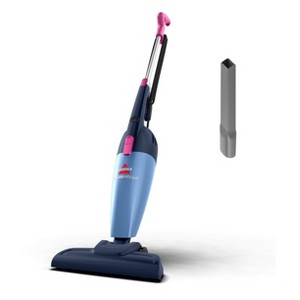
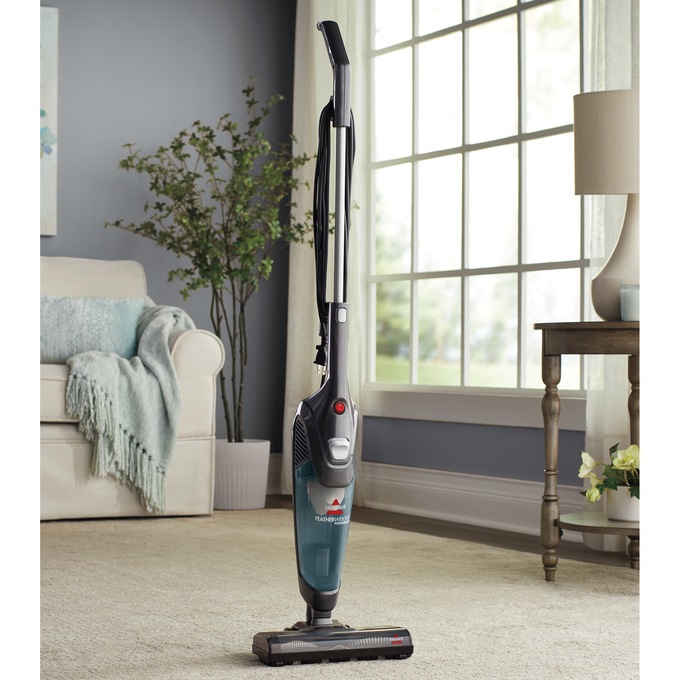
The Bissell Featherweight is a bagless stick vacuum. Its design is simple: air is pulled in through the cleaning head, dirt and dust are trapped by a filter, and the air is pushed out the other side. The power of the suction depends on how much air can move through the system without blockage.
If anything stops or slows down this airflow, suction drops. Most often, the problem is not with the motor but with things blocking the airflow path. Knowing this basic idea helps you understand where to look when your vacuum starts to lose power.
Common Reasons For Suction Loss
1. Full Or Clogged Dirt Cup
The dirt cup on the Featherweight is small. It fills up quickly, and when it is full, air cannot flow well. Even if the cup is not totally packed, fine dust can block the filter. Always empty the dirt cup after each use, especially if you clean up lots of hair or dust.
2. Dirty Or Blocked Filter
One of the most frequent causes is a clogged filter. The Featherweight uses a washable foam filter. If the filter is covered in dust, the air cannot pass through. Washing the filter every few weeks, or more often if you use your vacuum a lot, is important.
- Wash the filter with warm water.
- Squeeze gently to remove dust.
- Let it dry completely before you put it back.
If you put the filter in while it is still wet, it can cause mold or even damage the motor.
3. Blocked Air Path
Sometimes, small objects like hairpins, toy pieces, or clumps of dust can get stuck inside the vacuum’s tubes or the floor head. Even a small blockage can reduce suction a lot.
Check these common spots:
- The extension tube and crevice tool
- The connection points between parts
- The suction opening at the bottom
Remove any stuck objects with a long stick or a straightened wire hanger. Never use anything sharp that could damage the plastic.
4. Cracked Or Loose Hoses
The Bissell Featherweight uses short tubes to connect the parts. If a tube is cracked or a connection is loose, air escapes before it reaches the dirt cup. This is called an air leak. Check for cracks or loose fittings and push all parts together firmly.
5. Motor Issues
In rare cases, a weak motor can cause low suction. If you hear strange noises, smell burning, or the vacuum feels hot, unplug it right away. Most suction problems are caused by blockages, not the motor, but if you suspect a motor issue, contact Bissell support.
Step-by-step Troubleshooting Guide
You do not need to be a vacuum expert to solve most suction problems. Here’s a simple guide to finding and fixing the issue.
Step 1: Unplug And Inspect
Always unplug the vacuum first. This keeps you safe from electric shock and prevents damage.
Step 2: Empty The Dirt Cup
Remove the dirt cup and empty all debris. Even small amounts of hair or dust can reduce airflow.
Step 3: Wash The Filter
Take out the filter and shake off the dust. If it looks dirty, wash it with warm water. Let it dry completely before putting it back.
Step 4: Check For Blockages
Look inside all tubes and the floor head for stuck objects. Shine a flashlight to see better. Remove anything you find.
Step 5: Inspect For Cracks Or Leaks
Check all the plastic tubes for splits or cracks. Make sure all parts are clicked together tightly. If you find a crack, you may need to replace that part.
Step 6: Test The Suction
Put the vacuum back together and plug it in. If the suction is still weak, repeat the checks. If there is no improvement and you have tried everything, the motor might have a problem.
When To Replace Parts
Some parts of the Bissell Featherweight are designed to be replaced over time. Filters, for example, last for about 6 months to a year with regular use. If you wash your filter and it still does not let air through, it is time for a new one.
You can find replacement parts on the official Bissell website or from trusted retailers. Always use genuine Bissell parts for the best fit and performance.

Table: Common Causes Of Suction Loss
The following table summarizes the main causes and how to fix them.
| Cause | Symptoms | Solution |
|---|---|---|
| Full dirt cup | Less suction, cup looks full | Empty cup after each use |
| Clogged filter | Weak suction, dusty filter | Wash or replace filter |
| Blocked tubes | No debris picked up, noise change | Remove blockage with stick or hanger |
| Air leak | Hissing sound, parts loose | Check for cracks, secure parts |
| Motor problem | Burning smell, motor noise | Contact Bissell support |
Non-obvious Causes Most People Miss
Many users focus on the main dirt path but forget other parts that also affect suction.
1. Fine Dust Build-up In Small Crevices
Even if the main filter and cup are clean, fine dust can collect in the corners of the dirt cup, filter holder, or in the connection joints. Over time, this dust forms a layer that slowly blocks airflow. Use a small brush or compressed air to clean these spots.
2. Incorrect Assembly After Cleaning
Sometimes, after cleaning the vacuum, users reassemble it with the filter or cup not fully locked in place. Even a small gap can cause suction loss. Double-check that each part clicks or locks into position.
Table: Maintenance Frequency Guide
Regular maintenance keeps your Bissell Featherweight working well. Here’s a guide for how often to clean or check each part.
| Part | Action | Frequency |
|---|---|---|
| Dirt cup | Empty and wipe | Every use |
| Filter | Wash and dry | Every 2-4 weeks |
| Tubes | Check for blockages | Monthly or if suction drops |
| Connections | Inspect for cracks or leaks | Every 2 months |
| Motor | Listen for odd sounds | Ongoing |
Simple Upkeep Tips For Better Performance
- Always empty the dirt cup before it gets more than half full.
- Rinse the filter with water only—no soap, as it can damage the foam.
- Let filters dry for at least 24 hours before reuse.
- Store the vacuum in a dry place to prevent dust sticking inside.
- Check the floor head for tangled hair or threads, as these can also block airflow.
When It’s Time To Call For Help
Most suction problems can be fixed at home, but sometimes you need professional help. If you have checked everything and still have poor suction, or if you smell burning or see sparks, stop using the vacuum and contact Bissell support.
Using a vacuum with a damaged motor can be unsafe.
You can find more technical advice and contact information on the official Bissell Support page.
Table: Suction Level Comparison (before And After Cleaning)
To see how much cleaning helps, many users notice big changes in suction power after maintenance.
| Condition | Suction (approx.) | Cleaning Result |
|---|---|---|
| Dirty filter, full cup | Low (picks up only big debris) | Weak cleaning |
| Clean filter, empty cup | High (picks up fine dust & hair) | Strong cleaning |
Frequently Asked Questions
Why Does My Bissell Featherweight Vacuum Lose Suction So Quickly?
If your vacuum loses suction after only a short time, the dirt cup or filter is probably filling up fast. This can happen if you are picking up lots of fine dust, pet hair, or sand. Clean the filter and empty the cup after every use to prevent this problem.
How Often Should I Wash The Bissell Featherweight Filter?
Wash the filter every 2–4 weeks if you use your vacuum often. If you have pets or allergies, you may need to wash it more often. Always let the filter dry completely before putting it back.
Can I Use Soap To Clean The Filter?
Do not use soap or cleaners on the foam filter. Only use warm water. Soap can leave a residue that attracts dust and may damage the filter. Squeeze out extra water and let it dry for a full day before reuse.
What Should I Do If I Can’t Find A Blockage, But Suction Is Still Weak?
If you have checked and cleaned the dirt cup, filter, and tubes, but the vacuum still does not suck well, check for air leaks at the joints. If everything looks fine and it still does not work, the motor may be weak. Contact Bissell support for help.
Is It Worth Replacing The Filter Or Should I Buy A New Vacuum?
Replacing a filter is much cheaper than buying a new vacuum. Filters cost just a few dollars and can make a big difference. Only consider a new vacuum if your motor is damaged and the cost of repair is more than a new unit.
The Bissell Featherweight is a reliable tool for small cleaning jobs. If you notice it losing suction, check the filter, cup, and tubes before worrying about bigger issues. Most problems are simple to fix at home, saving you money and keeping your vacuum running for years. Regular maintenance not only solves most suction problems but also extends the life of your vacuum. With these practical tips, you can enjoy strong, steady suction every time you clean.

