

A burning smell usually means friction, overheating, dust buildup, or a worn part inside the vacuum.
If your stick vacuum smells like burning, it is trying to tell you something is wrong. I’ve seen this happen in real use more times than I can count, and it usually comes down to a small issue that gets worse if you keep running the machine. In this guide, I’ll walk you through the most common causes, how to check them safely, and what to do before a minor odor turns into a bigger repair.
Why your stick vacuum smells like burning
A stick vacuum smells like burning when heat builds up faster than the machine can cool itself. That heat may come from the motor, the brush roll, the belt, clogged filters, or even something stuck in the nozzle. A dusty, hot smell is often a warning sign, not just a normal smell from regular use.
In many cases, the odor is temporary. For example, new vacuums can give off a light “new appliance” smell for a short time. But if the smell is strong, sharp, or keeps coming back, your stick vacuum smells like burning for a reason that needs attention.
Here’s the simple rule I follow: if the vacuum smells hot but still works, stop and check it. If it smells like melting plastic, unplug it right away. That habit has saved me from a few expensive mistakes.
Common reasons a stick vacuum smells like burning
The good news is that the cause is often easy to find. The bad news is that most people keep vacuuming until the smell gets worse. That can overheat the motor and damage parts that would have been fine with a quick cleaning.
1. Clogged filters or airflow blockages
When airflow is blocked, the motor works harder. That extra strain creates heat, and heat can make your stick vacuum smell like burning. Clogged filters are one of the most common reasons this happens.
Check for dust, hair, lint, and pet fur in these spots:
• Pre-motor filters
• Post-motor filters
• Dust cup
• Wand
• Hose or airway openings
• Floor head inlet
In my experience, a vacuum can seem fine one minute and smell bad the next if the filter is packed tight. Cleaning or replacing filters often solves the problem fast.
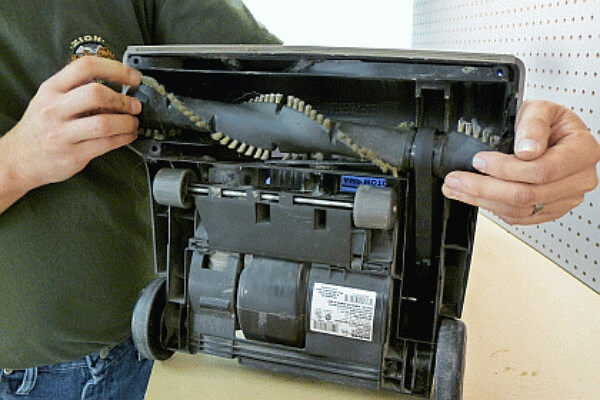
2. A jammed brush roll
Hair, thread, string, and carpet fibers can wrap around the brush roll. When the brush cannot spin freely, the motor and belt have to work harder. That creates friction, which often smells like burning rubber or hot plastic.
This is especially common if you vacuum pet hair or long hair often. I once found a brush roll so packed with hair that it had turned into a tight little rope. The smell disappeared after I cut the hair out and cleaned the roller.
3. Overheated motor
If your stick vacuum smells like burning and shuts off, the motor may be overheating. Most modern vacuums have thermal protection, so they turn off before serious damage happens. That is a good safety feature, but it also means the machine is under stress.
Overheating can happen because of:
• Dirty filters
• Too much debris in the bin
• Blocked airflow
• Long cleaning sessions without breaks
• Weak batteries in cordless models
Let the vacuum cool before restarting it. If the odor comes back right away, the problem is not just heat from use.
4. Belt friction or belt damage
Some stick vacuums use a belt to drive the brush roll. If the belt is stretched, slipping, cracked, or rubbing incorrectly, it can smell like burning rubber. This smell is often stronger near the floor head.
A bad belt may also cause:
• Weak brush roll movement
• A loud squeal
• Poor pickup on carpet
• Intermittent brush stop-start motion
If your stick vacuum smells like burning and the brush does not spin well, the belt is worth checking first.
5. Dirt, debris, or a foreign object stuck inside
A small object can block the impeller, fan, or brush path. Coins, paper clips, LEGO pieces, pet toys, and hard crumbs can all cause trouble. Even a tiny blockage can create drag and heat.
I’ve seen vacuums smell hot because a stray sock piece got pulled into the nozzle. The vacuum still ran, but only barely. Once removed, the smell went away almost instantly.
6. Electrical problems
Sometimes a burning smell points to an electrical issue inside the unit. Worn wires, damaged connectors, failing motor brushes, or a bad battery can create a sharp electrical odor. This is less common than airflow problems, but it is more serious.
If the smell is more like melting plastic, ozone, or scorched wiring, stop using the vacuum. Electrical odors should not be ignored.
7. A new vacuum breaking in
A brand-new stick vacuum may smell a little strange during the first few uses. That can happen as dust from packaging, adhesives, or manufacturing oils heat up. Usually, that smell fades after a short break-in period.
Still, there is a difference between a mild new-product smell and a true burning odor. If the smell is strong or lasts longer than a few sessions, treat it like a problem.
How to tell what the burning smell means
Not every burning smell means the same thing. The scent can give you clues about what is wrong. Paying attention to the smell helps you narrow down the issue faster.
• Burning dust smell: Often caused by dirt buildup, a full dust cup, or dirty filters
• Burnt rubber smell: Common with a slipping belt or jammed brush roll
• Hot plastic smell: May point to melted parts, friction, or electrical heat
• Sharp electrical smell: Can mean wiring, motor, or battery trouble
I always tell people to trust the smell. It may sound odd, but your nose is often the first warning system. If your stick vacuum smells like burning, the odor pattern can help you figure out where to look first.
What to do right away if your stick vacuum smells like burning
The safest move is to stop using it for a moment. Running it longer usually makes the problem worse. A short inspection now can prevent a bigger repair later.
Follow these steps:
-
Turn off and unplug the vacuum
Safety comes first. If it is cordless, switch it off and remove the battery if possible. -
Let it cool down
Give it 20 to 30 minutes before touching hot parts. Motors, brush heads, and belts can stay warm for a while. -
Empty the dust bin
A packed bin reduces airflow and can trap heat. -
Check the filters
Wash or replace them if they are dirty. Make sure they are fully dry before reinstalling. -
Inspect the brush roll
Remove hair, string, and anything wrapped around it. -
Look for blockages
Check the wand, nozzle, and air path for debris. -
Smell each area
The brush head, motor housing, and battery area can help you locate the source.
If the smell stays after basic cleaning, stop and look deeper. Repeated burning smells are not something to “wait out.”
How to clean a stick vacuum the right way
Regular cleaning keeps your vacuum cooler and helps it last longer. This is one of the simplest ways to prevent your stick vacuum from smelling like burning. A clean vacuum moves air better, and better airflow means less heat.
Try this maintenance routine:
• Empty the bin after each use if you vacuum a lot of dust or pet hair
• Clean filters on the schedule the manufacturer recommends
• Remove hair from the brush roll every week or two
• Check the floor head for wrapped debris
• Wipe dust from vents and outer vents
• Inspect the wand and inlet openings for clogs
A lot of people think suction loss is the only sign of buildup. It is not. Smell is often the earlier clue.
When the smell means you should stop using the vacuum
Some odors are normal and go away. Others are red flags. Knowing the difference can protect your vacuum and your home.
Stop using it if you notice:
• A strong burning smell that does not fade
• Smoke or visible melting
• A loud buzzing or grinding sound
• The vacuum keeps shutting off
• The battery feels hot to the touch
• The brush roll stops spinning completely
• The odor smells electrical, not dusty
If the vacuum is still under warranty, check the terms before opening it too far. Some repairs are better left to the manufacturer or a trained technician. That is especially true for battery packs and internal motor parts.
Can a burning smell come from the battery?
Yes. On cordless models, the battery can be part of the problem. A failing lithium-ion battery may get hot, lose power fast, or give off an unusual odor. If the battery area feels warm, swelling is visible, or the smell seems to come from the pack itself, stop using the vacuum.
Battery problems need extra care. Do not keep charging a battery that seems damaged or smells strange. If you suspect battery trouble, contact the brand’s support team or a service center.
How to prevent your stick vacuum from smelling like burning
Prevention is much easier than repair. Most burning smells come from poor airflow, buildup, or wear that has been ignored too long. A few small habits can make a big difference.
• Clean the filter often
• Empty the bin before it gets packed
• Keep the brush roll free of hair and string
• Do not vacuum large hard objects
• Avoid long cleaning sessions without breaks
• Store the vacuum in a dry place
• Use the right setting for carpet and hard floors
• Replace worn belts, filters, and brush parts on time
I’ve learned that vacuums are like cars in one important way: small maintenance saves big headaches. If you keep the airflow path clear, your stick vacuum will usually run cooler, quieter, and longer.
Is it safe to keep using a vacuum that smells hot?
Sometimes, but only briefly. If the smell is mild, the machine is clean, and the odor goes away after cooling, you may just be dealing with normal heat or dust burn-off. But if your stick vacuum smells like burning again and again, it is not safe to ignore.
The safest mindset is simple: a vacuum should not smell like it is cooking itself. If it does, something is wrong, even if it still seems to work.
Frequently Asked Questions
Why does my stick vacuum smell like burning after cleaning?
A burning smell after cleaning usually means dust, hair, or a small clog is still inside the machine. It can also happen if the filter is dirty or the brush roll is wrapped too tightly.
Why does my stick vacuum smell like burning rubber?
That smell often comes from a slipping belt or a brush roll that cannot spin freely. Hair, string, or a jammed roller can create enough friction to make rubber smell hot.
Why does my stick vacuum smell like burning when I use it on carpet?
Carpet puts more load on the brush roll and motor. If the settings are too high, the brush is clogged, or airflow is blocked, the vacuum can heat up faster on carpet than on hard floors.
Can a dirty filter make my stick vacuum smell like burning?
Yes. A dirty filter blocks airflow and makes the motor work harder, which creates heat. In many cases, cleaning or replacing the filter solves the smell.
Should I keep using my stick vacuum if it smells hot?
Only if the smell is mild and goes away quickly after cooling. If the odor is strong, repeated, or smells like melting plastic or electrical heat, stop using it and inspect the vacuum.
How do I know if the motor is damaged?
Signs include a persistent burning smell, unusual noise, weak suction, or the vacuum shutting off often. If basic cleaning does not help, the motor may need professional service.
Conclusion
A stick vacuum smells like burning for a few common reasons: clogs, dirty filters, jammed brush rolls, belt friction, overheating, or electrical trouble. In most cases, the fix starts with simple cleaning and a careful inspection. The key is to act early, because the longer you ignore the smell, the more likely you are to damage the motor or battery.
If your stick vacuum smells like burning, take it seriously, clean it well, and stop using it if the odor keeps coming back. A little maintenance now can save you from a costly repair later. If this guide helped you, explore more home care tips, share your experience, or leave a comment with the symptom you noticed.

