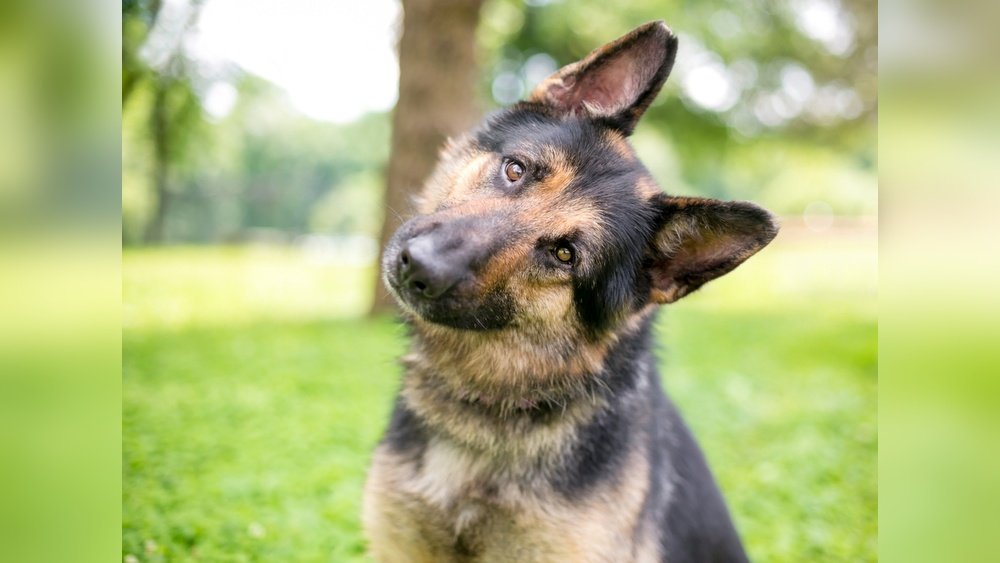
Have you ever caught your dog tilting its head and wondered what’s going on inside that curious little mind? That adorable tilt isn’t just cute—it’s your dog’s way of trying to understand you better.
But why exactly do dogs do this? Is it a sign of confusion, curiosity, or something else entirely? If you want to unlock the mystery behind your dog’s head tilt and connect with your furry friend on a deeper level, keep reading.
You’ll be surprised at what this simple gesture can reveal about how your dog experiences the world around them.
Common Reasons For Head Tilting
Dogs tilt their heads for different reasons. This behavior often shows their feelings or helps them understand the world better. Recognizing why your dog tilts its head can improve your connection.
Below are some common reasons dogs do this. Each one reveals something about their thoughts or senses.
Listening More Closely
Dogs tilt their heads to catch sounds better. This helps them locate where sounds come from. Their ears adjust to hear faint noises clearly. It shows they pay close attention to sounds around them.
Curiosity And Attention
Head tilting can signal curiosity. Dogs do this when something is new or unusual. It also shows they focus on you or an object. This simple move is their way of understanding better.
Trying To See Better
Sometimes dogs tilt their heads to see things clearly. Their nose or muzzle might block their view. Tilting the head changes their angle for a better look. This helps them spot small or hidden items.

Health-related Causes
Dogs tilt their heads for many reasons. Some relate to health problems. These causes need attention from pet owners. Understanding these health issues helps you care for your dog better.
Ear Infections
Ear infections cause discomfort and pain. Dogs may tilt their heads to ease the pain. Infections can make ears itchy or swollen. Watch for scratching or shaking of the head. Ear infections need treatment to stop worsening.
Vestibular Disease
Vestibular disease affects a dog’s balance. This can cause head tilting and loss of coordination. Dogs may stagger or fall over. It often appears suddenly and can scare pet owners. Veterinary care is important for diagnosis and support.
Dental Problems
Dental pain can cause a head tilt. Problems like tooth abscesses or gum disease cause discomfort. Dogs may hold their head oddly to reduce pain. Check your dog’s mouth regularly for signs of trouble. Dental care helps avoid this health issue.
Behavioral And Emotional Factors
Dogs tilt their heads for many reasons. Some of these reasons are about their feelings and behavior. Understanding these reasons helps us connect better with our pets. It shows how dogs communicate without words.
Seeking Interaction
Dogs tilt their heads to get your attention. This gesture often invites you to engage with them. It shows they want to play or be petted. This simple act builds a bond between you and your dog.
Responding To Sounds
Dogs have sharp hearing. They tilt their heads to find where a sound comes from. This helps them understand noises better. It also shows they are curious and alert to their surroundings.
Expressing Confusion
When dogs hear a strange word or see something new, they may tilt their heads. This shows they are trying to understand what is happening. The tilt means they are puzzled but interested in learning.
Breed-specific Tendencies
Some dog breeds tend to tilt their heads more often than others. This behavior can be linked to their unique physical and genetic traits. Understanding these breed-specific tendencies helps explain why your dog might tilt its head. It also shows how breed traits influence this cute and curious action.
Head tilting often helps dogs hear better or see something more clearly. Certain breeds have shapes and features that make tilting their heads more useful or natural. These traits come from their breed’s history and genetics.
Breeds Prone To Head Tilting
Small dog breeds like Cocker Spaniels and Dachshunds often tilt their heads. Their ear shapes and sizes make tilting helpful to catch sounds. Breeds with floppy ears, such as Beagles, also show this behavior more. Their ears can cover sounds unless the head is tilted.
Terriers and some herding dogs may tilt their heads due to their alert nature. They try to understand sounds or movements better. Breeds like Border Collies and Australian Shepherds use head tilting as part of their attentive behavior.
Genetic Influences
Genes play a role in how often a dog tilts its head. Some breeds inherit traits that make this behavior common. These traits include ear shape, skull structure, and even brain wiring.
Dogs with certain genetic lines may be more curious or sensitive to sounds. This sensitivity encourages head tilting. The behavior can also be a way to communicate or focus better on stimuli.
When To See A Vet
Not every dog head tilt needs a vet visit. Sometimes, dogs tilt their heads out of curiosity or to hear better. But certain signs show your dog needs a professional checkup. Watching closely helps keep your dog safe and healthy.
Identifying Concerning Symptoms
Look for balance problems or repeated tilting. Sudden head tilts with vomiting or shaking are worrying. Notice if your dog has loss of appetite or weakness. Strange eye movements or drooling also need attention. These signs may mean an ear infection or other illness.
Diagnostic Procedures
The vet will examine your dog’s ears and nervous system. They may check for infections or injury. Blood tests or X-rays help find hidden problems. Sometimes, a hearing test or neurological exam is needed. Early diagnosis can prevent serious issues.
Treatment Options
Treatment depends on the cause of the head tilt. Ear infections need medicine or cleaning. Injuries may require pain relief or therapy. Some conditions need surgery or long-term care. Following the vet’s advice helps your dog recover fast.
How To Respond To Head Tilting
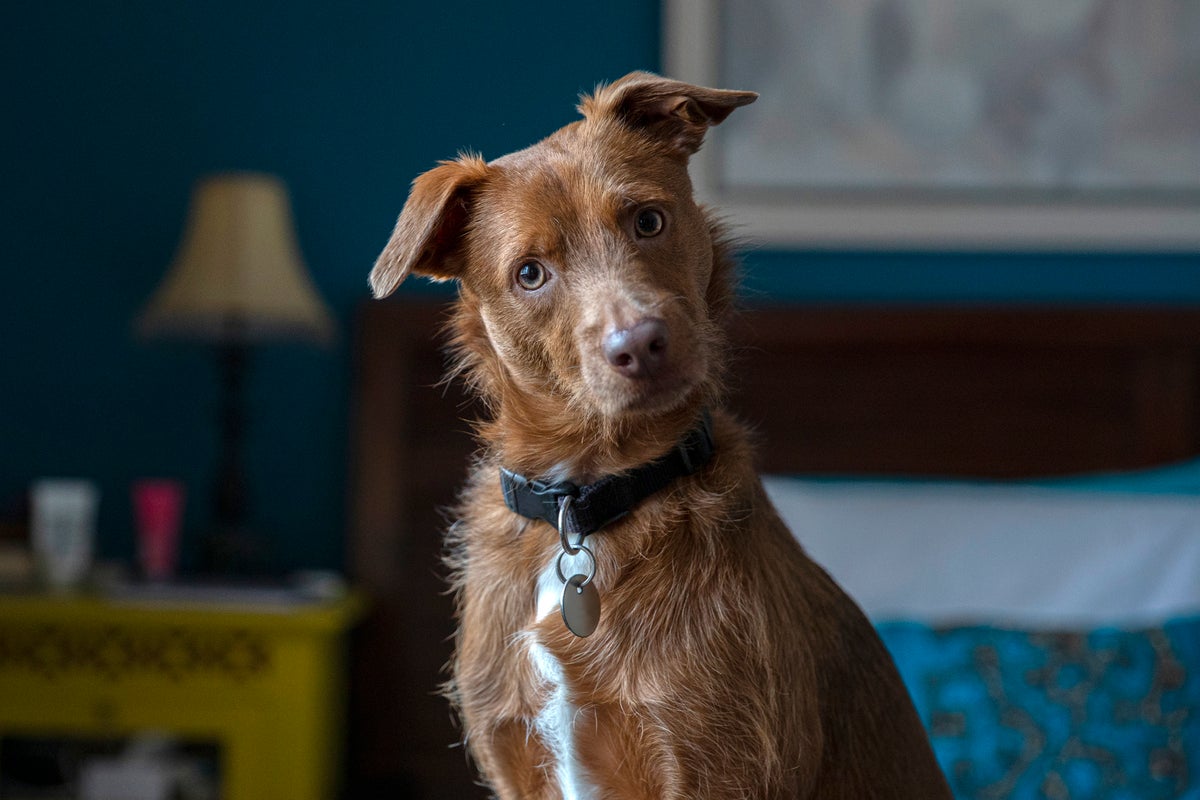
Understanding how to respond to your dog’s head tilting helps build better communication. This behavior can be a sign of curiosity, confusion, or even health issues. Your reaction influences how your dog feels and behaves.
Encouraging Positive Behavior
When your dog tilts its head, respond with gentle praise. Use a calm voice to show you appreciate the gesture. Offer a small treat or pet softly to encourage this curious behavior. This helps your dog feel safe and understood.
Avoiding Negative Reactions
Do not scold or ignore your dog’s head tilt. Negative reactions can make your dog anxious or confused. Avoid loud noises or sudden movements that might scare your pet. Stay patient and calm to maintain trust.
Monitoring Your Dog’s Health
Watch for frequent or unusual head tilting. It may indicate ear infections or balance problems. Check for other signs like scratching, redness, or discharge. Consult a vet promptly if you notice anything concerning.

Frequently Asked Questions
Why Does My Dog Tilt Its Head When I Talk?
Dogs tilt their heads to better hear and locate sounds. This behavior helps them understand your voice and tone clearly. It also shows their curiosity and attentiveness to what you say. Head tilting enhances their ability to process auditory information effectively.
Is Head Tilting A Sign Of Dog’s Curiosity?
Yes, head tilting often indicates curiosity. Dogs tilt their heads to focus on unfamiliar sounds or sights. This gesture helps them gather more information about their environment. It’s a natural way for dogs to show interest and engage with new stimuli.
Can Head Tilting Indicate A Health Problem?
Sometimes, head tilting may signal ear infections or neurological issues. If your dog tilts its head frequently and shows discomfort, consult a vet. Early diagnosis can prevent serious problems. Monitor your dog’s behavior for other symptoms like scratching or balance loss.
How Does Head Tilting Improve A Dog’s Hearing?
Tilting the head changes ear position to capture sound better. This adjustment helps dogs pinpoint the exact location of noises. It also reduces ear obstruction, enhancing their hearing clarity. This natural behavior improves their ability to interpret sounds accurately.
Conclusion
Dogs tilt their heads for many reasons. They may want to hear better or see something clearly. Sometimes, it shows curiosity or helps them understand you. It can also be a way to express feelings or catch your attention. Watching this behavior helps you connect with your dog.
Always pay attention if the tilting seems unusual or frequent. It might mean a health problem. Understanding why your dog tilts its head makes your bond stronger. Keep enjoying those cute, curious moments together.