Have you ever caught yourself wondering, “Why does my dog sleep so much?” If your furry friend seems to snooze the day away, you’re not alone.
Dogs do spend a lot of time sleeping, but understanding why can help you make sure your pet is happy and healthy. You’ll discover the surprising reasons behind your dog’s long naps and learn when their sleep habits might be a sign to pay closer attention.
Keep reading—your dog’s well-being depends on it!
Normal Dog Sleep Patterns
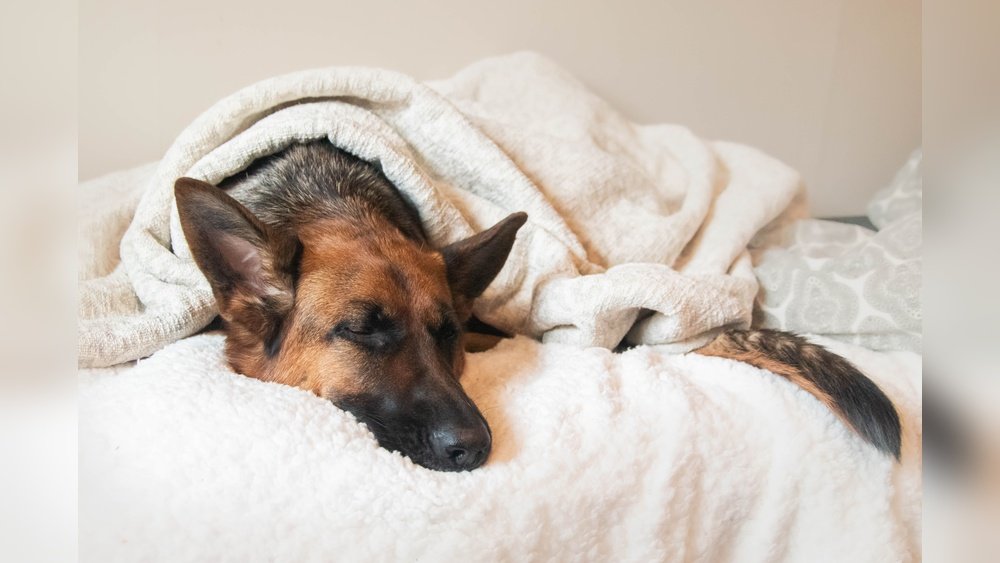
Dogs spend a lot of time sleeping every day. This is normal and healthy for them. Understanding their sleep patterns helps you know why your dog sleeps so much. Dogs have different sleep needs than humans. Their sleep is broken into many short naps throughout the day.
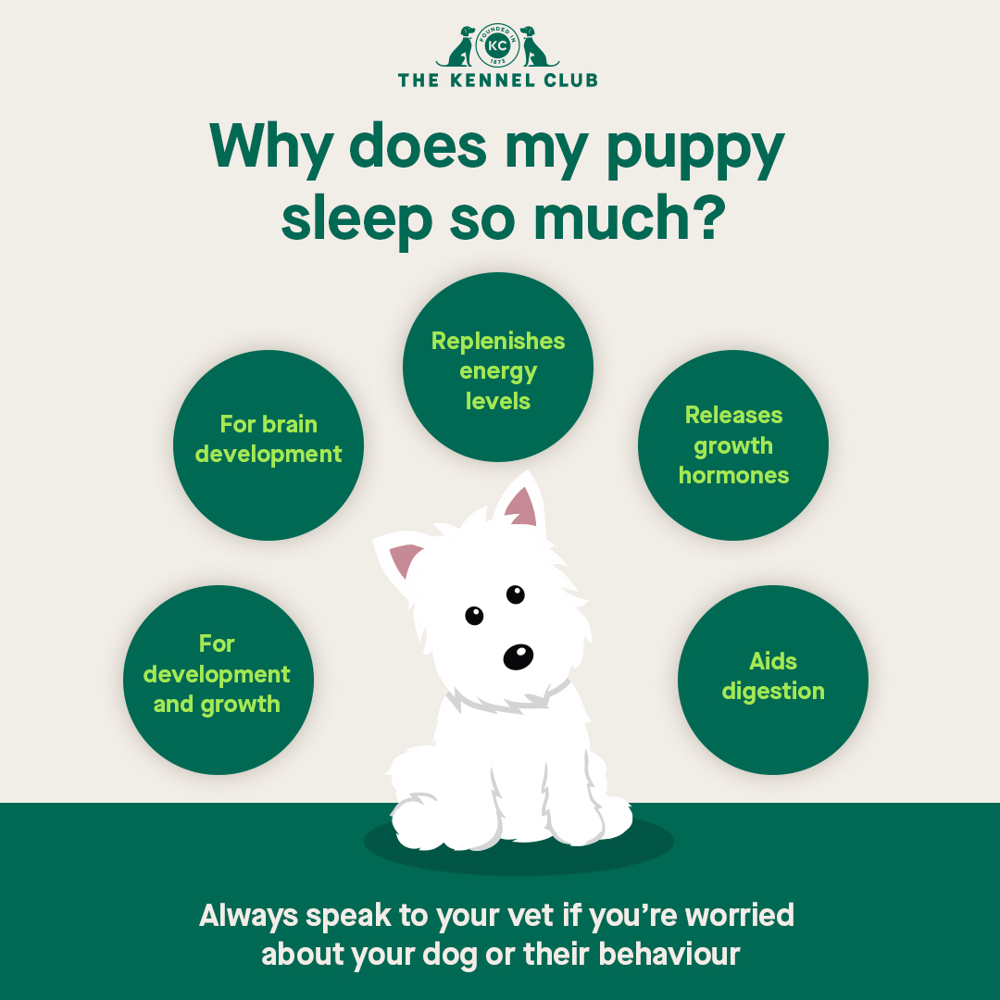
Sleep helps dogs grow, heal, and stay alert. It also supports their brain and body functions. Watching how your dog sleeps can give clues about their health and mood.
Typical Sleep Duration By Age
Puppies sleep the most. They need 18 to 20 hours of sleep daily. This helps them grow strong and healthy. Adult dogs usually sleep 12 to 14 hours each day. Older dogs tend to sleep more, around 16 to 18 hours. Age affects how much rest your dog needs.
Sleep Cycles In Dogs
Dogs do not sleep in long stretches like humans. They take many short naps throughout the day. Their sleep cycles last about 15 minutes each. Dogs move between light sleep and deep sleep quickly. During deep sleep, they may twitch or dream. These cycles help dogs stay ready for action.
Breed And Size Influence
Breed and size play a key role in how much a dog sleeps. Different breeds have different energy levels and needs. Size also affects their rest time. Understanding these factors helps explain why your dog may sleep a lot.
Dogs come in many shapes and sizes. Each has unique habits and sleep patterns. Some breeds need more rest to recover from their daily activity. Others stay calm and sleep less.
Large Breeds And Extra Sleep
Large dog breeds often need more sleep than small ones. Big bodies use more energy even at rest. Their muscles and joints take longer to recover. This makes extra sleep important for them.
Breeds like Saint Bernards, Great Danes, and Mastiffs usually sleep 12 to 14 hours daily. They rest deeply to keep their bodies healthy. Extra sleep helps them grow strong and stay active.
Active Breeds Vs. Relaxed Breeds
Active breeds tend to sleep less during the day. They burn a lot of energy playing and running. Breeds like Border Collies and Jack Russell Terriers stay alert and busy. Their sleep is often shorter but more restful.
Relaxed breeds, such as Bulldogs and Basset Hounds, prefer longer naps. They conserve energy and enjoy calm times. These dogs sleep more because their lifestyle is less active.
Health-related Causes
Dogs may sleep more than usual because of health problems. Sleep helps them heal and regain energy. Sometimes, illness or pain causes extra rest. Understanding health-related reasons helps you care better for your dog.
Watch your dog closely. Changes in sleep can signal health issues. Early notice can lead to faster help and comfort.
Common Illnesses Affecting Sleep
Many illnesses make dogs tired. Infections like kennel cough or flu can cause more sleep. Chronic diseases such as diabetes or kidney problems also lead to fatigue. These illnesses drain energy and increase rest time.
Parasites like fleas or ticks can disturb sleep, making dogs tired during the day. Regular vet checks can catch these problems early.
Impact Of Pain And Discomfort
Pain makes dogs restless and tired. Arthritis or injury often causes this. Dogs may sleep more to avoid moving. Discomfort can lower their energy and mood.
Look for signs like limping or whining. These clues show your dog needs help. Treating pain improves sleep and quality of life.
Role Of Medications
Some medicines cause drowsiness in dogs. Drugs for allergies, infections, or anxiety often make pets sleep more. Side effects vary by medicine and dog.
Always follow vet instructions. Never change doses without advice. If sleepiness seems too much, discuss it with your vet.

Emotional And Behavioral Factors
Dogs, like humans, are affected by their feelings and habits. Emotional and behavioral factors can change how much your dog sleeps. Sometimes, these feelings cause dogs to rest more than usual. Understanding these reasons helps you care for your dog better.
Stress And Anxiety Effects
Stress and anxiety can make dogs sleep more. Loud noises, new places, or changes at home can cause stress. When anxious, dogs often hide or sleep to feel safe. This extra sleep helps them cope with worries.
Boredom And Lack Of Stimulation
Dogs need mental and physical activity daily. Without enough playtime or attention, they get bored. Bored dogs may sleep more to pass time. Keeping your dog active reduces unnecessary sleeping and improves happiness.
Depression In Dogs
Dogs can feel sad or depressed, just like people. Loss of a friend or a big change can cause this. Depressed dogs often sleep longer and lose interest in play. Watching for these signs helps you support your dog’s health.
Lifestyle And Environment
Your dog’s lifestyle and environment play a big role in how much they sleep. These factors affect their energy levels and comfort. Understanding these can help you know why your dog may sleep so much.
Exercise Levels And Sleep Needs
Dogs need exercise to stay healthy and happy. Active dogs use more energy and need more rest to recover. If your dog gets little exercise, they may sleep more out of boredom. Regular walks and playtime balance their sleep and awake time well.
Sleep Environment Comfort
A quiet, comfortable place helps your dog sleep better. Dogs prefer a soft bed in a calm area. Too much noise or light can disturb their rest. Check if their sleeping spot is cozy and safe. A good sleep environment reduces restless nights.
Diet And Nutrition Impact
What your dog eats affects their energy and sleep. A balanced diet gives steady energy throughout the day. Poor nutrition can cause fatigue, making dogs sleep more. Fresh water and healthy food support their overall well-being and sleep patterns.
When To Consult A Vet
Dogs sleep a lot, but too much sleep can signal a problem. Knowing when to see a vet helps protect your dog’s health. Watch your dog closely for unusual sleep patterns or behaviors. Early care can prevent serious illness.
Signs Of Excessive Sleepiness
Does your dog seem tired all the time? Look for signs like difficulty waking up or low energy. If your dog sleeps more than 16 hours daily, it might be a concern. Notice if your dog is less playful or less interested in food. These signs show your dog needs medical attention soon.
Sleep Changes To Watch For
Sudden changes in sleep habits are a red flag. Your dog may start sleeping at odd times or in strange places. Pay attention if your dog snores loudly or breathes irregularly. Restlessness during sleep or frequent waking can indicate health issues. Keep a record of these changes to share with your vet.
Frequently Asked Questions
Why Does My Dog Sleep More Than Usual?
Dogs may sleep more due to age, boredom, or health issues. Older dogs naturally rest more. If sleep increases suddenly, consult a vet to rule out illness.
How Many Hours Do Dogs Typically Sleep Daily?
Dogs generally sleep 12 to 14 hours per day. Puppies and older dogs can sleep up to 18 hours. Sleep needs vary by breed and activity level.
Can Excessive Dog Sleep Indicate Health Problems?
Yes, excessive sleep can signal health issues like infections or hypothyroidism. Monitor behavior and appetite. Seek veterinary advice if your dog is unusually lethargic.
Does Breed Affect How Much A Dog Sleeps?
Yes, larger breeds and working dogs often need more sleep. Small breeds may be more active. Breed influences energy levels and resting habits.
Conclusion
Dogs need lots of sleep to stay healthy and happy. Sleep helps them grow, heal, and have energy. Different dogs need different amounts of rest. Older dogs and puppies usually sleep more than adults. Watch your dog’s behavior for signs of illness or stress.
A tired dog is often a calm dog. Give your pet a quiet, cozy place to rest. Understanding your dog’s sleep helps you care for them better. Sleep is normal, but always check if you notice big changes. Your dog’s well-being depends on good rest and love.