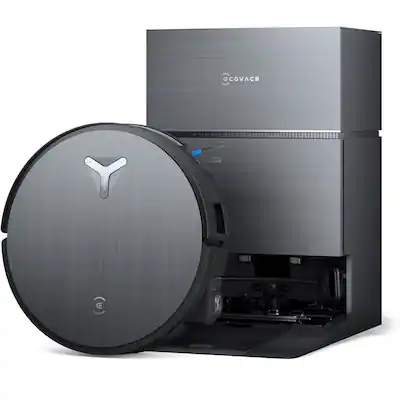
If you live in a large home, keeping every room clean can feel like a never-ending task. Dust settles fast, pet hair builds up, and crumbs appear out of nowhere. Choosing the right vacuum for a big house is not just about picking the strongest machine—it’s about finding one that fits your space, your needs, and your cleaning habits. Many vacuums are powerful but may not be practical for a home with several floors, long hallways, and mixed surfaces. In this guide, we’ll help you understand what really matters when choosing the best vacuum for large homes. You’ll discover key features, compare popular models, and learn insider tips that most buyers overlook.
What Makes A Vacuum Ideal For Large Homes?
A big house means bigger cleaning challenges. You need a vacuum that can handle lots of square footage, different flooring types, and possibly stairs. Here are the most important features to look for:
- Strong suction power: Large homes often have deep carpets and wide areas. Suction strength is key for removing dirt from thick rugs and hardwood floors.
- Large dustbin or bag capacity: Emptying the bin every few minutes is frustrating. Look for a vacuum with at least a 1-liter dustbin or a large bag.
- Long cord or battery life: For corded models, a cord length of 25 feet or more is ideal. For cordless vacuums, aim for a battery life of at least 40 minutes per charge.
- Versatile attachments: Large homes often have stairs, furniture, and tight corners. A vacuum should include tools for these jobs—like crevice tools and upholstery brushes.
- Lightweight design or easy maneuverability: Dragging a heavy vacuum up and down stairs is tiring. Choose a model that’s under 18 pounds or has swivel steering.
- HEPA filtration: If anyone in your home has allergies, a HEPA filter traps dust and pollen.
Many buyers forget to check dustbin capacity and battery life. These two details can make a big difference in how efficient your cleaning routine feels.
Comparing Vacuum Types For Large Homes
Not all vacuums are made equal. Here’s how the main types compare when cleaning big spaces:
| Type | Best For | Pros | Cons |
|---|---|---|---|
| Upright | Carpeted rooms, quick cleaning | Strong suction, wide cleaning path | Heavy, less flexible |
| Canister | Mixed floors, stairs | Flexible hose, lighter body | Takes more storage space |
| Cordless Stick | Quick spot cleaning, hard floors | Lightweight, easy to move | Short battery life, smaller dustbin |
| Robot | Daily maintenance, open layouts | Automatic, time-saving | Not deep cleaning, can miss corners |
| Central | Whole-house cleaning | No heavy lifting, large capacity | High installation cost |
If you want deep cleaning for carpets and quick work on stairs, a canister vacuum is often the best choice. For daily surface cleaning, a robot vacuum is helpful but shouldn’t be your only cleaner.

Top Features That Matter Most
When shopping for the best vacuum for a large home, focus on these features—many are overlooked by new buyers:
Large Dustbin Or Bag
Vacuuming a big home means picking up lots of dirt. Models like the Shark Navigator Lift-Away offer a dustbin of over 1.2 liters, while many upright vacuums use bags that can hold up to 4 quarts. This means fewer stops to empty and more time cleaning.
Long Cord Or Battery Life
Corded vacuums should have cords at least 25 feet long. Some models, like the Hoover WindTunnel, have 30-foot cords. Cordless vacuums like the Dyson V15 Detect offer up to 60 minutes of battery life, enough for most large homes if you vacuum efficiently.
Adjustable Height And Power
Homes often have carpet and hard floors. Adjustable height settings ensure you get the best suction on every surface. Some vacuums also let you change the suction power, which helps when moving from rugs to tile.
Attachments For Furniture And Stairs
Most homes have areas that are hard to reach. Look for vacuums with:
- Crevice tools: For tight corners
- Upholstery brushes: For sofas and chairs
- Mini motorized heads: For stairs and car seats
Hepa Filtration
A vacuum with a HEPA filter can trap 99.97% of particles down to 0.3 microns. This is especially important in large homes, where dust and allergens build up fast.
Popular Vacuums For Large Homes: Model Comparison
Let’s compare some of the most recommended vacuums for big houses, using key specs:
| Model | Type | Dustbin/Bag Size | Cord/Battery | Weight | HEPA Filter |
|---|---|---|---|---|---|
| Dyson V15 Detect | Cordless Stick | 0.77 liters | 60 min battery | 6.8 lbs | Yes |
| Shark Navigator Lift-Away | Upright | 1.2 liters | 25 ft cord | 13 lbs | Yes |
| Miele Complete C3 | Canister | 4.76 qt bag | 24 ft cord | 19 lbs | Yes |
| Roomba i7+ | Robot | 0.5 liters | 120 min battery | 7.4 lbs | No |
| Hoover WindTunnel Max | Upright | 1.5 liters | 30 ft cord | 17 lbs | Yes |
Each model has strengths. The Dyson V15 Detect is great for fast cleaning and easy storage. The Miele Complete C3 is ideal for homes with lots of carpet and allergies. The Roomba i7+ handles daily touch-ups but should be paired with a manual vacuum for deeper cleaning.
Practical Tips For Cleaning Large Homes
Even the best vacuum won’t help if you use it inefficiently. Here are some practical tips:
- Divide your home into zones: Clean one area at a time, rather than trying to do everything at once.
- Vacuum high-traffic areas more often: Entryways, kitchens, and hallways get dirty faster.
- Change or empty the dustbin regularly: A full bin reduces suction and makes cleaning less effective.
- Use the right tool for the job: Switch attachments for stairs, curtains, and upholstery.
- Maintain your vacuum: Clean filters, check for blockages, and replace belts or batteries when needed.
Most people forget to clean their vacuum filter. A dirty filter lowers suction, so check it every month.
Common Mistakes When Buying For Large Homes
Many buyers focus only on price or brand. Here are mistakes to avoid:
- Buying a vacuum with a small dustbin: You’ll spend more time emptying it than cleaning.
- Ignoring cord length or battery life: Short cords and weak batteries mean stopping often to recharge or switch outlets.
- Choosing a model that’s too heavy: If you have stairs, weight matters. Lightweight models or canister vacuums are easier to carry.
- Forgetting about filtration: Cheap vacuums often skip HEPA filters, which are essential for allergy sufferers.
- Not checking attachments: Make sure the vacuum has tools for every job in your home.
.png)
How To Choose The Best Vacuum For Your Large Home
To make the best choice, follow these steps:
- Measure your cleaning area: How many square feet? Do you have stairs or multiple floors?
- List your main flooring types: Carpet, hardwood, tile, or mixed?
- Check your storage space: Do you have room for a big upright or canister vacuum?
- Decide on corded vs cordless: Corded vacuums offer unlimited runtime, but cordless are easier to move.
- Compare dustbin/bag size: For homes over 2,000 square feet, look for bins over 1 liter or bags over 4 quarts.
- Look for HEPA filtration: Especially if you have pets or allergies.
- Read real user reviews: Look for feedback from owners of large homes.
If you want more data-driven advice, the Consumer Reports website offers deep reviews and test results.
Are Central Vacuums Worth It?
For very large homes (over 3,000 square feet), a central vacuum system can be a smart investment. These systems use wall inlets connected to a central unit in the garage or basement. You plug a hose into each room’s inlet and vacuum without carrying a heavy machine.
Benefits of central vacuums:
- Huge dustbin capacity (up to 12 gallons)
- No need to carry a vacuum upstairs
- Powerful suction and deep cleaning
Drawbacks:
- High installation cost ($1,000–$3,000)
- Not portable—can’t use outside the home
- Needs professional maintenance
Central vacuums are popular in luxury homes but may be unnecessary for average-sized houses.
Vacuum Maintenance For Large Homes
A large home means more wear and tear on your vacuum. To keep it working well:
- Empty the dustbin after each use.
- Clean or replace filters every 1–3 months.
- Check hoses and brushes for blockages.
- Recharge batteries fully for cordless models.
- Inspect belts and replace if worn out.
Here’s a quick comparison of maintenance needs for different vacuum types:
| Vacuum Type | Filter Cleaning | Bag/Bin Emptying | Other Maintenance |
|---|---|---|---|
| Upright | Monthly | Weekly | Replace belts yearly |
| Canister | Monthly | Weekly | Check hoses quarterly |
| Cordless Stick | Monthly | After each use | Replace battery as needed |
| Robot | Monthly | Every 2–3 days | Update software |
| Central | Every 6 months | Monthly | Professional service yearly |
Many people overlook regular maintenance. A well-maintained vacuum lasts longer and cleans more efficiently.
Frequently Asked Questions
How Often Should I Vacuum A Large Home?
You should vacuum high-traffic areas like hallways and kitchens 2–3 times per week. Bedrooms and less-used rooms can be cleaned once a week. If you have pets, vacuum more often.
What Is The Best Vacuum For A Home With Stairs?
A canister vacuum or a lightweight cordless stick is best for stairs. Look for models with a mini motorized brush and easy-carry design.
Is A Robot Vacuum Enough For Large Homes?
Robot vacuums are great for daily maintenance. However, they can miss corners and do not deep clean carpets. Pair a robot vacuum with a manual upright or canister for full cleaning.
How Do I Know If A Vacuum Has Strong Suction?
Check the vacuum’s air watts or water lift rating. Higher numbers mean stronger suction. User reviews also mention real-life suction performance.
Should I Choose A Bagged Or Bagless Vacuum?
Bagged vacuums are better for allergies because they trap dust. Bagless models are easier to empty and cheaper over time. For large homes, bagged vacuums need fewer stops to empty.
Cleaning a large home is much easier when you have the right vacuum. Focus on dustbin size, cord or battery life, and strong suction. Don’t forget about attachments and filtration. With these tips, you’ll find a vacuum that keeps your big house spotless—without extra effort.