Are you a dog owner who wants to keep your furry friend healthy and happy? Knowing what vaccinations your dog needs is one of the most important steps you can take.
Vaccines protect your dog from serious diseases that can be costly and heartbreaking. But with so many options and opinions, it’s easy to feel confused or overwhelmed. You’ll discover exactly which shots are essential, when your dog should get them, and why they matter for your pet’s well-being.
Keep reading to make sure your dog stays safe and enjoys a long, vibrant life by your side.
Core Vaccines For Dogs
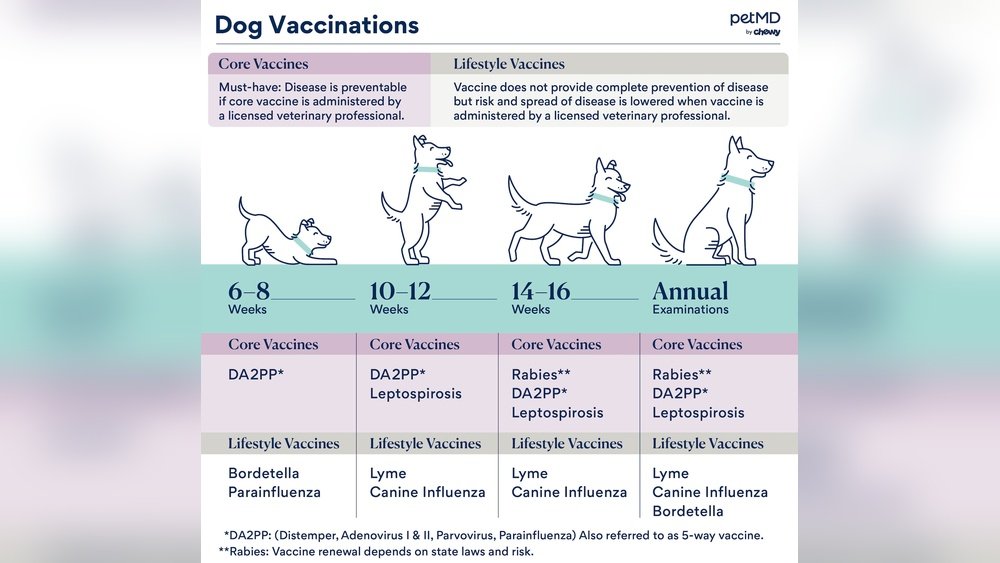
Core vaccines protect dogs from serious, common diseases. These vaccines are essential for every dog’s health. They help prevent illness and save lives. Puppies need these vaccines early. Adult dogs require regular boosters. Understanding these core vaccines helps you keep your dog safe.
Rabies Vaccine
Rabies is a deadly disease that affects the brain. It spreads through bites from infected animals. The rabies vaccine protects dogs and people. It is required by law in many places. Dogs usually get this vaccine once a year or every three years.
Distemper Vaccine
Distemper harms the respiratory and nervous systems. It spreads through coughing, sneezing, and contact with infected dogs. Symptoms include fever, cough, and seizures. The distemper vaccine is very effective. It keeps dogs from getting sick and spreading the virus.
Parvovirus Vaccine
Parvovirus attacks a dog’s intestines and blood cells. It causes severe vomiting and diarrhea. Puppies are most at risk. The parvovirus vaccine prevents this dangerous illness. It is part of the puppy’s first vaccine series and boosters later.
Adenovirus Vaccine
Adenovirus causes two main illnesses: hepatitis and respiratory disease. It spreads through saliva, urine, and feces. The vaccine protects dogs from liver damage and breathing problems. This vaccine is combined with distemper and parvovirus vaccines for easy administration.
Non-core Vaccines
Non-core vaccines are not needed for every dog. These shots depend on your dog’s lifestyle and risk of exposure. They protect against diseases found in specific areas or situations.
Talk with your vet about your dog’s habits and surroundings. This helps decide which non-core vaccines suit your dog best. Each vaccine targets a different disease your dog might face.
Bordetella Vaccine
Bordetella causes kennel cough, a common dog illness. Dogs in kennels, dog parks, or daycare are at risk. The vaccine helps reduce coughing and spread. It can be given as a shot or nasal spray.
Lyme Disease Vaccine
Lyme disease spreads through ticks in many regions. It causes fever, joint pain, and fatigue in dogs. The vaccine protects dogs living in or visiting tick areas. Regular tick prevention is important alongside vaccination.
Leptospirosis Vaccine
Leptospirosis is a bacterial infection from water or soil. It spreads through contact with infected animals’ urine. The vaccine shields dogs who swim or roam outdoors often. This disease can affect humans too.
Canine Influenza Vaccine
Canine influenza spreads quickly among dogs in close contact. It causes coughing, sneezing, and fever. Dogs in groups or travel frequently benefit from this vaccine. It helps lower illness severity and virus spread.
Puppy Vaccination Schedule
Puppy vaccination is key for strong health. A clear schedule helps protect puppies from many diseases early on. Vaccines build immunity step by step as puppies grow.
Following a proper vaccination plan keeps puppies safe and healthy. It also helps stop the spread of illness to other dogs and people.
Initial Shots
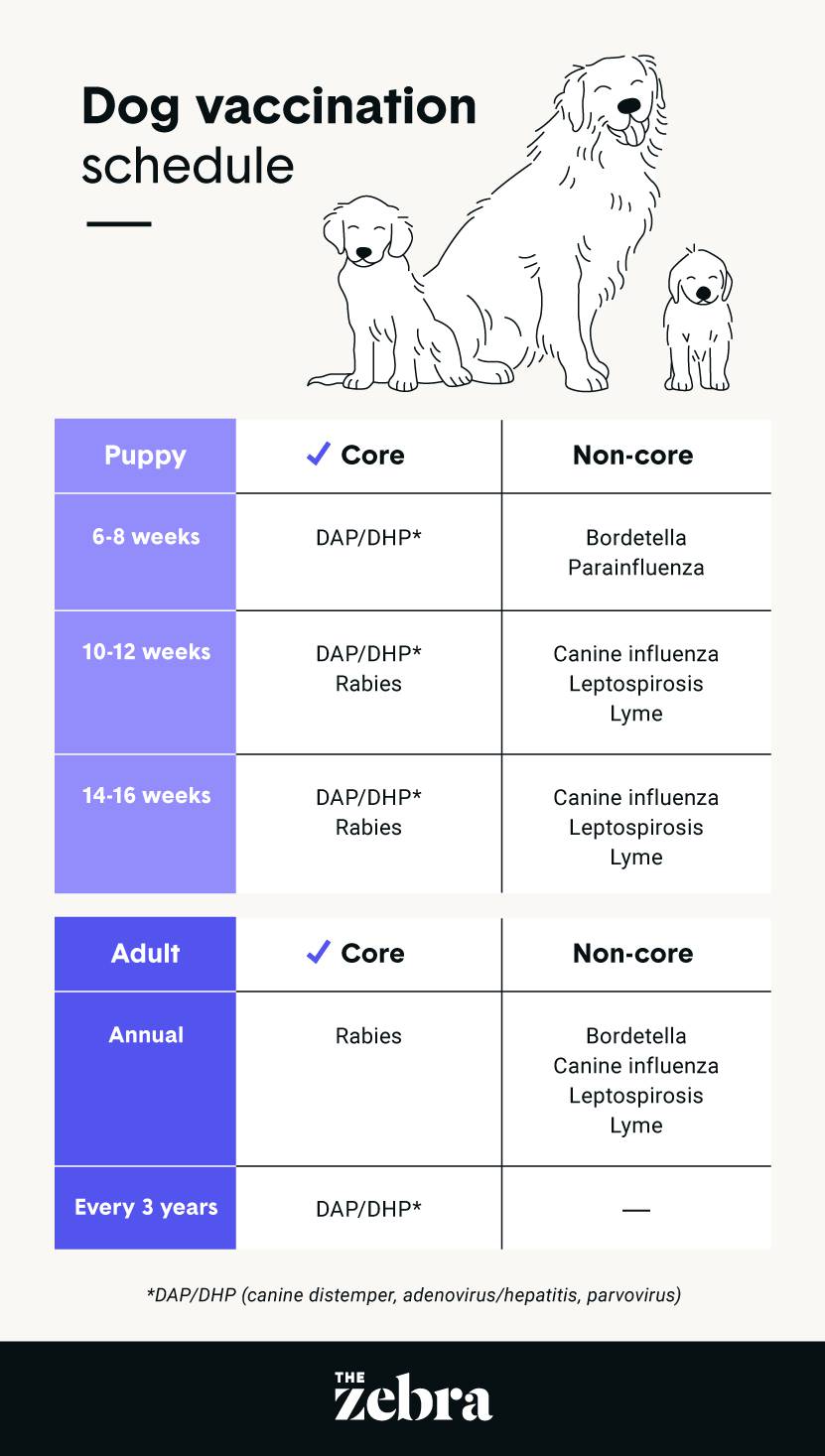
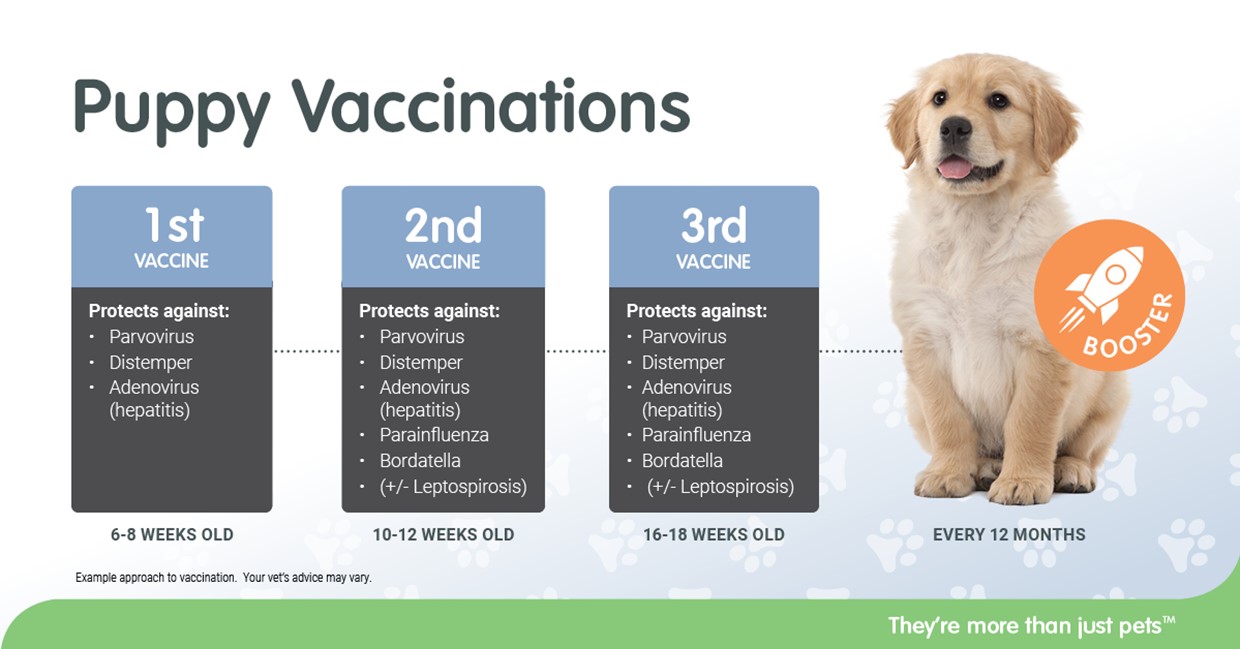
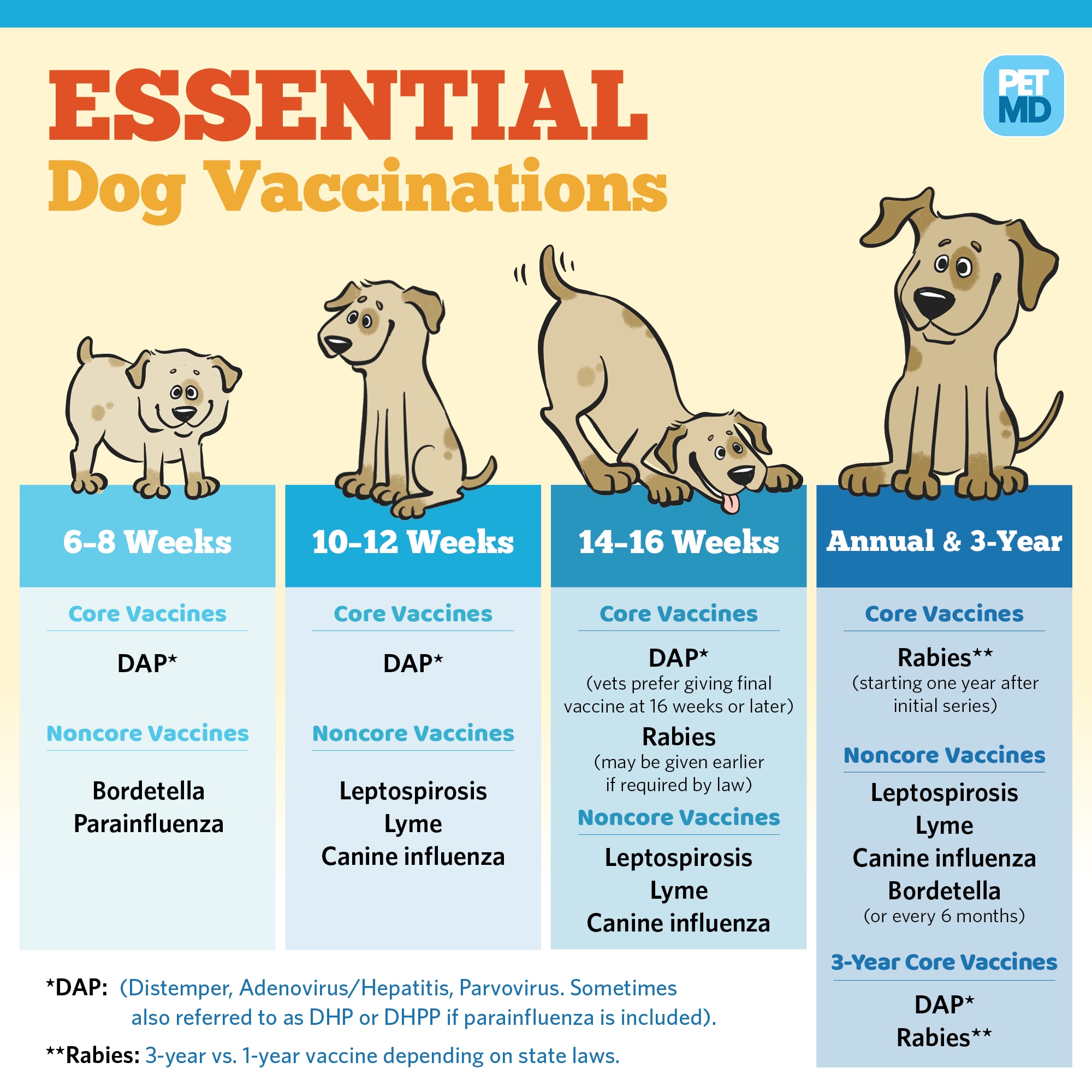
Puppies get their first vaccines at about six to eight weeks old. These initial shots protect against serious diseases like distemper, parvovirus, and adenovirus. The first round is a starting point for building strong immunity.
Booster Shots
Boosters follow the initial shots to increase protection. Puppies usually get boosters every three to four weeks until 16 weeks old. These shots make sure immunity stays strong as the puppy’s body develops.
Timing And Frequency
Vaccination starts at six to eight weeks and ends by 16 weeks. After this, adult dogs get yearly or tri-yearly boosters. Regular timing keeps the puppy’s immune system ready to fight diseases.
Adult Dog Vaccination
Adult dog vaccination is key to keeping your dog healthy. After puppy shots, adult dogs need vaccines to protect them from serious illnesses. Vaccines help the immune system fight diseases like rabies and distemper.
Regular vaccinations stop infections and keep your dog safe. They also prevent diseases that can spread to other animals and people. Understanding adult dog vaccination schedules helps you plan visits to the vet.
Booster Requirements
Boosters are follow-up shots that keep immunity strong. Most vaccines need boosters after the initial series. Without boosters, protection can fade and your dog may get sick again.
Some vaccines require yearly boosters, while others last longer. Your vet will tell you which boosters your dog needs. Keeping up with boosters helps avoid disease risks.
Annual Vs. Triennial Shots
Annual shots mean vaccines given every year. Many vets recommend yearly vaccines for core diseases. It ensures your dog has fresh protection each year.
Triennial shots last three years before a booster is needed. Some vaccines have longer-lasting immunity. These reduce the number of vet visits but still protect your dog well.
Your vet decides the best schedule based on vaccine type and your dog’s health. Follow their advice to keep your dog safe and healthy.
Vaccination Risks And Side Effects
Vaccinations protect dogs from serious diseases and help keep them healthy. Like any medical treatment, vaccines have some risks. Most dogs handle vaccines well. Side effects are usually mild and short-lived. Knowing about these risks helps owners care for their pets better.
Common Reactions
Many dogs show mild signs after vaccination. Some may have soreness or swelling at the injection site. A small lump might appear and go away in a few days. Dogs might feel tired or lose appetite for a day. Sneezing or a mild fever can also happen but usually clears fast.
When To Contact A Vet
Serious reactions are rare but need quick attention. Call a vet if your dog has difficulty breathing or severe swelling. Vomiting, diarrhea, or repeated coughing after vaccination is a concern. If your dog acts very weak or collapses, get help immediately. Early care prevents complications and keeps dogs safe.
Tailoring Vaccinations To Your Dog
Every dog has unique needs. Vaccinations should match your dog’s life and environment. Tailoring vaccines helps protect your dog better. It also avoids unnecessary shots. Learn what matters most for your dog’s vaccine plan.
Lifestyle Factors
Dogs that stay indoors need fewer vaccines. Active dogs that visit parks or meet other dogs need more protection. Hunting or working dogs face different risks. Puppies and senior dogs may need special vaccines. Knowing your dog’s daily activities guides the vaccine choices.
Geographical Considerations
Where you live affects which diseases are common. Some areas have high risks for certain infections. Traveling with your dog means extra vaccines might be needed. Local wildlife can also carry diseases. Vaccines should reflect these regional risks.
Consulting Your Veterinarian
Your vet knows your dog’s health best. They can suggest the right vaccines for your dog’s life and location. Regular check-ups keep vaccines up to date. Discuss any concerns about vaccine side effects. Trust your vet to create a safe vaccine plan.
Frequently Asked Questions
What Core Vaccinations Do Dogs Need?
Core vaccinations include rabies, distemper, parvovirus, and adenovirus. These protect dogs from severe, potentially fatal diseases. They are essential for every dog regardless of lifestyle.
When Should Puppies Receive Their First Vaccines?
Puppies typically start vaccinations at 6-8 weeks old. Multiple doses are given every 3-4 weeks until 16 weeks. This schedule ensures full immunity development.
Are Booster Shots Necessary For Adult Dogs?
Yes, boosters maintain immunity against diseases like rabies and distemper. Most vaccines require annual or triennial boosters based on local laws and vet advice.
Can Vaccinations Cause Side Effects In Dogs?
Mild side effects include swelling, mild fever, or lethargy. Serious reactions are rare but require immediate veterinary attention. Vaccination benefits far outweigh risks.
Conclusion
Vaccinations keep dogs healthy and safe from serious diseases. Regular shots protect your pet and other animals. Talk to your vet about the right vaccines for your dog’s age and lifestyle. Staying up to date helps avoid costly health problems later.
Remember, prevention is easier than treatment. Keep your dog’s vaccinations on schedule. Healthy dogs live longer, happier lives. Simple steps make a big difference. Care for your dog with proper vaccinations. Your furry friend deserves the best protection.