

So, you've decided to get an above-ground pool and are wondering, "What should I put under an above ground pool?" It's a crucial step that many people overlook, but it can seriously impact your pool's lifespan and your enjoyment. Getting the base right prevents costly repairs and ensures your pool stays level and stable.
Our research indicates that the ground preparation and the material you choose for your pool's foundation are vital. Manufacturer specifications often emphasize the need for a stable, level surface, typically requiring a base that’s at least 4 inches thick for effective support. Let's explore the best options to protect your investment.
Quick Answer
The best thing to put under an above ground pool is a level, compacted base, often made of sand. You can also use specialized pool pads for extra protection. Ensure the ground is prepped first.
Avoid placing the pool directly on grass or dirt.
Why What's Underneath Your Pool Matters So Much
Think of the ground beneath your above-ground pool as its feet. If those feet aren't stable, level, and protected, the whole structure is in trouble. A properly prepared base does three main things: it keeps your pool perfectly level, it shields the liner from punctures, and it helps distribute the immense weight of the water evenly.
An uneven pool, for instance, can put undue stress on the walls and frame. Manufacturer specifications from leading pool brands consistently highlight that a level foundation is paramount for structural integrity. As of 2026, this remains a cornerstone of safe and lasting pool installations.
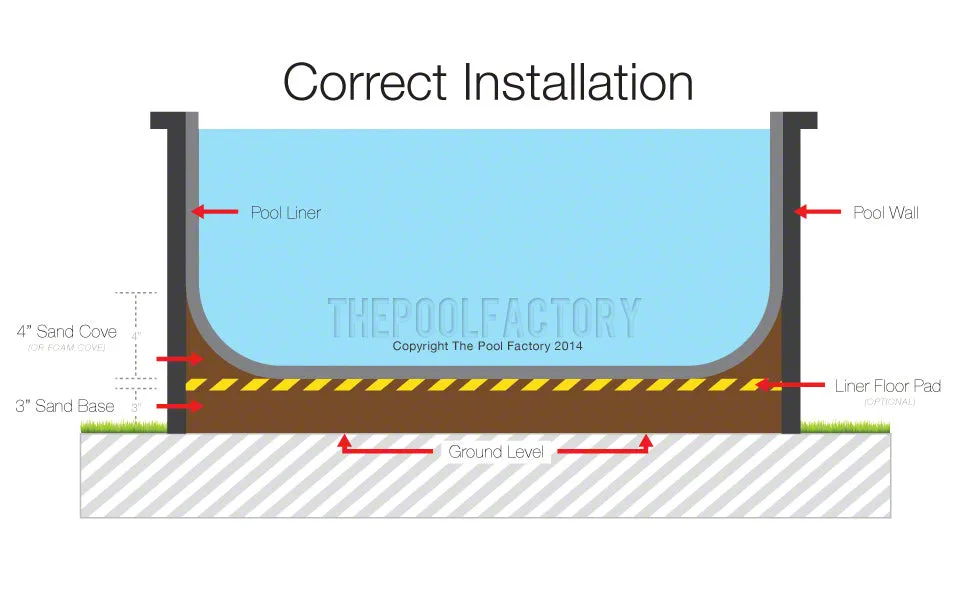
Image source: Bing (Web (fair-use with source credit))
Your Above-Ground Pool Base Options: A Deep Dive
When it comes to setting up your above-ground pool, you've got several excellent options for what goes underneath. Each has its own set of pros and cons, depending on your ground conditions, budget, and how long you plan to keep the pool in place. Let's break them down so you can make the best choice for your backyard.
Sand: The Budget-Friendly Favorite
Sand is probably the most common material people use for an above-ground pool base, and it's popular for good reason. It's relatively inexpensive and accessible.
- What it is: This usually means clean play sand or masonry sand. You'll want a good few inches, think at least 3-4 inches, compacted down smoothly.
- Pros:
- It's a cost-effective choice compared to other options.
- It's great for filling in minor dips and creating a level surface.
- It offers a bit of cushioning underfoot.
- Easily found at most hardware or garden supply stores.
- Cons:
- Sand can shift over time, especially with heavy rains or significant use, potentially requiring re-leveling or topping up.
- If the sand has too much clay content, it might retain water and create drainage issues.
- While it offers some protection, very sharp objects could still potentially work their way through thin layers.
- When it's a good fit: Sand is a solid choice if your ground is already fairly firm and mostly level, and you're looking for an economical way to get a smooth, slightly forgiving surface.
Image source: Bing (Web (fair-use with source credit))
Pool Pads: Extra Protection and Comfort
These are materials specifically designed to go under your above-ground pool, offering a step up in protection and comfort from just sand. They are engineered to provide a barrier between your pool liner and the ground.
- What it is: Most often, these are made from dense, closed-cell polyethylene foam (EPE) or a tough, woven geotextile material. They typically come in pre-cut circular or rectangular sections that match common pool sizes, or in rolls you can cut to fit.
- Pros:
- Offers excellent protection against punctures from small stones, roots, or sharp debris hidden in the ground.
- Provides a noticeably softer surface for walking around the pool.
- Can help slightly buffer ground temperature fluctuations.
- Installation is straightforward, lay it down over your prepared and leveled base.
- Cons:
- These pads can be more expensive than a simple sand layer.
- They don't do much for significant ground leveling; the ground beneath them must be very well-prepped and flat.
- For maximum effectiveness on uneven ground, you might still need a thin layer of sand underneath the pad for fine-tuning the levelness.
- When it's a good fit: A pool pad is a great option if you want that extra layer of security against liner damage and a more comfortable feel underfoot, provided you've already ensured your ground is well-leveled.
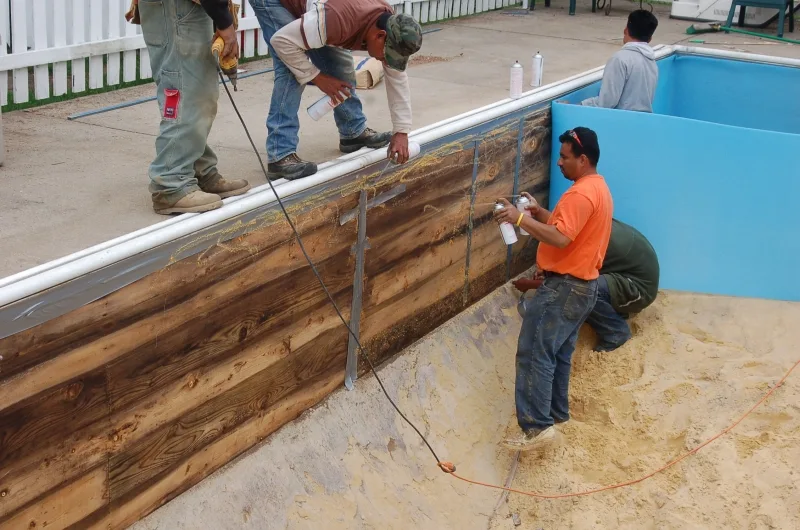
Image source: Bing (Web (fair-use with source credit))
Concrete Slabs: The Permanent Solution
For ultimate stability and longevity, a concrete pad is the gold standard. It's a significant investment in time and money, but it provides a foundation that's hard to beat for durability.
- What it is: This involves pouring a concrete slab, typically 4 to 6 inches thick, often reinforced with steel rebar or mesh for added strength.
- Pros:
- Offers the most stable and perfectly level surface possible.
- Provides superior protection against punctures and minimizes any ground shifting.
- Extremely durable and can last for decades, far outliving the pool itself.
- Can be a valuable permanent addition to your property.
- Cons:
- It's the most expensive option, often requiring professional installation.
- It's a permanent fixture. If you ever decide to remove the pool, you'll have a concrete slab to deal with.
- Can feel very hard and hot underfoot, especially in direct sun.
- If the concrete develops cracks over time, these can potentially damage the pool liner or frame.
- When it's a good fit: A concrete slab is ideal if you plan to keep your pool in the same location for many years and desire the most secure, robust foundation available.
Pavers & Decking: Style Meets Substance
If aesthetics are a high priority and you're aiming for a more integrated, upscale look for your pool area, pavers or a low-level deck are excellent choices. They offer a stable, attractive surface.
- What it is: This can involve laying landscape pavers over a properly prepared base or constructing a simple, low-profile deck that surrounds the pool.
- Pros:
- Significantly enhances the visual appeal of your pool area.
- Provides a very stable and level foundation for the pool.
- Durable and long-lasting materials.
- Offers a clean and attractive transition from your house to the pool.
- Cons:
- Can be costly, both in terms of materials and potentially labor.
- Requires a meticulously prepared, leveled base, often including layers of gravel and sand beneath the pavers or deck structure.
- Installation can be more complex and time-consuming than simpler options.
- May require specialized edging or support systems to ensure the pool walls are properly seated.
- When it's a good fit: Pavers or decking are best for those who prioritize a high-end look and are willing to invest the effort and expense into a more elaborate, aesthetically pleasing pool environment.
Choosing the Right Base for Your Backyard: A Decision Guide
Choosing the right material for your above-ground pool base isn't just about what looks good; it's about function, durability, and long-term stability. The best option for you will depend on a few key factors unique to your situation. Let's break down how to make that call.
Step 1: Assess Your Ground Conditions
The very first thing to consider is the land your pool will sit on. Is it naturally firm and mostly flat, or is it a bit lumpy, rocky, or even sloped?
- For relatively firm, level ground: You have more flexibility. Sand alone, or sand with a protective pool pad on top, can work well. These options are easier to install and more budget-friendly.
- For uneven, rocky, or sloped ground: This requires more intensive preparation. You might need to excavate, add and compact gravel and sand to achieve a level surface, and then consider a more robust option. A simple sand layer won't fix significant ground issues and could lead to problems later.
Step 2: Consider Your Budget and Effort
How much are you willing to spend, and how much physical work are you prepared to put in?
- Budget-Conscious: Clean sand is generally the most affordable choice. It's also relatively simple to spread and level yourself.
- Mid-Range: Pool pads offer better protection and comfort for a moderate increase in cost over sand. They are also very easy to install.
- Higher Investment: Concrete slabs, pavers, or decking will cost more and generally require more significant labor. If you're not a seasoned DIYer, you might need to factor in professional installation costs.
Step 3: Think About Longevity and Stability
How long do you anticipate having this pool in your backyard? This is a critical factor for choosing your base material.
- Temporary Use: If the pool is for a few seasons, sand or a pool pad over a well-prepped surface is usually adequate.
- Long-Term Setup: For a pool that you plan to keep for many years, investing in a more permanent and stable foundation like a concrete slab or a meticulously installed paver/decking system is advisable. These offer superior durability.
By honestly considering these points, you can better determine which pool base material aligns best with your specific needs and backyard environment.
Common Mistakes to Avoid When Preparing Your Pool Base
Even with the best intentions, it’s easy to make a few missteps when setting up the foundation for your above-ground pool. Learning from others’ experiences can save you a lot of headaches and potential damage down the line. Our research highlights a few key areas where people often go wrong.
- Skipping Proper Ground Leveling: This is probably the biggest mistake. People often think a bit of slope is okay, but even a small difference can stress your pool's liner and frame. Aggregated user feedback consistently points to this as a primary cause of premature pool problems. Always use a long level or a transit level to ensure the entire footprint is perfectly flat.
- Not Clearing Debris Thoroughly: It might seem obvious, but leaving small rocks, sharp twigs, or roots under your pool can lead to liner punctures. Even a fine layer of sharp gravel can cause damage over time, especially under the immense pressure of the water. Manufacturer specifications often advise a thorough site clearing down to bare soil.
- Using the Wrong Kind of Sand: Not all sand is created equal. Using builder's sand that contains a lot of clay or fine particles can lead to water retention issues, which can cause drainage problems and uneven settling. Clean play sand or masonry sand, which are primarily silica, is a much better choice.
- Placing the Pool Directly on Grass or Soil: While tempting for simplicity, this offers minimal protection and can lead to the pool sinking unevenly as the ground compacts or washes away. Grass also decomposes, creating an uneven surface over time.
Essential Ground Prep: Getting It Right Before You Start
Before you even think about spreading sand or laying a pad, the groundwork is everything. This preparation phase is non-negotiable for a stable, long-lasting pool setup. It’s about creating a solid, safe platform that can support thousands of gallons of water.
Here’s what you generally need to do:
- Choose Your Location Wisely: Pick a spot that's as level as possible to begin with. Also, consider proximity to your house, electrical outlets for the pump, and access for maintenance. Ensure there are no underground utilities in the area.
- Clear the Area: Remove everything from the designated pool footprint, grass, weeds, rocks, roots, sticks, and any other debris. You want to get down to firm, bare soil.
- Level the Ground: This is the most critical step. Use a long spirit level (8-10 feet is ideal) or a laser level to check for high and low spots across the entire area. If you find any, you'll need to excavate high spots or carefully add and compact soil or gravel to low spots. Repeat this process until the entire area is perfectly flat. Manufacturer guidance typically requires a level surface within half an inch over a 10-foot span.
- Compact the Base: Once the area is level, you need to compact the soil to prevent settling. You can use a hand tamper for smaller areas or rent a plate compactor for larger ones. This creates a firm foundation.
- Add Your Protective Layer (Sand, Pad, etc.): After the ground is prepped and compacted, you can then add your chosen material, such as a 3-4 inch layer of compacted sand or a pre-manufactured pool pad.
Frequently Asked Questions About Pool Bases
### How long does it take to prepare the ground for an above-ground pool?
Preparation time can vary greatly depending on your site's current condition and the methods you use. Clearing and initial leveling might take a few hours to a full day. If significant excavation or grading is needed, it could take several days.
Compacting and adding sand or a pad usually takes another few hours.
### Can I put an above-ground pool directly on concrete?
Yes, you can place an above-ground pool directly on a concrete slab. In fact, a smooth, level concrete pad provides an excellent, stable foundation. However, ensure the concrete is free of cracks or sharp aggregate that could damage the liner.
### Is a sand base sufficient for all above-ground pools?
A sand base is sufficient for many common above-ground pools, especially if the ground is well-prepped and leveled. However, for very large or heavy pools, or if you have extremely rocky soil, a more robust base like a concrete pad or reinforced decking might be recommended by the manufacturer for optimal stability.
### How thick should a sand base be?
A common recommendation is to have a sand base that is at least 3 to 4 inches thick once compacted. This provides a smooth surface and some cushioning. Ensure you use clean play sand or masonry sand, not builder's sand that might contain excessive clay.
### What if I can't get my ground perfectly level?
If you struggle to achieve perfect levelness, consider consulting with a professional landscaper or pool installer. For smaller pools, slight imperfections might be managed with a thicker, well-compacted sand base topped with a quality pool pad. However, significant unlevelness can void pool warranties and lead to structural issues, so professional assessment is often best.

