

Image source: Bing (Web (fair-use with source credit))
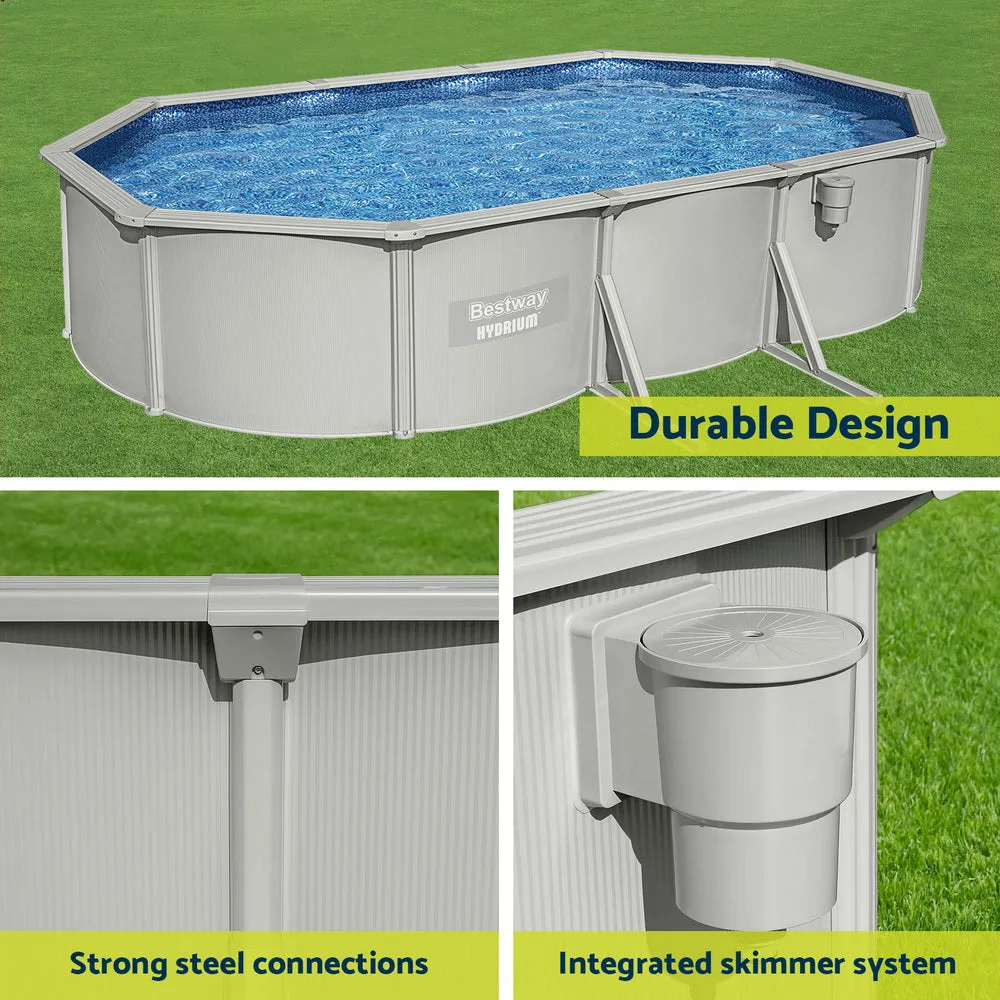
When you're looking to buy an above-ground pool, figuring out "what is the strongest above ground pool?" is key to getting one that lasts. We've all seen pools that look great for a season or two, then start to sag or rust. You want a pool that can handle everything from boisterous kids to harsh weather without becoming a headache.
Our research focuses on the materials and engineering that make a pool stand up to the test of time. We've analyzed manufacturer specifications, including wall gauge measurements for steel pools that can go as low as 20-gauge, and looked at how different resin and hybrid components perform under stress. Let's break down what truly matters for a robust and long-lasting swimming pool.
Quick Answer
The strongest above-ground pool typically features a thick steel frame and walls, often with a galvanized or resin coating for rust protection. Resin or hybrid frame pools also offer excellent durability, resisting corrosion better than plain steel. A robust pool also requires a heavy-duty vinyl liner, at least 20-gauge, to prevent punctures and tears, ensuring structural integrity against daily use and environmental factors.
Core Strength Factors: Materials & Construction
When we talk about the "strongest" above-ground pool, we're really talking about how well it's built to resist the elements and the general wear and tear of use. It's not just one thing; it's a combination of how the frame is put together, what the walls are made of, and even the material of the liner. A pool that can withstand strong winds, heavy rainfall, and the constant stress of holding thousands of gallons of water is one that's engineered with durability in mind.
Think of it like building a house. You wouldn't want flimsy supports or walls that easily crack. The same principle applies to your backyard oasis.
Manufacturers are constantly innovating, but the fundamental elements of strength come down to material science and smart design.
Steel vs. Resin vs. Hybrid Frames
The frame is the skeleton of your pool, and its material plays a huge role in its overall strength and lifespan.
- Steel Frames: These are the traditional choice for many durable above-ground pools. Steel offers great rigidity and support, which is essential for holding the weight of the water. However, plain steel can be susceptible to rust and corrosion, especially in humid climates or if the protective coating gets scratched. To combat this, manufacturers often use galvanized steel, sometimes with a powder coating, to add a layer of protection. The gauge (thickness) of the steel is crucial; a lower gauge number means thicker, stronger steel, typically 20-gauge or lower for the most robust frames.
- Resin Frames: Pools with resin frames use a type of plastic that's engineered to be strong, durable, and resistant to corrosion. This makes them a great option for areas with high humidity or salty air, as they won't rust. While generally very strong, some older or lower-quality resin can become brittle over time with prolonged sun exposure. Top-tier resin pools use UV-stabilized, high-impact materials to prevent this.
- Hybrid Frames: These are designed to combine the best of both worlds. They often feature steel components for core structural support, augmented with resin parts for corrosion resistance and improved aesthetics. This blend can offer excellent strength and longevity, leveraging steel's rigidity where it's most needed while using resin to protect against common failure points like rust.
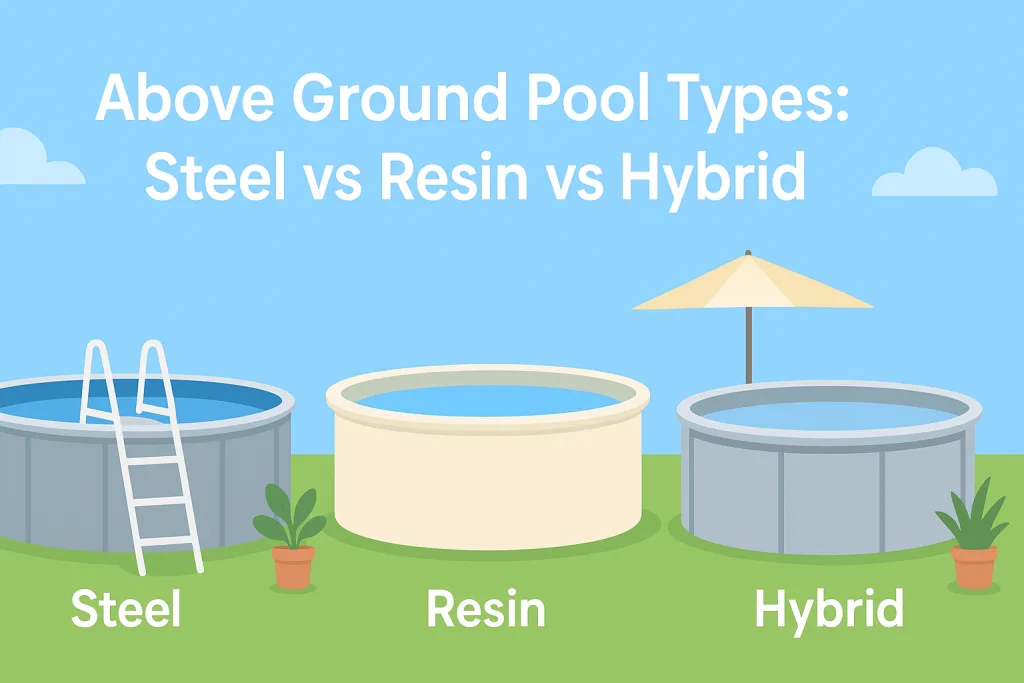
Image source: Bing (Web (fair-use with source credit))
The choice between these often comes down to your specific environment and how much you value corrosion resistance versus sheer rigidity. For example, if you live near the coast, a resin or hybrid frame might be a smarter long-term investment to avoid rust damage.
Wall & Liner Materials: What Holds Up Best
While the frame supports the pool, the walls and liner are what contain the water and take the most direct impact. Their materials are critical for preventing leaks and structural failure.
- Wall Materials: Most above-ground pools have walls made of either galvanized steel or aluminum, often with protective coatings. Steel is common due to its strength and cost-effectiveness. As mentioned with frames, the gauge is important; thicker walls (lower gauge number, e.g., 20-gauge or less) are more resistant to dents, buckling, and corrosion. Aluminum is lighter and naturally rust-resistant but can be more expensive and potentially less rigid than steel of the same gauge. Some higher-end pools might use composite materials, offering a blend of strength and weather resistance.
- Liner Materials: The liner is the waterproof barrier inside your pool. Most are made from heavy-duty vinyl, typically 18-gauge to 30-gauge thickness, or sometimes thicker polyethylene. A thicker liner is more resistant to punctures from toys, pet claws, or sharp debris. The quality of the vinyl, including UV inhibitors to prevent sun damage and special coatings for chemical resistance, also impacts its lifespan. Look for liners with warranties that indicate confidence in their durability.
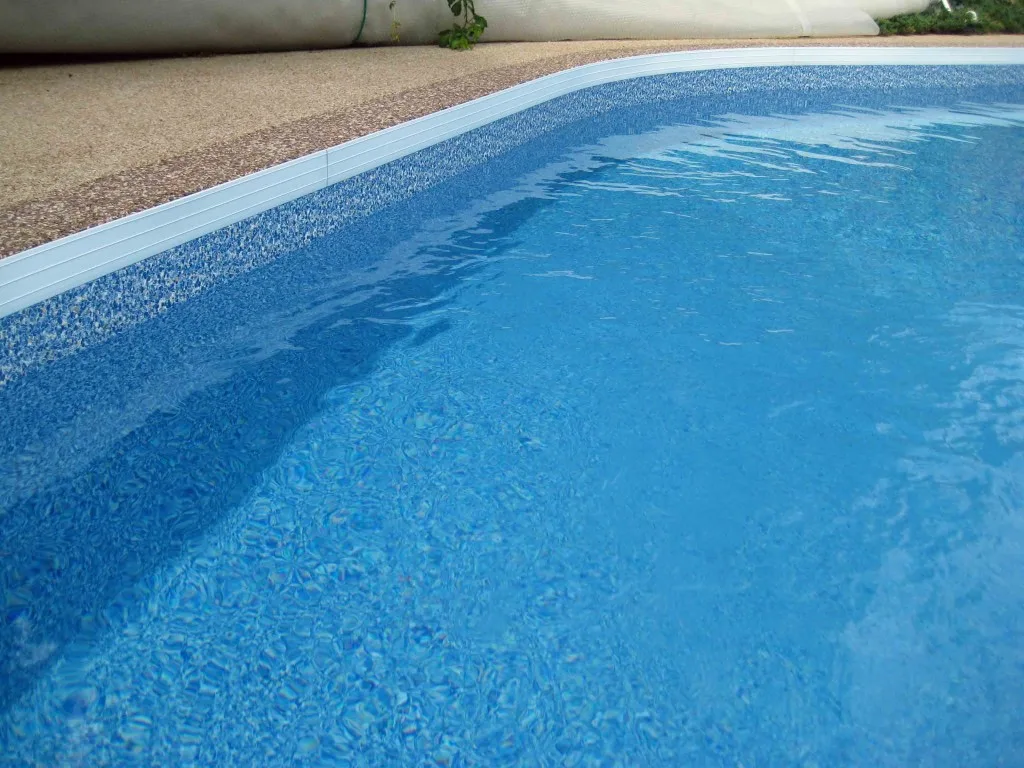
Image source: Bing (Web (fair-use with source credit))
A common specification to look for in wall material is a multi-layer coating system, such as zinc coating followed by a resin or epoxy layer, to maximize protection against rust. For liners, a high mil (which is the unit of measurement for thickness, often 18-mil or 20-mil) is generally a good indicator of increased durability.
Evaluating Pool Strength: Key Features to Inspect
When you're shopping around, it's easy to get overwhelmed by options. But focusing on a few key features will help you cut through the noise and identify the pools truly built for strength and longevity. These aren't just fancy terms; they're practical indicators of how well a pool will hold up year after year.
By inspecting these specific components, you can make a more informed decision and avoid ending up with a pool that degrades quickly. It's about looking past the surface and understanding the engineering that goes into a truly robust structure.
Frame Gauge and Corrosion Resistance
The gauge of the frame material, especially for steel-framed pools, is a critical metric for strength. A lower gauge number signifies thicker metal, which translates to greater resistance against bending, warping, and general structural stress. For instance, many durable steel frame pools use 18-gauge or even 16-gauge steel for their uprights and top rails.
Beyond thickness, the type of protective coating is paramount for corrosion resistance. Galvanized steel offers a base level of protection, but a secondary coating, such as a resin-based enamel or a powder coat finish, significantly enhances its ability to fight off rust, particularly in humid or coastal environments. Manufacturers often detail these coating processes; look for descriptions of multi-stage rust protection.
Wall Thickness and Stability
Similar to the frame, the thickness of the pool's vertical wall is a direct indicator of its resilience. This is usually measured in gauge for steel walls, with lower numbers meaning thicker, stronger material. A thicker wall is less likely to buckle under the immense pressure of the water, especially during filling or if uneven pressure is applied.
Stability also comes from how the wall is reinforced. Some pools feature extra vertical supports or corrugated designs on the wall itself, which add rigidity and help the pool maintain its shape. This is particularly important for larger oval pools, which experience more outward force than round ones.
You might see specs mentioning "corrugated steel walls" or "heavy-duty extruded resin supports" as signs of enhanced stability.
Liner Material and Puncture Resistance
The liner is your last line of defense against leaks and is constantly in contact with swimmers and the water. Its thickness and material quality are vital for preventing damage. Liners are typically measured in mils (thousandths of an inch), with 20-mil vinyl being a good benchmark for high durability, offering significantly better puncture and tear resistance than standard 15-mil or 18-mil liners.
Beyond thickness, the composition of the vinyl matters. Look for liners that explicitly state they include UV inhibitors to prevent sun degradation and are made from virgin vinyl, which tends to be more flexible and less prone to cracking than recycled materials. Some high-end liners also feature antimicrobial treatments or thicker coatings on the floor for added wear resistance.
Real-World Strength: Weather, Use, and Longevity
A pool's strength isn't just about how it's built in the factory; it's about how it performs day-to-day, season-to-season. Understanding how different pool constructions hold up against the forces of nature and the enthusiasm of backyard use will help you choose one that truly lasts. This is where theory meets practice, and the materials really get put to the test.
The best pools are those that are engineered not just for installation, but for the long haul, enduring everything from scorching summer sun to freezing winter conditions without compromising their structural integrity.
Standing Up to Sun, Rain, and Cold
Weather is one of the biggest enemies of an above-ground pool's longevity. Harsh UV rays from the sun can degrade plastic components and fade liners over time, making them brittle. Freezing temperatures can cause water trapped in the structure to expand, potentially cracking frames or walls.
Heavy rain and wind can put additional stress on the pool's supports.
Pools made with UV-stabilized resins and high-quality, weather-resistant coatings on steel components are best equipped to handle this. For example, resin frames often incorporate specific additives to resist sun damage, while galvanized and coated steel resists rust that can be exacerbated by moisture and cold. Proper winterization procedures are also crucial for preventing damage from freezing, regardless of how strong the pool is.
Withstanding Kids, Pets, and Play
Let's be honest, above-ground pools are often the center of a lot of activity. Active kids jumping, playing, and sometimes using pool toys can put a lot of strain on the liner and walls. If you have pets, especially dogs, their claws can be a significant threat to the vinyl liner.
A strong pool is one that can absorb this kind of rough and tumble use. This means a thick, durable liner (think 20-mil or higher) is essential for puncture resistance. For the frame and walls, robust construction that resists impact and pressure is key.
Pools with wider uprights and thicker wall materials are generally better at handling the dynamic forces that come with active use.
Comparing Pool Types for Maximum Durability
When you're aiming for strength, not all above-ground pool types are created equal. Understanding the general characteristics of different constructions will help you narrow down your choices. We're focusing here on the pools that are engineered to last, not the temporary, inflatable types.
The goal is to identify which pool designs offer the best combination of structural integrity, material resilience, and resistance to common failure points. This comparison helps you see where each type generally stands in terms of toughness.
Steel Wall Pools: The Traditional Workhorse
Steel wall pools have been a popular choice for decades, and for good reason: steel offers excellent rigidity and support, making them very strong. The walls are typically made from corrugated galvanized steel, providing a sturdy barrier that can hold a significant amount of water. This strength makes them ideal for larger pools, including oval shapes which experience more outward pressure.
However, the primary weakness of steel is its susceptibility to rust and corrosion, especially if the protective coatings are compromised. To combat this, look for pools with robust, multi-layer coatings, such as zinc galvanization followed by a resin or epoxy finish. The gauge of the steel is also important; thicker walls (lower gauge numbers) offer greater durability.
Despite the rust risk, a well-maintained steel wall pool remains one of the strongest options available.
Resin Pool Kits: Built for the Long Haul
Resin pools are often seen as the modern contender for durability, particularly in environments where corrosion is a major concern. Instead of steel, these pools use high-grade plastics (resins) for their frame, top rails, and often their vertical supports. This material is naturally resistant to rust and corrosion, making it a fantastic choice for coastal areas or high-humidity climates.
The strength of resin comes from its engineering, using UV-stabilized, impact-resistant polymers ensures it won't become brittle from sun exposure over time. While perhaps not possessing the same absolute rigidity as thick steel in very large sizes, modern resin pools are incredibly strong and offer excellent longevity. Their resistance to the elements means less maintenance related to rust and decay, contributing to their reputation for durability.
Hybrid Pools: The Best of Both Worlds?
Hybrid pools aim to combine the structural advantages of steel with the corrosion resistance of resin. These designs typically use steel for the main load-bearing components, like the uprights and the bottom track, while employing resin for the top rails, ledges, and sometimes the vertical supports. This approach leverages steel's inherent strength where it's most needed, while the resin protects the parts most exposed to hands and weather.
The idea is to mitigate the rust risks associated with all-steel pools while retaining the robust framework. For example, a hybrid pool might feature a strong steel wall and frame, but its top ledges and upright covers would be made of rust-proof resin. This can lead to a very durable and attractive pool that requires less maintenance against corrosion compared to an all-steel model, offering a balanced solution for strength and longevity.
Who Needs the Strongest Pool?
Not everyone needs a pool built like a fortress. But if you're looking for the "strongest above ground pool," you're likely aiming for something that can handle more than just a gentle dip. This often means you're in a situation where standard durability just won't cut it.
Thinking about your specific needs and environment is crucial. What might be overkill for one family could be absolutely essential for another. Let's look at a couple of scenarios where investing in a truly robust pool makes the most sense.
For Families with Active Kids
If your backyard is about to become the go-to spot for neighborhood kids, and your own children are particularly energetic, you need a pool that can take a beating. Think about constant splashing, games, and perhaps the occasional wayward pool toy. Kids don't always play gently, and a pool that's flimsy can quickly show wear and tear, or worse, develop problems.
A strong pool, with a thick steel or robust resin frame and a heavy-duty vinyl liner, is better equipped to withstand the dynamic forces and potential impacts that come with a lively family environment. This means fewer worries about punctures, frame stress, or general damage, allowing everyone to focus on the fun.
For Harsh Climates
Your local weather plays a massive role in how long an above-ground pool will last. If you live in an area with extreme temperature swings, high humidity, intense sun, or frequent storms, you need a pool that’s engineered for resilience. These conditions can accelerate wear and tear on pool components if they aren't built to withstand them.
For instance, areas with prolonged, intense sunlight require UV-resistant materials for frames and liners to prevent them from becoming brittle and cracking. Regions experiencing hard freezes necessitate materials that can handle expansion and contraction without damage. Similarly, coastal areas with salt air demand excellent corrosion resistance, making resin or specially coated steel frames a necessity for longevity.
Choosing a pool designed for these challenging conditions can save you significant repair costs and replacement headaches down the line.
Avoiding Weak Links: Common Mistakes and Risks
Even the strongest above-ground pool can have its lifespan cut short by a few common mistakes. It’s not just about buying a heavy-duty model; it’s also about how you set it up and maintain it. Often, people overlook critical steps that seem minor at first but can lead to big problems later on.
Being aware of these pitfalls can help you protect your investment and ensure your pool remains a source of fun, not frustration. We're talking about the steps that, if done incorrectly, can compromise even the most robust pool's integrity.
Improper Ground Preparation
This is perhaps the most critical step for any above-ground pool, and it’s where many mistakes happen. The ground beneath your pool must be perfectly level, compacted, and free from sharp objects like rocks, roots, or debris. If the ground is uneven, the pool will settle unevenly, putting immense, concentrated stress on one side of the frame and wall.
This uneven pressure can lead to:
- Frame distortion: Uprights can bend, and the top rails can warp.
- Wall buckling: The wall can buckle or even burst under extreme, localized stress.
- Liner damage: Uneven settling can stretch or tear the liner.
Many manufacturers require a level surface for their warranties to be valid. Investing time in proper site preparation, perhaps even using a spirit level and adding a layer of sand or a protective pad, is essential for the pool’s structural integrity.
Neglecting Winterization
Winter can be brutal on above-ground pools, especially in climates that experience freezing temperatures. Improper winterization is a major risk factor that can lead to cracks, leaks, and frame damage. If water is left in the pipes, pump, or filter, it can freeze and expand, shattering these components.
Key winterization steps that prevent damage include:
- Lowering water level: Typically below the skimmer and return jets to prevent freezing in the plumbing.
- Draining equipment: Thoroughly draining the pump, filter, and hoses.
- Using winterizing plugs: Sealing any openings in the pool wall.
- Adding winter chemicals: To prevent algae and staining during the off-season.
Failing to take these steps can turn a strong pool into a costly repair job come spring. Always follow the manufacturer’s specific winterization guidelines for your pool model.
Underestimating Liner Care
The vinyl liner is the pool's watertight skin, and while strong liners are designed to be durable, they aren't indestructible. Mistakes in liner care can lead to tears, punctures, and premature aging, compromising the pool's structural integrity.
Common liner care mistakes include:
- Using abrasive cleaners: Harsh chemicals or scrub brushes can scratch or weaken the vinyl.
- Allowing sharp objects: Toys with sharp edges, pet claws, or even debris on the bottom can cause punctures.
- Over-chlorination: Excess chlorine can bleach and degrade the vinyl over time.
- Not smoothing wrinkles: Wrinkles can trap debris and create stress points.
Regular cleaning with a soft brush or vacuum and careful handling of pool toys can go a long way in preserving your liner’s strength and extending the pool’s life.
The "Strongest" Pool: FAQ & Final Thoughts
What's the single toughest material for an above-ground pool?
While "toughest" can be subjective, for overall structural integrity and resistance to deformation, thick-gauge galvanized steel often takes the lead, especially for larger pools. However, for corrosion resistance, especially in coastal or high-humidity areas, high-grade, UV-stabilized resin is a superior material for frames and components. The liner material, typically heavy-duty vinyl (20-mil or thicker), is crucial for preventing leaks and punctures, regardless of frame material.
How long can I expect a strong above-ground pool to last?
With proper setup, regular maintenance, and appropriate winterization, a strong above-ground pool constructed with quality materials like thick steel or robust resin and a durable liner can last anywhere from 10 to 20 years, and sometimes even longer. Factors like climate, frequency of use, and how well it's cared for will significantly impact its lifespan.
Do I need a professional to install a heavy-duty pool?
For smaller, lighter above-ground pools, DIY installation is often feasible with careful attention to instructions. However, for larger, heavier, and more structurally robust pools (especially those over 18 or 24 feet in diameter, or any oval pool), professional installation is highly recommended. These pools require precise leveling, secure assembly of heavy components, and a thorough understanding of structural requirements that can be challenging for a novice, ensuring the pool's strength and safety from day one.

