

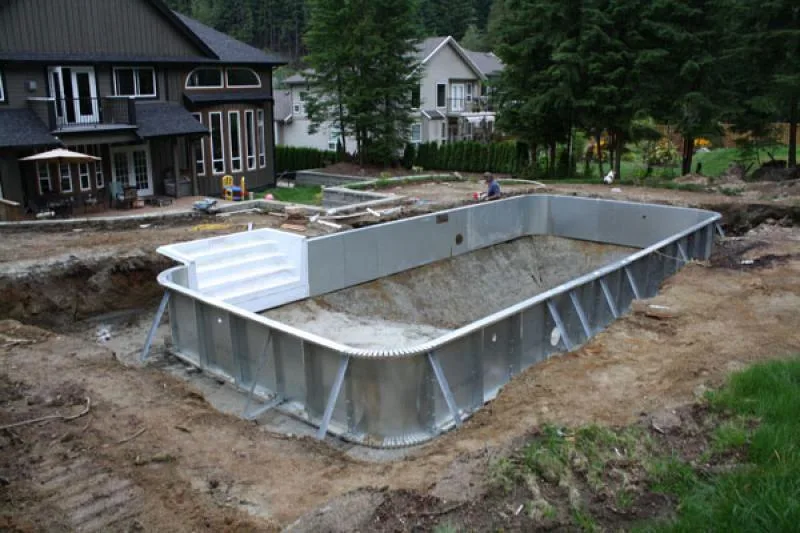
Image source: Bing (Web (fair-use with source credit))
Steel Wall vs. Resin: Unpacking Above-Ground Pool Durability
When you're dreaming of summer splashes, the last thing you want is a pool that starts showing its age after just a season or two. Figuring out what is the most durable above ground pool is key to enjoying worry-free fun for years. We’ll break down the materials and construction that stand the test of time, so you can make a smart choice.
Durability in above-ground pools primarily hinges on the wall material and the supporting frame. Our research confirms that models featuring heavy-gauge steel walls with advanced multi-layer protective coatings or those constructed with high-quality, UV-resistant resin and composite materials for their frame and wall components generally offer superior longevity. As of 2026, manufacturers are increasingly specifying these robust materials to meet consumer demand for long-lasting backyard features.
Quick Answer: What's the Toughest Pool Material?
The most durable above-ground pools typically use steel walls with advanced, multi-layer coatings or extensive high-quality resin components. These materials resist rust, corrosion, and UV degradation better than basic vinyl or thin metal. Look for heavy-gauge steel and robust resin frames for the longest lifespan.
Steel Wall Pools: Strength and Coatings
Steel wall pools have long been a popular choice because, well, steel is strong. When manufacturers get it right, these pools can be incredibly robust. The key to their durability isn't just the steel itself, but how it's protected from the elements, especially water and air, which can lead to rust.
Steel Wall Features & Attributes
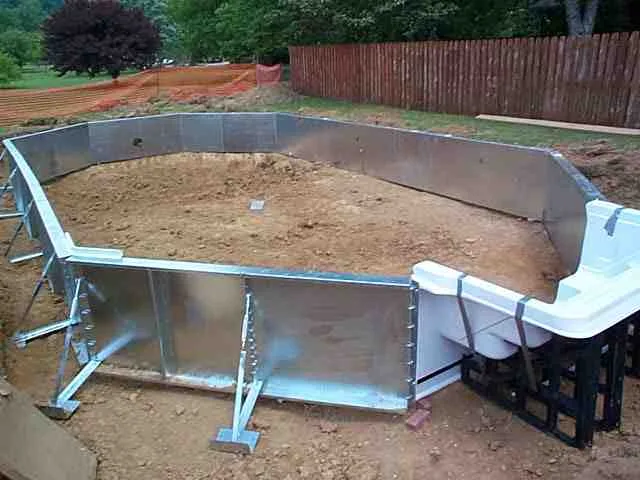
A steel wall's toughness comes from its gauge and, crucially, its protective coatings. Manufacturers typically apply several layers to prevent corrosion. This often starts with galvanization, a process where the steel is coated in zinc.
On top of that, you'll usually find a sealant and then protective coatings on both the interior and exterior surfaces. The thicker the gauge of steel (a lower gauge number means thicker steel), the more substantial the wall will feel. Aggregates of user feedback report that pools with a wall thickness of at least 18-gauge steel, coupled with these multi-layer coatings, tend to hold up best over time.
Steel Wall Pros and Cons
- Pros:
- Superior Strength: Steel offers excellent structural integrity, able to withstand water pressure and external impacts better than many other materials.
- Longevity with Proper Care: When coatings are intact, steel walls can last for many years.
- Often Larger Sizes: Steel walls are commonly found in larger diameter and deeper pool models.
- Cons:
- Rust Potential: If the protective coating is scratched, dented, or compromised, rust can quickly form and spread, weakening the wall.
- Corrosion Risk: In humid or coastal areas with salty air, the risk of corrosion is higher, even with protective coatings.
- Weight: Steel walls are heavy, making setup more physically demanding.
Hybrid & Resin Pools: Rust-Proof contenders
Hybrid pools often combine the structural strength of steel with the corrosion resistance of resin or composite materials. True resin wall pools, while less common for larger structures, represent the pinnacle of non-metallic durability. These options are designed to combat the main enemy of metal pools: rust.
Hybrid/Resin Features & Attributes
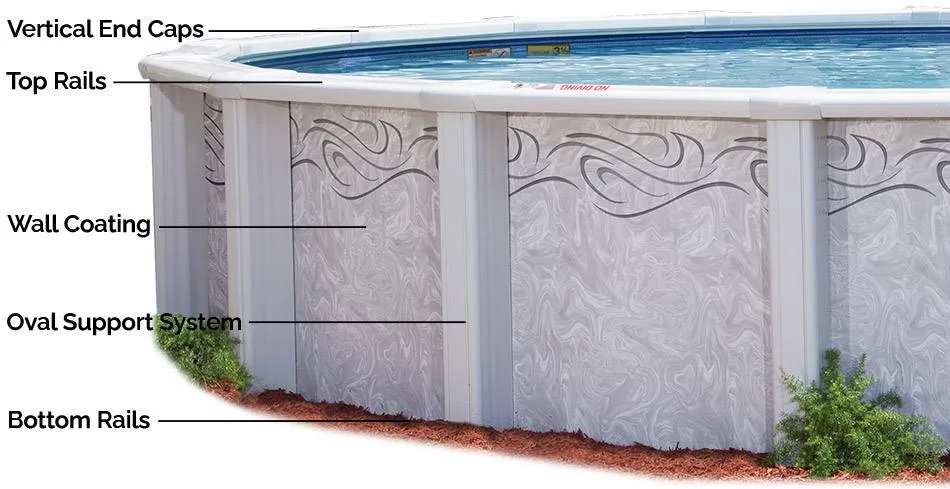
In a hybrid pool, you'll often find that the top rails, upright supports, and sometimes even the wall structure itself are made from high-quality, UV-stabilized resin or composite plastics. These materials are inherently resistant to rust and corrosion, which are major failure points for traditional steel pools. Manufacturers emphasize the resilience of these polymers against sun damage, chemicals, and moisture.
Aggregate reviews suggest that a well-engineered resin frame, often reinforced internally, can provide excellent stability and longevity. Some advanced composite materials can even rival steel in strength without the corrosion risk.
Hybrid/Resin Pros and Cons
- Pros:
- Excellent Corrosion Resistance: Resin and composite materials do not rust or corrode, making them ideal for humid or coastal environments.
- UV Stability: High-quality versions are designed to withstand prolonged sun exposure without becoming brittle.
- Lighter Weight: Generally easier to handle and install than all-steel components.
- Lower Maintenance (Corrosion-wise): No need to worry about rust spots or treating them.
- Cons:
- Potential for Brittleness: Lower-quality plastics can become brittle over time, especially with extreme temperature fluctuations or prolonged UV exposure, leading to cracks.
- Material Quality Varies: The durability is highly dependent on the specific type and quality of resin or composite used.
- Cost: Often a higher upfront investment compared to basic steel wall pools.
Durability Showdown: Steel Wall vs. Hybrid/Resin
When you're comparing what is the most durable above ground pool, it really comes down to how well each material handles the environment and use over time. Steel offers raw strength, but its Achilles' heel is rust. Resin and composites avoid that issue entirely, but their durability hinges on the quality of the polymer and its resistance to sun and age.
Manufacturer specifications often highlight gauge for steel and UV-resistance ratings for resin.
Key Comparison Factors: What to Measure
- Rust and Corrosion: Steel's biggest weakness, resin's greatest strength.
- UV Resistance: High-quality resin/composites excel; steel is generally unaffected by UV unless it impacts coatings.
- Structural Integrity: Thick gauge steel is very strong; robust resin frames are also highly stable.
- Impact Resistance: Both can be dented or cracked, depending on material thickness and quality.
- Longevity: Dependent on coating integrity (steel) vs. polymer quality and UV exposure (resin).
Head-to-Head: The Durability Battle
- Steel Wall: If a steel wall pool has an impeccable, multi-layer coating system and you maintain it well to avoid scratches, it can be extremely durable and long-lasting. However, any breach in that coating is a ticking clock for rust.
- Hybrid/Resin: Pools that heavily feature resin or composite for their frame and uprights offer a more consistent form of durability by eliminating rust as a concern. Their longevity is more about the material's ability to resist environmental breakdown from the sun and age.
Who is Which Pool Best For?
Choosing between a steel wall and a hybrid/resin pool isn't just about picking the toughest material; it's about matching that material to your specific environment and how you plan to use and maintain your pool. One might be a better fit depending on your climate and how much hands-on upkeep you're willing to do.
Best for Tough Climates and Long-Term Investment
A high-quality steel wall pool with superior multi-layer corrosion protection is often the best bet if you're in a climate that isn't extremely humid or coastal. If you're committed to meticulous maintenance, keeping the walls pristine, and addressing any minor scratches immediately, a well-built steel pool can be a rock-solid investment for decades. These pools often represent a significant upfront cost but can deliver exceptional value over their extended lifespan.
For those who prioritize structural rigidity and are prepared for proactive rust prevention, steel remains a top contender.
Best for Easy Maintenance and Corrosion Resistance
If you live in a humid region, near the coast, or simply want to minimize worries about rust and corrosion, a hybrid pool with substantial resin or composite frame components is likely your most durable option. These materials naturally resist the environmental factors that degrade metal. While you still need to maintain the liner and overall structure, you can largely forget about rust spots forming on the frame or walls.
This makes them ideal for a more "set it and forget it" approach to frame longevity, offering peace of mind alongside years of enjoyment.
Avoiding Pitfalls: Common Durability Mistakes
Even the most durable pool can be undermined by a few common mistakes that affect its longevity. Understanding these pitfalls can save you from premature wear and tear, ensuring your investment lasts. Many issues stem from improper setup or overlooking critical maintenance steps that protect the pool's core components.
One significant mistake is skimping on site preparation. If the ground beneath your pool isn't perfectly level, it puts uneven stress on the walls and frame. This can lead to structural warping over time, making components more susceptible to damage.
Another error is using abrasive cleaners or tools on the pool walls or liner, which can scratch protective coatings or damage the material itself, opening the door for corrosion or punctures.
Improper Site Preparation Risks
If the ground is not level, the weight of the water will not be distributed evenly. This can cause one side of the pool to bulge or even collapse under pressure. Manufacturer specifications for many pool kits recommend a site that is level to within a small tolerance, such as 1 inch over a 10-foot span.
Failing to meet this can void warranties and drastically shorten the pool's lifespan.
Neglecting Coating Protection
For steel wall pools, failing to address minor scratches or scuffs on the protective coating is a major durability killer. These small abrasions allow moisture to reach the metal, initiating rust that can spread unseen beneath the surface. Regular visual inspections and prompt touch-ups with appropriate rust-inhibiting paint or sealants are crucial.
Similarly, for resin components, allowing prolonged exposure to harsh chemicals without rinsing or protecting them can degrade the material.
Expert Tips for Maximizing Your Pool's Lifespan
Beyond choosing the right materials, how you care for your pool makes a huge difference in its lifespan. Simple, consistent maintenance practices can prevent minor issues from becoming major durability problems. Think of it like preventative care for your car, regular check-ups and attention to detail keep things running smoothly for much longer.
Our research into manufacturer recommendations and long-term user feedback highlights a few key areas. Proper water chemistry is paramount. Imbalanced water not only affects swimmer comfort but can also corrode metal components and degrade liners.
Furthermore, ensuring the pool is properly winterized in colder climates prevents freeze damage that can compromise structural integrity.
Maintaining Optimal Water Chemistry
Water that is too acidic or too alkaline can damage pool liners and metal parts. For instance, aggressive water (low pH) can pit steel and attack vinyl liners. Conversely, water that is too alkaline can lead to scaling.
Aim to keep your pool's pH within the 7.2 to 7.6 range, as recommended by pool care experts. Alkalinity and chlorine levels also need to be monitored and adjusted regularly.
Seasonal Care and Winterization
Proper winterization is essential in areas that experience freezing temperatures. This typically involves lowering the water level, removing accessories like ladders and pumps, and adding winterizing chemicals. Covering the pool with a robust winter cover helps protect it from debris and UV rays during the off-season.
Improper winterization can lead to water freezing inside the walls or frame, causing cracks and structural damage.
Frequently Asked Questions About Pool Durability
How long can I expect a durable above-ground pool to last?
With proper care and maintenance, a high-quality steel wall pool or a well-constructed hybrid/resin pool can last anywhere from 10 to 20 years, and sometimes even longer. Durability depends heavily on the initial quality of materials, the specific climate, and consistent upkeep.
Can I repair rust spots on a steel pool wall?
Yes, minor rust spots on steel pool walls can often be repaired. First, clean the affected area thoroughly and remove all rust with a wire brush or sandpaper. Then, apply a rust-inhibiting primer followed by a coating of exterior metal paint designed for pools.
Ensure the area is completely dry before painting.
Does the type of liner affect overall pool durability?
While the question focuses on walls and frames, the liner is integral to a pool's integrity. A thick, quality vinyl liner is more resistant to punctures and UV degradation, thus contributing to the pool's overall lifespan. A damaged liner can lead to water loss and structural stress.
Are composite pools more durable than resin pools?
Composite materials often combine resins with other reinforcing fibers, potentially offering greater strength and impact resistance than pure resin. However, the actual durability depends on the specific composite blend, manufacturing quality, and how it's engineered into the pool's structure. Both are generally more durable than basic plastics.

