

When you picture a backyard oasis, you probably don't picture yourself scrubbing algae for hours. If you're asking "What is the easiest above ground pool to maintain?", you're smart to prioritize your relaxation time. Our research shows that inflatable pools often top the list for simplicity, followed closely by certain types of frame pools with efficient filtration systems.
The key lies in balancing pool type, liner durability, and filtration efficiency. For instance, a pool with a robust, easy-to-clean liner and a simple cartridge filter system can significantly cut down on daily upkeep. As of 2026, manufacturer specifications still emphasize these two factors for ease of maintenance.
Let's dive into what really makes a pool easy to care for.
Quick Answer
Inflatable pools are generally the easiest above-ground pools to maintain. Their simple design, minimal filtration needs, and easy setup/takedown reduce upkeep tasks significantly. Frame pools with efficient cartridge filters also offer a good balance of ease and durability.
Easing Into Pool Ownership: Understanding Your Options
Thinking about a backyard pool is exciting, but the thought of constant cleaning can be a buzzkill. When we talk about "easy to maintain," we're really looking at how much time and effort you'll spend keeping it clean, balanced, and ready for fun. That means looking at the pool's construction, its filtration, and even how you'll close it up for the season.
This isn't about finding a "set it and forget it" solution, all pools need some care. It's about finding the one that demands the least amount of your precious time and energy. We'll break down the main types to help you see which one fits your definition of easy.
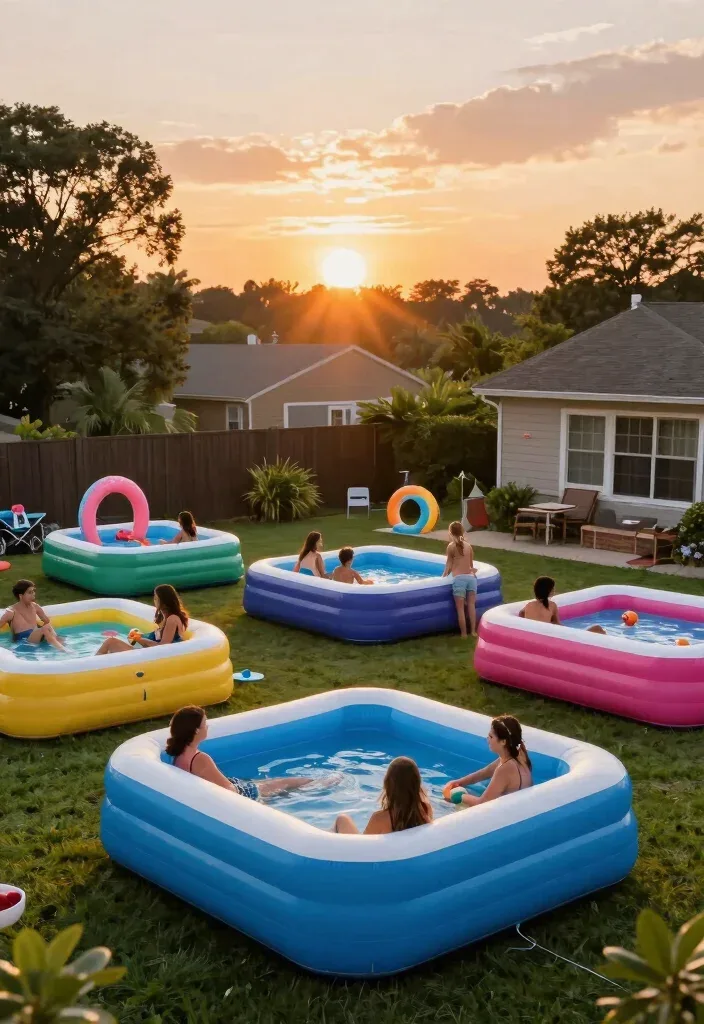
Image source: Bing (Web (fair-use with source credit))
The Quickest Setups: Inflatable vs. Frame Pools
When speed and simplicity are the top priorities, inflatable pools and basic frame pools are your best friends.
Inflatable Pools: These are usually the most straightforward. They often consist of a vinyl or PVC bladder that you inflate (typically with an air pump) to create the pool's structure, and then fill with water. Because they don't have rigid walls or complex framing, setup is usually just a matter of inflating, filling, and maybe attaching a small, basic pump and filter. They are fantastic for temporary use or for families with very young children who only need a shallow splash area. Their ease of deflation and storage also adds to their low-maintenance appeal.
Frame Pools: This category covers a wide range, but we're focusing on the simpler, more budget-friendly versions. These pools typically have a metal (often galvanized steel) or PVC frame that supports a strong vinyl liner. They require more assembly than inflatables, as you have to connect the frame pieces and set up the liner. However, once assembled, they offer more durability and often come with better filtration systems than basic inflatables. The "easiest" frame pools in this category are those designed for quick assembly and often come with integrated skimmers and pumps that are easy to attach and operate.
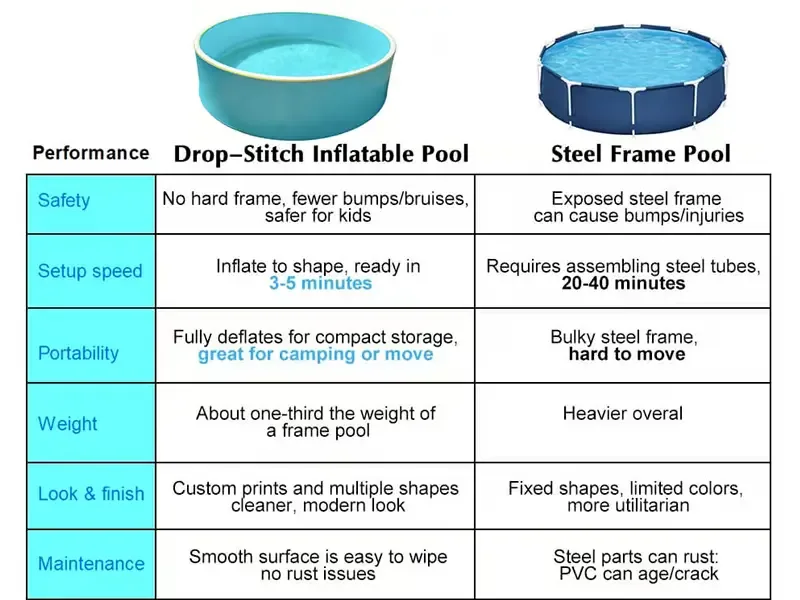
Image source: Bing (Web (fair-use with source credit))
Soft-Sided Pools: A Popular Middle Ground
Soft-sided pools are a bit of a hybrid, often fitting into the "frame pool" category but with characteristics that make them stand out for ease of use. These pools feature flexible, fabric-reinforced vinyl walls that are supported by an external frame, usually made of steel or PVC. Unlike fully inflatable pools, they don't rely on air for their shape; the frame does that job.
The appeal here is their robust construction without the heavy, rigid components of some metal-framed pools. They tend to be easier to assemble than traditional frame pools, sometimes requiring just a few steps to lock the frame into place before attaching the liner and filling. Many soft-sided models also come bundled with appropriately sized pumps and filters, streamlining the purchase and setup process.
Their durability is generally good, offering a longer lifespan than basic inflatables without the complex installation of more permanent above-ground options.
Key Features That Make a Pool Low-Maintenance
When you're hunting for the easiest pool to maintain, a few specific features can make all the difference. It's not just about how quickly you can set it up, but what you'll be dealing with day-to-day. Think of these as your cheat sheet for spotting a low-effort pool.
Liner Thickness and Material Matters
The liner is the part that holds all the water, so its quality directly impacts maintenance and durability. In our research, liners made from thicker gauge vinyl or PVC consistently show better resistance to punctures, tears, and UV degradation. A thicker liner, often measured in mils (thousandths of an inch), means fewer worries about leaks or premature replacement.
For example, a 20-mil liner will generally last longer and withstand more wear than a 12-mil liner.
Materials matter too. While most are vinyl-based, some advanced PVC blends offer enhanced flexibility and resistance to chlorine and sunlight, which are common culprits for liner breakdown. Choosing a pool with a high-quality, thicker liner means less time spent patching holes or dealing with a deteriorating surface that can harbor algae.
Filter Systems: Cartridge vs. Sand for Simplicity
The filter system is the heart of pool cleanliness, and its type dramatically affects maintenance.
Cartridge Filters: These are often found in smaller, easier-to-maintain pools. They use a pleated filter element (like a cylinder) that physically traps debris. Cleaning is usually as simple as removing the cartridge and hosing it down. This is a straightforward, tool-free process for most users. Cartridge filters are excellent at capturing fine particles, leading to clear water. However, the cartridges do need to be replaced periodically, typically every 1-2 years depending on usage and cleaning frequency.
Sand Filters: These systems use a bed of specially graded sand to filter the water. When the filter gets clogged, you perform a "backwash," which is essentially reversing the water flow through the sand to flush out the trapped debris. This process is usually controlled by a simple lever on the filter housing. While effective and requiring less frequent replacement of the filtering media (sand can last 5-7 years), backwashing uses a significant amount of water. For pure ease of task completion, cartridge filters are often considered simpler for quick cleanings, though sand filters offer longer periods between media replacement.
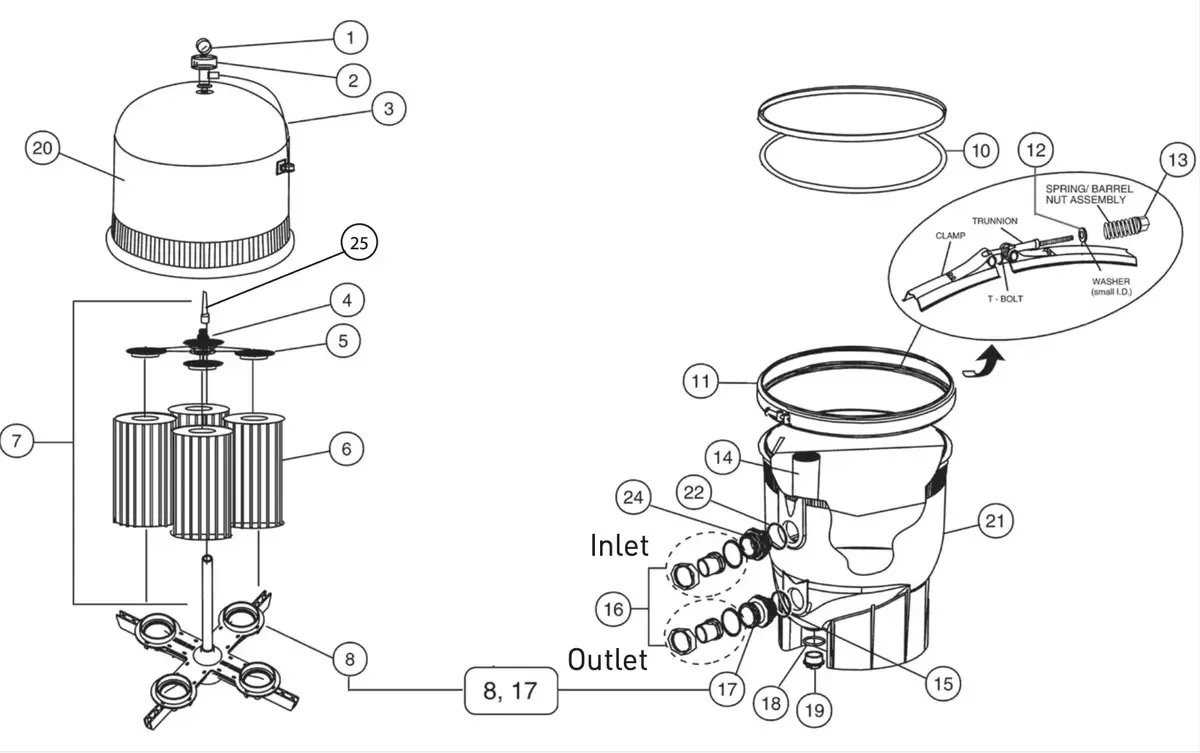
Image source: Bing (Web (fair-use with source credit))
Pump Power: Getting the Right Flow
The pump is what circulates your pool water through the filter. For ease of maintenance, you want a pump that's correctly sized for your pool's volume but isn't overly complex.
Sizing is Key: A pump that's too small won't circulate water effectively, leading to stagnant areas where algae can grow and requiring more manual cleaning. A pump that's too large can be overkill, potentially wasting energy and causing excessive water movement that can stir up debris. Manufacturer recommendations for pool size are crucial here; for example, a 1,500-gallon pool will need a much smaller pump than a 10,000-gallon pool.
Simplicity of Operation: Look for pumps with simple on/off switches and easy-to-access baskets where debris can be manually cleaned out. While variable-speed pumps offer energy savings, they can add complexity. For maximum ease, a single-speed pump that's correctly sized and easy to access for cleaning its pre-filter basket is ideal. The goal is consistent water circulation without requiring constant adjustment or complicated programming.
Maintenance Realities: What "Easy" Actually Means
Let's be clear: no pool is truly "maintenance-free." Even the easiest above-ground pools require a consistent routine to keep the water clean, safe, and inviting. What "easy" really means is that the daily, weekly, and seasonal tasks are straightforward, require minimal specialized tools, and don't consume your entire weekend.
It’s about understanding that a little bit of regular attention prevents big, time-consuming problems down the line. We’re talking about tasks that, when done consistently, keep your pool from becoming a murky, algae-filled chore.
Daily & Weekly Chores: Skimming, Brushing, and Testing
These are the bread-and-butter tasks for any pool owner, and for easy-to-maintain pools, they should be quick.
Skimming: At least once a day, you'll want to skim the surface for floating debris like leaves, bugs, or pollen. This prevents them from sinking and decaying, which can clog your filter and affect water chemistry. A simple, lightweight pool skimmer net attached to a telescoping pole makes this a task that takes about 2-3 minutes.
Brushing: A quick brush of the pool walls and floor once or twice a week helps dislodge any dirt or algae that might be starting to cling. This prevents them from becoming stubborn stains or slippery patches. A standard pool brush, again on a telescoping pole, is all you need. For smaller, shallower pools, this might only take 5-10 minutes.
Water Testing: This is crucial for maintaining safe swimming conditions and preventing problems like algae blooms or cloudy water. You'll want to test your water chemistry a few times a week, especially during peak use. Simple test strips or a liquid test kit are easy to use. You just dip the strip or add drops to a sample of pool water and compare the resulting colors to a chart. This generally takes under 5 minutes.
The Chemical Balancing Act: Keeping Water Clear and Safe
Maintaining the right chemical balance is non-negotiable for any swimming pool, but it’s much simpler with the right pool type and a good filter. The goal is to keep the water sanitized, pH balanced, and clear.
Sanitization: Most above-ground pools use chlorine for sanitization, either in tablet form (which dissolve slowly in a floating dispenser or skimmer basket) or granular form. Saltwater systems are also an option, which generate chlorine from salt, offering a potentially gentler feel and simpler dosing once set up. The key is ensuring your chosen pool type can handle the chosen sanitizer. Simpler pools often mean simpler chemical needs.
pH Balance: Pool water pH should ideally be between 7.2 and 7.6. If it's too high or too low, it can irritate swimmers' eyes and skin, and also reduce the effectiveness of your sanitizer. You’ll use pH increaser (like soda ash) or pH decreaser (like muriatic acid or dry acid) to adjust it, based on your water test results. For smaller pools, the amount of chemicals needed is minimal, making adjustments quick and easy.
Algae Prevention: Consistent brushing, adequate filtration, and proper sanitizer levels are your first line of defense against algae. If algae does appear, quick treatment with an algaecide specific to your pool type is necessary. Pools with robust filtration systems and good circulation tend to be less prone to algae outbreaks.
Closing and Opening: Seasonal Tasks You Can't Skip
When the swimming season winds down, closing your pool properly is vital for protecting it through the off-season. Conversely, opening it up in the spring requires a systematic approach to get it ready for use. For the "easiest" pools, these processes are generally less involved.
Closing: This typically involves cleaning the pool thoroughly, balancing the water chemistry, lowering the water level (especially in climates with freezing temperatures), and treating the water with a winterizing chemical to prevent algae and staining. The pool should then be covered. Inflatable or very small frame pools might simply be emptied, cleaned, and stored. For larger frame pools, this might mean adding a winter cover, using air pillows to prevent ice damage, and ensuring the pump and filter are drained and stored properly. The complexity depends heavily on the pool's construction and your local climate.
Opening: In spring, you'll remove the winter cover, refill the pool if needed, and then re-balance the water chemistry. This involves testing and adjusting pH, alkalinity, and sanitizer levels. You'll also need to clean or backwash the filter and reassemble any components. For simpler pools, this might be a few hours of work; for more complex setups, it can take a full day or more. The ease of these tasks is directly linked to the pool's design and how well it was closed.
Who Is Each Pool Type Best For?
Choosing the "easiest" above-ground pool isn't a one-size-fits-all situation. What's easy for one person might be a hassle for another, depending on their lifestyle, family situation, and expectations. Here’s a breakdown of who typically benefits most from different types of easy-to-maintain pools.
Families with Little Ones
For families with very young children or toddlers who just want a safe, shallow place to cool off, inflatable pools are often the ultimate easy option.
- Why they work: Setup is quick, often taking less than an hour. They're usually shallow, minimizing drowning risks. When the kids are done with it for the season, you can deflate it, dry it, and store it away easily. The minimal filtration and chemical requirements are also a big plus for busy parents.
- Considerations: These are less durable and might not last more than a season or two. They also don't offer the depth for older children or adults to swim.
First-Time Pool Owners
If you've never owned a pool before and want to dip your toes into backyard water features without a huge commitment or steep learning curve, a simple frame pool with a cartridge filter is often recommended.
- Why they work: These strike a good balance between ease of setup, reasonable durability, and manageable maintenance. You get a more substantial pool than an inflatable but avoid the more complex installation and upkeep of larger, rigid-wall above-ground pools. The cartridge filter system is intuitive to clean, and basic water chemistry is fairly easy to learn with online resources and simple test kits.
- Considerations: While easier than many options, they still require regular skimming, water testing, and filter cleaning. You'll need to dedicate some time each week to basic care.
Budget Shoppers
When cost is a major factor, inflatable pools and the smallest, most basic frame pool kits are the go-to.
- Why they work: The initial purchase price is significantly lower than any other type of pool. Maintenance costs are also generally lower due to simpler filtration and less chemical usage. If your goal is simply to have a fun water feature for a season or two without a large investment, these are hard to beat.
- Considerations: The trade-off for lower cost is often lower durability and a shorter lifespan. You might find yourself replacing an inflatable pool every few years, whereas a slightly more expensive frame pool might last much longer.
Common Pitfalls When Choosing an Easy Pool
Even when you're aiming for the simplest maintenance, it's easy to stumble into common mistakes that turn your "easy" pool into a frustrating chore. Understanding these pitfalls beforehand can save you time, money, and a lot of headaches. Most of these issues stem from not fully appreciating the commitment involved, even with a low-maintenance option.
Underestimating Setup Space and Prep
Many people underestimate the importance of a perfectly level surface for an above-ground pool. Even a slight slope can put uneven stress on the liner and frame, leading to premature wear or even structural failure. You need to consider not just the pool's diameter but also at least a 3-foot perimeter for access and safety.
Manufacturers, like those whose specifications are publicly available, always emphasize the need for a completely level and clear site.
Skimping on Filtration
Choosing a pool with an undersized or inefficient filter system is a fast track to constant water troubles. A filter that can't keep up with the pool's volume will struggle to remove debris and keep water clear, leading to cloudy water, algae growth, and increased chemical use. Remember that the pump and filter work together; a great filter paired with a weak pump is just as problematic as the reverse.
Always ensure the filter's flow rate (measured in gallons per minute, or GPM) is appropriate for the pool's total water volume.
Neglecting Regular Maintenance
The biggest pitfall is the belief that an "easy" pool means "no" maintenance. This simply isn't true. Even the simplest inflatable pools require daily skimming and basic water testing.
Ignoring these small tasks can snowball into major problems like algae blooms, cloudy water, or equipment damage that requires much more effort to fix. Consistency is key; a few minutes each day prevents hours of work later.
Essential Pool Maintenance Tools and Supplies
To keep your easy-to-maintain pool looking its best without a huge time investment, having the right basic tools is essential. You don't need a professional's arsenal, but a few key items will make all the difference. Think of this as your starter kit for stress-free pool care.
Your Go-To Cleaning Kit
Most tasks involve keeping the water free of physical debris and ensuring the surfaces are clean.
- Telescoping Pole: This is indispensable. It allows you to attach different cleaning tools like skimmers, brushes, and vacuums to reach across the entire pool surface and floor.
- Skimmer Net: A fine-mesh net on a pole for quickly removing floating debris like leaves and bugs.
- Pool Brush: A stiff-bristled brush, also on a pole, for scrubbing the pool walls and floor to prevent algae buildup.
- Manual Vacuum (Optional but Recommended): While some pools come with basic vacuum attachments for your filter system, a dedicated manual vacuum head that connects to your pole and skimmer can be more effective for larger debris.
- Test Strips or Kit: Essential for checking your water chemistry regularly.
Chemical Essentials
Keeping your water balanced and sanitized is critical.
- Pool Sanitizer: Typically chlorine tablets or granules, or a salt system if your pool supports it.
- pH Adjusters: pH increaser (soda ash) and pH decreaser (dry or liquid acid).
- Algaecide (Optional but Handy): A preventative measure or a treatment for early algae outbreaks.
- Floating Dispenser: For slow-dissolving chlorine tablets, ensuring consistent chemical release.
Frequently Asked Questions About Easy Above-Ground Pools
How long does setup typically take for an inflatable pool?
Setup for an inflatable pool is usually very quick, often taking less than an hour. You'll need to clear and level the ground, inflate the pool walls using an air pump, and then connect the filter system before filling it with water.
What's the biggest maintenance difference between cartridge and sand filters?
Cartridge filters require you to remove and hose down the filter element regularly, typically every few weeks. Sand filters need periodic backwashing, a process that reverses water flow to flush the sand bed. Cartridges need replacement every 1-2 years, while sand lasts 5-7 years.
Can I use a basic inflatable pool in salty climates?
While some inflatable pools are more durable than others, prolonged exposure to salt and intense sun can degrade the material over time. For coastal areas, it's best to look for pools made with UV-resistant, salt-tolerant materials and rinse them thoroughly after use.
How often do I need to test my above-ground pool water?
For easy-to-maintain pools, testing your water chemistry 2-3 times per week is usually sufficient, especially during heavy use. This helps you catch imbalances early and prevent issues like cloudy water or algae growth.
What if my pool liner gets a small tear?
For minor tears in vinyl or PVC liners, you can often use a specialized pool liner repair patch kit. Ensure the area is clean and dry before applying the patch, following the kit's instructions carefully. Manufacturer documentation often provides guidance on common repair procedures.

