

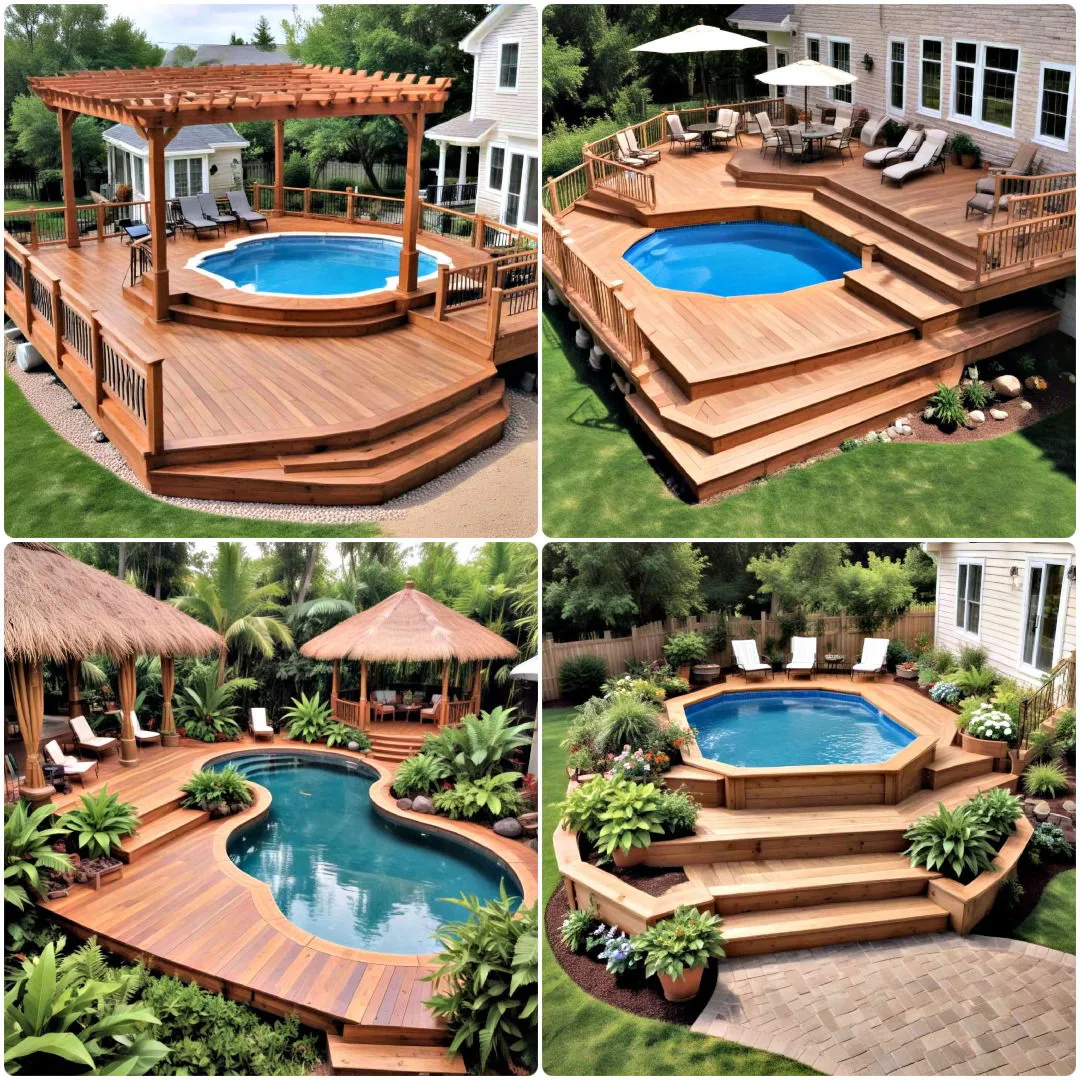
Image source: Bing (Web (fair-use with source credit))
Choosing the right size for your above-ground pool is a surprisingly big decision. Get it wrong, and you might end up with a cramped play area or a structure that overwhelms your yard. Figuring out what is the best size above ground pool means looking at how you'll actually use it, how much space you have, and what fits your budget.
Manufacturer specifications for a 15-foot round pool often cite a water volume of around 1,200 gallons, giving you a solid starting point for what to expect. Let's dive into how to match a pool size to your specific needs and space.
Quick Answer
The best size above ground pool depends on your yard size, family, and intended use. For small yards and young kids, an 8 to 12-foot round pool is ideal. Families wanting more space for play or light swimming should consider 15 to 18-foot rounds or 12×24-foot ovals.
Large yards and active swimmers benefit most from 24-foot rounds or larger ovals.
Why Pool Size Isn't One-Size-Fits-All
You might think bigger is always better, but with above-ground pools, it's more about the right fit. A pool that's too large for your yard can feel overwhelming and might even be difficult to install properly, especially if your ground isn't perfectly level. On the flip side, a pool that's too small can quickly feel crowded, limiting how you can use it for swimming, games, or just relaxing.
Think about your family's needs as they grow or change. What works for toddlers might not be enough for teenagers who want to play Marco Polo or for adults wanting to do a few laps. It's a balance between maximizing your enjoyment and making sure the pool is a practical and safe addition to your home.
Your Yard Space: The Ultimate Pool Sizing Rule
Your backyard is the canvas for your pool, and its size and shape dictate what's possible. You need more than just the pool's diameter; consider the surrounding area needed for safe access, a deck or patio, and general maneuverability. Manufacturers often recommend at least 3 to 5 feet of clear space around the entire perimeter of an above-ground pool.
This buffer zone is crucial for safety, allowing easy access for maintenance and preventing accidental falls.
When measuring, remember to account for any slopes, existing structures like sheds or decks, and overhead obstructions like tree branches or power lines. A level surface is key for the structural integrity of most above-ground pools, and significant leveling can add to installation costs. For example, a 24-foot round pool, while great for swimming, requires a substantial amount of flat, clear ground, often over 400 square feet of unobstructed space, per standard installation guidelines from organizations like the Association of Pool & Spa Professionals.
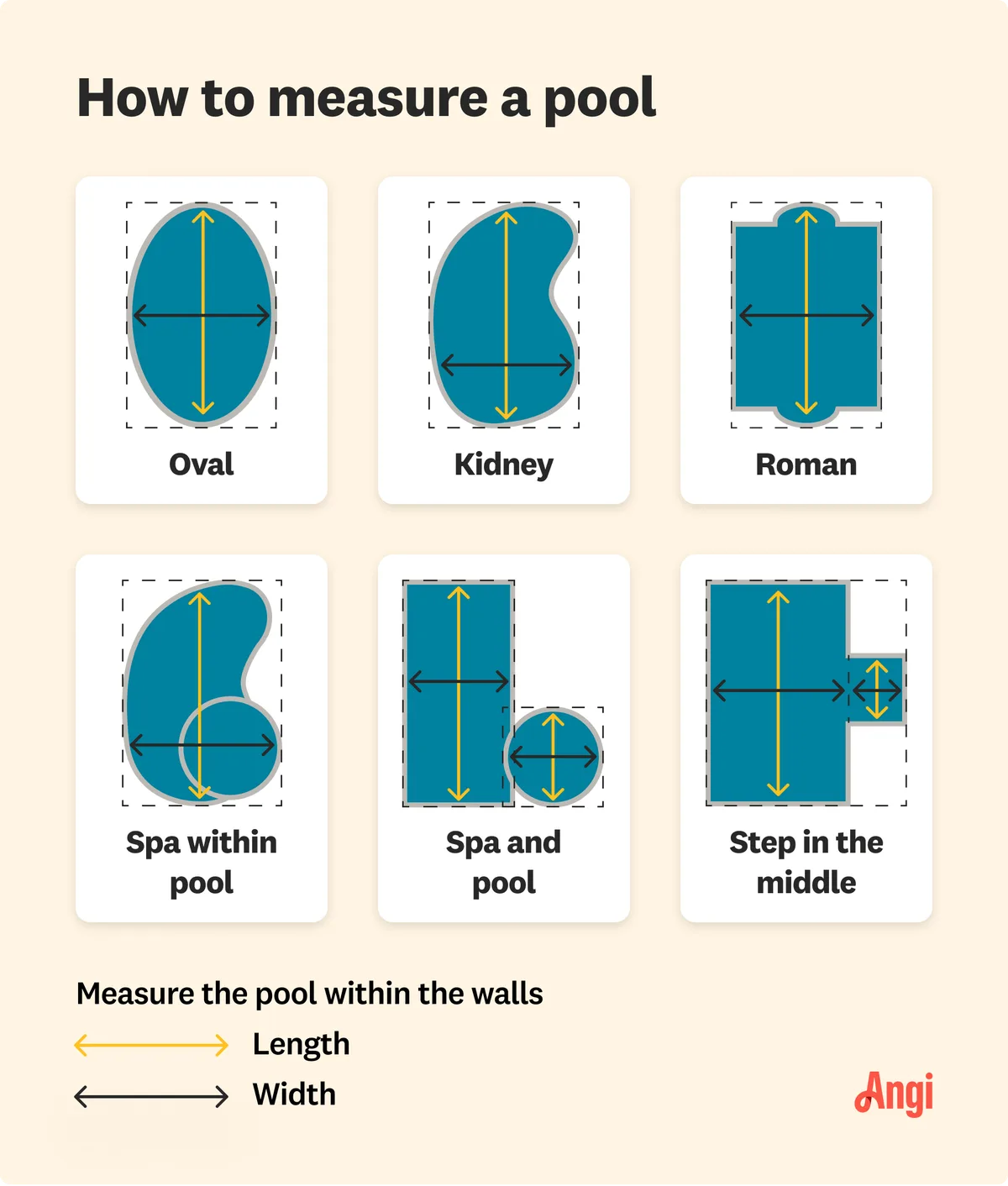
Image source: Bing (Web (fair-use with source credit))
- Measure your intended pool spot: Use a measuring tape to get precise dimensions.
- Factor in clearance: Add at least 5 feet around the pool for access and safety.
- Check for levelness: Use a long spirit level or a laser level to assess the ground.
- Identify obstacles: Note trees, sheds, play structures, and overhead lines.
Round vs. Oval: Which Shape Fits Your Needs Best?
The shape of your above-ground pool impacts both its use and how it fits into your yard. Round pools are generally the most common and often the easiest to set up. Their symmetrical design means water pressure is distributed evenly, making them very stable.
They also tend to be more space-efficient for a given water volume, meaning you can get a larger swimming area in a smaller footprint compared to some oval designs.
Oval pools, however, offer a different kind of utility. They provide a longer, more rectangular swimming area, which can be better for those who enjoy swimming back and forth or playing with pool noodles. While they can require more complex support structures, an oval pool can be a great solution for narrower yards where a large round pool wouldn't fit comfortably.
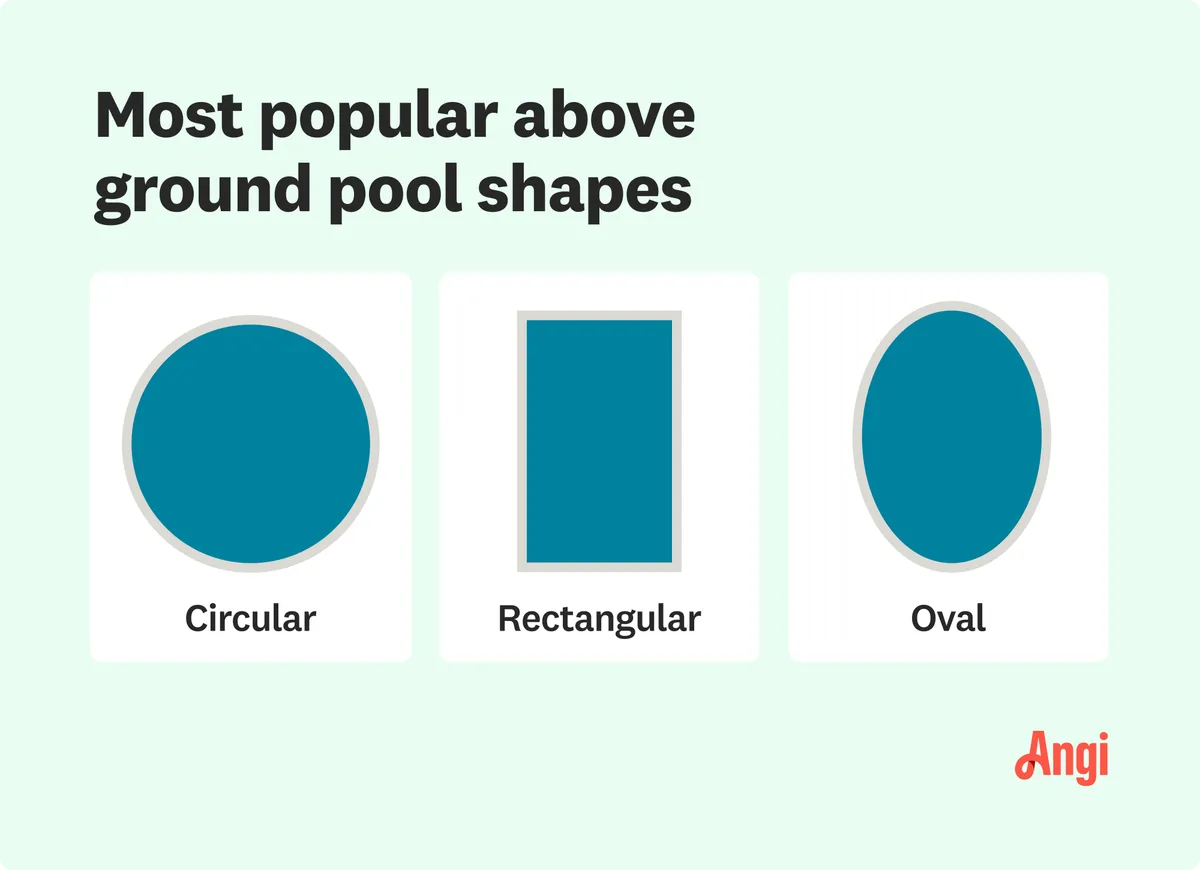
Image source: Bing (Web (fair-use with source credit))
- Round Pools:
- Even water distribution.
- Typically easier installation.
- Efficient use of space for volume.
- Good for socializing and casual play.
- Oval Pools:
- Offer a longer swim lane.
- Can fit narrower yards.
- May require more complex support.
- Better for lap swimming or water sports.
Pool Dimensions & Water Volume: What They Mean for You
Understanding pool dimensions goes beyond just diameter or length and width; it's about the volume of water you'll be dealing with. This directly impacts the cost to fill, the amount of chemicals needed, and how much work it is to maintain. A standard 15-foot round pool, for instance, holds roughly 1,200 to 1,500 gallons of water, depending on its exact depth.
A shallower pool (around 30 inches) will use less water and chemicals than a deeper one (like 52 inches). Deeper pools, while offering more swimming space, will also increase your utility bills for water and require more potent or larger quantities of pool treatments. Consider the average rainfall in your area as well, as this can contribute to your pool's water level over time.
Common Pool Size Mistakes to Steer Clear Of
When choosing an above-ground pool size, there are a few common missteps that can lead to disappointment. One of the biggest is underestimating the actual space needed. People often just look at the pool's diameter and forget about the surrounding deck, filtration equipment, and safe clearance zones.
This can result in a pool that feels cramped or unsafe once everything is installed.
Another frequent mistake is picking a pool that's too small for the intended users. A pool that's perfect for toddlers might quickly become boring for older children or adults. Similarly, if you plan to host pool parties or engage in water games, a smaller pool will feel crowded very fast.
It's often wise to size up slightly from what you think you might need, as most pools are built to last many seasons, and you don't want to outgrow it after just one summer.
Also, don't overlook the depth. While most above-ground pools are between 30 and 52 inches deep, this difference is significant for how the pool is used. A 30-inch deep pool is great for very young children but offers little for adult swimmers.
Opting for a 48 or 52-inch depth provides more versatility for a wider range of ages and activities.
Consider also the ongoing costs associated with larger pools. Filling a 24-foot round pool can use upwards of 3,000 gallons of water, which can be a significant expense depending on your local water rates and whether you're filling it from a municipal supply or a well. Chemical costs also scale with water volume, meaning larger pools require more frequent and potentially more expensive treatment regimens to keep the water clean and safe.
Always check the pool's specifications against your local building codes or homeowner association rules before purchasing, as some areas have restrictions on pool size or placement. Ignoring these regulations could lead to fines or even forced removal of the pool. Therefore, the "best" size is a multifaceted choice balancing enjoyment, practicality, and adherence to guidelines.
Who's Swimming? Matching Pool Size to Your Family & Activities
The people who will use the pool and how they'll use it are critical factors in selecting the right size. For a family with very young children who will primarily use the pool for wading and splashing, a smaller diameter pool, perhaps 8 to 12 feet round, with a shallower depth of around 30 inches, is often sufficient and manageable. This size also makes it easier for parents to supervise closely.
If your family includes a mix of ages, from toddlers to teens, or if you envision more active water play like splashing, throwing toys, or even some gentle swimming, you'll want more room. A 15-foot or 18-foot round pool, or an oval shape like a 12×24 foot, provides that extra space. These sizes allow multiple children to play without bumping into each other constantly and give adults a bit more room to relax in the water.
For serious swimming or if you frequently host friends and family for pool parties, a larger 24-foot round or an even bigger oval pool is advisable. This offers a better swim experience and accommodates more people comfortably.
Frequently Asked Questions About Above Ground Pool Sizes
What's the minimum yard size for an above-ground pool?
Generally, for an 8-foot round pool, you'll need at least 18 feet of clear, level diameter space. For larger pools like an 18-foot round, you might need 28 feet or more of clear diameter space. Always add at least 3-5 feet around the pool for safety and access.
Can I put an oval pool in a small yard?
Yes, oval pools can be ideal for narrower yards because their length allows for a decent swim path without taking up as much width as a comparably sized round pool. Measure your yard's length and width to ensure there's adequate clearance around the oval.
How much does it cost to fill a large above-ground pool?
Filling a 24-foot round pool with approximately 3,000 gallons of water can cost anywhere from $100 to $300 or more, depending on your local water rates and whether you use a hose or hire a water delivery service.
Is a deeper pool always better?
Not necessarily. Deeper pools (52 inches) offer more swimming depth but require more water and chemicals, and can be harder for very young children to use safely. A 48-inch depth is often a good compromise for most families, providing ample space without excessive water or maintenance demands.
What's the difference in maintenance between small and large pools?
Larger pools require more chemicals to maintain water balance, larger filtration systems, and more time for cleaning. Smaller pools are generally less demanding in terms of upkeep and chemical costs.
This means that while a large pool offers more fun, it also comes with a greater commitment to ongoing care and expense.
Choosing the right size pool is about aligning your expectations with your available resources and lifestyle, ensuring you get the most enjoyment out of your backyard investment for years to come.
Your Perfect Pool Size: The Final Verdict
Ultimately, the "best" size above ground pool is the one that best fits your unique situation. There’s no single answer, but by considering your yard’s dimensions, who will be using the pool, and what activities you plan on enjoying, you can make a well-informed decision. For instance, if you have a compact yard and only need a place for very young children to cool off, an 8-foot round pool around 30 inches deep is likely your perfect match.
However, if you envision family gatherings with teenagers who want to swim and play games, a larger 18-foot round or a 12×24 foot oval pool with a 48-inch depth would be a much better fit. Remember to factor in not just the initial purchase price but also the ongoing costs of water, chemicals, and maintenance, which increase with pool size. As of 2026, ensuring you have adequate space for safe access and equipment is paramount, often requiring 3 to 5 feet of clear area around the pool's edge.

