

What is the best shop vacuum? That question has no single answer, and that's exactly why so many people buy the wrong one. You're not looking for the most powerful model on the shelf.
You're looking for the one that fits your workspace, your messes, and your budget.
Most home shop vacs range from 100 to 300 CFM of airflow, with tank sizes from 2.5 gallons up to 16 gallons. As of 2026, cordless models have also become genuinely competitive with plug-in units. Those numbers matter less than how you'll actually use it, so let's break down the real decision process.
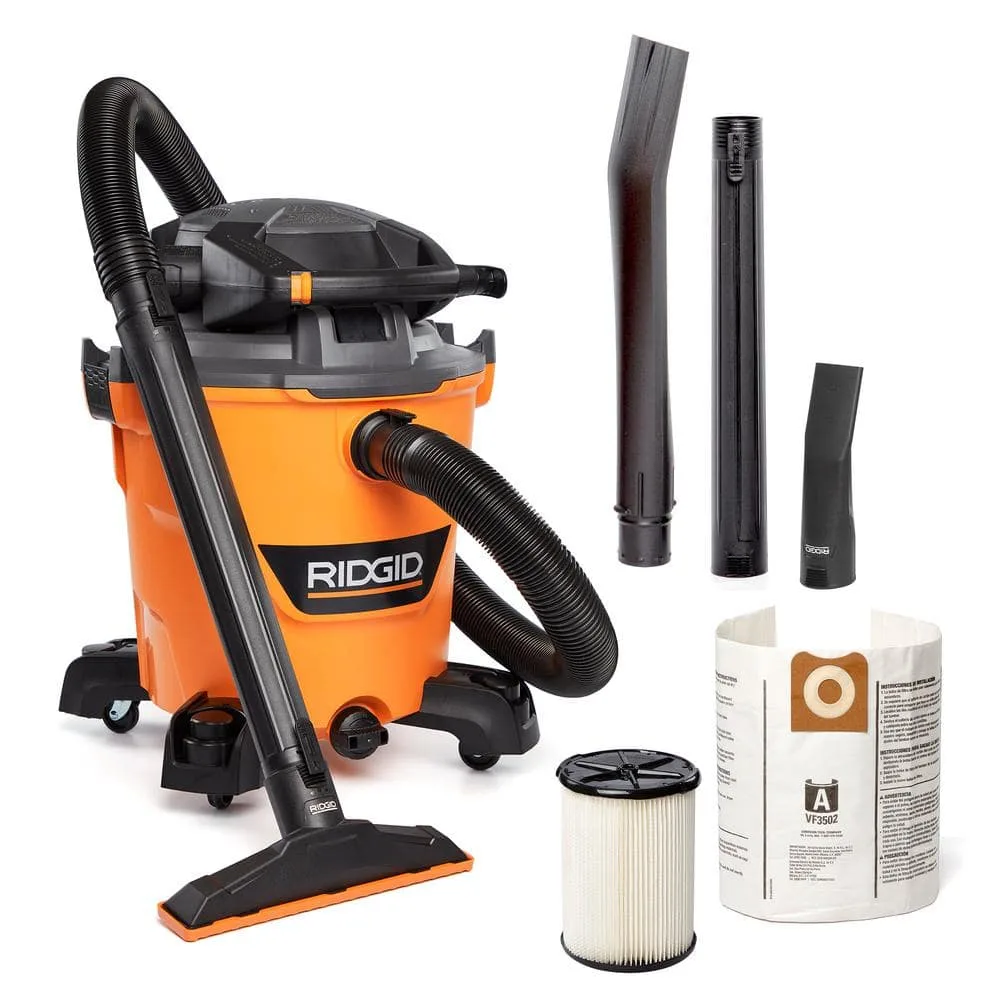
Image source: Web (Bing) / homedepot.com (Web image (fair-use with source credit))
Quick Answer
The best shop vacuum is the one that matches your debris, your space, and your power source. A 5-gallon corded unit with a cartridge filter covers most home garages. A 12-gallon model with a blower port handles construction work.
Fine dust work needs a HEPA filter. Wet pickup needs a foam sleeve. Choose based on those four things.
Why “Best” Is a Trick Question
Ask ten people what the best shop vacuum is and you'll get ten different answers. A woodworker cares about fine dust control. A contractor needs raw suction and durability.
A homeowner just wants something that cleans the garage without taking up half the wall.
Those different needs point to different models. That's not a marketing cop-out. It's the reality of wet/dry vacuums, which are designed around a handful of trade-offs.
The main trade-offs are:
- Suction power versus portability
- Filter efficiency versus airflow
- Tank size versus storage footprint
- Corded reliability versus cordless convenience
If you buy the biggest, loudest, most expensive unit because someone online called it "the best," you might end up with a 16-gallon beast you can't lift onto the stairs. Meanwhile, a compact 5-gallon model with the right filter could handle 90% of your messes.
So instead of comparing spec sheets, start with your own conditions. Where do you clean? What do you vacuum?
How often? Answer those three questions and the category narrows fast.
How a Shop Vac Actually Works
A shop vac is a simple machine. A fan moves air, and that moving air carries debris into a drum. The drum holds the mess while a filter keeps dust from blowing back out the exhaust.
But not all fans are the same. There are two basic designs you'll see in product specs: single-stage and dual-stage.
Single-stage fans spin one impeller. They move high volume at lower pressure. That's why they're common in home models.
They pick up drywall dust and spilled cat litter without struggling.
Dual-stage fans stack two impellers. They create much higher static pressure, which means stronger water lift and better performance on dense, heavy debris. Pro and contractor models often use them.
They also pull more power and cost more.
Your debris type should dictate the design:
- Sawdust and dry chunky debris: single-stage is fine
- Wet leaves, nails, screws, heavy sand: dual-stage helps
- Fine dust like drywall compound: filter quality matters more than fan stage
A shop vac's motor is almost never the weak link. The weak link is usually the filter, the hose, or the seal between the lid and the drum. Keep that in mind when you read reviews.
The Specs That Actually Matter
Manufacturers love to advertise peak horsepower. It's a marketing number that measures the motor's theoretical output, not real suction. Don't shop by it.
The two numbers that matter are CFM and water lift.
CFM stands for cubic feet per minute. It measures airflow volume. Think of it as the amount of air the vacuum can move.
More CFM helps with large, lightweight debris like leaves and sawdust.
Water lift is a static suction measurement. It tells you how high the vacuum can pull a column of water. This matters for grabbing dirt stuck in carpet, cracks, or dense material.
Here's a rough guide:
| Spec | Home / DIY | Contractor / Pro |
|---|---|---|
| CFM | 100–200 | 200–300+ |
| Water lift | 50–80 inches | 80–110+ inches |
| Tank size | 2.5–8 gallons | 10–16 gallons |
| Hose diameter | 1-1/4" to 1-7/8" | 2-1/2" |
| Price range | $40–$120 | $150–$500+ |
The hose diameter matters more than most people think. A 2-1/2-inch hose moves big chunks easily but feels clunky. A 1-1/4-inch hose is easier to handle but clogs faster with drywall chunks.
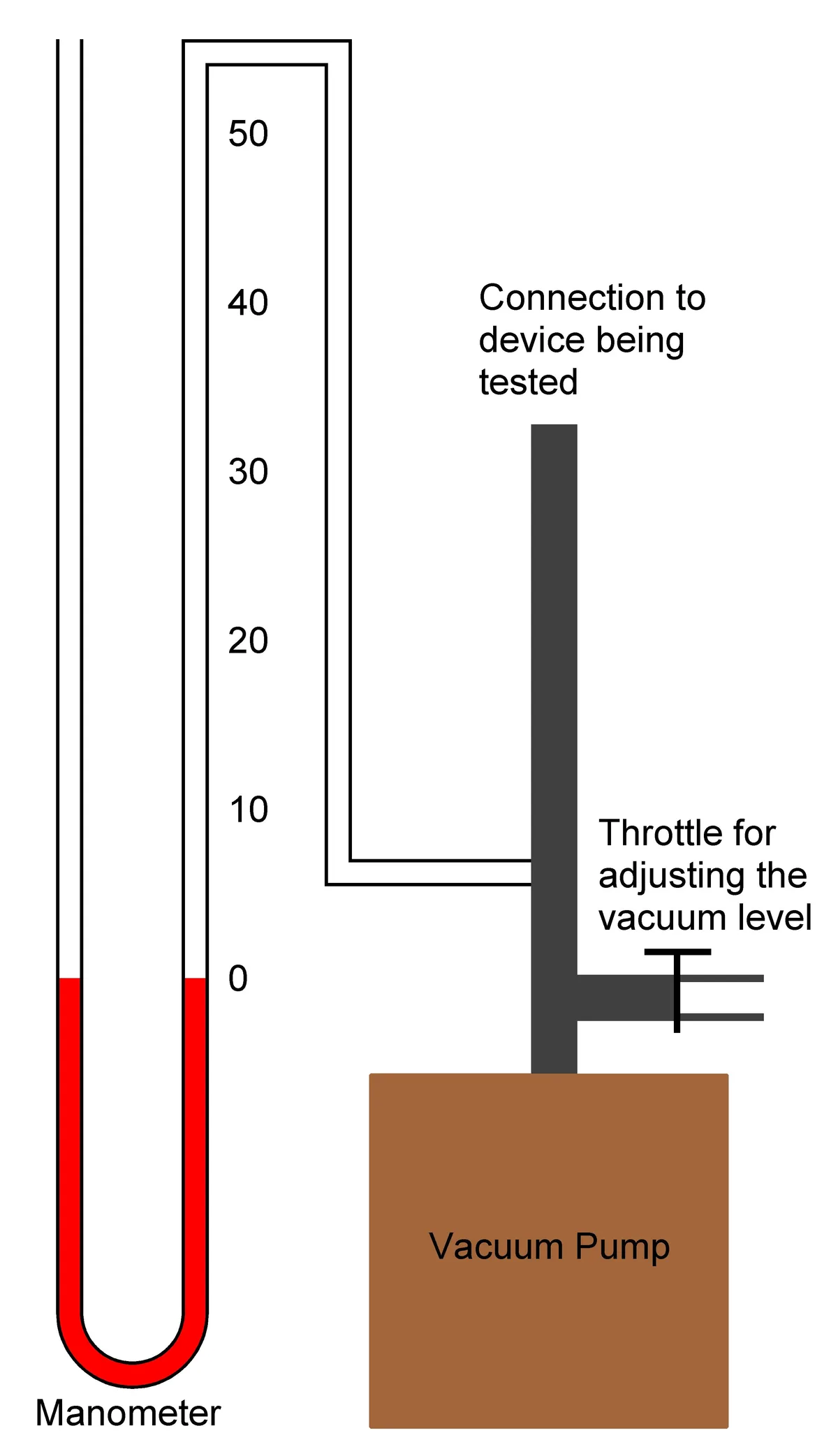
Image source: Bing (Web (fair-use with source credit))
Cord length is another overlooked spec. A 6-foot cord means you'll need an extension cord even in a small garage. Look for at least 15 feet if you're moving around a lot.
Corded vs. Cordless: The First Big Decision
This is the first choice you make because it changes everything else. Corded models give you endless runtime and better suction for the price. They're heavier, louder, and stuck near an outlet.
Cordless models have gotten genuinely good in recent years. As of 2026, several models run 30 to 60 minutes on a charge and offer enough suction for most home tasks. They're ideal for cars, boats, and quick workshop cleanups.
Here's the honest trade-off table:
| Feature | Corded | Cordless |
|---|---|---|
| Runtime | Unlimited | 20–60 minutes |
| Suction | Higher CFM | Moderate CFM |
| Weight | 10–30 lbs | 5–12 lbs |
| Noise | Louder | Quieter |
| Price | Lower | Higher |
| Best for | Continuous work | Portability |
If you're a contractor working all day, corded still wins. If you're a DIYer dragging a vac to the driveway, cordless feels freeing.
There's also a middle option: corded models with a tool trigger. That lets the vacuum turn on automatically when you plug a sander or circular saw into its outlet. That's a huge feature for woodworking, and it doesn't cost much.
Filters, Bags, and Wet/Dry Switching
Filter type might be the most important spec, because it decides whether you can safely vacuum fine dust or switch to wet pickup without ruining the vacuum.
Most shop vacs come with a cartridge filter. It's a pleated cylinder that works well for moderate dust and can be tapped clean. Many cartridges are washable, which extends their life.
For fine dust like drywall sanding or concrete dust, you want a HEPA filter. A true HEPA filter captures 99.97% of particles at 0.3 microns. That's a meaningful difference for your lungs and your air filter.
Standard cartridge filters let a lot of that fine dust escape.
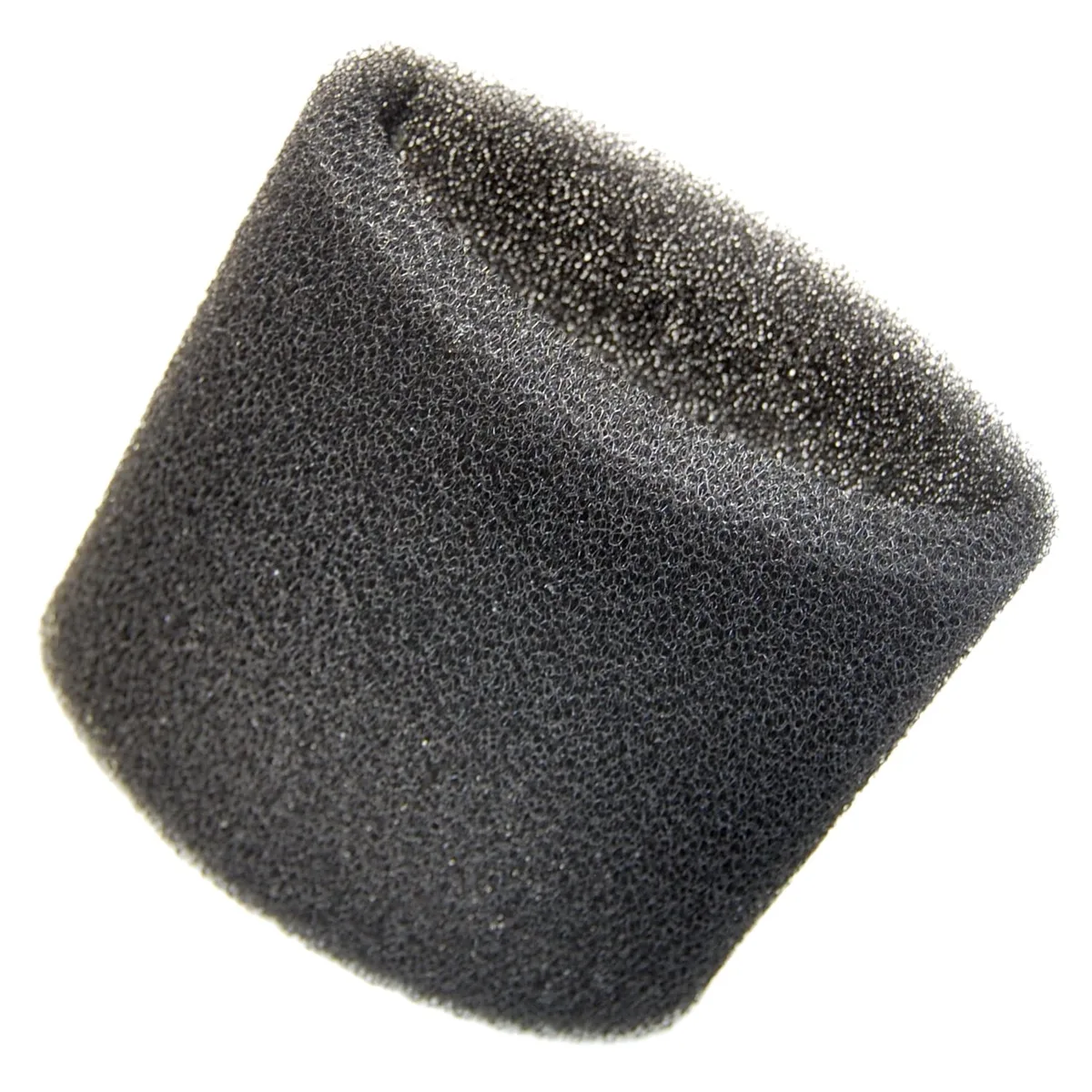
Image source: Web (Bing) / amazon.com (Web image (fair-use with source credit))
For wet pickup, you need to switch to a foam sleeve filter. The pleated cartridge will soak up water and clog. Foam repels moisture and lets water pass through to the tank.
Some models advertise a "wet/dry switch" that routes air around the filter. That works well, but you still need the right filter installed for each job.
Bagged models are another option. Bags catch dust before it reaches the filter, which keeps suction strong and makes emptying cleaner. The downside is you have to buy bags.
If you vacuum a lot of fine dust, consider a model that accepts bags.
One more thing: don't vacuum drywall dust without a bag or HEPA filter, then try to vacuum water afterward. The two jobs require different setups. Learning to switch filters fast makes the whole experience painless.
The Main Contenders: Brands Worth Your Money
Ridgid is the home-garage favorite. Sold at The Home Depot, their 5-gallon and 8-gallon models offer strong suction, decent durability, and a lifetime service agreement on the motor and tank. They're a safe starting point.
DeWalt builds tough, contractor-focused units. Their cordless models work with the same batteries as their power tools. If you already own DeWalt tools, that's a huge practical advantage.
Milwaukee makes high-performance vacs with excellent build quality. Their cordless PACKOUT models lock into a modular storage system. They're expensive, but pros often say they're worth it.
Festool is the woodworker's answer. Their CT dust extractors are technically dust extractors, not plain shop vacs. They offer superior HEPA filtration, quieter operation, and tool-trigger integration.
They cost as much as a small appliance, and for fine dust, they deliver.
Shop-Vac is the original brand. They make budget models that are affordable and easy to find. Build quality varies, but the price is right for light duty work.
Craftsman, Vacmaster, and Metabo HTP also offer solid options. The best brand for you is the one whose features match your messes, not the one with the loudest marketing.
Side-by-Side Comparison: Top Picks at a Glance
Comparing exact models changes every year, but the categories remain stable. Here's how the main styles stack up for different owners.
| Use Case | Recommended Type | Tank Size | Key Spec to Check |
|---|---|---|---|
| Home garage DIY | Corded Ridgid-style, cartridge filter | 5–8 gallons | 200 CFM, 2-1/2" hose |
| Fine woodworking | HEPA dust extractor with tool trigger | 8–10 gallons | 99.97% filtration |
| Construction debris | Heavy-duty dual-stage, corded | 12–16 gallons | 100+ inches water lift |
| Auto detailing | Cordless compact | 2.5–5 gallons | Runtime, small hose |
| Water cleanup | Wet/dry model with foam sleeve kit | 8–12 gallons | Blower function |
A few patterns stand out. Home users rarely need more than 8 gallons. Contractors should prioritize hose diameter and water lift over features like Bluetooth.
Woodworkers should spend heavily on filtration and tool-activated power.
Best For… Which One Should You Pick?
Home garage and DIY: Pick a corded 5-gallon model from Ridgid or Shop-Vac. It handles sawdust, spilled screws, and car mats. A cartridge filter and a blower port are the two features worth paying for.
Fine dust and woodworking: Spend more. Choose a HEPA model with tool-trigger auto start, ideally a Festool or a DeWalt corded extractor. Your lungs and your workshop air filters will thank you.
Construction debris and heavy use: Prioritize dual-stage suction, a steel tank, and a 2-1/2-inch hose. Milwaukee and DeWalt are strong choices. Expect to pay more and haul more weight.
Auto detailing and water pickup: Go cordless. A compact 2.5-gallon or 5-gallon unit makes quick work of car interiors. If you're picking up water in a flooded basement, switch to a larger wet/dry model with a foam sleeve.
Add-Ons That Change the Game
A few accessories can make a budget shop vac feel like a premium one. A cyclonic separator sits between the hose and the tank, spinning debris into a separate bucket. That keeps the main filter cleaner and preserves suction.
Tool triggers are worth the money if you sand or saw indoors. Some vacuums have a 12-volt outlet built in. Others need a remote switch.
Either way, auto-start power is a game changer.
An extra-long hose, a crevice tool, and a soft brush attachment expand what the vacuum can reach. You can pick up a full kit for under $25. Check the hose size before buying attachments.
A 1-1/4-inch hose won't fit a 2-1/2-inch floor nozzle without an adapter.
Common Mistakes to Avoid
Buying on peak horsepower tops the list. It's a spec designed to impress, not to predict performance. Ignore it.
Forgetting to change filters for wet pickup is another classic. A soaked pleated cartridge clogs fast and kills suction. Keep a foam sleeve nearby.
Emptying a bagless drum like a rookie also causes frustration. Tip the tank slowly and tap it to shake loose dust. Wear a dust mask if you're sensitive.
Many people also buy too small a tank. A 2.5-gallon cordless model sounds cute until you try to clean a drywalled room. It fills up after a handful of minutes.
Don't ignore the cord either. The shortest cords on small models make you chain together extension cords, which adds trip hazards and voltage drop.
Maintenance and Long-Term Care
Shop vacs last years if you treat them gently. After every big use, tap the filter outside to knock off dust. Wash it occasionally with water and let it dry fully before reinstalling.
Check the tank for debris that might have collected under the filter. Give it a wipe with water and mild soap. Empty it before storage so odors don't form.
Inspect the hose for cracks and clogs. A blocked hose reduces suction even when the motor runs fine. Regularly check the seal between the lid and the tank.
A worn gasket lets dust escape and reduces pressure.
Batteries on cordless models need different care. Store them at room temperature and avoid fully draining them every time. That's the same general advice you'd follow for keeping any cordless device running smoothly.
Safety Notes: What Not to Vacuum
Some things should never go into a shop vac. Flammable liquids like gasoline, acetone, or solvents create a serious fire risk. The motor can spark, and vapors can ignite.
Fine toxic dust like lead or silica requires special handling. A standard shop vac won't contain those particles safely. OSHA's silica regulation sets specific dust control requirements for construction and demolition work.
If you're doing that kind of job, you need a vacuum rated for hazardous dust, not a garage model. The OSHA silica standard outlines these requirements.
Never vacuum hot ashes. Embers can smolder inside the drum and damage the filter. Let everything cool completely first.
Use a GFCI outlet when doing wet pickup. Water and electricity don't mix. Also unplug the vacuum before changing filters or clearing a jam.
Quick Verdict: The Decision Guide
If you made it here, here's your shortcut.
For most people, the best shop vacuum is a corded 5-gallon model with a cartridge filter and a blower port. Ridgid and Shop-Vac make reliable versions under $100. That setup handles the vast majority of garage and workshop messes.
If fine dust is your main problem, step up to a HEPA dust extractor with tool-trigger startup. Festool leads that category, but it costs and it's worth it for serious woodworking.
If you work on construction sites all day, buy a heavy-duty 12-gallon dual-stage corded unit. Hose diameter and water lift matter more than any other spec.
And if you're always moving between car and garage, grab a quality cordless model with a second battery.
Frequently Asked Questions
What is the difference between CFM and water lift?
CFM measures airflow volume. Water lift measures suction strength. Airflow helps with bulky debris.
Water lift helps with dense material and dirt in crevices. Good shop vacs balance both numbers.
Can I use one shop vac for wet and dry pickup?
Yes, but you must swap the filter. Use a cartridge or bag for dry messes. Use a foam sleeve for water.
Some models have a dedicated wet/dry switch that routes air around the filter.
Do I really need a HEPA filter?
Only if you vacuum fine dust like drywall compound, concrete, or soot. A HEPA filter traps 99.97% of particles at 0.3 microns. For standard garage debris, a good cartridge filter is enough.
How many gallons do I need?
Five gallons suits a typical home garage. Eight gallons is a comfortable middle ground. Contractors should look at 12 gallons or more.
Bigger tanks mean longer work sessions but heavier lifting.
Are cordless shop vacuums worth buying?
Yes, if portability matters most. Modern cordless models run 30 to 60 minutes and handle light workshop tasks well. For continuous heavy cleanup, corded models still win on suction and runtime.

