
Are you tired of seeing your furniture lose its shine and charm over time? You want your wooden tables, chairs, and cabinets to look fresh and inviting, but choosing the right cleaner and polish can be confusing.
With so many products out there, how do you find the one that truly protects and restores your furniture? You’ll discover the best furniture cleaner and polish options that work wonders without damaging your prized pieces. Keep reading to learn how to bring back that beautiful glow and keep your furniture looking brand new for years to come.
Types Of Furniture Cleaners
Furniture cleaners come in different types to meet various cleaning needs. Choosing the right type helps keep your furniture clean and shiny. Each type works best on certain materials and finishes. Understanding these types makes cleaning easier and more effective.
Water-based Cleaners
Water-based cleaners are gentle and safe for many surfaces. They dissolve dirt and grime without harsh chemicals. These cleaners dry quickly and leave no sticky residue. Ideal for sealed wood and laminate furniture. They help maintain the furniture’s natural look.
Oil-based Cleaners
Oil-based cleaners nourish and protect wood furniture. They add shine and help prevent drying or cracking. These cleaners often contain natural oils like lemon or beeswax. Best for unsealed or antique wood pieces. They enhance the wood grain and color beautifully.
Natural And Organic Options
Natural cleaners use plant-based ingredients without synthetic chemicals. They are safe for children and pets. These options often include vinegar, baking soda, or essential oils. Good for light cleaning and polishing tasks. They keep furniture fresh and free from harsh toxins.
Specialty Cleaners For Different Materials
Specialty cleaners target specific furniture materials like leather or metal. Leather cleaners soften and condition without causing damage. Metal cleaners remove rust and restore shine. Glass and plastic cleaners leave no streaks or smudges. Using the right specialty cleaner extends furniture life.
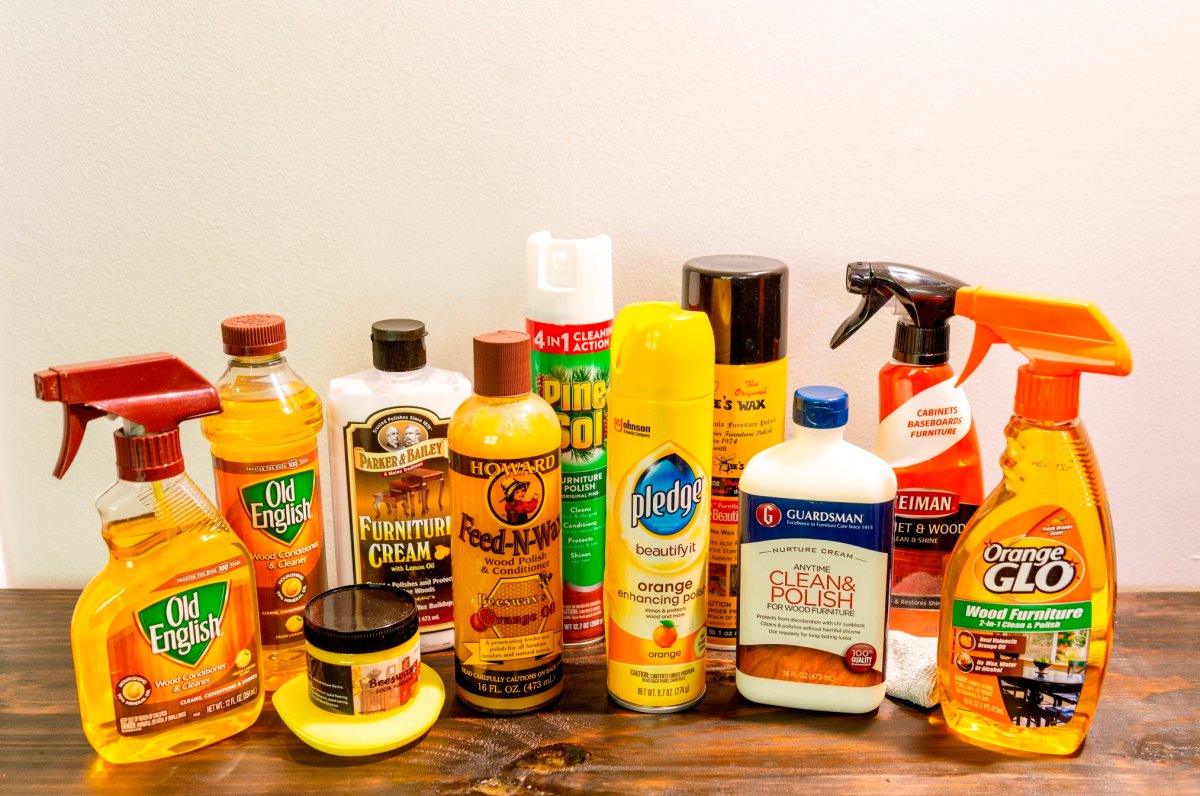
Top Furniture Polish Varieties
Choosing the right furniture polish helps keep wood surfaces clean and shiny. Different polishes suit various types of furniture and finishes. Understanding the main types can guide you to the best choice for your needs.
Some polishes protect wood, while others add a rich shine. Each type has a unique way of caring for your furniture. Here are the top furniture polish varieties to consider.
Wax Polishes
Wax polishes create a protective layer on wood surfaces. They help hide small scratches and add a soft shine. Wax is good for older furniture and natural wood. It needs buffing to bring out the best shine. Wax polishes may require reapplication after some time.
Spray Polishes
Spray polishes are easy to apply and dry quickly. They clean dust and fingerprints while adding a light shine. Spray polishes suit daily cleaning and quick touch-ups. They work well on sealed wood and laminate furniture. Some sprays also have dust-repellent properties.
Cream And Paste Polishes
Cream and paste polishes offer deep conditioning for wood. They nourish dry and dull surfaces with oils and waxes. These polishes help restore lost moisture and shine. Creams and pastes suit high-quality and antique furniture. They require gentle rubbing to apply evenly.
Eco-friendly Polishes
Eco-friendly polishes use natural ingredients, safe for people and pets. They avoid harsh chemicals and strong smells. These polishes work well on all wood types and finishes. Eco-friendly options protect the environment and your home. Many contain plant oils and beeswax for gentle care.
Choosing The Right Cleaner For Your Furniture
Choosing the right cleaner for your furniture helps keep it beautiful and long-lasting. Different materials need different care. Using the wrong product can damage the surface or reduce its life. Understanding your furniture type helps you pick the best cleaner and polish. This guide explains how to care for wood, leather, upholstered, metal, and glass furniture.
Wood Furniture
Wood furniture needs gentle cleaning. Use cleaners made for wood surfaces only. Avoid harsh chemicals that strip natural oils. A soft cloth with a mild cleaner works best. Polishes with natural oils help protect and shine wood. Regular dusting prevents scratches and dirt buildup.
Leather Furniture
Leather needs special care to stay soft and strong. Choose cleaners designed for leather materials. Avoid water-based products that dry out leather. Use a damp cloth to wipe dirt gently. Leather conditioners restore moisture and prevent cracks. Test products on a small area first.
Upholstered Furniture
Upholstered furniture requires fabric-safe cleaners. Check the label for cleaning codes before use. Spot cleaning with mild soap and water often works well. Avoid soaking the fabric to prevent damage. Vacuum regularly to remove dust and crumbs. Professional cleaning may be needed for tough stains.
Metal And Glass Surfaces
Metal and glass furniture needs cleaners that do not scratch. Use soft cloths and non-abrasive products. Glass cleaners with ammonia work well for shiny surfaces. For metal, choose cleaners that prevent rust and tarnish. Wipe dry to avoid water spots and streaks.
Key Ingredients To Look For
Choosing the right furniture cleaner and polish means knowing what ingredients help protect and shine your wood. Good products contain key components that clean, nourish, and protect wood surfaces. These ingredients keep furniture looking fresh and extend its life.
Moisturizing Agents
Moisturizing agents prevent wood from drying out and cracking. They add hydration to the surface, keeping wood soft and smooth. Ingredients like natural oils or glycerin help maintain wood’s natural moisture balance. This keeps furniture healthy and less prone to damage.
Protective Waxes
Waxes form a thin barrier on wood to guard against dirt and scratches. They create a soft shine that enhances wood grain and color. Beeswax and carnauba wax are common choices for safe, natural protection. Wax layers also repel water and dust, making cleaning easier.
Antistatic Components
Antistatic ingredients reduce dust buildup on furniture. They stop static electricity that attracts dirt and particles. This keeps surfaces cleaner longer and reduces the need for frequent cleaning. Polishes with antistatic agents help maintain a neat, dust-free look.
Safe Solvents
Solvents dissolve old polish and dirt without harming wood. Safe solvents evaporate quickly and leave no sticky residue. Water-based solvents are gentle and eco-friendly. Avoid harsh chemicals that can strip wood or dull finishes. Safe solvents keep furniture clean and protected.
Diy Furniture Cleaning And Polishing Tips
Cleaning and polishing furniture at home saves money and keeps wood looking fresh. Simple ingredients and safe methods protect your furniture’s finish. Regular care helps maintain shine and prevents damage.
Homemade Cleaner Recipes
Mix equal parts vinegar and olive oil for a natural polish. Use a few drops of lemon juice to brighten wood surfaces. Combine mild dish soap with water for gentle cleaning. Avoid harsh chemicals that can strip wood finish.
Safe Application Techniques
Test any cleaner on a small hidden area first. Use a soft cloth to apply polish in gentle, circular motions. Avoid soaking wood with too much liquid. Wipe off excess cleaner to prevent buildup and streaks.
Maintenance Routines
Dust furniture weekly with a microfiber cloth. Polish wood every two to three months to keep shine. Avoid placing furniture in direct sunlight or near heat sources. Use coasters and pads to protect surfaces from scratches and stains.
Common Mistakes To Avoid
Cleaning and polishing furniture can keep it looking fresh and new. Many make mistakes that harm their furniture instead of helping. Avoiding common errors ensures better care and longer life for your pieces.
Using Harsh Chemicals
Harsh chemicals can damage wood and finishes. They strip away natural oils and cause discoloration. Always choose gentle, furniture-specific cleaners. Test any product on a small, hidden area first.
Over-polishing
Too much polish leaves a sticky, uneven layer. It attracts dust and dirt quickly. Polishing once every few months is enough. Use a soft cloth and apply polish sparingly.
Ignoring Material Specifications
Different furniture materials need different care. Wood, leather, and metal cleaners are not the same. Using the wrong product can cause cracks or stains. Read labels and follow the manufacturer’s advice carefully.

Tips For Long-lasting Furniture Care
Taking care of your furniture helps it stay beautiful and last longer. Good care keeps wood shiny and fabric fresh. Use the right methods to protect your investment. Follow simple tips for strong, lasting furniture.
Regular Cleaning Schedule
Clean your furniture often to stop dust and dirt buildup. Use a soft cloth for dusting. Avoid harsh chemicals that can damage surfaces. Wipe spills quickly to prevent stains and marks. Regular cleaning keeps furniture looking new and fresh.
Proper Storage Conditions
Keep furniture away from direct sunlight to avoid fading. Maintain stable temperature and humidity to prevent cracks and warping. Use covers when storing furniture for long periods. Proper storage protects materials and shape over time.
Handling And Usage Advice
Lift furniture instead of dragging to prevent damage. Avoid placing hot items directly on surfaces. Use coasters and mats to protect finishes. Treat furniture gently to keep it strong and intact. Careful use extends the life of your pieces.

Frequently Asked Questions
What Is The Best Cleaner For Wooden Furniture?
The best cleaner for wooden furniture is a gentle, pH-balanced wood cleaner. It removes dirt without damaging the finish. Avoid harsh chemicals that can strip wood oils. Products with natural oils like lemon or beeswax protect and nourish wood surfaces effectively.
How Often Should I Polish My Furniture?
Polish your furniture every 3 to 6 months to maintain shine and protection. Frequent polishing can build residue, while too little leads to dullness. Regular polishing helps preserve the wood’s natural oils and extends the furniture’s lifespan.
Can I Use Homemade Furniture Cleaner Safely?
Yes, homemade cleaners using vinegar and olive oil work well for wood. They clean and add shine without harsh chemicals. However, always test on a small area first to avoid damage. Avoid using too much vinegar, which can harm finishes over time.
What Ingredients Should Furniture Polish Contain?
Effective furniture polish contains natural oils like beeswax, carnauba, or lemon oil. These nourish wood and add a protective layer. Avoid polishes with silicone, as they can build up and damage finishes. Look for non-toxic, eco-friendly options for safe use.
Conclusion
Choosing the best furniture cleaner and polish keeps your wood looking fresh. Cleaners remove dirt without harming surfaces. Polishes add shine and protect wood from damage. Natural ingredients often work well and are safe. Test any product on a small area first.
Regular care extends the life of your furniture. Simple steps make a big difference. Keep your furniture beautiful with the right cleaner and polish. Easy to use, effective results. Your furniture deserves the best care every day.