If your puppy has a sensitive stomach, you know how tough it can be to find the right food. Feeding your furry friend something that upsets their tummy is frustrating for both of you.
You want to give your puppy the best start in life with meals that are gentle, nutritious, and tasty. But with so many options out there, how do you choose the best dog food for puppies with sensitive stomachs? Keep reading, because this guide will help you make the right choice and keep your puppy happy and healthy every mealtime.
Symptoms Of Sensitive Stomachs In Puppies
Puppies with sensitive stomachs often show clear signs. Recognizing these symptoms early helps keep them healthy. Sensitive stomachs can cause discomfort and affect growth. Knowing the symptoms guides you to choose the best dog food for them.
Common Digestive Issues
Diarrhea is a frequent problem in puppies with sensitive stomachs. Vomiting can also happen, sometimes after meals. Gas and bloating make puppies restless and uncomfortable. Constipation might occur, making it hard for puppies to poop. These signs point to digestion troubles that need attention.
Behavioral Signs To Watch
Puppies may refuse to eat or eat less than usual. They might lick their lips or chew at their paws often. Restlessness and whining can show discomfort in the belly. Some puppies become less playful or seem tired. Watching these behaviors helps detect stomach issues early.
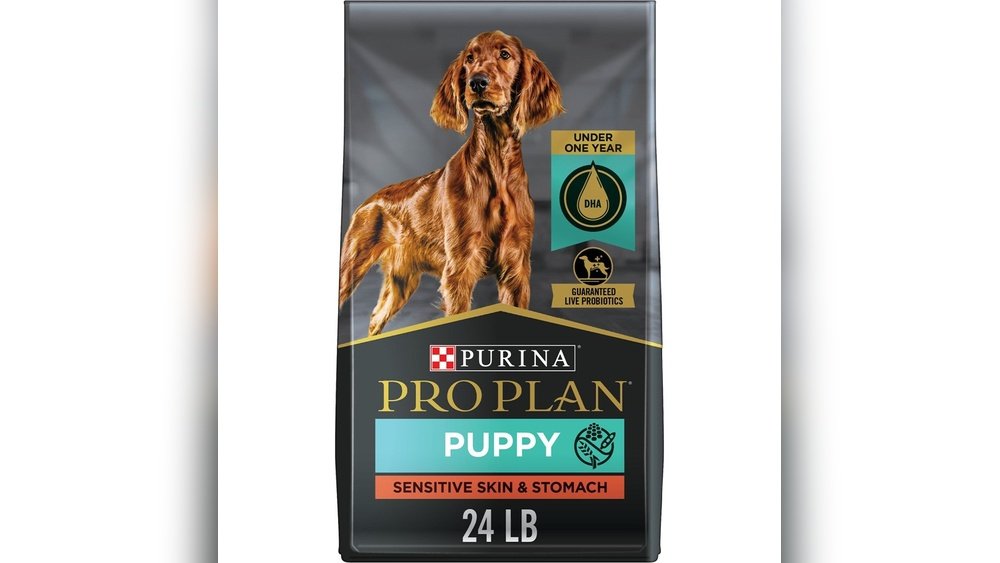
Credit: www.petsmart.com
Key Ingredients For Sensitive Stomach Health
Puppies with sensitive stomachs need special care in their diet. The right ingredients help ease digestion and reduce discomfort. Choosing dog food with key components supports their gut health and overall growth.
Easily Digestible Proteins
Proteins are vital for growth but must be gentle on the stomach. Sources like chicken, turkey, or fish are easier to digest. These proteins reduce the chance of stomach upset and allergies. Avoid complex or heavy proteins that can cause problems.
Soothing Carbohydrates
Carbohydrates provide energy and support digestion. Rice, sweet potatoes, and oats are gentle on sensitive tummies. These carbs break down easily and do not cause irritation. Stay away from grains like corn or wheat, which can be harsh.
Beneficial Probiotics And Prebiotics
Probiotics add good bacteria to the gut, improving digestion. Prebiotics feed these helpful bacteria, keeping the gut balanced. Together, they reduce gas, bloating, and diarrhea. These ingredients boost your puppy’s immune system too.
Top Puppy Foods For Sensitive Stomachs
Puppies with sensitive stomachs need special care through their diet. Choosing the right food helps avoid tummy troubles. It also supports healthy growth and strong immunity.
Many brands offer formulas made to soothe sensitive stomachs. These foods focus on easy digestion and gentle ingredients. Here are some top categories to consider for your puppy.
Grain-free Options
Grain-free dog foods remove common grains like wheat, corn, and rice. These grains sometimes cause allergies or upset stomachs. Grain-free diets use potatoes, peas, or lentils as alternatives. This option can reduce stomach irritation and improve digestion.
Limited Ingredient Diets
Limited ingredient diets contain fewer components to avoid allergens. They focus on one protein source and simple carbs. Fewer ingredients mean less chance of stomach upset. These diets are easy for puppies to digest and gentle on sensitive tummies.
Organic And Natural Choices
Organic and natural puppy foods use ingredients without chemicals or additives. These foods often have higher-quality proteins and vegetables. They avoid artificial flavors and preservatives that might irritate stomachs. Natural options support overall health and digestive comfort.
Homemade Diets For Sensitive Puppies
Homemade diets offer a gentle alternative for puppies with sensitive stomachs. Preparing food at home lets you control every ingredient. This control helps avoid common allergens and irritants found in some commercial dog foods. Fresh, simple meals can support digestion and improve your puppy’s health.
Cooking for your puppy requires care and knowledge. Balanced nutrition is key for growth and energy. Homemade meals can be tasty and soothing for sensitive tummies.
Safe Ingredients To Use
Choose ingredients that are easy to digest. Lean meats like chicken, turkey, or lean beef provide good protein. Rice and sweet potatoes offer gentle carbohydrates. Carrots and green beans add fiber and vitamins without upsetting the stomach. Avoid spices, onions, garlic, and dairy, which can cause reactions. Fresh water is essential to keep your puppy hydrated.
Sample Recipes
Try a simple chicken and rice meal. Boil skinless chicken breast until fully cooked. Mix with cooked white rice and steamed carrots. Another option is turkey and sweet potato. Cook lean turkey meat and mash cooked sweet potatoes. Add chopped green beans for extra nutrients. Serve meals at room temperature to protect sensitive stomachs.
Tips For Transitioning Puppy Food
Switching your puppy’s food needs care. Puppies with sensitive stomachs need extra attention during this change. Sudden changes can cause upset tummies or diarrhea. These tips help make the switch smooth and safe.
Gradual Introduction Techniques
Start by mixing a small amount of new food with the old food. Use about 25% new food and 75% old food for three days. Then, increase the new food to 50% for the next three days. Next, move to 75% new food and 25% old food for three days. Finally, feed 100% new food. This slow change helps the puppy’s stomach adjust without stress.
Monitoring Puppy’s Response
Watch your puppy’s stool and energy levels during the switch. Look for signs of discomfort like vomiting or diarrhea. If your puppy seems upset, slow down the transition. Keep track of eating habits and mood changes too. A happy puppy means the new food suits them well.
:strip_icc()/blue-4ad589cc86ea45fc994c86686acba7b9.jpeg)
Credit: alexismonod.com
When To Consult A Veterinarian
Choosing the right food for puppies with sensitive stomachs can be tricky. Sometimes, symptoms may need more than just diet changes. Knowing when to consult a veterinarian is key to keeping your puppy healthy. Timely advice can prevent serious health problems and ensure your puppy grows strong.
Signs Of Severe Issues
Watch for vomiting that lasts more than 24 hours. Constant diarrhea is a sign to seek help. Blood in stool or vomit needs immediate attention. Severe weight loss or lack of appetite is worrying. Lethargy or unusual behavior means a vet visit is necessary. These signs show the problem might be serious.
Diagnostic Tests
Veterinarians use tests to find the root cause. Blood tests check for infections and organ health. Stool analysis helps detect parasites or bacteria. Allergy tests identify food sensitivities or allergies. Ultrasounds and X-rays show internal problems. These tests guide the vet to recommend the best care.

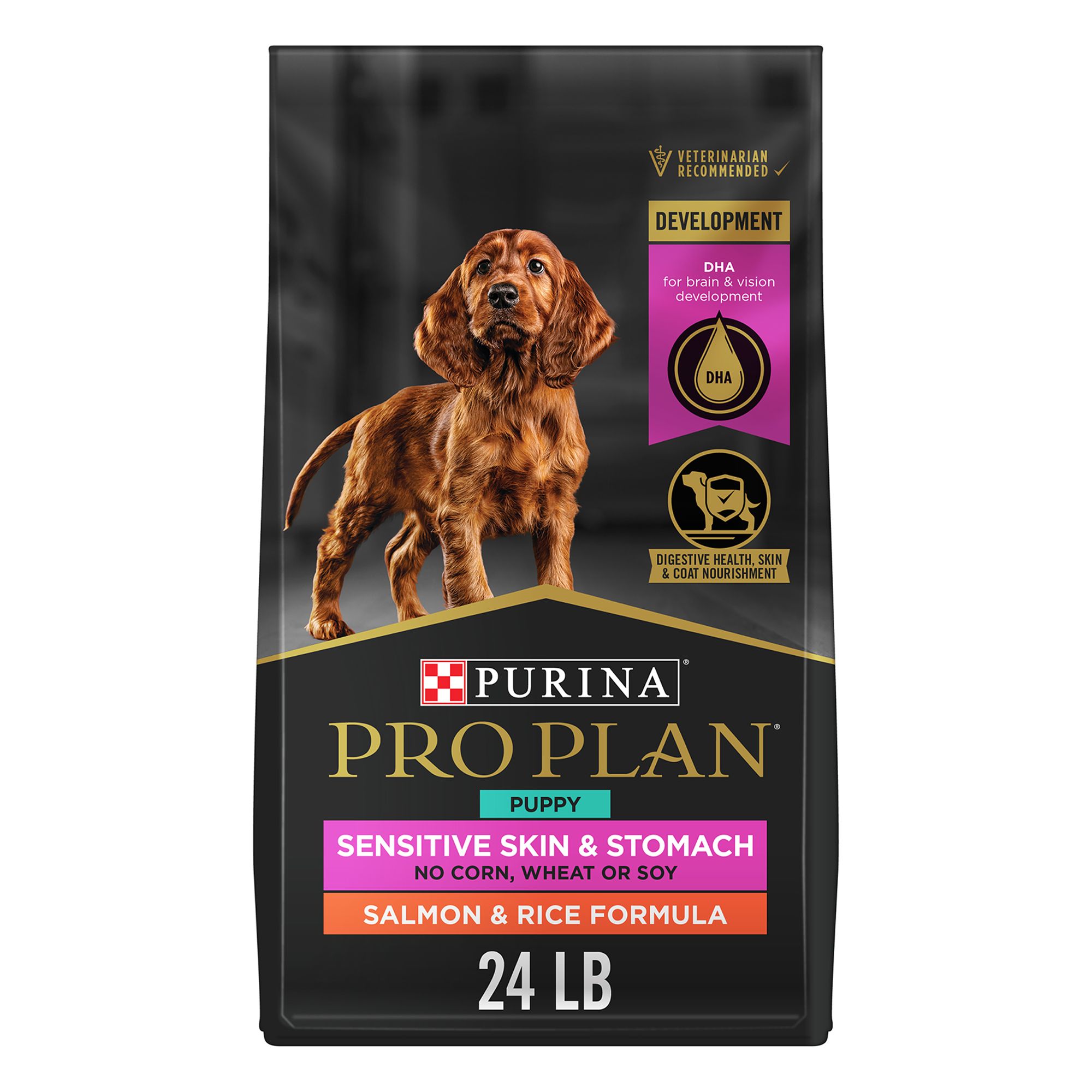
Credit: www.walmart.com
Frequently Asked Questions
What Ingredients Are Best For Puppies With Sensitive Stomachs?
Look for easily digestible ingredients like rice, chicken, and pumpkin. Avoid fillers, artificial additives, and common allergens such as corn and soy. Probiotics and omega-3 fatty acids also support digestion and reduce inflammation in sensitive puppies.
How Can I Identify Sensitive Stomach Symptoms In Puppies?
Watch for frequent vomiting, diarrhea, gas, or bloating. Puppies may also show reduced appetite or lethargy. If symptoms persist, consult a vet to rule out infections or food intolerances and find the best diet.
Are Grain-free Dog Foods Good For Sensitive Stomachs?
Grain-free foods can help if your puppy is allergic to grains. However, not all grain-free options are suitable. Choose formulas with quality proteins and digestible carbs, and always check with your vet before switching.
How Often Should I Feed Puppies With Sensitive Stomachs?
Feed smaller, more frequent meals, about three to four times daily. This helps improve digestion and reduces stomach upset. Avoid sudden food changes and stick to a consistent feeding schedule.
Conclusion
Choosing the right food helps your puppy feel better every day. Sensitive stomachs need gentle, easy-to-digest ingredients. Quality dog food supports growth and overall health. Watch your puppy’s reactions to find the best fit. Patience and care make a big difference in feeding.
Good nutrition builds a happy, strong puppy for life. Keep learning and adjusting as your puppy grows. Healthy eating habits start early and last long. Your puppy deserves the best food for a happy tummy.