

Image source: Bing (Web (fair-use with source credit))
Finding Your Family's Best Above Ground Pool: A Smart Comparison
Deciding what is the best above ground pool for a family involves more than just picking the biggest option. You're looking for a blend of fun, safety, and manageable upkeep that fits your backyard and budget. It's about creating lasting summer memories without creating a season-long chore.
Our research suggests that families often prioritize ease of setup and maintenance, alongside durability. For instance, many common pool frames are constructed from galvanized steel to resist corrosion, a key factor for longevity, as confirmed by manufacturer specifications for several popular models. Let's dive into how to find the perfect fit for your crew.
Quick Answer
The best above ground pool for a family offers durable construction, easy setup, and adequate size for recreation. Look for sturdy frame materials like steel or resin. Mid-range to larger oval or round pools, typically 18 to 30 feet in diameter, provide ample space.
Prioritize reliable filtration systems and safety features like secure ladders, as confirmed by ASTM International safety standards for pool components.
Above Ground Pool Types: What Are Your Main Options?
When you're looking for an above ground pool, you'll mostly see two main categories: soft-sided and hard-sided pools. Each has its own vibe and set of pros and cons, especially for families.
Soft-Sided Pools: These are often what people think of when they hear "above ground pool." They typically feature a flexible vinyl liner supported by an inflatable top ring or a simple metal frame.
- Pros: They're usually the most budget-friendly and quickest to set up, often taking just a few hours. They're great for a temporary splash or if you're not sure how much you'll use a pool.
- Cons: They're less durable and can be prone to punctures. Their lifespans are shorter, typically lasting 1-3 seasons depending on care and usage. They might not be deep enough for older kids or adults who want to swim laps.
Hard-Sided Pools: These are more robust, featuring a rigid frame made of steel, resin, or a hybrid material that holds a sturdy vinyl liner.
- Pros: They're built to last much longer, often 5-15 years or even more with good maintenance. They come in a wider range of sizes, including deeper options that are better for swimming. Their construction offers more stability and a premium feel.
- Cons: They require more effort and time to assemble, sometimes taking a full weekend. They also come with a higher upfront cost.
There's also a sub-category called semi-in-ground pools, which are essentially reinforced hard-sided pools designed to be partially or fully buried. These offer a more permanent look but are more involved and costly to install, often requiring professional help. For most families looking for straightforward fun, the choice boils down to the durability and lifespan offered by hard-sided versus the convenience and lower cost of soft-sided pools.
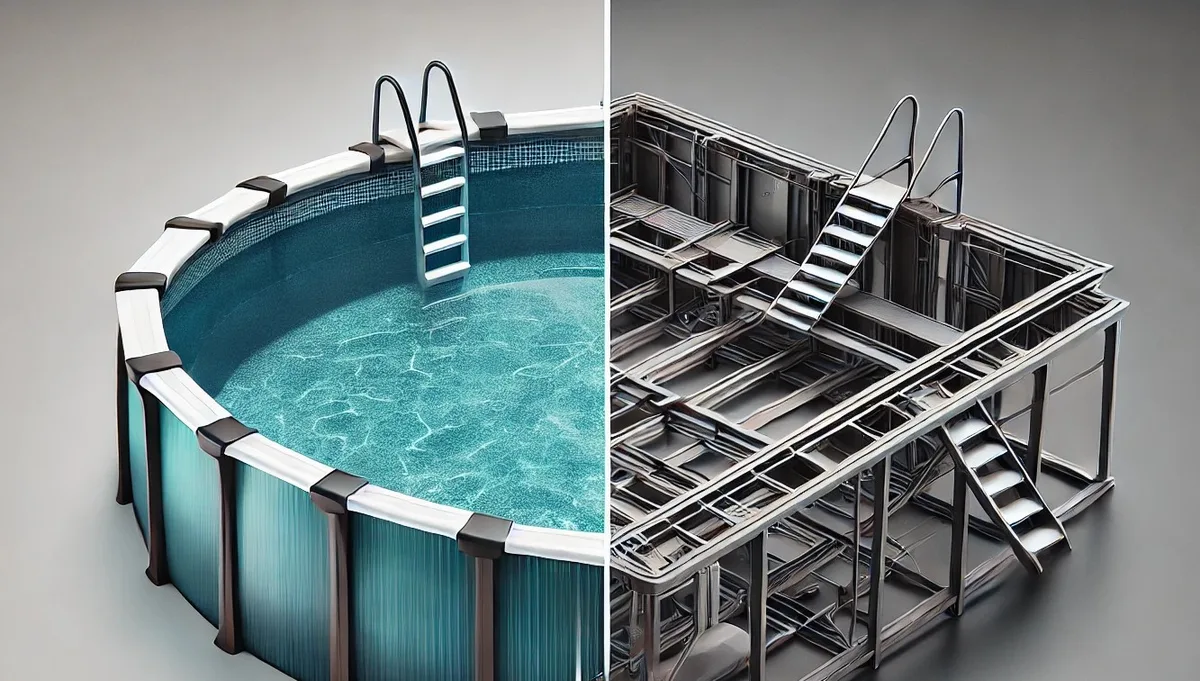
Image source: Bing (Web (fair-use with source credit))
Key Features to Compare: What Really Makes a Pool Family-Friendly?
Beyond just the type of pool, several specific features really make a difference for family use. Think about what you want your pool experience to be like all summer long.
Frame Material: This is crucial for durability.
- Steel Frames: Generally the strongest and most affordable. They can be prone to rust if the protective coating is scratched, so look for galvanized or powder-coated finishes.
- Resin Frames: More resistant to corrosion and UV damage, making them a good choice for sunny climates. They can be less rigid than steel, so look for models with good bracing.
- Hybrid Frames: Combine steel and resin for a balance of strength and corrosion resistance. These are often found in premium models.
Liner Thickness and Material: The liner is the water-holding part. Thicker liners (measured in gauge, like 20-gauge or 25-gauge) are more puncture-resistant. Look for UV-stabilized PVC to prevent degradation from sunlight.
Filtration System: This is non-negotiable for clean water. Most above ground pools come with a skimmer and pump system.
- Pump Size: Needs to be powerful enough to circulate all the water in your pool at least once a day. Manufacturer specs will list flow rates in gallons per hour (GPH).
- Filter Type: Sand filters are common and easy to maintain (backwashing), cartridge filters offer finer filtration but need regular cleaning, and D.E. (Diatomaceous Earth) filters provide the best filtration but are more complex.
Ladder Type: Safety first, especially with kids! Look for sturdy ladders with wide, non-slip steps and handrails. Some models have removable ladders or ones that pivot up for added security when the pool isn't in use.
Pool Size and Shape: This really depends on your yard and how many people will use it. Round pools are often easier to navigate and circulate water in. Oval pools give you a longer "swim" path but can sometimes be trickier to set up evenly. For a family, consider capacity, a 15-foot round pool might hold around 4,500 gallons, while a 24-foot oval could be over 14,000 gallons.
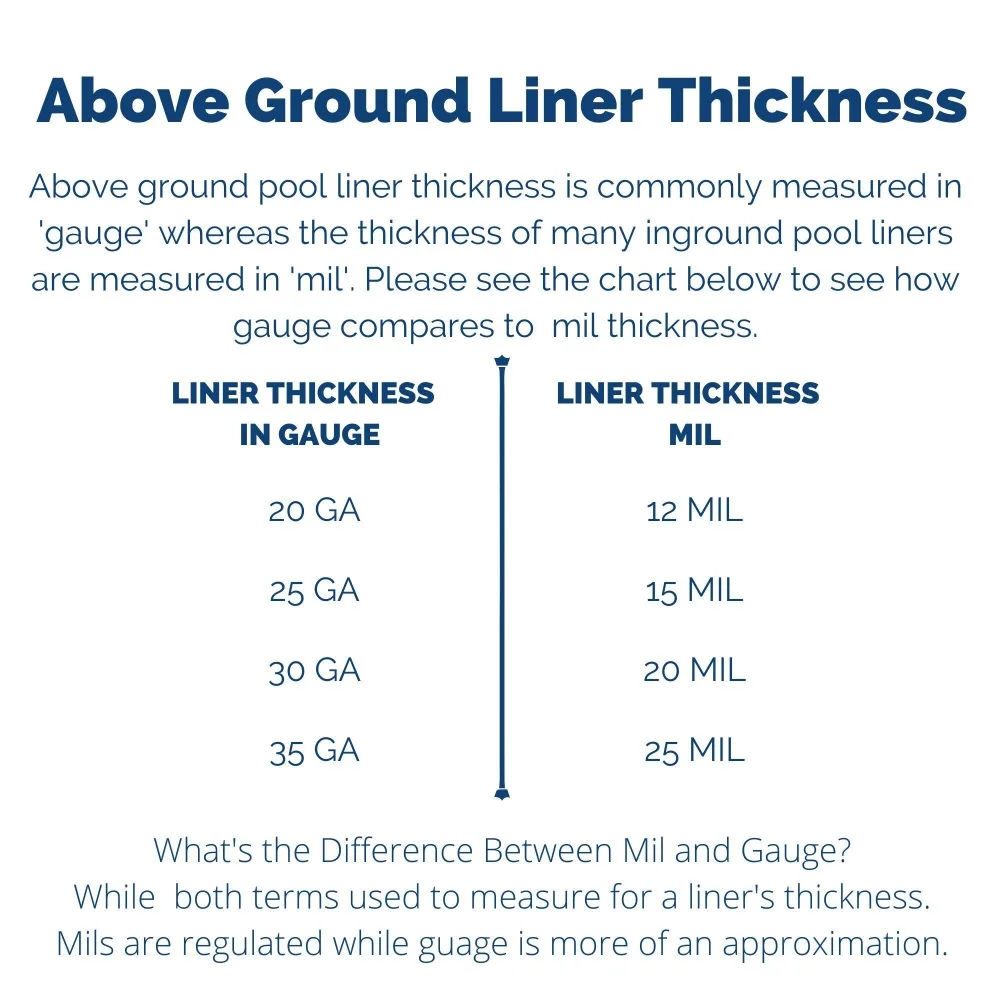
Image source: Web (Bing) / fity.club (Web image (fair-use with source credit))
Costs and Longevity: Matching Pools to Your Budget and Expectations
When we talk about "best," cost is almost always a huge factor for families. Above ground pools offer a significantly more accessible entry point into backyard swimming compared to their in-ground counterparts, but there's still a wide range.
Upfront Investment:
- Soft-Sided Pools: You can find basic inflatable or simple frame pools for as little as $200-$500. Larger, more robust soft-sided models might run $500-$1,500.
- Hard-Sided Pools: These start around $1,000 for smaller, entry-level kits and can go up to $3,000-$5,000 or more for larger, premium models with stronger frames and thicker liners. Installation costs, if you opt for professional help, can add another $500-$1,500.
Lifespan Expectations:
- Soft-Sided Pools: Generally, expect 1 to 3 seasons of use. Damage from sharp objects, rough play, or improper winterization can shorten this significantly.
- Hard-Sided Pools: A well-maintained steel or resin frame pool can last anywhere from 5 to 15 years, with some high-end models potentially lasting even longer. The liner itself is usually the first component to need replacement, typically after 5-10 years.
Ongoing Costs: Don't forget the running costs!
- Water: Initial fill and occasional top-offs.
- Electricity: For the pump and filter.
- Chemicals: Chlorine or bromine, pH balancers, algaecides, shock treatments. This can add up to $200-$500 annually, depending on pool size and water usage.
- Maintenance Supplies: Skimmer nets, brushes, vacuum heads.
- Repairs: Patch kits for liners, replacement filters, or pump parts.
As of 2026, the price of materials can fluctuate, but the general cost hierarchy remains consistent. Investing more upfront in a hard-sided pool usually pays off in the long run with extended lifespan and fewer replacements.
Who's It For? Matching Pool Types to Your Family's Lifestyle
The "best" pool isn't a one-size-fits-all answer; it truly depends on your family's habits, expectations, and backyard.
The "Try It Out" Family: If you're new to pools or unsure how much your kids will actually use it, a soft-sided pool is a smart starting point. They're affordable and offer a taste of backyard swimming without a huge commitment. They're perfect for younger children who are just learning to enjoy water play.
The Active Summer Family: For families who plan to spend most of their summer days splashing, swimming, and playing in the pool, a hard-sided pool is the way to go. These offer the durability and space needed for active use. Look for larger diameters (18+ feet) or oval shapes for more swimming room.
The Low-Maintenance Seekers: While no pool is truly maintenance-free, some are easier than others. Hard-sided pools with robust, easy-to-clean filtration systems (like sand filters) tend to require less frequent intervention than basic soft-sided pools. However, their setup is more involved.
The Budget-Conscious Family: If your primary driver is affordability, a soft-sided pool will likely be your go-to. They provide immediate fun at the lowest entry price point. Just be prepared for a shorter lifespan and potentially more frequent replacements.
The "Growing Up" Family: As children get older, their needs change. A small inflatable pool might suffice for toddlers, but older kids and teens will want more depth and space to play. Hard-sided pools offer the sizes and depths necessary for more active swimming and games, making them a better long-term investment for growing families.
Keeping It Fun: Maintenance, Safety, and Avoiding Common Pitfalls
Every family pool needs a little TLC to stay enjoyable and safe. Skipping key steps can turn a summer joy into a frustrating headache.
Water Chemistry is Key: This is arguably the most important part of pool ownership.
- Test Regularly: Use test strips or a liquid test kit at least 2-3 times a week to check pH, chlorine levels, and alkalinity.
- Balance Chemicals: Improperly balanced water can lead to skin irritation, cloudy water, and damage to the pool liner and equipment.
- Shock When Needed: High bather loads or algae blooms will require a "shock" treatment to kill off contaminants.
Regular Cleaning Prevents Big Problems:
- Skim Daily: Remove leaves, bugs, and debris from the surface.
- Brush Walls and Floor Weekly: This prevents algae from taking hold.
- Vacuum Weekly: Use a pool vacuum to clean the pool floor. Automatic pool cleaners can be a great time-saver for larger pools.
Safety First, Always:
- Secure Ladders: Ensure ladders are stable and consider models that can be removed or locked when the pool isn't supervised.
- Supervise Children: Never leave children unattended around the pool, even in shallow water.
- Check Local Fencing Laws: Many areas have regulations requiring fences around pools, even above-ground ones, to prevent accidental falls.
Common Pitfalls to Avoid:
- Improper Site Preparation: Failing to level the ground properly before setup can cause stress on the pool frame, leading to leaks or collapse.
- Overlooking Winterization: In colder climates, failing to properly winterize your pool can lead to frozen pipes bursting and significant damage.
- Ignoring Small Leaks: A small puncture can quickly become a big problem if not addressed with a patch kit promptly.
- Over-Chlorinating: Too much chlorine can damage the liner and be irritating to swimmers.
Proper maintenance and a focus on safety will ensure your family enjoys their above ground pool for many seasons to come.
Your Top Contenders: Side-by-Side Pool Comparison
Now that we've covered the types, features, and maintenance, let's break down how specific pool categories stack up for families. This comparison focuses on hard-sided pools, as they generally offer the best balance of durability and fun for most family use cases.
| Pool Type / Feature | Entry-Level Hard-Sided Steel Frame | Mid-Range Hard-Sided Resin/Hybrid | Premium Hard-Sided (Larger Oval/Round) | Soft-Sided (Inflatable/Basic Frame) |
|---|---|---|---|---|
| Typical Lifespan | 5-8 years | 8-15 years | 10-20 years | 1-3 years |
| Initial Cost | $800 – $1,800 | $1,500 – $3,500 | $3,000 – $6,000+ | $200 – $1,500 |
| Setup Difficulty | Moderate (2-4 people, 1 day) | Moderate-Hard (2-4 people, 1-2 days) | Hard (3-5 people, 2+ days) | Easy (1-2 people, 1-3 hours) |
| Durability / Strength | Good | Very Good | Excellent | Fair |
| Size/Depth Options | Smaller rounds (12'-18') | Medium to large rounds/ovals | Large rounds/ovals (24'+) | Small to medium rounds |
| Maintenance Demand | Moderate | Moderate | Moderate (higher volume requires more) | High (due to less durability) |
| Best For | Budget-conscious families, smaller yards | Most families, active use | Larger families, dedicated swimmers | Temporary fun, young children |
| Corrosion Resistance | Fair (needs good coating) | Good | Very Good | N/A (not metal frame) |
| UV Resistance | Fair to Good | Good | Very Good | Fair |
Why this comparison matters: A family of four with young kids might find a 15-foot round, mid-range resin pool offers the perfect sweet spot. It's durable enough for constant play, large enough for everyone to cool off, and manageable for maintenance. However, if you have teenagers who want to actively swim or a large backyard, stepping up to a larger oval pool, even with its higher cost and setup effort, becomes the better long-term investment.
Conversely, if it's just for occasional toddler splashing or you're in a rental property, a robust soft-sided pool is a practical, lower-commitment choice.
Frequently Asked Questions About Family Above Ground Pools
How long does setup typically take for an above ground pool?
Setup time varies significantly. Basic soft-sided pools can often be assembled in 1-3 hours. More robust hard-sided steel frame pools might take a full day with 2-4 people, while larger, complex resin or hybrid models can require two full days or more.
What are the most common maintenance tasks for an above ground pool?
Key tasks include daily skimming of surface debris, weekly brushing of the walls and floor, and regular vacuuming to keep the bottom clean. You'll also need to test and balance water chemistry (pH, chlorine, alkalinity) several times a week. Filter maintenance, such as backwashing sand filters or cleaning cartridge filters, is also essential.
How much electricity does an above ground pool pump use?
Pump electricity usage depends on its wattage and how long it runs daily. Most pool pumps run 6-12 hours a day. A typical 1.5 HP (horsepower) pump might consume around 1.0-1.5 kWh per hour, costing anywhere from $50 to $150 per month in electricity, depending on local rates.
Are above ground pools safe for young children?
Above ground pools can be safe for young children when proper precautions are taken. Always supervise children closely when they are in or around the pool. Ensure ladders are stable and consider models with removable or lockable ladders to prevent unsupervised access.
Local regulations may also require fencing.
How do I prepare the ground for an above ground pool?
The ground must be perfectly level and firm. Remove all grass, rocks, and debris. Using a tamper to compact the soil is recommended.
Many people place a sand base or a ground cloth/tarp on the prepared area before setting up the pool to provide an extra layer of protection for the liner.
Expert Tips for a Better Pool Experience
- Don't Skimp on Site Prep: A level surface is paramount. Even a slight slope can put undue stress on the frame and liner, leading to premature failure.
- Invest in a Good Filter: The pump and filter system is the heart of your pool. A properly sized, efficient filter will make water maintenance far easier.
- Consider a Pool Cover: A good cover helps keep debris out, reduces water evaporation, and can even help retain heat, saving on both cleaning and heating costs. Safety covers offer an extra layer of protection.
- Read Your Manual: Every pool kit comes with specific assembly and maintenance instructions. Following them closely is crucial for longevity and safety.

