

What is the average lifespan of an above-ground pool? It's a question many homeowners ponder before taking the plunge into backyard relaxation. While many factors influence longevity, most quality above-ground pools can offer a decade or more of enjoyment with proper care.
On average, you can expect a well-maintained above-ground pool to last between 10 and 20 years, with some components like liners needing replacement sooner. Manufacturer specifications often indicate expected component lifespans, with many steel and resin frames designed for 15+ years of service life if protected from harsh environmental conditions and chemical imbalances.
Image source: Web (Bing) / storage.googleapis.com (Web image (fair-use with source credit))
Quick Answer
Above-ground pools typically last 10, 20 years. Liners may need replacing sooner. Material quality, maintenance, and climate are key.
Proper care significantly extends lifespan.
So, How Long Do Above-Ground Pools Actually Last?
You're looking at buying an above-ground pool, and that's fantastic! They're a great way to get that backyard water feature without the huge commitment of an in-ground pool. Naturally, the big question on your mind is: "How long will this thing actually last?" It's a totally sensible question, because you're investing your hard-earned money into it.
The answer, as you might guess, isn't a single number. It's more of a range, and what puts you at the higher or lower end of that range comes down to a few key things we'll unpack.
Think of it like asking how long a car lasts. A meticulously maintained sports car might still be running strong after 20 years, while a less-cared-for sedan might show its age much sooner. Your above-ground pool is no different.
The average lifespan is influenced by the materials it's made from, how it's installed, and crucially, how you choose to maintain it over the years. We've dug into what makes pools last and what can shorten their time in your backyard.
The Average Lifespan: What the Numbers Say
When we talk about the average lifespan of an above-ground pool, we're usually looking at the entire structure, the frame, the walls, and the liner. Aggregate user feedback and manufacturer guidance suggest that a well-chosen and properly cared-for above-ground pool can realistically last anywhere from 10 to 20 years.
It's important to note that this is an average. Some pools might reach the 20-year mark or even surpass it, especially if they are higher-end models or have had components like the liner replaced. On the flip side, a pool that's been neglected, installed poorly, or is made of lower-quality materials might only last 8 to 10 years before significant issues arise.
As of 2026, the market continues to offer a range of durability options.
What Makes a Pool "Older" or "Younger"?
A pool's age isn't just about how many summers it's seen. Several factors actively contribute to its wear and tear, dictating whether it’s aging gracefully or showing its years prematurely. Understanding these elements is key to maximizing your pool’s longevity and getting the most out of your investment.
Pool Material Matters Most
The primary construction materials of your above-ground pool play a huge role in how long it will last. Different materials have different strengths and weaknesses when it comes to resisting corrosion, UV rays, and general wear.
- Vinyl Liners: These are the flexible inner walls that hold your water. While they are replaceable, their average lifespan before needing a swap is typically between 5 to 10 years. Factors like water chemistry, sun exposure, and even sharp objects can shorten this.
- Steel Frames: Many pools use steel for their structural integrity. Steel is strong, but it's susceptible to rust, especially in humid climates or if the protective coating is compromised. This rust can weaken the frame over time.
- Resin Frames: Resin, a type of durable plastic, is often used for frames and components. It’s generally more resistant to corrosion and UV degradation than steel, potentially leading to a longer lifespan for those parts.
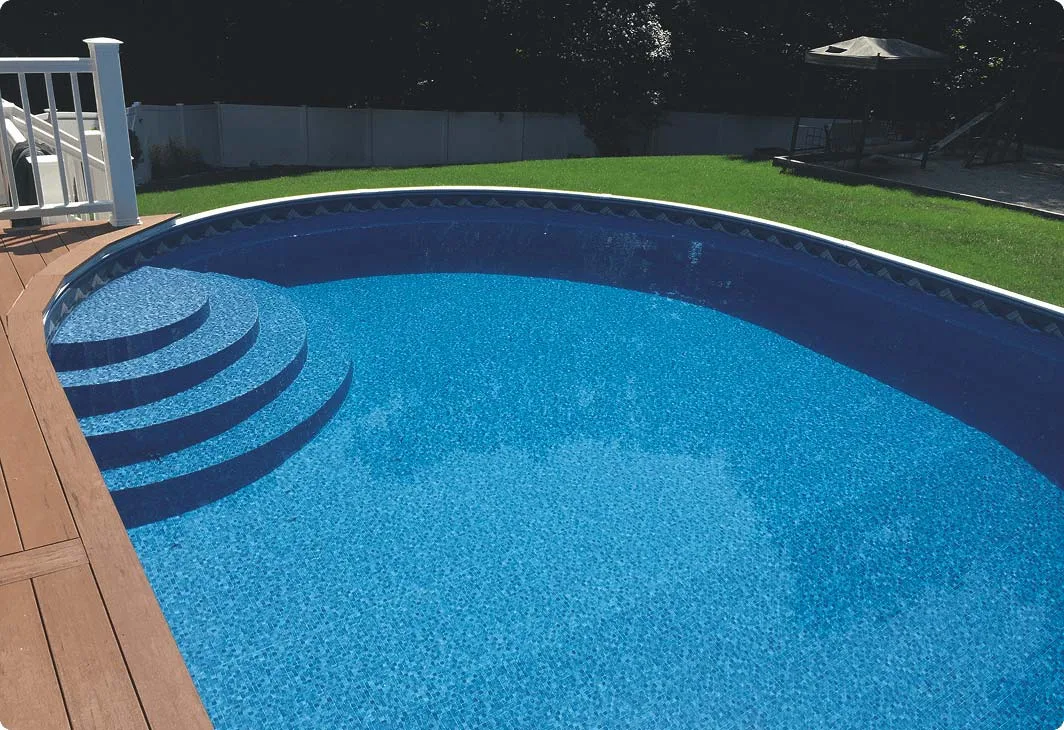
Image source: Bing (Web (fair-use with source credit))
When you're looking at pools, consider the quality of the metal used for steel frames (e.g., galvanized coatings) and the UV resistance ratings of resin components. These details can signal how well the pool will hold up against the elements.
Installation Quality: The Foundation for Longevity
How your pool is set up on the ground is surprisingly critical to its lifespan. A poorly installed pool puts undue stress on its components, leading to premature failure.
- Level Ground is Key: If the pool isn't perfectly level, one side will bear more weight and pressure than the others. This can cause the frame to warp, the walls to buckle, and the liner to stretch unevenly.
- Stable Base: The area beneath the pool needs to be firm, smooth, and free of sharp objects. Roots, rocks, or even rough soil can puncture the liner from below or destabilize the entire structure.
Even the most robust pool materials can't overcome a bad foundation. A professional installation or meticulous DIY setup on a prepared, level pad is a foundational step for a long-lasting pool.
Maintenance Habits: Your Role in Durability
This is where you, the owner, have the most direct impact on your pool's lifespan. Consistent, proper maintenance can add years to your pool's life.
- Water Chemistry: Keeping your water balanced is paramount. Incorrect pH, alkalinity, or sanitizer levels can degrade the liner, corrode metal components, and even affect the paint or coating on your frame. Regular testing and chemical adjustments are non-negotiable.
- Cleaning: Skimming debris, vacuuming the bottom, and brushing the walls regularly prevent build-up that can damage the liner and strain your filtration system. A clean pool is a healthy pool.
- Winterization: Properly closing your pool for the off-season is crucial. This involves draining it to the correct level, cleaning it thoroughly, and protecting it from freeze damage, which can crack frames and liners.
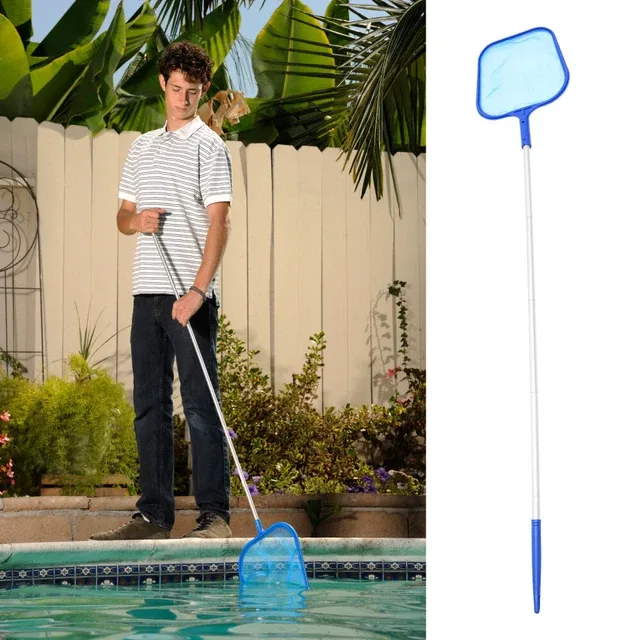
Image source: Bing (Web (fair-use with source credit))
Neglecting these simple tasks can lead to issues that snowball, significantly shortening the pool's usable life.
Environmental Factors: Sun, Weather, and Chemicals
The environment your pool lives in also plays a significant role. While you can't control the weather, you can take steps to mitigate its effects.
- Sun Exposure: Prolonged exposure to intense UV rays can make vinyl liners brittle and fade or degrade plastic components over time. Positioning your pool to receive some shade, if possible, can help.
- Harsh Weather: Extreme conditions like heavy snowfall, hail, or high winds can cause physical damage to the pool structure. Proper winter covers and secure installations can offer protection.
- Chemicals: Beyond maintaining water balance, the types of chemicals you use can matter. Saltwater systems, for instance, can be more corrosive to certain metals if not properly managed.
Real-World Insights from Owners
When you talk to people who have owned above-ground pools for a decade or more, a few common themes emerge. The longest-lasting pools are almost always owned by individuals who treat their pool not just as a recreational item, but as an investment requiring diligent care. They are the ones who understand that consistent water testing isn't a chore, but a vital preventative measure.
They're also the ones who follow manufacturer guidelines for cleaning, winterizing, and even for replacing worn parts, like liners, proactively rather than waiting for them to fail catastrophically.
Aggregate owner feedback often highlights that pools installed on a solid, perfectly level foundation tend to avoid structural issues for much longer. Conversely, stories of premature failure frequently involve pools that were set up quickly on uneven ground or had liners that ripped because sharp objects were left nearby. The consensus from experienced owners is clear: consistent, quality maintenance is the most significant factor in pushing an above-ground pool towards the upper end of its expected lifespan, often well past the 15-year mark.
Frequently Asked Questions
How long does the vinyl liner typically last?
The vinyl liner is usually the first component to show significant wear. On average, you can expect a vinyl liner to last between 5 to 10 years before it might need replacement due to wear, fading, or small tears.
Can a steel frame pool rust and fail?
Yes, steel frames can rust, especially if the protective coating is damaged or if the pool is in a humid environment. Rust can weaken the frame over time, potentially leading to structural issues. Proper maintenance and touch-ups can help prevent this.
Does pool size affect its lifespan?
Generally, the size of the pool itself doesn't impact its lifespan as much as the quality of its construction and maintenance. However, larger pools may require more robust framing and larger filtration systems to operate effectively, which indirectly relates to overall durability.
What's the difference in lifespan between resin and steel frames?
Resin frames tend to be more resistant to corrosion and UV damage than steel, which can lead to a longer lifespan for resin components. Steel frames can last a very long time but require vigilance against rust.
Is it worth replacing a liner or frame when they wear out?
For many, replacing a worn-out liner or repairing minor frame issues is more cost-effective than buying a completely new pool. This can extend the overall life of the pool structure significantly, often allowing it to reach or exceed the 15-year mark.

