Are you tired of spending hours cleaning your pool, only to find leaves and dirt still lurking at the bottom? Imagine a device that does all the hard work for you, leaving your pool spotless with minimal effort on your part.
That’s exactly what a robotic pool vacuum can do. You’ll discover how this smart gadget works, why it’s a game-changer for pool owners, and how it can save you time and energy. Keep reading to find out how you can make pool cleaning easier and more efficient than ever before.

Robotic Pool Vacuum Basics
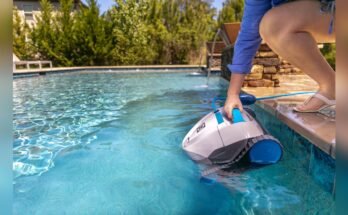
A robotic pool vacuum makes pool cleaning easier and faster. It works without much help from you. These devices clean pools by moving around and picking up dirt and debris. They help keep your pool clear and safe to swim in.
How It Works
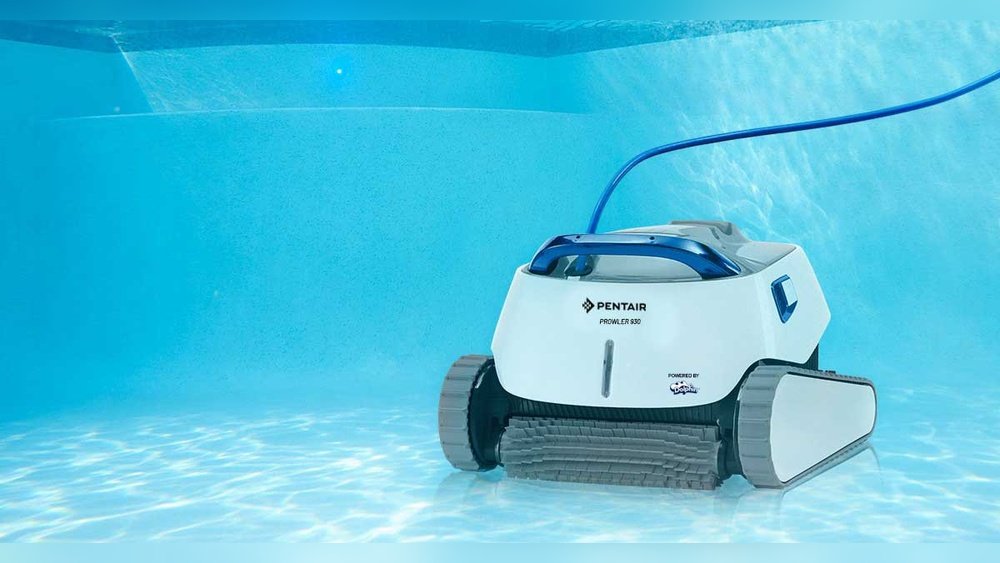
Robotic pool vacuums use motors and brushes to clean pool floors and walls. They move on their own, guided by sensors or pre-set programs. The vacuum sucks up dirt and debris into a filter bag inside. This process helps remove leaves, sand, and small dirt particles. The robot returns to its dock to recharge once cleaning ends.
Key Features
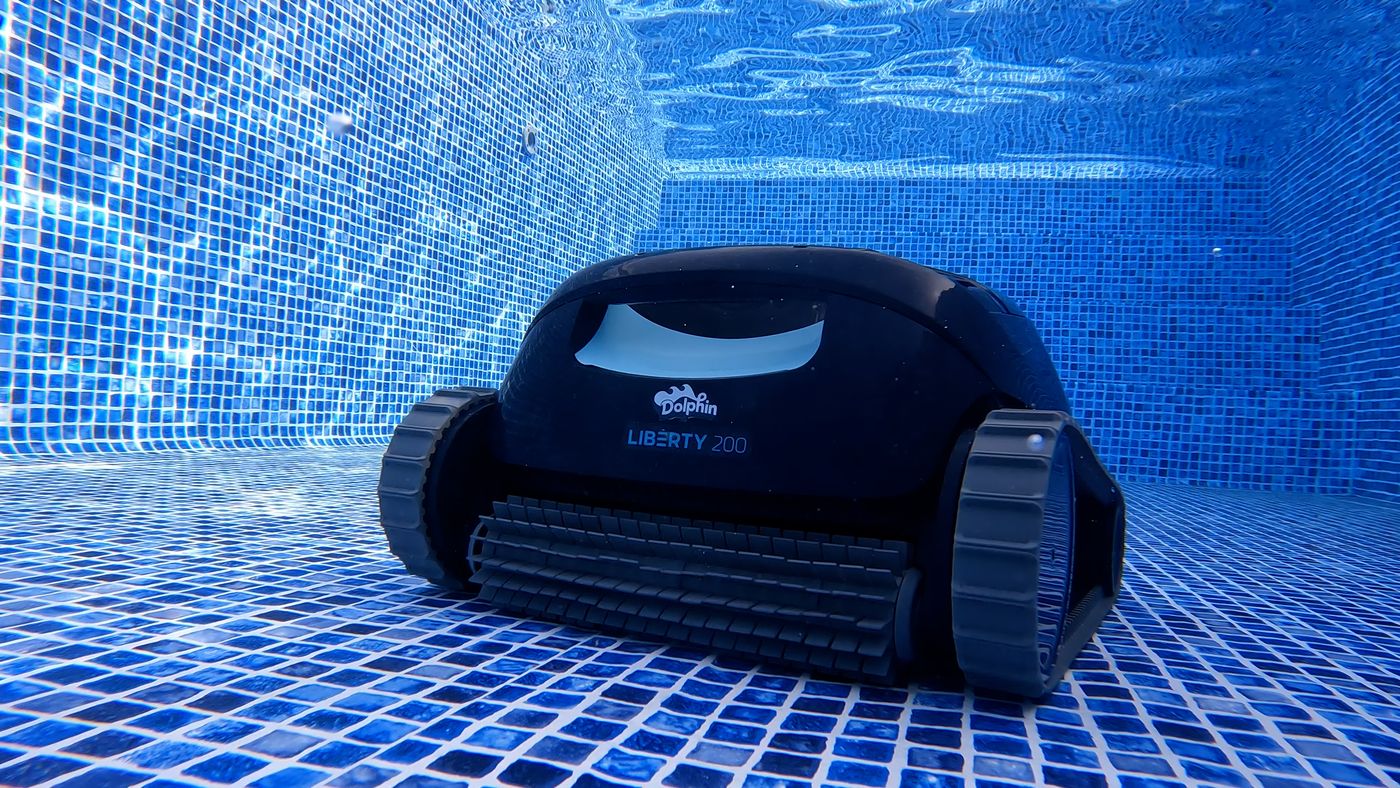
Most robotic pool vacuums have strong suction power to pick up fine dirt. They come with brushes that scrub surfaces to remove algae and grime. Many models have filters that trap small particles and keep water clean. They operate quietly and use little energy. Some have remote controls or smartphone apps for easy use.
Types Of Robotic Pool Vacuums
Robotic pool vacuums come in different types to suit various pool needs. Choosing the right one depends on features like power source and cleaning method. Understanding these types helps you pick a vacuum that works best for your pool.
Each type has unique benefits and uses. Some models need to be plugged in, while others run on batteries. Cleaning styles also vary, with some vacuums using suction and others pressure to clean.
Corded Models
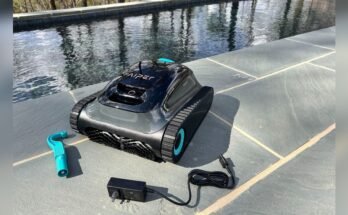
Corded robotic pool vacuums plug into an electric outlet. They have unlimited run time because they draw power from the cord. These models tend to be more powerful and reliable for deep cleaning. The cord can limit movement but often comes with swivel technology to prevent tangling.
Cordless Models
Cordless models use rechargeable batteries for power. They offer more freedom to move anywhere in the pool. Battery life usually lasts between one to two hours. Ideal for smaller pools or quick clean-ups. These models are lightweight and easy to handle but need charging after each use.
Suction Vs. Pressure Robots
Suction robots clean by pulling debris into a filter bag. They connect to the pool’s filtration system or use internal pumps. Pressure robots push water out through a booster pump. They are good at moving heavy debris and scrubbing surfaces. Both types work well but suit different pool setups and cleaning needs.
Benefits Of Using Robotic Pool Vacuums
Robotic pool vacuums offer many benefits that make pool cleaning easier and more effective. These devices work automatically to keep your pool spotless. They save effort and improve the pool’s overall condition. Using a robotic pool vacuum can make pool maintenance simpler and more enjoyable.
Time-saving Advantages
Robotic vacuums clean the pool on their own. You don’t need to spend hours scrubbing or vacuuming. These devices run on a set schedule. They handle dirt, leaves, and debris without constant supervision. This frees up your time for other activities.
Energy Efficiency
Robotic pool vacuums use less electricity than traditional pool cleaners. They have smart motors that consume minimal power. This lowers your energy bills while keeping the pool clean. Many models also have rechargeable batteries, reducing energy waste.
Improved Cleaning Quality
These vacuums reach corners and hard-to-clean spots easily. They use advanced brushes and filters to remove fine dirt. The result is a cleaner pool with clearer water. Regular use helps keep your pool healthier and more inviting.
Choosing The Right Model
Choosing the right robotic pool vacuum can make pool cleaning simple and fast. Not all models work the same for every pool. Think about your pool’s size, shape, and how much dirt it collects. Also, check the vacuum’s features. Some models offer extra help with tough dirt or hard-to-reach spots.
Pool Size And Shape Considerations
Pool size affects the vacuum’s cleaning time. Large pools need vacuums with longer battery life or power cords. Small pools work well with compact models. Shapes matter too. Pools with curves or steps need vacuums that can move easily. Check if the vacuum can clean walls and corners. Some models are better at this than others.
Filter And Brush Types
Filters catch dirt and debris. Fine filters trap small particles like sand and dust. Coarse filters handle leaves and bigger debris. Choose a filter based on what dirt your pool gets most. Brushes scrub dirt off surfaces. Soft brushes protect delicate pool surfaces. Hard brushes work better on rough surfaces. Some vacuums have both brush types for different cleaning tasks.
Smart Features To Look For
Smart features can make cleaning easier. Some vacuums have timers to set cleaning times. Remote control lets you guide the vacuum from your phone. Mapping technology helps the vacuum learn your pool’s layout. This means it cleans every spot without missing areas. Look for models with energy-saving modes to reduce power use.
Maintenance Tips
Maintaining a robotic pool vacuum is important for its long life and good work. Simple care helps the vacuum clean better and last longer. Regular checks keep it ready to use anytime. Follow these easy tips to keep your robotic pool vacuum in top shape.
Cleaning The Filter
Remove the filter after each cleaning cycle. Rinse it with fresh water to clear dirt and debris. Check for tears or holes in the filter. Replace the filter if it looks worn out. A clean filter helps the vacuum work well.
Storing Your Robot
Store the vacuum in a cool, dry place away from direct sunlight. Keep it off the ground to avoid damage. Remove the vacuum from the water and dry it before storage. Proper storage protects the battery and parts from damage.
Troubleshooting Common Issues
Check the power supply if the vacuum won’t start. Make sure the brushes and wheels are free of debris. Reset the vacuum by switching it off and on again. Clean the sensors regularly to avoid navigation problems. Follow the manual for specific error codes and fixes.
:max_bytes(150000):strip_icc()/spr-wybot-s2-pool-cleaner-13-ariel-turner--804849fd8ad142b5a3ef1b0ac8e696be.jpeg)
Cost And Value
Cost and value are key factors for anyone considering a robotic pool vacuum. These devices have different prices based on features and quality. Understanding the cost helps you choose the right model for your budget. The value of a robotic pool vacuum is more than just the price tag. It includes time saved, ease of use, and long-term benefits for your pool maintenance.
Price Ranges
Robotic pool vacuums vary widely in price. Basic models start around $200 to $400. These usually cover small to medium pools and have fewer features. Mid-range models cost between $400 and $800. They offer better cleaning power and smart navigation. High-end models can cost $800 to over $1,200. These come with advanced sensors and faster cleaning cycles. Prices depend on brand, size, and extra functions like remote control or app connectivity.
Long-term Savings
Robotic pool vacuums save money over time. They reduce the need for professional cleaning services. These devices use less electricity than traditional pool cleaners. You spend less on pool chemicals because they keep water cleaner. Manual cleaning takes hours and can be costly with equipment wear. A robotic vacuum works daily without effort. This keeps the pool healthier and reduces repair costs. Investing in one can lower your pool maintenance budget significantly.
Frequently Asked Questions
What Is A Robotic Pool Vacuum?
A robotic pool vacuum is an automated device that cleans pool floors and walls. It uses sensors and brushes to remove debris efficiently. It operates independently, saving time and effort compared to manual cleaning.
How Does A Robotic Pool Vacuum Work?
It navigates the pool using smart sensors and programmable patterns. The vacuum sucks up dirt and debris while scrubbing surfaces. It collects waste in an internal filter for easy disposal.
Are Robotic Pool Vacuums Energy Efficient?
Yes, robotic pool vacuums consume less energy than traditional pool cleaners. They use low-voltage power and optimize cleaning paths to save electricity. This makes them eco-friendly and cost-effective over time.
Can Robotic Pool Vacuums Clean All Pool Types?
Most robotic pool vacuums work on various surfaces like vinyl, concrete, and fiberglass. They adapt to different pool shapes and sizes. However, checking product specifications ensures compatibility with your pool type.
Conclusion
A robotic pool vacuum makes cleaning easy and fast. It moves on its own, saving your time and effort. These devices work well to keep pools clear of dirt and leaves. They use smart technology to clean every corner. Using one helps maintain water quality and pool health.
Investing in a robotic vacuum means less manual work for you. Enjoy a cleaner pool with less stress and more free time. Simple, smart, and effective—this tool fits well in any pool care routine.