Are you tired of spending hours cleaning your pool, only to miss stubborn dirt and debris? A pressure-side pool vacuum might be the solution you’ve been looking for.
But what exactly is it, and how does it work to keep your pool sparkling clean with less effort from you? You’ll discover how this powerful tool can make pool maintenance easier and more efficient. Keep reading to find out why a pressure-side pool vacuum could change the way you care for your pool forever.
Pressure-side Pool Vacuum Basics
A pressure-side pool vacuum is a helpful tool for cleaning pools. It uses the pool’s water pressure to move and collect dirt. This vacuum type works differently than other pool cleaners. Knowing how it works helps you keep your pool clean and clear.
This section covers the basics of pressure-side pool vacuums. You will learn about their main parts and how they differ from suction-side vacuums.
Key Components
A pressure-side pool vacuum has several important parts. First, there is the cleaner itself, which moves around the pool. It has wheels or tracks to slide over surfaces. Inside, a small filter or bag collects debris like leaves and dirt.
Next, a booster pump increases water pressure. This pump is often separate from the main pool pump. It pushes water through the vacuum, making it move and pick up dirt. A hose connects the vacuum to the pump system, allowing water flow.
These parts work together to clean the pool efficiently. The vacuum uses water pressure to gather debris and keep the pool clear.
How It Differs From Suction-side Vacuums
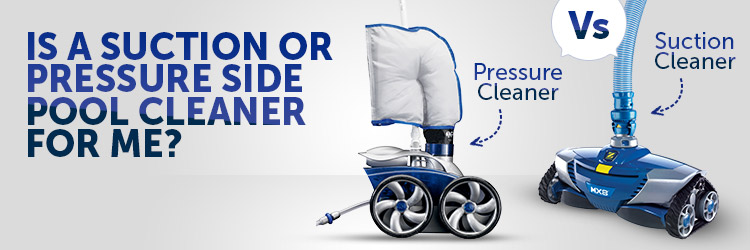
Pressure-side vacuums use water pressure to move and clean. Suction-side vacuums rely on the pool’s main pump suction. This suction pulls water and debris into the vacuum.
Pressure-side vacuums often have their own filter bags. Suction-side vacuums send debris to the pool’s filter system. This means pressure-side cleaners do not clog the pool filter as much.
Pressure-side vacuums can handle larger debris. Suction-side vacuums work best with smaller dirt and sand. Pressure-side models also move faster and cover more area quickly.
Working Mechanism
The working mechanism of a pressure-side pool vacuum is simple but effective. It uses the pool’s water pressure to clean debris. This system helps keep your pool clean with less effort from you. Understanding how it works will help you appreciate its benefits.
Water Flow And Pressure
The vacuum connects to the pool’s return line. Water flows through this line at high pressure. This strong water flow powers the vacuum’s movement. It pushes the vacuum across the pool floor and walls. The pressure is key to creating suction inside the vacuum.
Debris Collection Process
The vacuum’s suction pulls dirt and debris into its filter bag. Leaves, small stones, and dust get trapped here. Water and clean debris then return to the pool. The filter bag stops debris from flowing back into the pool water. This process keeps the pool clean and clear.
Installation Steps
Installing a pressure-side pool vacuum is simple. Follow clear steps to get it working fast. Proper setup helps the vacuum clean your pool efficiently.
Connecting To Pool System
First, find the return jet fitting on your pool wall. This is where you connect the vacuum hose. Attach the hose securely to avoid leaks. Connect the other end to the vacuum head. Make sure all connections are tight. This allows water pressure to power the vacuum.
Setting Up The Vacuum
Place the vacuum head on the pool floor. Adjust the hose length so it reaches all areas. Turn on your pool pump to start water flow. The pressure will push the vacuum around the pool. Check that the vacuum moves smoothly. Remove any air bubbles in the hose by letting water run through it.
Benefits Of Using Pressure-side Vacuums
Pressure-side pool vacuums offer several advantages for pool cleaning. They use the pool’s pressure system to power the vacuum. This method makes cleaning easier and faster. These vacuums reduce manual effort and improve pool maintenance. Below are key benefits of using pressure-side vacuums.
Efficiency And Speed
Pressure-side vacuums clean pools quickly. They use strong water pressure to move debris fast. This speed saves time during cleaning. The vacuum covers large areas without stopping. It works well with various pool shapes. This efficiency means less time spent on pool care.
Large Debris Handling
These vacuums handle big debris easily. Leaves, twigs, and bugs are no problem. The vacuum has a large filter bag. This bag collects debris without clogging quickly. It keeps the pool cleaner for longer periods. Large debris removal improves overall pool hygiene.
Common Maintenance Tips
Maintaining a pressure-side pool vacuum is key to keeping it working well. Regular care helps the vacuum clean better and last longer. Simple steps can prevent bigger problems and save time.
Cleaning The Filter Bag
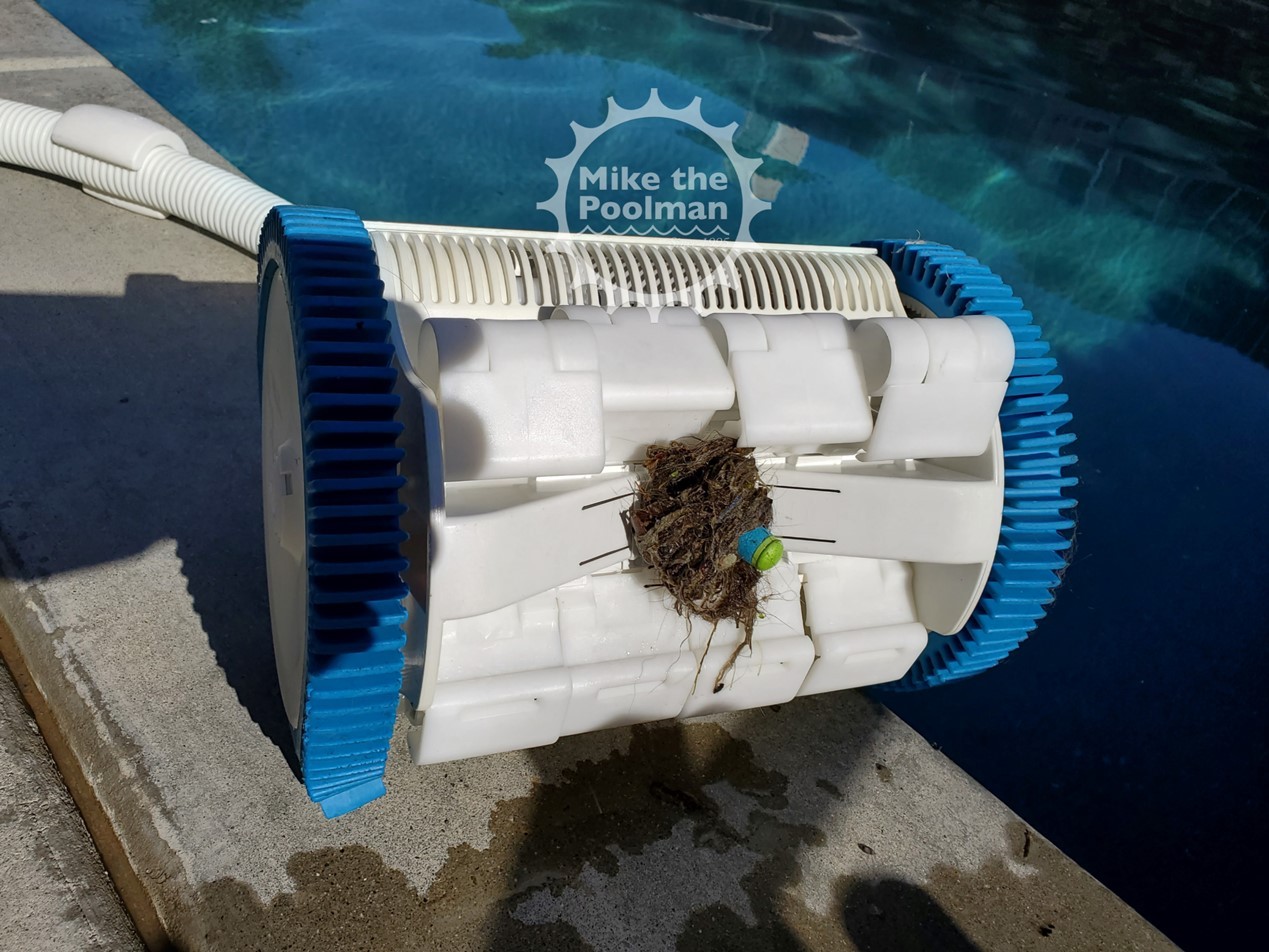
The filter bag catches dirt and leaves. Check it after every use. Remove the bag carefully to avoid spilling debris. Rinse it with a garden hose to clear dirt. Let it dry fully before putting it back. A clean bag improves suction and cleaning power.
Checking For Wear And Tear
Look at the vacuum’s parts often. Check the wheels, hoses, and connectors for cracks or damage. Replace parts that look worn out. Small tears can cause leaks and reduce performance. Keeping parts in good shape helps the vacuum work smoothly.
Troubleshooting Common Issues
Troubleshooting common problems with a pressure-side pool vacuum helps keep your pool clean. These vacuums use water pressure to move and pick up debris. Sometimes, they do not work as they should. Knowing how to fix these issues saves time and effort.
Loss Of Suction
Loss of suction often happens due to blockages. Check the vacuum’s hose for clogs. Leaves or dirt can stop water flow. Also, inspect the filter or skimmer basket. Clean them regularly to avoid suction loss. Air leaks in the hose can reduce suction. Make sure all connections are tight and sealed.
Another cause is a low water pressure from the pump. Check the pool pump settings. Adjust if the pressure is too low. The vacuum needs strong water flow to work well.
Vacuum Not Moving Properly
A vacuum that does not move correctly may have a stuck wheel or brush. Clean these parts from debris and dirt. Sometimes, the vacuum’s wheels wear out. Replace them if they look damaged.
Check the hose length too. Too long or tangled hoses make movement hard. Use the right hose size for your pool. Also, look at the water pressure. Low pressure can cause slow or no movement.
Choosing The Right Model
Choosing the right pressure-side pool vacuum makes cleaning easier and faster. The right model fits your pool size and budget. It also has features that suit your cleaning needs.
Pool Size Considerations
Small pools need smaller, lighter vacuums. They clean well without wasting power. Large pools need stronger models with more suction. These vacuums cover big areas quickly. Check the vacuum’s cleaning path width. Wider paths clean faster but may use more water pressure.
Budget And Features
Basic models work well for simple cleaning. They cost less and are easy to use. Advanced models have extra features like timers and automatic shut-off. These add convenience but cost more. Choose a model that fits your budget and cleaning needs. Avoid paying for features you won’t use.

Frequently Asked Questions
What Is A Pressure-side Pool Vacuum?
A pressure-side pool vacuum uses water pressure to clean debris. It connects to the pool’s return jet and pushes dirt into a separate filter bag. It’s efficient for large pools and heavy debris.
How Does A Pressure-side Pool Vacuum Work?
It works by harnessing water pressure from the pool pump. This pressure powers the vacuum, which sucks debris off pool surfaces. Debris collects in a built-in filter bag, keeping your pool clean without clogging the main filter.
What Are The Benefits Of Pressure-side Pool Vacuums?
They clean faster and handle larger debris like leaves and twigs. Pressure-side vacuums reduce strain on your pool’s filtration system. They’re easy to install and require less maintenance than suction-side vacuums.
Can Pressure-side Vacuums Damage My Pool?
No, pressure-side vacuums are designed to be gentle on pool surfaces. They use controlled water pressure, avoiding scrapes or scratches. Always follow manufacturer guidelines for safe and effective cleaning.
Conclusion
A pressure-side pool vacuum uses water pressure to clean your pool. It pushes debris into a filter or bag. This type works well for large pools and heavy dirt. It saves time compared to manual cleaning. You just connect it to your pool’s pump system.
Regular use keeps your pool water clear and healthy. Choosing the right vacuum helps maintain your pool easily. A cleaner pool means more fun and less hassle. Simple, effective, and convenient—pressure-side vacuums make pool care easier.