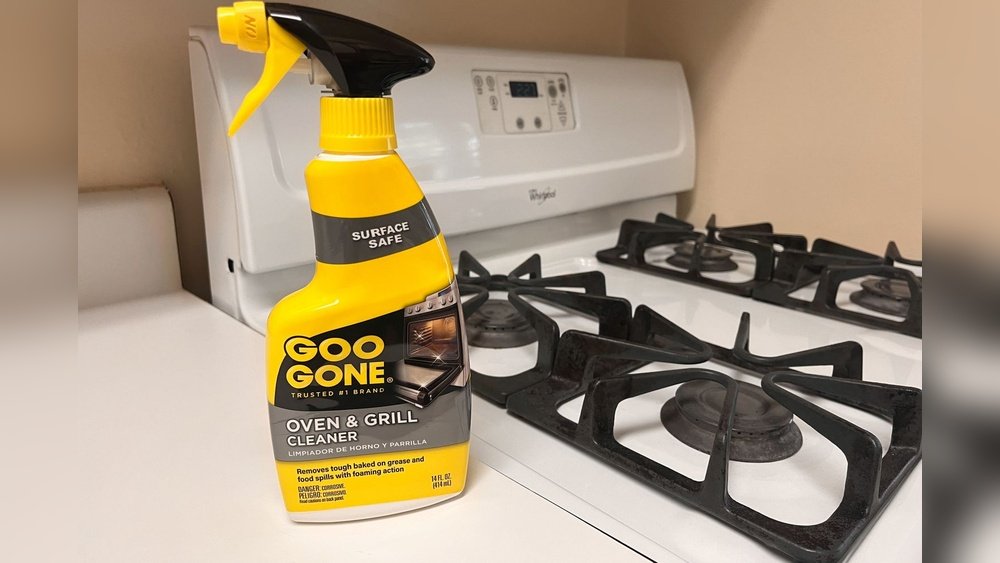
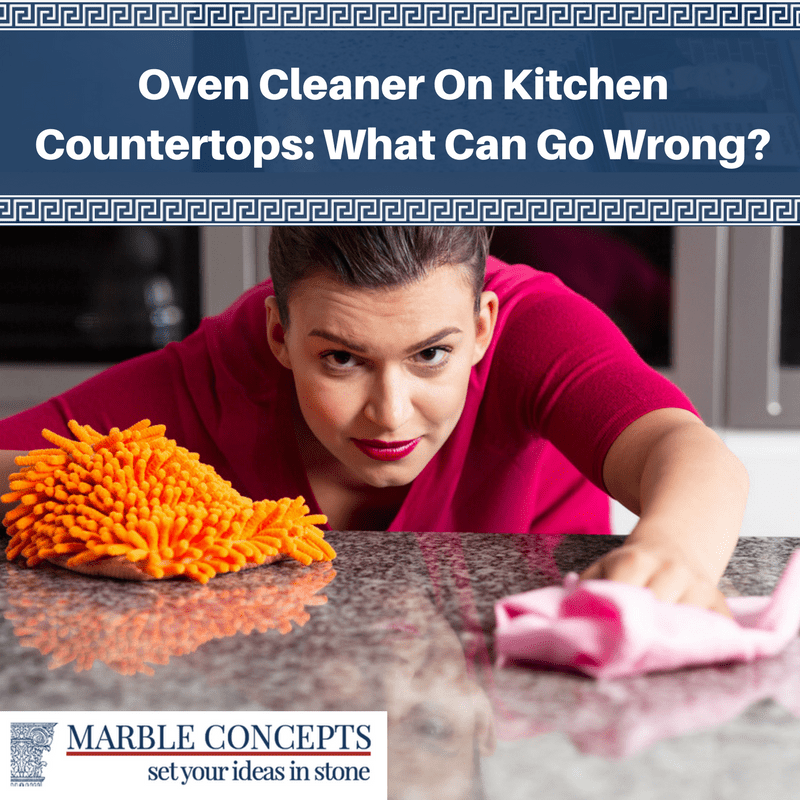
Have you ever wondered what happens when oven cleaner touches your kitchen counters? You might think it’s just a powerful cleaner for ovens, but what about its effect on the surfaces you use every day?
Understanding how oven cleaner interacts with your counters can save you from costly damage and keep your kitchen looking its best. Keep reading to find out exactly what oven cleaner does to different types of kitchen counters—and how you can protect your surfaces while keeping your kitchen spotless.
How Oven Cleaner Works
Oven cleaner is designed to remove tough grease and burnt food from oven surfaces. It can also affect kitchen counters if not used carefully. Understanding how oven cleaner works helps explain its impact on different materials.
Chemical Composition
Oven cleaners contain strong alkaline chemicals. Sodium hydroxide is the main ingredient. This chemical breaks down grease and burnt residue. Other ingredients include surfactants that help dissolve grime. Some formulas have solvents to speed up cleaning. These chemicals work together to tackle stubborn dirt.
Cleaning Mechanism
The alkaline chemicals react with grease and burnt food. This reaction softens and breaks apart the grime. The surfactants lift the dirt from surfaces. Solvents help dissolve the residue for easy wiping. The cleaner loosens layers of built-up grease quickly. This process makes it easier to clean ovens effectively.
Common Kitchen Counter Materials
Kitchen counters come in many materials. Each type reacts differently to cleaners. Knowing your counter material helps protect it.
Granite
Granite is a natural stone, strong but porous. Oven cleaner can damage its seal and cause stains. Avoid harsh chemicals on granite counters.
Marble
Marble is soft and easily scratched. It also reacts badly to acidic or strong cleaners. Oven cleaner may etch or dull marble surfaces.
Laminate
Laminate counters have a plastic coating over wood or particleboard. Oven cleaner may strip the coating or cause discoloration. Use mild cleaners instead.
Quartz
Quartz is engineered stone, durable and less porous. Still, oven cleaner can harm its resin and cause dull spots. Gentle cleaning is best.
Wood
Wood counters are sensitive to moisture and chemicals. Oven cleaner can dry out or damage the finish. Use cleaners made for wood surfaces only.
Reactions Between Oven Cleaner And Counters
Oven cleaner is strong and made to remove tough grease and burnt food. It works well inside ovens but can harm kitchen counters. The chemical reaction between oven cleaner and counter surfaces can cause damage. Understanding these reactions helps protect your kitchen counters from harm.
Surface Damage
Oven cleaner contains harsh chemicals like sodium hydroxide. These chemicals can eat away at some counter materials. Laminate and wood counters are especially vulnerable. The cleaner can cause the surface to peel or blister. This damage makes counters rough and weak.
Discoloration
Oven cleaner can change the color of counters. Chemicals may bleach or darken surfaces. Granite and marble can lose their shine and color. Plastic and painted counters might show white or dull spots. The stain is often permanent and hard to fix.
Etching And Stains
Strong chemicals can etch natural stone counters. Etching looks like small dull spots or scratches. These marks happen because the cleaner reacts with minerals in the stone. Some cleaners leave stains that soak into porous surfaces. These stains do not come off with normal cleaning.
Safety Risks And Health Concerns
Oven cleaners contain strong chemicals that can harm kitchen counters and health. These cleaners are powerful and designed to break down tough grease and baked-on food. Using them on kitchen counters may cause safety risks. Understanding these risks helps protect your family and home.
Chemical Exposure
Oven cleaners have harsh chemicals like sodium hydroxide. These can damage counter surfaces and cause burns. Skin contact may lead to redness and pain. Chemicals can also seep into porous materials, causing long-term damage. Avoid direct contact by wearing gloves and using gentle cleaners on counters.
Fumes And Irritation
Oven cleaners release strong fumes that irritate eyes and lungs. Breathing these fumes can cause coughing and difficulty breathing. People with asthma or allergies are more at risk. Always use oven cleaners in well-ventilated areas. Avoid using them near food preparation surfaces to reduce health concerns.
Preventing Damage To Counters
Oven cleaners can harm kitchen counters if used carelessly. These cleaners contain strong chemicals that may damage surfaces like granite, marble, or laminate. Preventing damage means knowing how to use oven cleaners safely and choosing the right cleaning method for your counters.
Proper Usage Tips
Always read the label before using an oven cleaner near counters. Avoid spraying the cleaner directly on counters. Use a cloth or sponge to apply the cleaner only to the oven. Wipe off any cleaner that splashes on counters immediately with a damp cloth. Wear gloves to protect your skin from harsh chemicals. Open windows or turn on fans to keep the area ventilated. Test a small hidden area if you must use oven cleaner near counters.
Alternative Cleaning Methods
Use mild soap and warm water for daily counter cleaning. Baking soda mixed with water can remove stains gently. Vinegar diluted with water works well on many surfaces but avoid marble and stone. Special cleaners made for granite or laminate counters are safer options. Avoid abrasive scrubs that can scratch the surface. Soft cloths or sponges clean effectively without damage. Natural cleaning methods protect your counters and keep them looking new longer.

Emergency Steps After Exposure
Oven cleaner can damage kitchen counters if it spills or splashes. Acting fast is important. Quick action can reduce harm and keep your surfaces safe. Here are the key steps to take after exposure to oven cleaner.
Immediate Cleaning
Wipe off the oven cleaner quickly using a damp cloth. Use plenty of water to rinse the area. Avoid rubbing hard to prevent scratches. Repeat rinsing until no cleaner remains. Dry the surface with a soft towel. This stops further damage and removes harmful chemicals.
When To Call Professionals
Call a professional if stains or damage appear. Deep burns or discoloration need expert care. Professionals know how to restore counters safely. Contact them if the cleaner soaked into porous materials. Early help can save your kitchen counters from permanent harm.
Frequently Asked Questions
What Happens If Oven Cleaner Touches Kitchen Counters?
Oven cleaner can damage kitchen counters by causing discoloration, dullness, or surface erosion. It contains harsh chemicals designed for ovens, which may harm materials like granite, marble, or laminate. Immediate cleaning is essential to minimize damage and preserve your countertop’s finish.
Can Oven Cleaner Harm Granite Or Marble Counters?
Yes, oven cleaner can harm granite and marble counters. These natural stones are sensitive to acidic and abrasive chemicals found in oven cleaners. Using such cleaners may cause etching, dull spots, or permanent damage to the stone’s surface, so avoid contact and use stone-safe products instead.
How To Safely Clean Kitchen Counters After Oven Cleaner?
To safely clean counters after oven cleaner contact, use mild soap and warm water. Rinse thoroughly and dry with a soft cloth. Avoid abrasive scrubbing to prevent further damage. For sensitive surfaces, consider using a stone or laminate-safe cleaner to restore the finish gently.
Is Oven Cleaner Safe For All Kitchen Counter Types?
No, oven cleaner is not safe for all kitchen counters. It’s suitable only for tough oven grime, not for delicate surfaces like wood, laminate, or stone. Using it on counters can cause stains or surface damage. Always check your countertop material before applying any harsh cleaner.
Conclusion
Oven cleaner can harm kitchen counters if not used carefully. It may cause stains, discoloration, or damage to certain surfaces. Always test a small area first to see how your counter reacts. Use the cleaner sparingly and avoid letting it sit too long.
Choose products made for your counter type for safer results. Keeping your kitchen counters clean helps maintain their look and durability. Handle oven cleaner with caution to protect your kitchen surfaces well. Simple care goes a long way in keeping counters safe and clean.