

Image source: Bing (Web (fair-use with source credit))
Getting Your Above Ground Pool Chemicals Right: A Step-by-Step Guide
Wondering what chemicals you actually need for an above-ground pool? You're not alone. It can feel like a puzzle, but getting it right means a cleaner, safer, and more enjoyable swimming season.
We've broken down the essentials so you can confidently manage your pool's water chemistry.
Manufacturer specifications and aggregate user reviews confirm that maintaining proper water balance is crucial for swimmer comfort and pool longevity. The Pool & Hot Tub Alliance (PHTA) recommends maintaining specific chemical levels, typically measured in parts per million (ppm), to ensure a healthy swimming environment. Let's dive into how you can achieve this.
Quick Answer: The Chemicals You Likely Need
You'll need a pool test kit first to measure your water's current state. Essential chemicals generally include a sanitizer like chlorine (granules or tablets), pH increaser and decreaser, an alkalinity increaser, and possibly an algaecide and stabilizer (Cyanuric Acid). These balance, sanitize, and clarify your water.
Why Testing is Your First Chemical Step
Before you even think about buying a single bottle of chemicals, grab a reliable pool test kit. This isn't just a suggestion; it's the absolute cornerstone of effective pool care. Without knowing what's actually going on in your water, you're just guessing, and that can lead to costly mistakes or, worse, unsafe swimming conditions.
Your test kit will become your best friend. It tells you the current levels of key parameters like pH, total alkalinity, and sanitizer (usually chlorine). Think of it like a diagnostic tool for your pool.
According to PHTA guidelines, testing your water a few times a week is standard practice to keep everything in check.
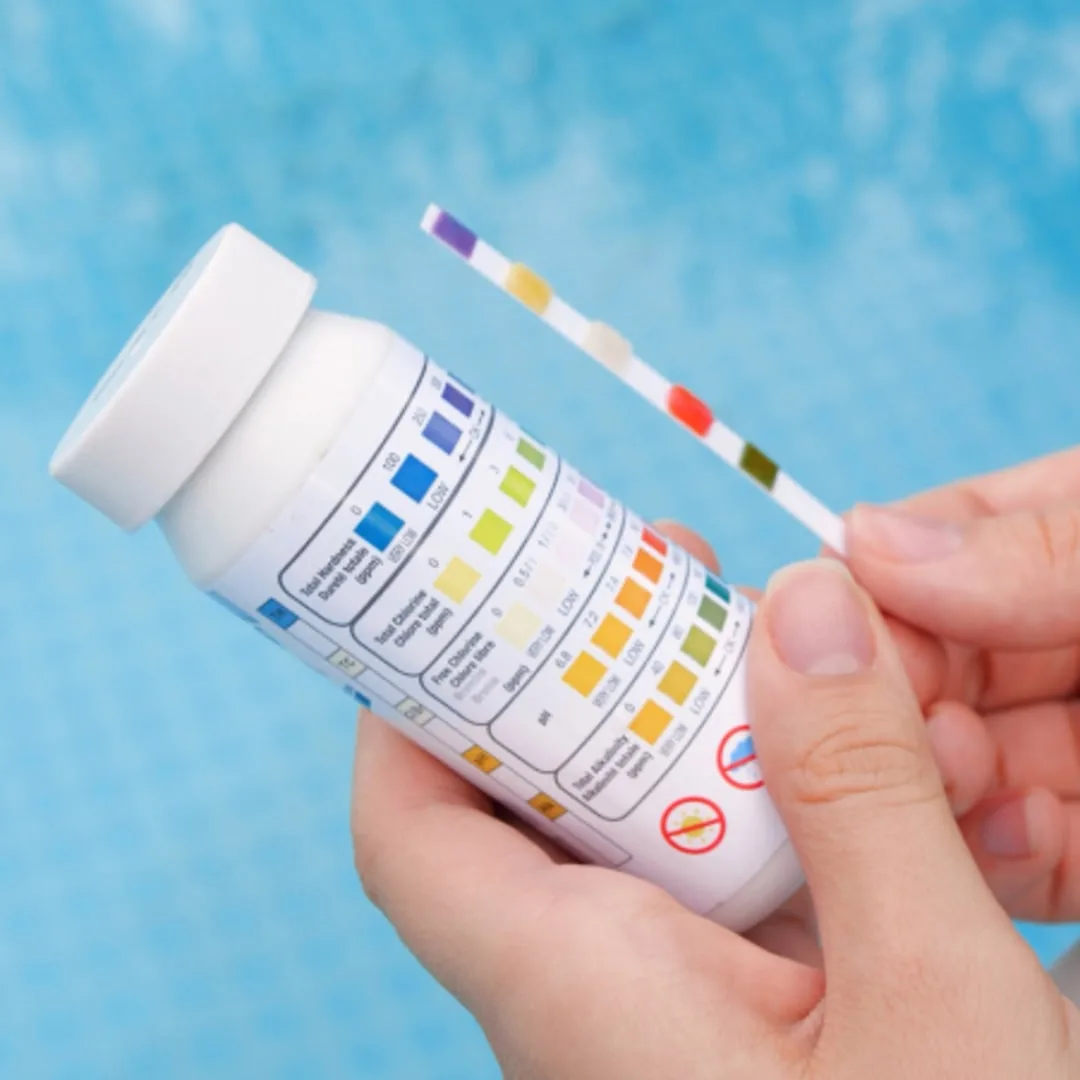
Image source: Bing (Web (fair-use with source credit))
If your pH is way off, your sanitizer won't work as well, no matter how much you add. If your alkalinity is too low, your pH can swing wildly. The test kit reveals these issues, guiding you to the exact chemicals and amounts you need.
You'll typically find test kits that use strips or liquid reagents; both can be accurate if used correctly.
Core Chemicals for Pool Water Balance
Balancing your pool water is all about maintaining specific chemical levels that create a healthy environment. It’s not just about sanitation; it’s about comfort, preventing equipment damage, and making sure your sanitizer does its job efficiently. These chemicals work together like a finely tuned orchestra.
The two most critical elements for water balance are pH and Total Alkalinity. Getting these right is foundational.
- pH: This measures how acidic or alkaline your water is. The ideal range for swimming pools is typically between 7.2 and 7.6. A pH that’s too low can make the water corrosive, leading to itchy skin and damaged pool liners or equipment. Too high, and your sanitizer becomes less effective, and you might see cloudy water or scale formation.
- Total Alkalinity (TA): This acts as a buffer for your pH, helping to keep it stable. If your TA is too low, your pH can bounce around erratically. If it’s too high, it can be difficult to adjust your pH. The recommended range for TA is usually between 80 and 120 parts per million (ppm).
Getting these two right ensures your sanitizer is effective and swimmers are comfortable. It's the first line of defense against common pool problems.
The Sanitizer Lineup: Keeping Germs at Bay
The primary job of a sanitizer is to kill off bacteria, viruses, algae, and other microscopic nasties that can make your pool water unsafe and unpleasant. Without a consistent level of sanitizer, your pool can quickly become a breeding ground for germs.
Chlorine: The Usual Suspect
Chlorine is the most common and cost-effective sanitizer used in pools. It works by oxidizing contaminants and killing microorganisms.
- Chlorine Granules (Shock): These are fast-acting and great for quickly raising chlorine levels or for a weekly shock treatment. You'll often use a product like calcium hypochlorite or dichlor.
- Chlorine Tablets: These are slow-dissolving and are typically used in an automatic chlorinator or a floating dispenser to maintain a consistent chlorine level day-to-day. Trichloro-s-triazinetrione (Trichlor) is a common type.
The target free chlorine level, according to PHTA standards, is usually between 1 and 4 ppm. It’s important to maintain this level consistently.
Bromine: A Solid Alternative
Bromine is another effective sanitizer, often preferred by those who find chlorine irritating. It works similarly to chlorine but is generally more stable at higher temperatures, making it a good choice for spas and sometimes for pools. However, it can be more expensive than chlorine.
Regardless of which sanitizer you choose, consistent testing is vital. You'll need to adjust doses based on your test kit readings, bather load, and environmental factors like heavy rain or intense sun.
Adjusting pH and Alkalinity: The Foundation of Clear Water
Once you've tested your water and know your starting point, the next crucial step is balancing the pH and total alkalinity. These two are intertwined, and getting them right makes all the difference in water clarity, swimmer comfort, and sanitizer effectiveness. Think of them as the support system for your sanitizer.
Why Balance Matters
If your pH is too low (acidic), your pool water can become corrosive. This means it can start to eat away at pool surfaces, ladders, and metal components. It can also irritate swimmers' skin and eyes.
If your pH is too high (alkaline), your chlorine sanitizer becomes significantly less effective. It’s like trying to fight a fire with a weak hose, the sanitizer just can’t do its job properly.
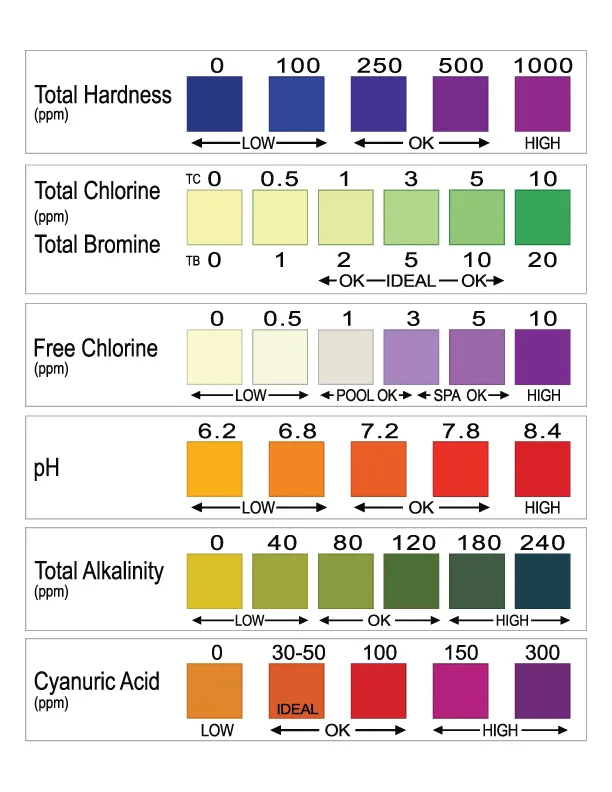
Image source: Bing (Web (fair-use with source credit))
How to Adjust Them
You’ll typically adjust Total Alkalinity before pH, as TA acts as a buffer.
- To Increase Total Alkalinity: Use an alkalinity increaser, which is often sodium bicarbonate (baking soda). Follow the product instructions carefully, adding it slowly and allowing it to circulate for several hours before re-testing. The target range is generally 80-120 ppm.
- To Adjust pH:
- If pH is too low (acidic): Use a pH increaser, typically soda ash (sodium carbonate).
- If pH is too high (alkaline): Use a pH decreaser, which is usually muriatic acid (a strong liquid) or dry acid (sodium bisulfate). Muriatic acid requires extreme caution due to its corrosive nature.
Always add chemicals slowly, one at a time, and allow your pool's pump to circulate the water for at least 4-6 hours (or as directed on the product label) before re-testing. This ensures the chemicals are evenly distributed and allows you to see the true impact before adding more.
Tackling Algae and Cloudiness: When Problems Arise
Even with consistent testing and balancing, you might occasionally face common pool issues like algae blooms or cloudy water. These aren't usually caused by a lack of basic chemicals but can be a sign that something is off, or simply a natural occurrence after heavy use or certain weather events. Fortunately, there are specific chemicals designed to combat these problems.
Algae: The Green Menace (and Others)
Algae can turn your crystal-clear pool into a swampy mess. There are several types, with green being the most common. Black and yellow algae are also possibilities.
- Algaecide: This is your direct weapon against algae. You can use it preventatively during the season or as a treatment once an outbreak occurs. There are different formulations, so choose one appropriate for the type of algae you're dealing with. Always follow label instructions for dosage and application.
Cloudy Water: A Sign of Trouble
Cloudy water can be caused by a variety of factors, including poor filtration, an imbalance in chemicals, or an overload of contaminants.
- Clarifier: This chemical works by clumping together tiny suspended particles that your filter might miss. These larger clumps can then be easily filtered out, leading to clearer water. You typically add clarifier, let the system run, and then clean your filter.
- Shock Treatment: As mentioned before, shocking your pool can also help clear up cloudy water by oxidizing contaminants that are contributing to the murkiness.
It's important to remember that these treatments often work best when your water chemistry is already well-balanced. If your pH or alkalinity is severely out of range, these products may not be as effective until you correct the basics. Sometimes, a good filter cleaning or backwash is all that’s needed alongside these treatments.

