

Image source: Bing (Web (fair-use with source credit))
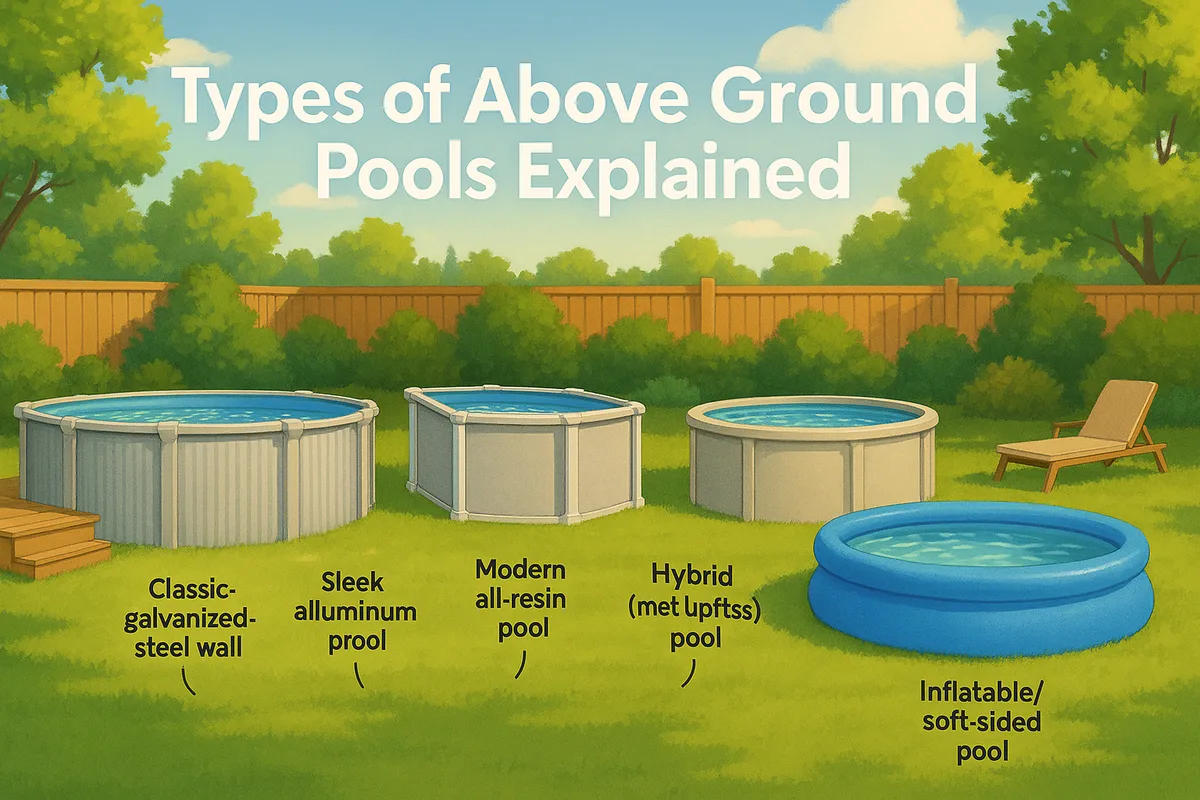
Deciding to get an above ground pool is an exciting step toward backyard fun. But when you start looking, you'll quickly see there isn't just one kind. Understanding what are the different types of above ground pools available is key to picking the one that fits your space and budget best.
We've looked at the common options, and they range from quick-setup inflatables to more permanent steel or resin structures. Manufacturer specifications for durability often vary, with some steel frame pools rated for over 10 years of use under proper maintenance, according to certain industry standards.
Quick Answer
Above ground pools come in three main types: steel frame, inflatable, and hybrid or resin frame. Steel frame pools offer solid durability. Inflatable pools are the easiest and cheapest to set up.
Hybrid pools blend steel and resin for longevity and style. Each type suits different needs and budgets.
Steel Frame Pools: The Reliable Workhorse
These are the classic choice for many families, offering a good balance of durability and affordability. A steel frame pool typically consists of a strong metal frame, usually steel, that provides the structural integrity. This frame supports a heavy-duty vinyl liner that actually holds the water.
What to Expect from Steel Frame Pools
When you're looking at steel frame pools, expect them to be built for the long haul. The steel frame is designed to withstand the pressure of thousands of gallons of water, and the vinyl liner is thick enough to resist punctures from normal use. These pools come in a wide variety of sizes and shapes, from compact 10-foot rounds perfect for a small family to larger 24-foot oval models that can accommodate a crowd.
Setup is more involved than an inflatable pool, usually taking a full day or even a weekend for larger models, but it's a project many DIYers can tackle.
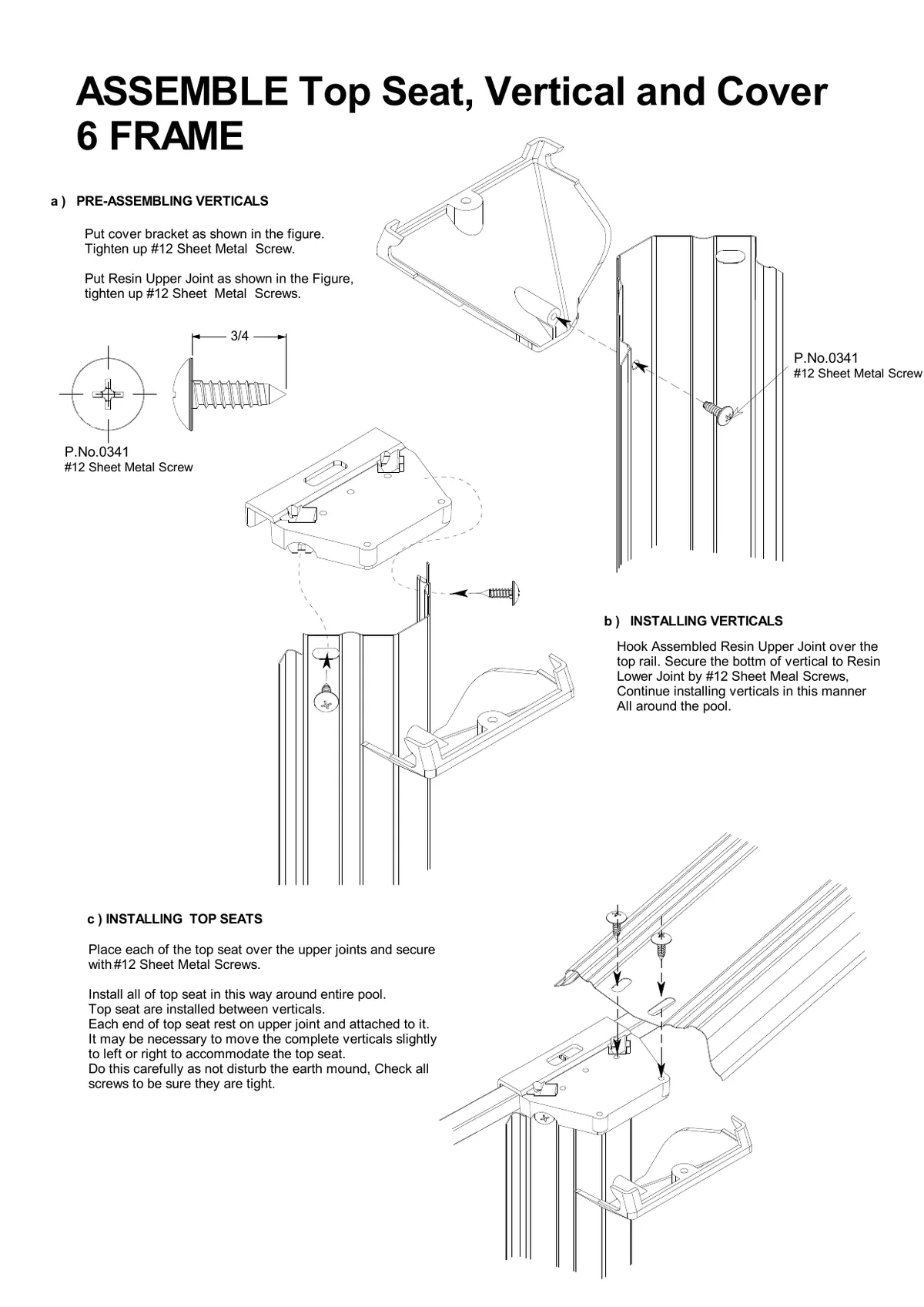
Image source: Bing (Web (fair-use with source credit))
Pros and Cons of Steel Frame Pools
Choosing a steel frame pool means you're investing in something that can last for many seasons.
Pros:
- Durability: They're significantly more robust than inflatable options and can last for 5-15 years with proper care.
- Size Variety: Available in many dimensions, fitting various yard sizes and user needs.
- Cost-Effective: Generally more affordable than in-ground pools and often less expensive than high-end resin hybrids.
- Good Support: The frame provides excellent stability for swimming and play.
Cons:
- Setup Complexity: Assembly can be time-consuming and may require more than one person.
- Corrosion Risk: Steel components can rust over time if not adequately protected or if the protective coating is damaged.
- Less Portable: Once assembled, they are not meant to be moved easily.
Inflatable Pools: Your Quick Summer Splash
If you're looking for the easiest, quickest, and most budget-friendly way to get water fun in your backyard, inflatable pools are the way to go. These are essentially made from thick vinyl and are designed to be set up and taken down with minimal fuss. The top ring is inflated, and as you fill the pool with water, the water pressure pushes out the walls, creating the pool shape.
What to Expect from Inflatable Pools
Inflatable pools are the epitome of convenience. Setup typically involves inflating the top ring, often with a standard garden hose or a small air pump, and then filling the pool with water. For smaller kiddie pools, this can take as little as 15-30 minutes.
They are ideal for temporary use, like during hot summer months, or for families with very young children who might not need a larger, more permanent fixture. However, their construction means they are much less durable than steel or resin pools, and they are prone to punctures from sharp objects or even rough play.
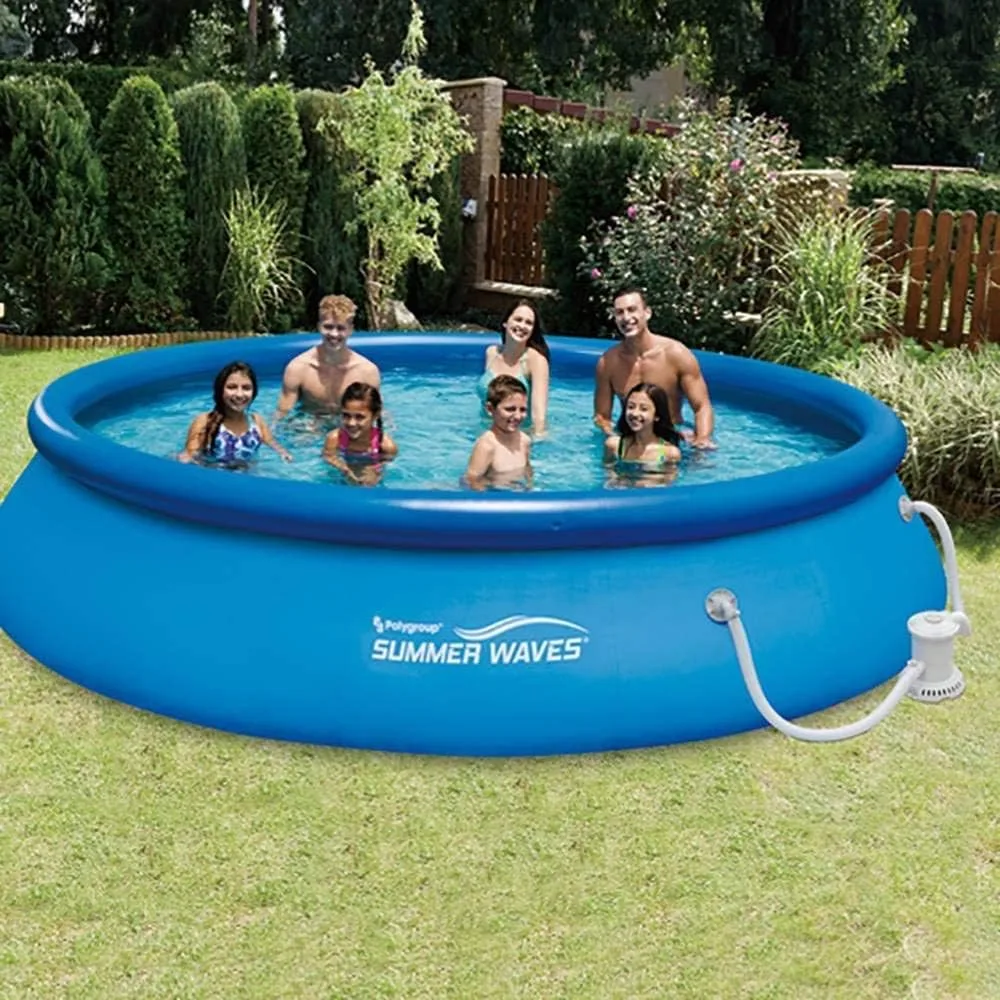
Image source: Bing (Web (fair-use with source credit))
Pros and Cons of Inflatable Pools
These pools are perfect for certain situations, but it's important to know their limitations.
Pros:
- Ease of Setup: Can be set up and ready for water in under an hour, sometimes much faster.
- Portability: Easy to deflate, pack away, and store during off-seasons or to move to a new location.
- Affordability: Usually the least expensive option for adding a pool to your home.
- Great for Kids: Many are designed with children in mind, offering shallow depths and soft walls.
Cons:
- Durability: The vinyl material is susceptible to punctures and tears, significantly limiting their lifespan, often to just one or two seasons.
- Size Limitations: Typically smaller and shallower than frame pools, not ideal for lap swimming or large groups.
- Water Filtration: Most smaller inflatable pools do not come with filtration systems, meaning water quality needs constant attention. Larger ones may have basic pump systems.
Hybrid & Resin Frame Pools: The Best of Both Worlds
Hybrid or resin frame pools aim to offer a superior experience by combining the strength of a metal frame with the durability and aesthetic appeal of resin components. This construction often uses steel or aluminum for the main frame and supports, while the uprights, top rails, and connectors are made from a robust, UV-resistant resin. This design aims to overcome some of the drawbacks of all-steel pools, particularly the risk of corrosion.
What to Expect from Hybrid/Resin Pools
These pools are engineered for longevity and a more premium feel. The resin parts are designed to resist fading from sunlight and can handle temperature fluctuations better than some plastics. This makes them a great option for areas with harsh weather or prolonged sun exposure.
While they still require assembly, the resin components can sometimes be lighter and easier to handle than their all-steel counterparts, though the overall structure is just as sturdy. Many hybrid pools come with attractive patterned liners and can include more advanced filtration and pump systems as standard. As of 2026, many manufacturers are also focusing on recyclable resin materials.
Pros and Cons of Hybrid/Resin Pools
Hybrid and resin pools represent a step up in quality and lifespan for above ground options.
Pros:
- Enhanced Durability: Resin resists corrosion and UV damage better than plain steel, leading to a longer lifespan.
- Improved Aesthetics: Often feature more attractive designs and finishes than basic steel pools.
- Strong Structure: Combines the rigidity of metal with the resilience of resin for a stable pool.
- Good Longevity: Typically last longer than basic steel frame pools, often 10-20 years with good maintenance.
Cons:
- Higher Cost: Generally more expensive than basic steel frame or inflatable pools.
- Assembly Effort: Still requires a significant time investment for setup, similar to steel frame pools.
- Potential for Brittle Resin: In very extreme cold, some resin components could become more brittle, though quality materials minimize this risk.
Steel Frame vs. Inflatable vs. Hybrid: A Quick Look
When you're trying to figure out what are the different types of above ground pools and which one is right for you, a quick comparison can highlight the main differences. Each type serves a specific purpose and appeals to different priorities.
| Feature | Steel Frame Pool | Inflatable Pool | Hybrid/Resin Frame Pool |
|---|---|---|---|
| Lifespan | 5-15 years (with maintenance) | 1-2 seasons | 10-20 years (with maintenance) |
| Setup Ease | Moderate (weekend project) | Very Easy (minutes to an hour) | Moderate (weekend project) |
| Durability | Good | Low | Very Good |
| Cost | Mid-range | Low | High |
| Portability | Low (permanent installation) | High (deflate and move) | Low (permanent installation) |
| Corrosion Risk | Moderate (can rust) | N/A (material is vinyl) | Low (resin resists corrosion) |
Who Each Pool Type is Best For
Deciding between steel frame, inflatable, and hybrid pools really comes down to what you need and want from your backyard swimming experience. There's no single "best" option; it's all about finding the right fit for your situation.
Inflatable Pools are Best For:
- Young children: Their shallow depth and soft sides are perfect for toddlers and very young kids.
- Temporary fun: If you only want a pool for one or two summers, or for a specific event.
- Budget-conscious buyers: They offer the lowest entry cost for backyard water access.
- Limited space: Easy to store away when not in use, making them suitable for smaller yards or seasonal use.
Steel Frame Pools are Best For:
- Families wanting moderate durability: They offer a good lifespan for their price point.
- DIY enthusiasts: If you don't mind a weekend assembly project for a more solid structure.
- Standard backyard setups: Suitable for most yards where a permanent or semi-permanent pool is desired.
- Those who want more swimming space: Available in larger diameters and depths than most inflatables.
Hybrid/Resin Frame Pools are Best For:
- Long-term investment: If you want a pool that will last for many years and withstand different weather conditions.
- Aesthetics: Those who prefer a more refined look for their backyard feature.
- Corrosion-prone environments: Ideal for coastal areas or places with high humidity where rust is a concern.
- Higher budgets: They are typically the most expensive type of above ground pool.
Common Mistakes to Avoid When Picking Your Pool
When you're looking at what are the different types of above ground pools, it's easy to get excited and overlook potential issues. Making a few common mistakes can lead to frustration, wasted money, or a pool that doesn't quite meet your expectations. Being aware of these pitfalls can save you a lot of hassle down the line.
- Underestimating Setup Time and Effort: Even "easy" setups can take longer than expected, especially if you're new to it. Steel and hybrid pools require significant assembly. Always factor in at least a full weekend, and make sure you have help, as parts can be heavy.
- Ignoring Ground Preparation: An uneven or unstable surface is a recipe for disaster. The ground must be perfectly level and compacted to support the weight of the water and prevent the pool from tilting or even collapsing. Manufacturer specifications, like those found on many leading pool vendor sites, often emphasize a level, clear foundation.
- Overlooking Maintenance Needs: Every type of pool requires regular cleaning, chemical balancing, and filter maintenance. An inflatable pool might need more frequent water changes due to lack of filtration, while larger pools need consistent chemical testing. Not budgeting time or money for maintenance is a common oversight.
- Choosing the Wrong Size: It's tempting to get the largest pool possible, but consider your yard size, available space for decking or seating, and how many people will actually use it at once. A pool that's too big can feel cramped in the yard and might be harder to manage.
- Skipping the Filtration System: While small kiddie inflatables might not have them, most larger pools, especially steel and hybrid types, absolutely need a filtration system. Without one, you'll be dealing with cloudy, unsanitary water very quickly, leading to more work and potential health concerns.
Making the Most of Your Above Ground Pool
Once you've chosen the right type of above ground pool and got it set up, making sure it stays in great shape is key to enjoying it for years. Proper maintenance isn't just about keeping the water clean; it's about protecting your investment.
Routine Cleaning and Water Chemistry
- Skimming: Use a leaf skimmer daily to remove floating debris like leaves, bugs, and grass clippings. This prevents them from sinking and decaying, which can unbalance your water chemistry.
- Vacuuming: Depending on the pool type and usage, vacuuming the pool floor once or twice a week can remove settled dirt and debris. Some pools use manual vacuums connected to your filter system, while others might have robotic cleaners.
- Water Testing: This is crucial. You'll need a pool test kit (strips or liquid reagent kits are common) to check your water's pH, alkalinity, and chlorine levels regularly. Aim for a pH between 7.2 and 7.6, and chlorine levels around 1-3 parts per million (ppm). Adjustments are made with specific pool chemicals.
- Shocking: Periodically, usually weekly or after heavy use, you'll need to "shock" the pool. This involves adding a higher dose of chlorine to kill off any bacteria or algae that the regular sanitizer levels can't handle.
Filter Maintenance
Your pool's filter system is the heart of keeping the water clear and clean.
- Cartridge Filters: These need to be removed and rinsed with a hose regularly, typically every 1-2 weeks. They may need replacement every 1-2 years depending on usage and material quality.
- Sand Filters: The sand inside needs to be "backwashed" periodically, which reverses the water flow to flush out trapped debris. This is usually done when the pressure gauge on the filter shows a significant increase (around 8-10 psi above normal). The sand itself usually needs replacing every 3-5 years.
- DE (Diatomaceous Earth) Filters: These are very effective but require more involved cleaning. They need backwashing and then recharging with DE powder.
Frequently Asked Questions
How long does it take to set up an above ground pool?
Setup times vary greatly. Inflatable pools can be ready in under an hour. Basic steel frame pools typically take a full day or even a weekend for larger sizes, especially when accounting for ground preparation.
Hybrid or resin frame pools also generally require a full day or more for assembly.
Do I need a permit for an above ground pool?
This depends heavily on your local municipality and the size of the pool. Some smaller, temporary pools may not require permits, but larger or more permanent installations often do. It's always best to check with your local building department or homeowner's association before purchasing and installing.
How often should I change the water in my above ground pool?
With a good filtration system and regular chemical maintenance, you may not need to change the water frequently. For many pools, a partial drain and refill (e.g., 10-20%) every few weeks can help manage chemical buildup. A full water change might be needed every 1-3 years, or if the water becomes persistently difficult to balance.
Can I leave an above ground pool up year-round?
Yes, many steel and hybrid/resin above ground pools are designed for year-round use. However, proper winterization is crucial. This involves lowering the water level, adding winterizing chemicals, removing the pump and filter for storage, and covering the pool securely.
Inflatable pools are generally not designed for year-round outdoor use and should be deflated and stored.
What Are the Different Types of Above Ground Pools? (Continued)
Does Pool Type Matter for Different Yards?
Absolutely, your yard's specific conditions can influence which type of above ground pool is most suitable. For instance, if you have a particularly sloped yard, preparing the ground for any type of pool becomes more critical, but a heavier steel or hybrid frame pool might be more forgiving on a slightly uneven surface after proper leveling than a lighter inflatable. Inflatable pools are best suited for flat, clear areas that won't be prone to puncture.
Manufacturers often recommend specific ground preparation methods, and checking these guidelines is crucial. For coastal regions or areas with high salt content in the air, resin or hybrid pools are generally a better long-term choice due to their superior resistance to corrosion compared to standard steel frames.
What Size Pool Should I Get?
Choosing the right size involves a few considerations beyond just how many people will use it. Think about the available space in your yard, as pool dimensions don't include the area needed for pumps, filters, and any surrounding deck or seating. For families with young children, a shallower pool around 10-15 feet in diameter might suffice.
For adults and teens who want to swim or play games, a larger diameter, say 18-24 feet, would be more appropriate. Consider the depth too; most above ground pools range from 30 inches to 52 inches deep. Always check manufacturer specs for exact dimensions and recommended clearance.
Can I Install a Pool on My Own?
Yes, installing an above ground pool is often a DIY project, but the complexity varies. Inflatable pools require minimal effort, mostly just inflation and filling. Steel frame and hybrid/resin pools involve assembling a metal or composite frame, attaching uprights and top rails, and then installing the liner.
This process can take anywhere from 4 to 12 hours or more, depending on the pool's size and your experience. It's highly recommended to have at least two people for the assembly of larger frame pools. Always follow the manufacturer's instructions precisely, as skipping steps or using incorrect parts can compromise the pool's structural integrity and safety.
What Kind of Maintenance Do These Pools Need?
Maintenance differs slightly based on the pool type. Inflatable pools, due to their simpler construction and often lack of robust filtration, may require more frequent water changes and manual cleaning to keep them hygienic. Steel and hybrid/resin pools, especially those equipped with a pump and filter system, benefit from consistent water chemistry management.
This includes regular testing and balancing of pH and chlorine levels, skimming debris, and cleaning or backwashing the filter as needed. Manufacturer guidelines often detail specific cleaning schedules and recommended chemical ranges to ensure water safety and prolong the pool's life.
Are There Any Safety Concerns with Above Ground Pools?
Safety is paramount, regardless of the pool type. The primary concern for all above ground pools is fall prevention. Their elevated walls can pose a risk, especially to young children.
Many safety standards and recommendations, such as those promoted by organizations like the U.S. Consumer Product Safety Commission (CPSC), advise using safety barriers, pool alarms, or ladder locks to prevent unsupervised access. For steel and hybrid pools, ensuring the structure is stable and properly installed on level ground is critical to prevent collapse.
For inflatables, check for material integrity regularly to avoid sudden deflation that could cause a fall.

