Have you ever wondered if your dog’s unusual behavior means something serious? Knowing the signs of illness in dogs can make all the difference in keeping your furry friend healthy and happy.
Your dog can’t tell you when they feel unwell, so it’s up to you to spot the clues early. You’ll discover the key symptoms to watch for and learn how to act quickly to protect your best friend. Keep reading—your dog’s health might depend on it.
Common Behavioral Changes
Dogs show many signs when they feel unwell. One of the first signs is a change in behavior. These changes can be small but important. Watch your dog closely for any unusual actions. Understanding these behaviors helps catch illness early.
Lethargy And Fatigue
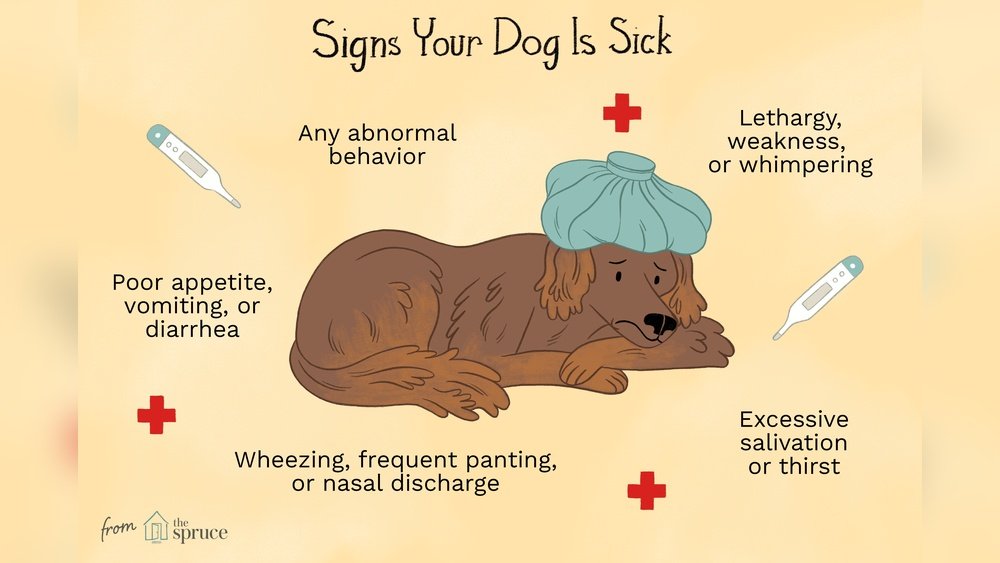
A sick dog often feels tired and weak. It may sleep more than usual. Your dog might not want to play or go for walks. Lack of energy can signal many health problems. Always notice if your dog seems less active.
Loss Of Appetite
A healthy dog usually eats well. If your dog stops eating or eats less, it could mean illness. Loss of appetite can cause weight loss and weakness. It is a common sign of infections or internal issues. Keep an eye on your dog’s eating habits daily.
Increased Aggression Or Anxiety
Illness can make dogs feel scared or uncomfortable. They may growl, snap, or hide more often. Anxiety might cause trembling or pacing. Changes in mood can mean pain or distress. Notice if your dog acts different around people or other pets.
:strip_icc()/signs-of-illness-in-dogs-1118669-262ceec3853c42bc9e7aae9f61a5f9e1.png)
Physical Symptoms To Watch
Physical symptoms often show the first signs of illness in dogs. These signs help you know when your dog needs care. Watching your dog closely is important. Early detection can prevent serious health problems.
Changes in your dog’s body or habits can signal trouble. Some symptoms are easy to spot. Others may be subtle but still important. Knowing what to watch helps you keep your dog healthy.
Vomiting And Diarrhea
Vomiting and diarrhea are common signs of sickness. They can happen due to infections, eating something bad, or stress. If your dog vomits or has diarrhea more than once, take notice. These symptoms can cause dehydration. Persistent vomiting or diarrhea needs a vet’s check.
Coughing And Sneezing
Coughing and sneezing may show respiratory issues. Dogs catch colds or infections like humans. A dry cough or frequent sneezing can mean illness. Watch for mucus or changes in breathing. If coughing or sneezing lasts long, seek help.
Excessive Thirst Or Urination
More thirst or urination than usual can signal health problems. Conditions like diabetes or kidney disease cause these symptoms. Count how often your dog drinks or pees. Sudden changes need attention. Your vet can find the cause and treat it early.
Changes In Appearance
Changes in your dog’s appearance can signal health problems. Watch for sudden shifts in how your dog looks. These changes can be early signs of illness. Spotting them early helps get your dog the care it needs.
Coat And Skin Issues
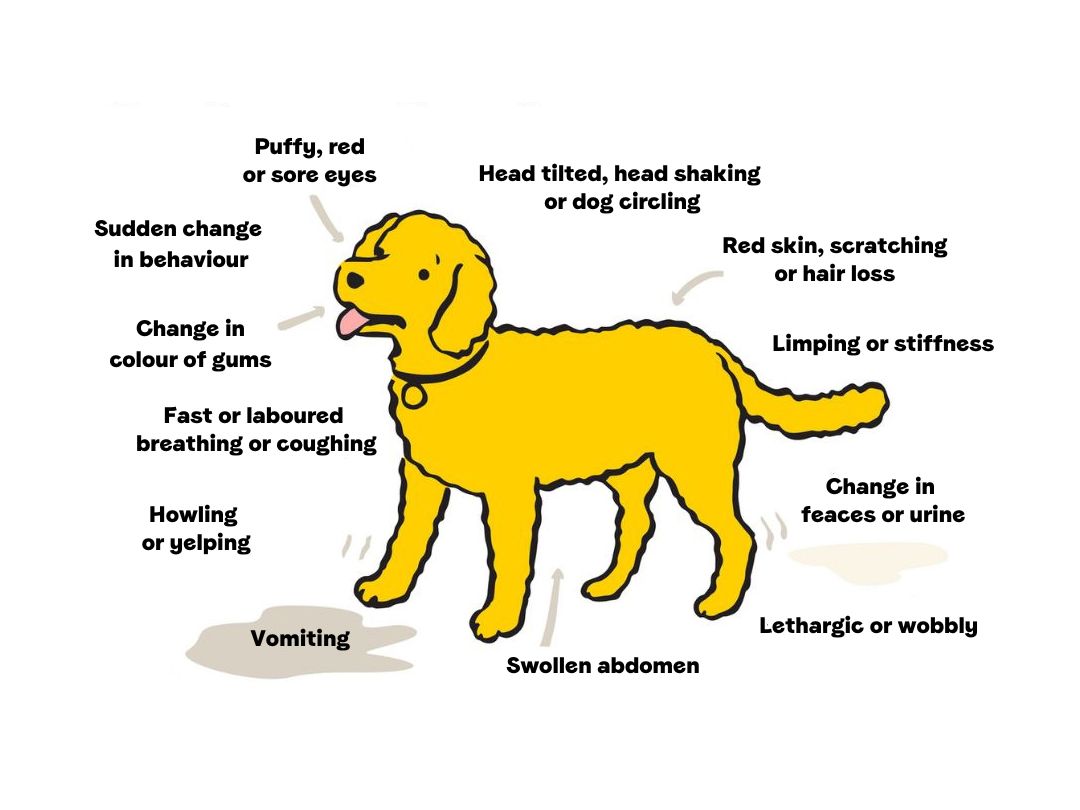
A healthy dog has a shiny, smooth coat. Dull, patchy, or greasy fur may mean illness. Redness, sores, or swelling on the skin are warning signs. Excessive scratching or hair loss can show allergies or infections. Check for unusual lumps or bumps. These issues need a vet’s attention.
Weight Fluctuations
Weight changes happen slowly, but sudden shifts are concerning. Rapid weight loss might mean parasites or disease. Rapid weight gain can signal hormonal problems or poor diet. Keep track of your dog’s weight regularly. This helps catch problems early.
Eye And Nose Discharge
Clear eyes and nose show good health. Watery, yellow, green, or bloody discharge is a problem. Red or swollen eyes can mean infection or allergies. A runny nose or sneezing often signals illness. Watch for unusual smells or crusts around these areas. These signs need veterinary care.
Signs Of Pain Or Discomfort
Dogs cannot tell us when they feel pain. They show it through their behavior and body language. Spotting signs of pain or discomfort helps protect your dog’s health. Early attention can prevent serious problems.
Limping Or Difficulty Moving
A dog that limps or moves slowly may be in pain. Watch for favoring one leg or stiffness. Difficulty climbing stairs or jumping is also a warning. These signs often point to injuries or joint problems.
Whining Or Whimpering
Unusual sounds like whining or whimpering signal distress. Your dog may make these noises when touched or moved. Listen carefully to changes in their vocal sounds. It often means they feel pain inside.
Restlessness Or Hiding
Restlessness shows a dog is uncomfortable. They may pace or change positions often. Hiding or avoiding people means they want to be alone. These actions suggest your dog is hurting or feeling unwell.
When To Contact A Vet
Knowing when to contact a vet is key to keeping your dog healthy. Dogs cannot tell us how they feel. So, we must watch their behavior closely. Some signs need quick action, while others may need a vet visit soon. Understanding these moments helps your dog get the right care fast.
Emergency Symptoms
Some symptoms need urgent vet care. Difficulty breathing, sudden collapse, or seizures are emergencies. Uncontrolled bleeding or choking also requires immediate help. Vomiting or diarrhea that lasts more than a day can be serious. Do not wait if your dog shows these signs. Call your vet right away or visit an emergency clinic.
Duration And Severity Of Signs
Watch how long signs last and how strong they are. Mild coughing or slight limping might improve in a day or two. But if signs get worse or last more than 48 hours, contact the vet. Loss of appetite for more than a day is also a concern. Keep a record of your dog’s symptoms to share with the vet.
Preventive Health Checks
Regular vet visits help catch problems early. Even if your dog seems fine, yearly checkups are important. Vets can spot hidden issues before they become serious. Vaccinations, dental care, and parasite prevention keep your dog healthy. Schedule these visits to avoid emergency trips later. Prevention is always better than cure.
Frequently Asked Questions
What Are Common Signs Of Illness In Dogs?
Common signs include lethargy, loss of appetite, vomiting, diarrhea, coughing, and changes in behavior. Early detection helps in timely treatment and recovery.
How To Tell If My Dog Has A Fever?
Check for warm ears, shivering, or lethargy. Use a digital rectal thermometer; a dog’s normal temperature is 101-102. 5°F.
When Should I See A Vet For Dog Illness?
Visit a vet if symptoms persist over 24 hours, worsen, or if your dog shows difficulty breathing, seizures, or severe pain.
Can Dogs Hide Signs Of Being Sick?
Yes, dogs often hide illness to avoid showing weakness. Watch for subtle changes in behavior or appetite to catch early signs.
Conclusion
Dogs cannot tell us when they feel unwell. Watching for signs of illness helps keep them safe. Changes in behavior, appetite, or energy may signal problems. Early care often means easier and faster healing. Trust your instincts if something feels wrong.
Visit a vet to protect your dog’s health. Stay alert and act quickly to give your dog the best life. Caring for your pet shows how much you love them.