Are you wondering when your puppy can start eating solid food? Knowing the right time is important for your puppy’s health and growth.
Feed them too early, and they might have trouble digesting; wait too long, and they could miss out on essential nutrients. You’ll discover exactly when to introduce solid food and how to do it the right way. Keep reading to make sure your furry friend gets the best start possible.

When Puppies Start Eating Solid Food
Puppies start to eat solid food as they grow and develop. This change helps them get the nutrients they need for strong bones and healthy muscles. Moving from milk to solid food is an important step in their early life. It also helps their teeth and digestion system to mature.
Knowing when to begin feeding solid food is key to a puppy’s health. Too early or too late can cause problems. Watch your puppy closely to find the best time to introduce solid food.
Typical Age Range
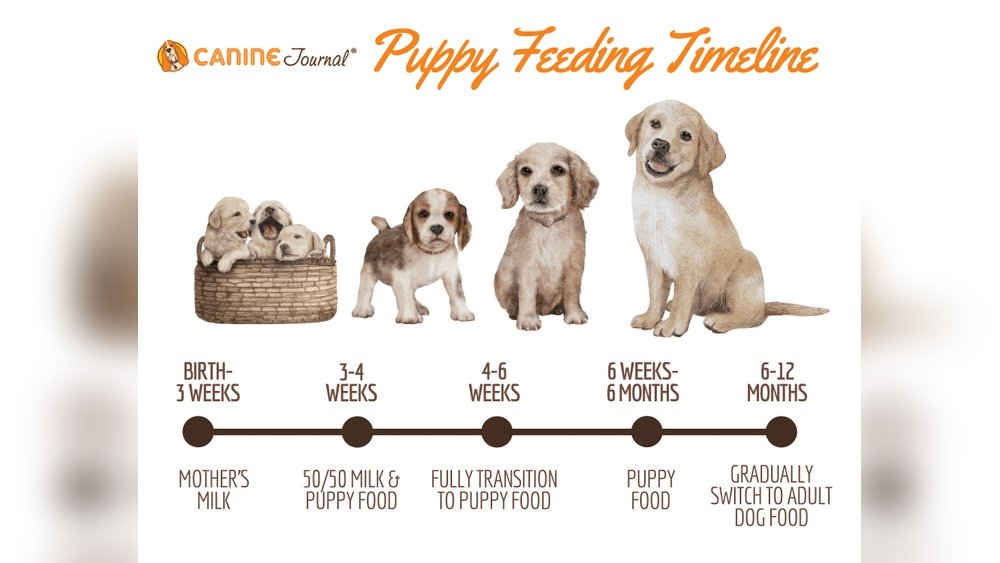
Puppies usually start eating solid food between three and four weeks old. At this age, their teeth begin to come in. Their digestive system also starts to handle solid food better. By six to eight weeks, most puppies can eat solid food fully. This is the time when they often leave their mother and go to new homes.
Signs Of Readiness
Look for signs that your puppy is ready for solid food. One sign is interest in the mother’s food or nearby food. Puppies may try to bite or chew on things around them. They also begin to sit up and show more alertness. If your puppy can lap up food and swallow it well, it is ready. Weak chewing or refusal may mean more time is needed.
Choosing The Right Puppy Food
Choosing the right food for your puppy is very important. Puppies need special nutrition to grow strong and healthy. Their food should support their development and keep them active. Picking the best food helps your puppy stay happy and full of energy.
Nutritional Needs
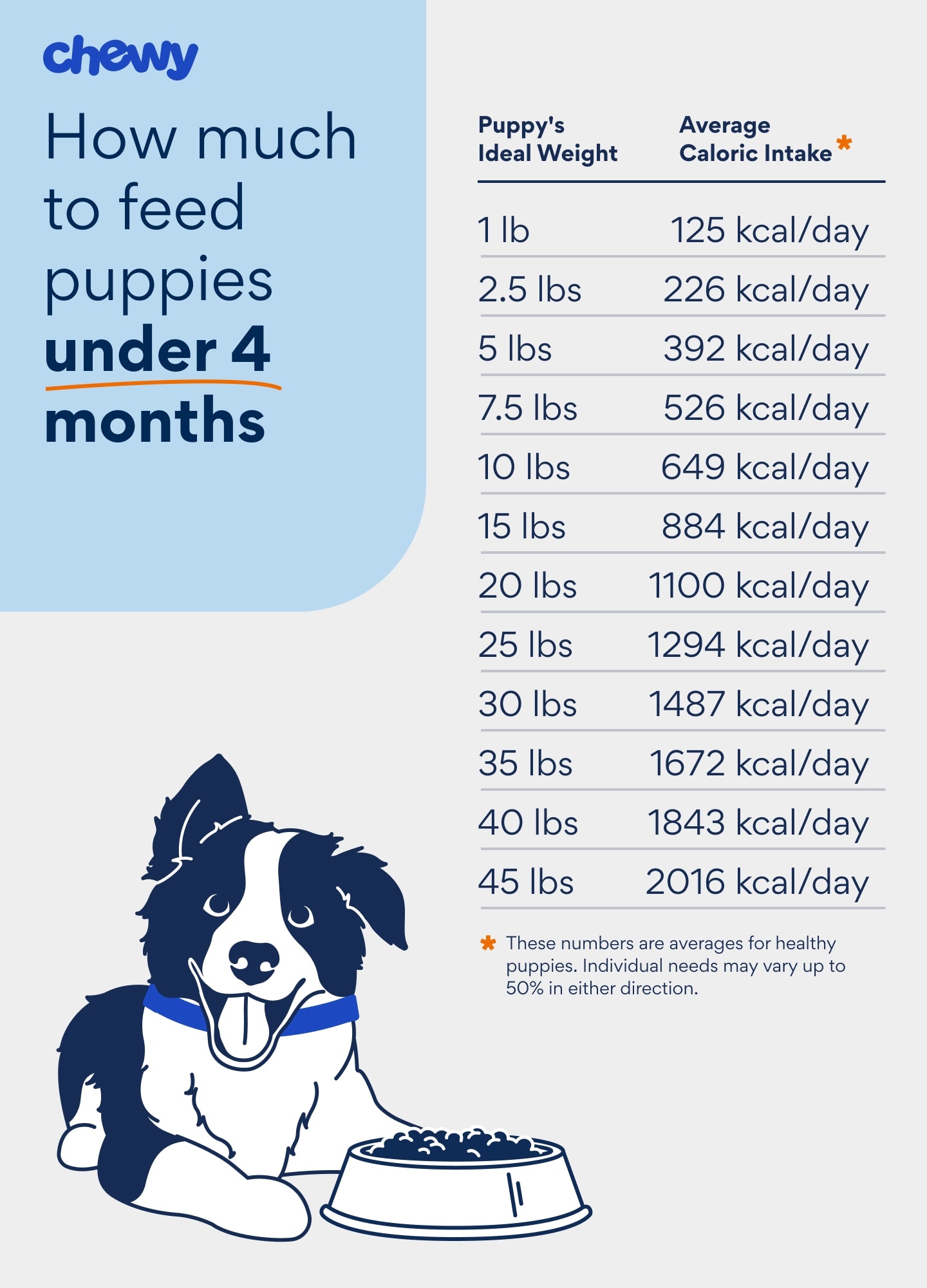
Puppies need more protein than adult dogs. Protein helps build muscles and tissues. They also need fats for energy and brain growth. Vitamins and minerals support bones and the immune system. Balanced food keeps puppies healthy and helps them grow well.
Types Of Puppy Food
Dry kibble is easy to store and helps keep teeth clean. Wet food has more moisture and tastes good. Some foods mix both dry and wet types. Choose food made for puppies, not adult dogs. Check the label to find the right choice for your puppy’s age and size.
How To Introduce Solid Food
Introducing solid food to puppies is an important step in their growth. It helps them develop strong teeth and get used to different tastes. Start this process gently to avoid upsetting their small stomachs.
Begin by offering soft, easy-to-digest foods. Mix the solid food with puppy formula or water to make it smooth. This makes it easier for puppies to eat and swallow. Watch how they respond and adjust the texture as they grow.
Step-by-step Transition
Begin feeding solid food around three to four weeks of age. Start with small amounts mixed with puppy milk replacer. Offer the mixture in a shallow dish on the floor. Let the puppy lick and taste it at their own pace.
Gradually reduce the milk replacer over two weeks. Increase the amount of solid food in the mix. By six to eight weeks, puppies should eat mostly solid food. Make sure fresh water is always available.
Tips For Successful Feeding
Choose high-quality puppy food designed for their age. Keep feeding times regular to build a routine. Use shallow dishes to help puppies reach their food easily. Clean dishes after each meal to prevent bacteria.
Be patient if puppies seem unsure at first. Encourage gentle exploration of new textures and flavors. Avoid forcing food; let puppies learn at their own pace. Praise and gentle petting can create positive mealtime experiences.
Common Challenges And Solutions
Introducing solid food to puppies can bring some challenges. These challenges often worry new puppy owners. Understanding common problems helps you manage feeding better. Here are two frequent issues and how to solve them.
Refusal To Eat
Puppies may refuse solid food at first. Their taste buds prefer mother’s milk. The texture of solid food feels strange to them. Try mixing solid food with warm water to soften it. Offer small amounts several times a day. Patience is key during this transition. Praise your puppy when it tries the food.
Digestive Issues
Changing to solid food can cause stomach upset. Diarrhea or constipation may appear. Start with small portions to ease digestion. Use high-quality puppy food designed for young dogs. Avoid sudden diet changes to protect the stomach. If problems continue, consult a veterinarian quickly.
Safety And Health Considerations
Introducing solid food to puppies requires careful attention to safety and health. Puppies have sensitive digestive systems that need gentle care. Feeding the right food at the right time supports their growth and prevents health issues. Understanding what to avoid and how to monitor their progress helps keep puppies strong and happy.
Avoiding Harmful Foods
Some foods can harm puppies and cause serious health problems. Avoid chocolate, grapes, onions, and garlic. These foods can be toxic. Also, stay away from foods high in fat, salt, or sugar. Raw bones and large chunks of food may cause choking. Always give small, soft pieces of food suitable for puppies.
Monitoring Growth And Weight
Keep track of your puppy’s growth and weight regularly. Healthy weight gain shows they are getting enough nutrition. Sudden weight loss or lack of growth signals a problem. Use a scale and measure your puppy weekly. Consult a vet if you notice unusual changes. Proper monitoring helps ensure your puppy’s strong development.
When To Consult A Veterinarian
Knowing when to consult a veterinarian about your puppy’s food is important. Puppies start eating solid food at a young age, but some may face issues. Early advice from a vet can prevent serious problems and keep your puppy healthy.
Signs Of Feeding Problems
Watch for signs like vomiting or diarrhea after eating. If your puppy refuses to eat or shows weakness, it may signal a problem. Slow growth or weight loss also needs attention. These signs mean your puppy might have trouble with solid food.
Professional Guidance
A vet can help decide the right time for solid food. They check your puppy’s health and growth carefully. Vets offer advice on the best food type and amount. Getting help early ensures your puppy grows strong and healthy.

Frequently Asked Questions
When Can Puppies Start Eating Solid Food?
Puppies can start eating solid food at about 3 to 4 weeks old. Begin with soft, moistened puppy food. Gradually reduce moisture as they grow to help transition smoothly from milk to solid food.
How To Introduce Solid Food To Puppies?
Introduce solid food by mixing it with warm water or puppy formula. Offer small amounts 3 to 4 times daily. Monitor puppies for any digestive issues and slowly increase solid food as they adapt.
What Solid Food Is Best For Puppies?
Choose high-quality puppy food rich in protein and nutrients. Look for brands with balanced vitamins and minerals. Avoid adult dog food or human foods to ensure proper growth and health.
When Should Puppies Fully Switch To Solid Food?
Puppies typically fully switch to solid food by 7 to 8 weeks. By this age, their teeth and digestive systems are ready. Continue feeding appropriate puppy food until they reach adulthood.
Conclusion
Puppies usually start eating solid food around three to four weeks. This change helps them grow strong and healthy. Offer soft, easy-to-chew food at first. Watch your puppy closely to see how they respond. Gradually increase solid food as they get used to it.
Remember, every puppy is different and may need more time. Feeding solid food too early can cause stomach problems. Always provide fresh water alongside their meals. Careful feeding supports your puppy’s healthy development and happiness. Keep patience and enjoy this important stage together.