

A dart board can turn any room into a lively spot for games, competition, and fun. But if you want the best experience, the board itself is just the beginning. The right accessories make a big difference in safety, accuracy, and enjoyment. If you’ve just bought a dart board, or are planning to, you might wonder: what else do I need? Let’s break down the essentials, compare choices, and share expert advice so you can set up your dart space like a pro.
Essential Dart Board Accessories
When you start with darts, a few accessories are must-haves. They help protect your wall, keep your equipment organized, and make the game fair and accurate.
1. Quality Darts
Your darts are your main tool. Most boards include a basic set, but upgrading will improve your game. Darts come in two main types:
- Steel-tip darts: Used for bristle or sisal boards.
- Soft-tip darts: Used for electronic boards.
Each dart has three parts: the barrel (grip), shaft (holds the flight), and flight (stabilizes the dart).
Comparison: Steel-tip Vs. Soft-tip Darts
| Feature | Steel-tip Darts | Soft-tip Darts |
|---|---|---|
| Board Type | Bristle/Sisal | Electronic/Plastic |
| Weight Range | 18–30 grams | 14–20 grams |
| Durability | Very high | Lower (tips can break) |
| Safety | Sharp, less safe for kids | Safer for beginners |
For most home setups, steel-tip darts are the standard unless you have an electronic board.
2. Dart Board Surround Or Cabinet
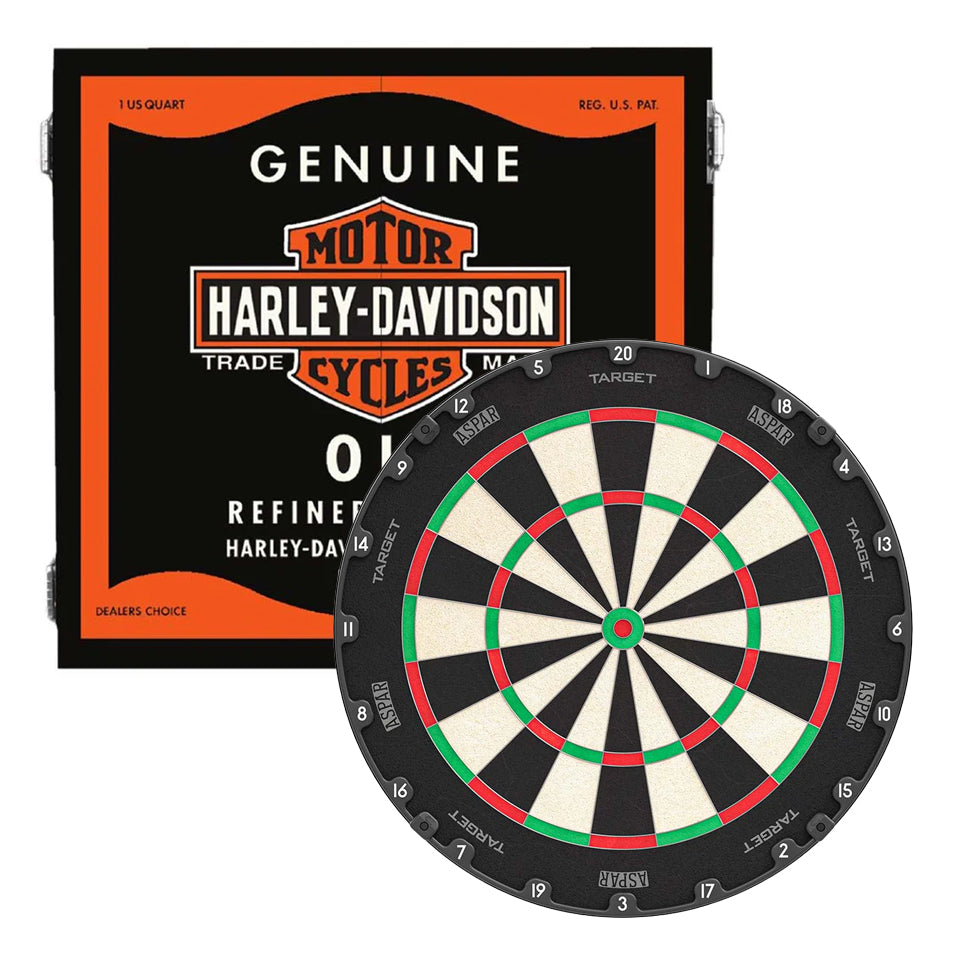
When you miss the board, darts can damage your wall. A dart board surround is a foam or rubber ring placed around the board to catch stray darts. A dart cabinet holds the board and also gives extra protection and storage.
- Surrounds are simple to install and fit most boards.
- Cabinets can look stylish and often include scoreboards.
3. Scoreboard
Keeping score is part of the game. Manual options include dry-erase boards and chalkboards. Digital scoreboards are also available and make scoring faster.
- For beginners, a dry-erase board is easy to use and update.
- Digital boards are great for tournaments or advanced players.
4. Throw Line (oche)
A throw line, also called an oche, marks where players stand. Standard distance for steel-tip is 7 feet 9.25 inches from the face of the board. You can use a simple tape line, a raised rubber mat, or a stick-on marker.
5. Dart Mat Or Floor Protector
Darts can bounce out of the board and hit the floor. A dart mat protects both your floor and your darts. It also often has distance markings for the throw line, making setup simple.
- Mats are made of rubber or carpet.
- They help prevent dart tips from breaking on hard floors.
6. Dart Sharpener
If you use steel-tip darts, the points get dull over time. A dart sharpener is a small tool (often a stone or file) that keeps tips sharp for better board grip and less damage.
7. Spare Parts: Shafts And Flights
Flights and shafts can break or wear out. Having spare flights and shafts means you won’t have to stop the game. Flights come in many shapes (standard, slim, kite), and shafts can be plastic, aluminum, or carbon fiber.
- Keep a few sets in your dart case.
- Try different shapes to see what suits your throwing style.
8. Dart Case Or Wallet
A dart case keeps your darts and accessories safe and organized. It’s especially useful if you play outside your home or carry your darts to friends’ houses.
- Cases come in soft or hard-shell types.
- They prevent bending and keep spare parts together.
Accessories That Improve Your Dart Experience
Beyond the basics, a few add-ons can make your setup more comfortable and your games more enjoyable.
Lighting
Good lighting helps you see the target and reduces eye strain. Dart-specific LED lighting rings or spotlights are popular. They mount above or around the board to remove shadows.
- Avoid harsh overhead lights that create glare or reflections.
- Battery-powered rings are easy to install in most rooms.
Scorekeeper Apps
Many players now use mobile apps to keep score. These apps can track statistics, suggest finishes, and even let you play online.
- Look for apps with clear interfaces and support for popular dart games like 501 or Cricket.
Dartboard Mounting Kit
If your board doesn’t include a mounting kit, you’ll need one for secure installation. A proper kit helps you hang the board at the right height (5 feet 8 inches from the floor to the bullseye) and keeps it stable.
- Kits usually include a center screw, wall bracket, and spacers.
- Level installation prevents bounce-outs.
Sound Dampening
For apartments or shared spaces, sound-dampening pads behind the board can reduce noise from impact. This is useful if you play late or in multi-use rooms.
Practice Tools
Serious players use training rings, target stickers, or even throw analyzers to improve their aim. While not essential, they can help you advance faster.
Comparing Dart Board Accessories
With so many options, it’s easy to spend more than you need. Here’s a comparison of key accessories, their importance, and average costs:
| Accessory | Importance | Average Cost (USD) | Beginner Friendly? |
|---|---|---|---|
| Darts | Essential | $15–$50/set | Yes |
| Surround/Cabinet | Very High | $30–$150 | Yes |
| Scoreboard | High | $10–$40 | Yes |
| Throw Line (Oche) | Moderate | $5–$30 | Yes |
| Dart Mat | Medium | $25–$70 | Yes |
| Lighting | Optional | $40–$120 | Yes |
| Dart Case | Optional | $10–$50 | Yes |
While you can play with just a board and darts, a surround and scoreboard make games smoother and protect your space.
Common Mistakes When Choosing Accessories
Many new dart players buy accessories without a clear plan. Here are a few mistakes to avoid:
- Ignoring Safety: Skipping a surround or mat can lead to wall and floor damage—costing more later.
- Buying Cheap Darts: Low-quality darts break easily and feel unbalanced. Spend a bit more for a better experience.
- Wrong Mounting Height: If you install your board too high or low, it’s not tournament-legal and can affect your aim.
- Forgetting Spare Parts: Flights and shafts break often. Always have spares on hand.
- Poor Lighting: Bad lighting makes scoring and aiming harder. Even a basic lamp can make a big difference.
An insight many overlook: dartboard weight and wall type. Heavy boards need strong anchors. Plaster or drywall may require special screws or extra padding. Always check your wall before drilling.
Setting Up Your Dart Space: Practical Tips
Creating a great dart setup doesn’t need a large room, but some planning helps. Here’s what to consider:
- Space: Allow at least 8 feet from the board to the throw line, and 5 feet to the sides.
- Surface: Carpet is better than tile for dropped darts, but a mat protects any surface.
- Height and Distance: The bullseye should be 5 feet 8 inches (173 cm) from the floor. The throw line should be 7 feet 9.25 inches (237 cm) from the board face.
- Storage: Cabinets or wall-mounted racks keep accessories organized and out of the way.
- Noise: For apartments, use foam padding behind the board and a mat to reduce sound.
A common beginner oversight is not checking for obstacles behind the throw line—windows, doors, or furniture can get in the way or be damaged by stray darts.
Accessories For Different Skill Levels
Your needs change as you improve. Here’s how to match accessories to your level:
- Beginners: Focus on board, darts, surround, basic scoreboard, and mat.
- Intermediate: Add better darts, lighting, and a sturdy cabinet. Try different flights and shafts.
- Advanced: Invest in quality lighting, sound dampening, and practice tools like throw analyzers.
As you get better, you’ll want more durable gear and maybe even a practice board or advanced scoring systems. But for most people, a good set of darts, a surround, and a mat are enough to get started.

Where To Buy Dart Board Accessories
You can find dart board accessories at sports stores, specialty game shops, and online retailers. Always check product reviews and look for brands with a good reputation. For official rules and standards, the World Darts Federation (WDF) offers helpful resources for players of all levels.
Frequently Asked Questions
What Is The Minimum I Need To Start Playing Darts At Home?
You need a dart board, a set of darts (matching your board type), and a throw line marked at the correct distance. For safety and convenience, a surround and mat are highly recommended.
Can I Use The Same Darts For Both Bristle And Electronic Boards?
No. Steel-tip darts are for bristle boards, and soft-tip darts are for electronic boards. Using steel tips on an electronic board can damage it, and soft tips won’t stick in a bristle board.
How Do I Choose The Right Dart Flights And Shafts?
Start with standard flights and medium shafts; these suit most beginners. Try different shapes and lengths as your style develops. Heavier darts often work better with larger flights for stability.
How Do I Protect My Walls And Floors From Dart Damage?
Use a dart board surround or cabinet to catch stray darts. A dart mat protects the floor and your dart tips, especially on wood or tile surfaces.
Do I Need Special Lighting For My Dart Board?
While not essential, dedicated dart board lighting reduces shadows and helps you see the target better. LED rings or spotlights designed for darts are worth considering for serious play.
A well-equipped dart setup is more than just the board. The right accessories keep your games safe, fair, and fun. With smart choices, you’ll enjoy darts for years to come—whether you’re just starting or aiming for the bullseye every time.


