

A Shark vacuum usually loses suction because of clogs, dirty filters, a full bin, or airflow blockages.
If your Shark vacuum losing suction has turned cleaning into a frustrating chore, you are not alone. I have seen this problem many times in real use, and the good news is that it is often fixable without replacing the vacuum. In this guide, I’ll walk you through the most common causes, the exact checks to make, and the simple repair habits that bring strong suction back fast.
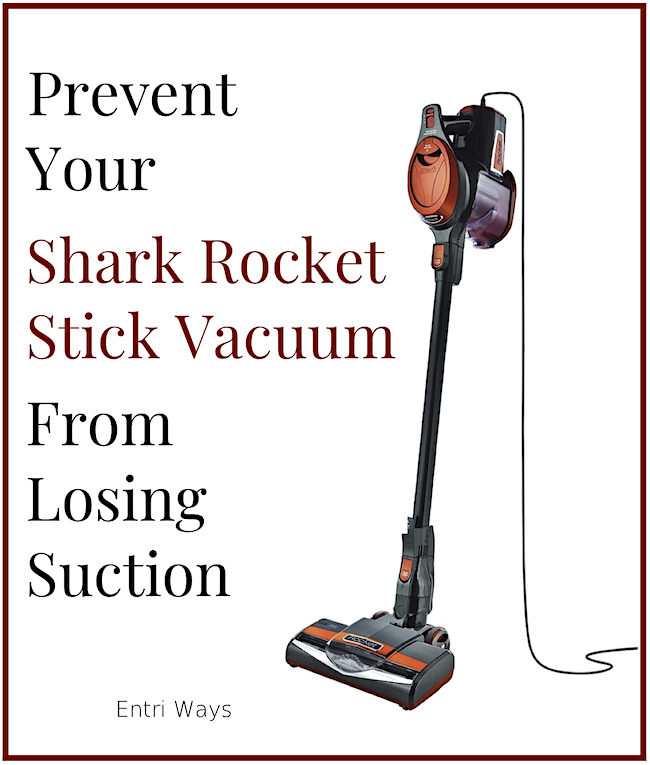
Why a Shark vacuum loses suction
A Shark vacuum depends on steady airflow. When that airflow gets blocked, suction drops fast. That can happen in the hose, wand, brush roll, filters, dust cup, or even at the seals.
In my experience, most people assume the motor has failed. More often, the vacuum is just asking for a deep clean. Think of it like breathing through a straw that keeps getting clogged. The machine is working, but the air cannot move the way it should.
Common reasons include:
- A full dust cup that limits air movement
- Clogged foam or felt filters
- Hair or debris wrapped in the brush roll
- Blocked hose, wand, or floor nozzle
- Cracks, loose parts, or bad seals
- A worn belt or brush roll issue
- Overheating from too much buildup
Shark vacuums are designed to keep strong suction when the airflow path stays clean. That is why a small blockage can make the whole machine feel weak. The fix often starts with simple cleaning, not a major repair.
Signs your Shark vacuum is losing suction
A suction problem is not always obvious at first. Sometimes the vacuum still sounds normal, but it cleans poorly. Other times, you may notice a change right away.
Watch for these signs:
- Dirt gets left behind on hard floors or carpet
- The vacuum feels weak when you lift it off the floor
- The bin fills faster than usual with fine dust stuck inside
- The brush roll spins poorly or stops
- You hear a high-pitched sound or odd whistling
- The vacuum runs hotter than normal
- Suction feels stronger at one part of the hose than another
I have found that many users notice the vacuum picking up big debris but missing fine dust. That is a classic airflow clue. If your Shark vacuum losing suction is the issue, the machine is often still moving air, just not enough of it.

Step-by-step fixes for Shark vacuum losing suction
The best way to solve Shark vacuum losing suction is to check the airflow path from top to bottom. Start with the easiest parts first. That saves time and helps you spot the real problem fast.
1. Empty the dust cup
A full bin can choke airflow, even if it does not look packed. Empty the cup before it reaches the max line. Fine dust can coat the inside and still reduce suction after the cup looks “empty enough.”
What to do:
- Remove the dust cup
- Empty it fully into a trash can
- Tap out loose dust
- Wipe the inside if it is dusty or sticky
- Reinstall it firmly
If you vacuum pet hair or drywall dust, empty the bin more often. Those fine materials clog airflow faster than normal dirt.
2. Clean the filters
Dirty filters are one of the biggest reasons for Shark vacuum losing suction. Many Shark models use foam, felt, or HEPA-style filters. When they get packed with dust, the machine cannot breathe well.
What to do:
- Remove the pre-motor filters
- Tap off loose dust
- Wash only the filters your model allows
- Let washable filters dry completely for at least 24 hours
- Replace filters that are torn, worn, or permanently dirty
Do not put damp filters back in the vacuum. That can damage the motor and create a bad smell. I have seen a lot of suction complaints disappear after a proper filter wash and full dry time.
3. Check the hose, wand, and nozzle for clogs
A clog anywhere in the airflow path can make the whole vacuum seem weak. Small items like string, hair clumps, socks, paper, or pet bedding can lodge inside the hose or wand.
What to do:
- Detach the hose and wand if your model allows it
- Look through the tube with a flashlight
- Push a flexible object through only if the manual allows it
- Remove visible blockages by hand
- Check both ends of the hose for hidden debris
A simple trick I use is to test suction at each part separately. If suction is strong at the motor but weak at the hose end, the clog is somewhere in between. That kind of step-by-step check is one of the fastest ways to find the issue.
4. Inspect the brush roll
Hair and threads can wrap around the brush roll and slow airflow at the floor head. On some carpets, a jammed brush roll also makes it look like suction is poor when the real issue is poor agitation.
What to do:
- Turn the vacuum off and unplug it
- Flip the floor head over
- Cut away hair and string from the brush roll
- Clean the end caps and bearings
- Make sure the brush spins freely
A brush roll should move smoothly. If it feels stiff, the vacuum may lose cleaning power even if suction seems okay at the hose. That is why brush care matters so much in Shark vacuum losing suction cases.
5. Look for cracks, loose seals, or damaged parts
Air leaks can weaken suction just as much as clogs. If a hose is cracked or a seal is loose, the vacuum pulls air from the wrong place instead of the floor.
Check for:
- Cracks in the hose
- Loose dust cup seals
- Worn gaskets
- Poorly seated filters
- Broken latches
- Damaged attachments
One small crack can create a big loss in performance. I once saw a vacuum that looked perfect but had a tiny split near the hose bend. The suction loss was obvious once we found it. That is why visual checks matter.
6. Check the belt and motorized parts
If your Shark uses a powered brush head, a stretched or broken belt can hurt performance. A bad belt often shows up as weak carpet cleaning, loud noises, or a brush that barely turns.
What to do:
- Listen for strange squeaks or burning smells
- Check whether the brush roll rotates properly
- Replace worn belts as directed by the model guide
- Stop use if the motor sounds strained
Do not keep running the vacuum if you smell burning. That can cause more damage. If you suspect the motor is failing, a repair shop or Shark support may be the safest next step.
Model-specific reasons Shark vacuum suction drops
Not every Shark vacuum behaves the same way. Uprights, stick vacuums, and cordless models have their own weak spots. That matters when you are troubleshooting Shark vacuum losing suction.
Upright Shark vacuums
Uprights often lose suction because of:
- Dirty filters
- Hair wrapped in the brush roll
- Hose clogs
- Dirty floor nozzles
These models usually need regular deep cleaning. Carpet fibers and pet hair build up fast in the brush area.
Shark stick vacuums
Stick vacuums are lighter, but their smaller dust cups and filters clog faster. If you use one daily, you may need to empty and clean it more often than you expect.
Typical causes include:
- A full dust cup
- Filter buildup
- Debris stuck in the slim wand
- Weak battery output on cordless models
Cordless Shark vacuums
Cordless models can feel like they have suction problems when the battery is actually the issue. Lower battery charge can make the vacuum sound weaker and clean less well.
Check for:
- Battery not fully charged
- Aging battery with shorter runtime
- Dirty filters causing extra strain
- Brush roll blockage
If performance drops near the end of a charge, the battery may be the real cause. That is different from a clog, so it helps to test the vacuum on a full charge first.
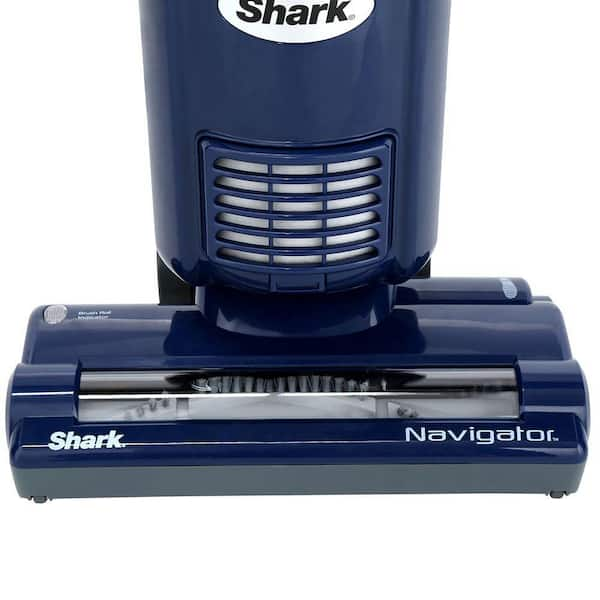
How to prevent Shark vacuum losing suction
Prevention is easier than repair. A little maintenance keeps airflow strong and helps the vacuum last longer. That is especially true if you have pets, thick carpets, or lots of dust.
Use these habits:
- Empty the dust cup often
- Clean filters on schedule
- Remove hair from the brush roll weekly
- Check hoses and attachments for blockages
- Store the vacuum in a dry place
- Replace worn filters and belts on time
- Use the right mode for carpet or hard floors
From real-world use, the most common mistake is waiting until the vacuum looks filthy. By then, suction has usually dropped for a while. Small monthly cleanups are much easier than chasing a major clog later.
When the problem may be more serious
Sometimes Shark vacuum losing suction is not just dirt or dust. If you have cleaned everything and the suction still feels weak, a deeper issue may be involved.
Possible serious issues include:
- Motor wear
- Damaged internal seals
- Failed electronic parts on cordless models
- Cracked housing inside the machine
- Repeated overheating damage
At that point, the vacuum may need service or replacement parts. If your model is under warranty, it is worth checking repair options before buying a new unit. I always recommend ruling out simple airflow problems first, because those are far more common.
What not to do when suction drops
A lot of people accidentally make the problem worse. I have seen this happen with well-meaning fixes that backfire.
Avoid these mistakes:
- Running the vacuum with wet filters
- Overfilling the dust cup
- Forcing objects too far into the hose
- Using the vacuum with a broken seal
- Ignoring burning smells or loud grinding
- Washing non-washable filters
It is better to clean the vacuum slowly and carefully than to rush and damage a part. A little patience can save you from a costly repair.
Frequently Asked Questions of Shark vacuum losing suction
Why is my Shark vacuum losing suction even after I clean the filter?
If suction is still weak after cleaning the filter, there is likely another blockage in the hose, wand, brush roll, or dust cup seal. Air leaks and worn parts can also cause the same problem.
How often should I clean Shark vacuum filters?
Most Shark vacuum filters should be checked every few weeks and cleaned as needed, especially in homes with pets or heavy dust. Always follow your model’s care guide, since some filters are washable and others are not.
Can a full dust cup cause Shark vacuum losing suction?
Yes, a full dust cup can reduce airflow a lot. Even if the bin does not look packed, fine dust coating the inside can still weaken suction.
Why does my Shark vacuum sound normal but clean poorly?
That often means airflow is restricted somewhere in the system. The motor may still sound fine, but a clog, dirty filter, or leak can keep the vacuum from pulling in dirt well.
Is it worth repairing a Shark vacuum that keeps losing suction?
It depends on the cause and the model age. If the problem is just clogs, filters, or a belt, repairs are usually easy and cheap. If the motor or internal parts are failing, replacement may make more sense.
Conclusion
Shark vacuum losing suction is usually caused by a simple airflow problem, not a major breakdown. Most of the time, the fix comes down to emptying the bin, cleaning the filters, clearing clogs, checking the brush roll, and inspecting seals.
The best takeaway is this: treat your vacuum like a tool that needs regular care, not a machine you only notice when it stops working. If you follow the steps above, you can often bring suction back in minutes and keep your Shark vacuum running like it should. If this guide helped, take a moment to check your vacuum now, and leave a comment or explore more home care tips for deeper cleaning advice.


1 Comment
Pingback: Hoover Vacuum Belt Keeps Breaking: Easy Fixes - Vacuum Cleaner Tips