Are you wondering if grain free dog food is truly safe for your furry friend? With so many options on the market, it’s easy to feel confused about what’s best for your dog’s health.
You want to make the right choice, but how do you know if grain free means better nutrition or hidden risks? Keep reading to discover the facts that every dog owner needs to understand before making a decision that affects your pet’s well-being.
This guide will help you feel confident about what you feed your loyal companion.
Grain Free Dog Food Basics
Grain free dog food has become popular among pet owners. Many choose it because they believe it is healthier for dogs. Understanding the basics helps decide if it is right for your pet. This section explains what grain free dog food means and what ingredients it usually contains.
What Is Grain Free Dog Food
Grain free dog food does not include common grains like wheat, corn, or rice. It replaces these grains with other sources of carbohydrates. These foods focus on proteins and vegetables. Grain free diets aim to reduce allergies or digestive problems. Some dogs need grain free food due to health issues.
Common Ingredients In Grain Free Options
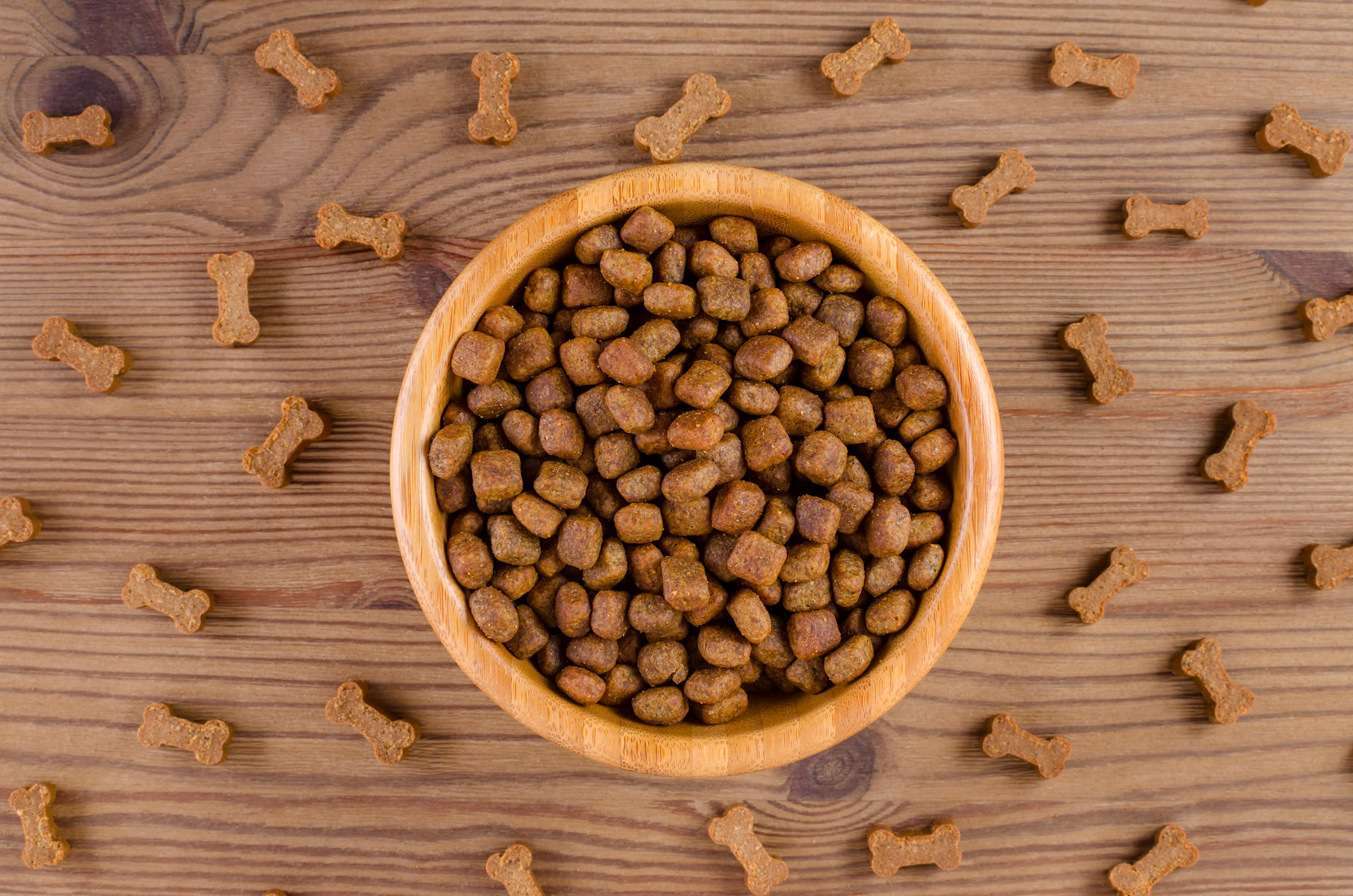
Grain free dog food often uses ingredients like sweet potatoes, peas, and lentils. These provide energy and fiber. Protein comes from meat, fish, or eggs. Sometimes, fruits and vegetables add vitamins and minerals. These ingredients support a balanced diet without grains.
Credit: petfolk.com
Reasons For Choosing Grain Free
Choosing grain free dog food has become popular among pet owners. Many believe it offers health benefits for dogs. Understanding these reasons helps decide if grain free is right for your pet.
Allergies And Sensitivities
Some dogs have allergies to grains like wheat or corn. These allergies cause itching, redness, and discomfort. Grain free food removes these common allergens. It helps reduce allergic reactions and improves skin health. Sensitive dogs may feel better with grain free diets.
Digestive Health Benefits
Grain free dog food often contains more protein and fiber. These nutrients support better digestion. Dogs with sensitive stomachs may digest grain free food more easily. It can reduce gas, bloating, and diarrhea. Healthy digestion means a happier, more active dog.
Potential Risks And Concerns
Grain free dog food has grown popular, but safety questions remain. Some dog owners wonder about risks and hidden concerns. Understanding these helps pet parents make wise choices. The following sections explore key issues linked to grain free diets.
Link To Heart Disease In Dogs
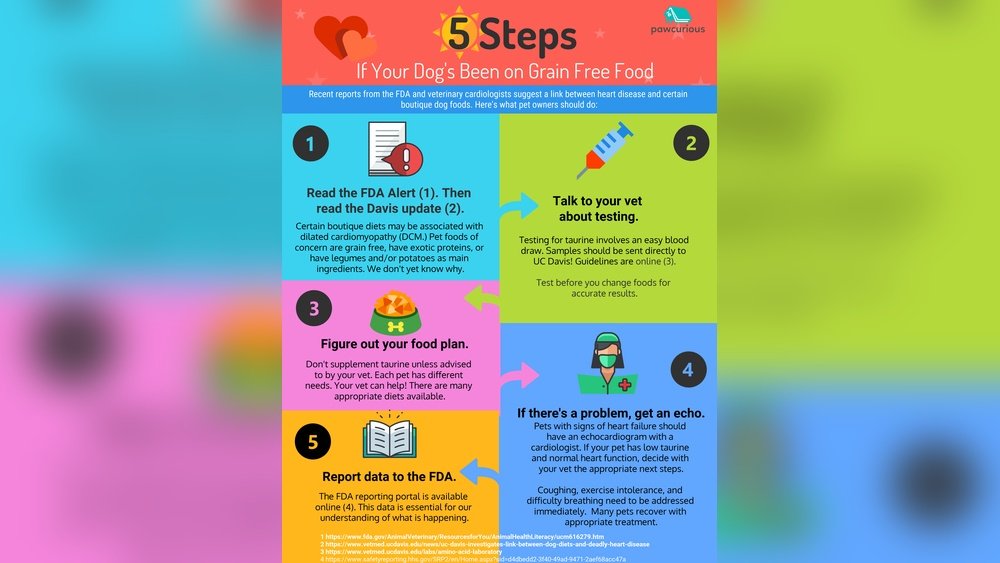
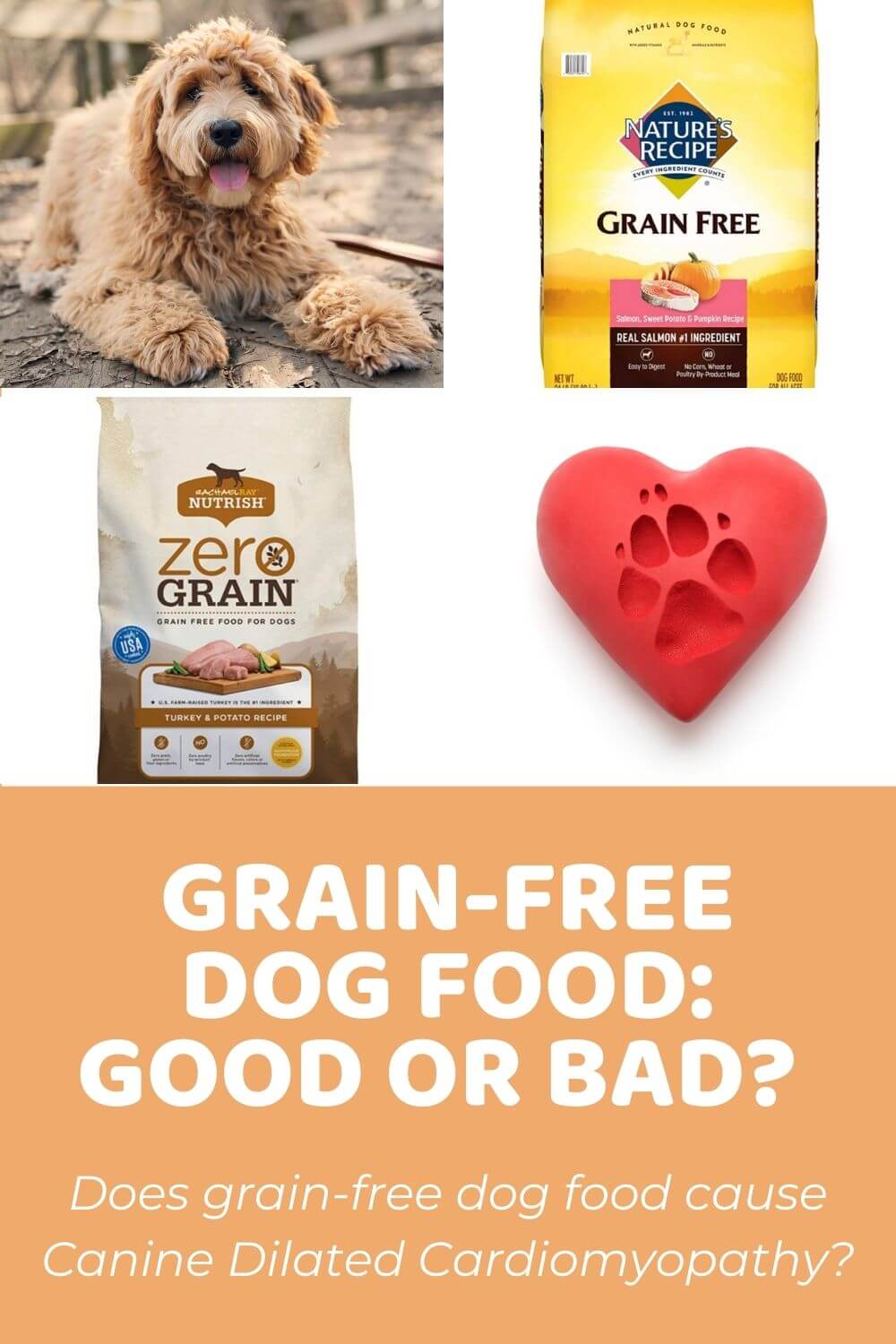
Some studies link grain free dog food to heart disease. The condition is called dilated cardiomyopathy (DCM). DCM weakens the heart muscles and lowers blood flow. Scientists suspect certain ingredients might cause this problem. Dogs eating grain free diets showed more DCM cases than others. Experts still research the exact cause. Not all dogs on grain free food develop heart issues. But caution is important, especially for at-risk breeds.
Nutritional Imbalances To Watch
Grain free dog foods can lack important nutrients. Some grains provide fiber, vitamins, and minerals. Removing grains may reduce these in the diet. Protein sources may also vary widely in grain free foods. Too much or too little protein affects dog health. Taurine, an amino acid, can be low in some grain free recipes. Taurine deficiency links to heart problems. Checking labels and ingredient quality is essential. Balanced nutrition supports a dog’s overall wellbeing.
Credit: compassbank.us
Comparing Grain Free And Traditional Diets
Grain free and traditional dog diets differ in many ways. Both types aim to provide dogs with the nutrients they need. Each diet has unique ingredients and benefits. Understanding these differences helps choose the best food for your dog.
Grain free diets avoid grains like wheat, corn, and rice. Traditional diets usually include these grains as a source of energy. These choices affect the nutrient content and digestibility of the food.
Nutrient Profiles
Grain free dog food replaces grains with vegetables, fruits, or legumes. This changes the source of carbohydrates and fiber. Protein levels in grain free diets can be higher, using meat or fish. Traditional diets rely on grains for energy and fiber. They often contain balanced amounts of protein, fat, and carbohydrates. Both diets aim to meet the nutritional needs set by pet health experts.
Some grain free foods may have more fat and protein. This suits active dogs or those with allergies. Traditional diets may be easier to digest for some dogs. They provide steady energy through grains, which break down slowly.
Suitability For Different Dog Breeds
Some dog breeds do better on grain free diets. Dogs with grain allergies or sensitivities benefit from grain free food. Breeds like Boxers or Bulldogs sometimes show better health on grain free diets. Other dogs thrive on traditional diets without any issues.
Large breeds may need diets with more grains for energy and weight control. Smaller breeds often do well on both diet types. Age and health conditions also affect which diet suits a dog best. Always observe your dog’s reactions to the diet and adjust if needed.
Expert Opinions And Research Findings
Experts and research play a key role in understanding grain free dog food safety. They offer insights based on facts and studies. Their views help pet owners make informed choices. Let’s explore what veterinarians and recent studies say.
Veterinarian Insights
Many veterinarians note that grain free diets can be safe for most dogs. They stress the importance of balanced nutrition. Some vets warn about potential risks linked to grain free food. Dilated cardiomyopathy (DCM) is one concern mentioned in some cases. Vets advise monitoring your dog’s health closely. Regular checkups are important to catch any issues early.
Recent Scientific Studies
Recent studies examine the link between grain free diets and heart problems. Some research found a possible connection with DCM in certain breeds. Other studies show no clear cause and effect. Scientists suggest more research is needed to confirm findings. Research also highlights that grain free food can benefit dogs with allergies. It can reduce digestive issues and skin problems in sensitive dogs.
Making The Right Choice For Your Dog
Choosing the right food for your dog can be confusing. Grain free dog food is popular, but is it safe? Each dog has unique needs. Understanding these needs helps you pick the best option. Focus on your dog’s health and preferences. This section guides you through key steps for making the right choice.
Consulting With Your Vet
Your vet knows your dog’s health best. Talk to them about grain free options. They can spot allergies or health issues. Your vet can recommend foods that suit your dog. This advice ensures your dog stays healthy and happy. Never change your dog’s diet without veterinary advice.
Reading Labels Effectively
Food labels hold important information. Look for ingredients that support your dog’s health. Check for protein sources and avoid fillers. Notice if the food has vitamins and minerals. Avoid foods with too many additives or artificial ingredients. Clear labels help you understand what your dog eats.
Alternatives To Grain Free Dog Food
Grain free dog food is popular but not the only choice for your dog’s health. Some dogs need different diets to stay healthy. There are other safe and effective options to consider. These diets focus on fewer ingredients or special formulas for sensitive dogs. Choosing the right food helps avoid allergies and digestive problems.
Limited Ingredient Diets
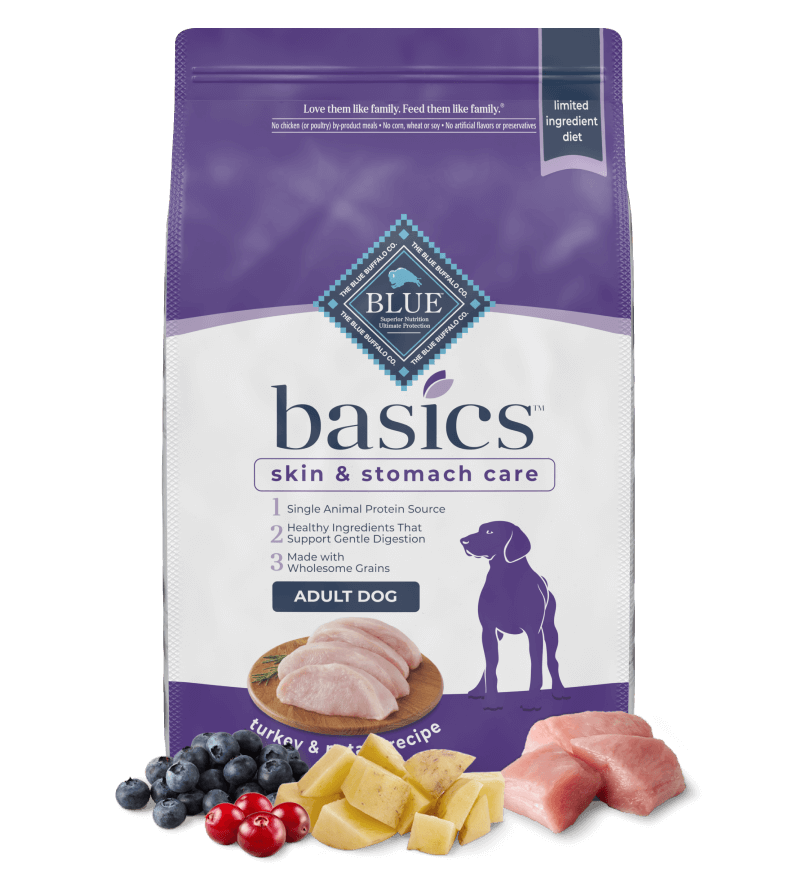
Limited ingredient diets have fewer ingredients than regular dog food. They reduce the chance of allergic reactions. These diets usually contain one protein and one carbohydrate source. It is easier to identify food sensitivities with limited ingredients. Many dogs with allergies do well on these diets. They provide balanced nutrition without unnecessary fillers.
Hypoallergenic Options
Hypoallergenic dog foods are made for dogs with allergies or sensitivities. They use special proteins like hydrolyzed protein. This protein is broken down into tiny parts to avoid immune reactions. These foods often exclude common allergens like wheat, corn, and soy. Hypoallergenic options support dogs with skin or stomach issues. They help keep your dog comfortable and healthy.
Credit: www.forummagazine.org
Frequently Asked Questions
Is Grain Free Dog Food Healthier For All Dogs?
Grain free dog food suits dogs with grain allergies or sensitivities. However, it is not always healthier for every dog. Consult your vet before switching to ensure it meets your dog’s nutritional needs.
Can Grain Free Diets Cause Heart Problems In Dogs?
Some studies suggest a link between grain free diets and canine heart disease. However, more research is needed. Always choose a well-balanced food and monitor your dog’s health regularly.
What Ingredients Replace Grains In Grain Free Dog Food?
Grain free dog foods often use potatoes, peas, lentils, or sweet potatoes. These provide carbohydrates and fiber while avoiding traditional grains like wheat, corn, or rice.
Are Grain Free Dog Foods More Expensive?
Yes, grain free dog foods typically cost more due to specialty ingredients and production methods. The price varies by brand and quality, so compare options carefully.
Conclusion
Grain free dog food can be safe for many dogs. Some dogs may benefit from avoiding grains. Others might need grains for balanced nutrition. Always watch your dog’s health and energy. Talk to your vet before making changes. Each dog is different and needs care.
Choose food that fits your dog’s needs. Good nutrition helps keep dogs happy and strong. Grain free is not always the best choice. Think about your dog’s unique health needs. Care and attention make a big difference.