Changing your dog’s food can feel tricky. You want to make sure your furry friend stays happy and healthy without upset tummies or picky eating.
If you switch too fast, your dog might face stomach issues or refuse the new food altogether. But don’t worry—you’re about to learn simple, effective steps to make this change smooth and stress-free for both you and your dog. Keep reading, and discover how to transition your dog to new food safely, so mealtime stays a joy every day.
Credit: go-solutions.com
Signs Your Dog Needs A Food Change
Knowing when to change your dog’s food is important for their health. Dogs cannot tell you if their food does not suit them. You must watch for signs that show your dog needs a different diet. These signs can come from their health or behavior. They may also come from advice by a vet.
Health And Behavior Clues
Changes in your dog’s health can signal a need for new food. A dull coat or dry skin often means poor nutrition. Itchy skin or constant scratching may show food allergies. Digestive problems like vomiting or diarrhea also point to a bad diet. Watch for changes in energy. Low energy or tiredness can mean your dog is not getting enough nutrients. Behavior changes like loss of appetite or irritability are red flags too. These clues help you decide if food change is necessary.
Veterinary Recommendations
Your vet knows your dog’s health best. Regular checkups can reveal problems you might miss. The vet may suggest changing food for allergies or health issues. Dogs with kidney or liver problems often need special diets. Puppies and senior dogs have different nutritional needs too. Always follow your vet’s advice on food changes. They can guide you to safe and healthy options. Your vet’s guidance ensures your dog stays strong and happy.
Choosing The Right New Dog Food
Choosing the right new dog food is very important for your pet’s health. The right food helps your dog stay strong and happy. Each dog has different needs. Age, breed, and health affect what food suits them best.
Understanding these needs helps you pick food that supports your dog’s growth and energy. Quality ingredients keep your dog safe and healthy. Avoiding harmful ingredients protects your pet from illness.
Nutritional Needs By Age And Breed
Puppies need food rich in protein and fats for growth. Adult dogs need balanced nutrients to keep energy and weight. Senior dogs benefit from food with fewer calories and more fiber.
Different breeds have unique needs. Large breeds need food with joint support. Small breeds need smaller kibble and more calories. Match the food to your dog’s life stage and size.
Ingredients To Look For And Avoid
Look for whole meats like chicken, beef, or fish as the main ingredient. Vegetables and grains add fiber and vitamins. Healthy fats like fish oil help skin and coat.
Avoid foods with artificial colors, flavors, or preservatives. Stay away from fillers like corn, soy, and wheat. These can cause allergies and offer little nutrition.
Preparing For The Transition
Preparing for the transition to new dog food is a key step. This phase helps your dog adjust smoothly. A good plan reduces stress and avoids tummy troubles. Gathering the right supplies and setting a clear feeding schedule are important parts of preparation.
Gathering Supplies
Start by buying the new dog food your pet needs. Choose a high-quality brand suited to your dog’s age and health. Keep the old food on hand to mix gradually. Have clean bowls ready for feeding times. A measuring cup helps provide exact portions. Keep fresh water available at all times. These supplies make the switch easier and safer.
Setting A Feeding Schedule
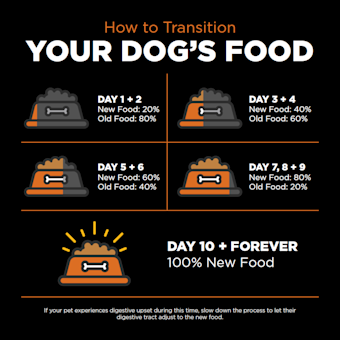
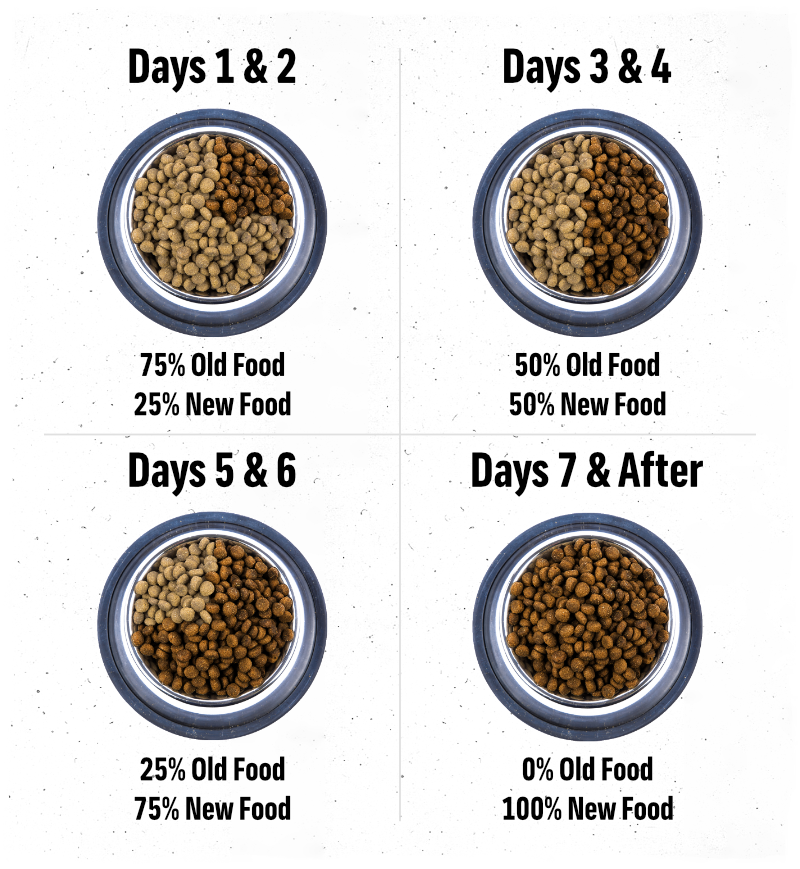
Create a consistent feeding schedule to help your dog adjust. Feed your dog at the same times each day. Divide meals into smaller portions for gradual change. Start by mixing a small amount of new food with the old. Slowly increase new food over 7 to 10 days. Stick to this routine to avoid upset stomachs. Consistency helps your dog feel safe and secure.
Step-by-step Transition Process
Transitioning your dog to new food takes care and patience. A slow change helps avoid stomach problems. Follow these steps to make the process smooth and safe for your dog.
Gradual Mixing Techniques
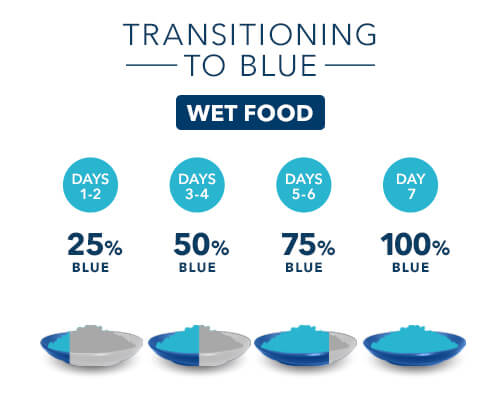
Start by mixing a small amount of new food with the old food. Use about 25% new food and 75% old food for the first few days. Gradually increase the new food amount every 3 to 4 days. By the end of one to two weeks, your dog should eat only the new food. This slow change helps your dog’s digestion adjust well.
Monitoring Your Dog’s Response
Watch your dog closely during the transition. Check for signs like vomiting, diarrhea, or less appetite. If these happen, slow down the transition process. Give your dog more time to get used to the new food. Also, note your dog’s energy and mood. Healthy changes mean the new food suits your dog well.
Managing Common Issues
Changing your dog’s food can cause some common problems. Knowing how to manage these issues helps your dog adjust well. This section covers simple ways to handle two frequent problems.
Dealing With Digestive Upset
Digestive upset is normal during food changes. Your dog might have loose stools or mild vomiting. Give your dog smaller meals spread through the day.
Gradually mix the new food with the old one. Increase the new food amount over 7 to 10 days. Avoid sudden switches to prevent tummy troubles.
Offer plenty of fresh water. This helps digestion and keeps your dog hydrated. If problems last more than a week, talk to your vet.
Handling Food Refusal
Some dogs refuse new food at first. They may be picky or scared of change. Try warming the food slightly. This can improve smell and taste.
Add a little bit of tasty broth or plain yogurt. These flavors can encourage eating without adding bad ingredients. Keep feeding times regular and calm.
Don’t give treats or snacks before meals. This helps your dog feel hungry and ready to eat. Patience is key to help your dog accept new food.
Credit: kahootsfeedandpet.com
When To Consult A Vet
Changing your dog’s food can be tricky. Sometimes, the switch causes tummy problems or allergies. Knowing when to see a vet helps keep your dog safe. A vet can spot serious issues and guide you through the change.
Recognizing Serious Symptoms
Watch for vomiting that won’t stop. Diarrhea lasting more than two days is a warning. Your dog may act very tired or weak. Swelling or itching on the skin needs quick care. Loss of appetite for more than a day is a concern. These signs mean a vet visit is important.
Adjusting The Transition Plan
A vet can suggest a slower food change. They might recommend a special diet to ease stomach upset. Your dog could need medicine for allergies or infections. Follow the vet’s advice to make the switch safe. This helps your dog feel better faster and avoid harm.
Tips For Long-term Success
Transitioning your dog to new food takes care and attention. Long-term success means more than just the first few days. It involves ongoing habits that support your dog’s health and happiness. Here are two key tips to keep your dog thriving on their new diet.
Maintaining A Balanced Diet
Provide a variety of nutrients in your dog’s meals. Check labels for protein, fats, and fiber amounts. Avoid feeding only one type of food for too long. Fresh water should always be available. Treats must be healthy and given in moderation. Balanced nutrition helps your dog stay energetic and strong.
Regular Health Checkups
Visit the vet regularly to monitor your dog’s health. The vet can spot any issues caused by diet changes early. Blood tests and weight checks show how your dog adapts. Share any concerns about your dog’s eating habits with the vet. Frequent checkups keep your dog safe and well-nourished.
Credit: www.bluebuffalo.com
Frequently Asked Questions
How Long Should I Transition My Dog To New Food?
Transition your dog gradually over 7 to 10 days. Start with 25% new food mixed with 75% old food. Slowly increase the new food amount each day. This helps prevent digestive upset and allows your dog to adjust comfortably.
What Are Signs Of Food Intolerance During Transition?
Watch for vomiting, diarrhea, excessive gas, or itching. These signs indicate your dog may not tolerate the new food well. If symptoms persist, consult your veterinarian for alternative options or advice on managing the transition safely.
Can I Switch Dog Food Abruptly Without Transition?
No, abrupt changes can cause stomach upset and diarrhea. A gradual transition helps maintain digestive health. Mixing old and new food over several days minimizes risk and ensures your dog accepts the new diet comfortably.
Should I Consult A Vet Before Changing Dog Food?
Yes, consulting your vet is recommended. They can suggest suitable food based on your dog’s age, health, and dietary needs. This ensures a safe transition and helps avoid nutritional deficiencies or allergic reactions.
Conclusion
Switching your dog’s food takes time and patience. Start slowly and watch for any changes. Mixing old and new food helps your dog adjust. Keep an eye on your dog’s health and behavior. If problems appear, pause or slow down the change.
A smooth transition keeps your dog happy and healthy. Always choose good quality food that fits your dog’s needs. Your care makes a big difference in this process. Small steps lead to better results for your pet.