

Shocking your above-ground pool is a crucial step in maintaining clean, safe, and inviting water. If you've noticed your pool water looking cloudy, developing algae, or just not smelling fresh, it's time for a shock treatment. This powerful cleaning process, often called super-chlorination, works to eliminate contaminants that regular chlorination might miss.
Following the correct procedure is key to ensuring the shock is effective and safe for your pool. For instance, manufacturer specifications often indicate specific dosages based on your pool's volume and the type of shock used, with many recommending a free chlorine level between 1 and 4 parts per million (ppm) for safe swimming afterward.
Quick Answer
Shock your above-ground pool by testing water chemistry, brushing, and adding shock in the evening. Always pre-dissolve granular shock if recommended. Run the pump for 24 hours.
Wait for chlorine to drop to 1-4 ppm before swimming.
Why Shocking Your Pool is Essential
Shocking your pool is more than just a routine task; it's a proactive measure to keep your water healthy and enjoyable. Over time, swimming pool water accumulates various organic compounds from swimmers (like sweat and body oils), environmental debris (leaves, pollen), and even sunlight. These contaminants can deplete your regular sanitizer, making the water less effective at killing bacteria and algae.
Shocking, also known as super-chlorination, involves adding a high dose of a chlorine-based product or an alternative oxidizer to the water. This process oxidizes and breaks down these unwelcome compounds, killing off algae and sanitizing the water.
What Happens When You Shock Your Pool?
When you shock your pool, you're essentially raising the chlorine level significantly for a short period. This surge of oxidizer goes to work in a few key ways. First, it oxidizes or "burns off" combined chlorine (chloramines), which are the compounds responsible for that strong chlorine smell and eye irritation.
By breaking these down, you restore the water's clarity and freshness. Second, it eliminates algae spores and other microorganisms that may have begun to colonize your pool. Lastly, it helps to break down non-organic contaminants that can cause cloudiness.
This process is vital for maintaining the ideal free chlorine level, typically between 1 and 4 parts per million (ppm), necessary for safe swimming conditions.
Image source: Bing (Web (fair-use with source credit))
Before You Shock: Crucial Prep Steps
Getting ready for a shock treatment makes the whole process much more effective and prevents potential issues down the line. Think of it like preparing a canvas before you paint, a little prep goes a long way.
Test Your Water Chemistry First
This is the absolute first thing you should do. You can't effectively shock your pool if you don't know what you're dealing with. Use a reliable pool water test kit or test strips to check a few key parameters.
- pH: The ideal range for pool water is between 7.2 and 7.6. If your pH is too high or too low, the shock won't work as efficiently. You might need to adjust your pH using a pH increaser or decreaser before you shock.
- Free Chlorine Level: Check how much chlorine is already in your pool. If your levels are already very high, you might not need to shock, or you might need to use less shock product.
- Total Alkalinity: This parameter helps buffer your pH. It's good to have it in the 80-120 ppm range.
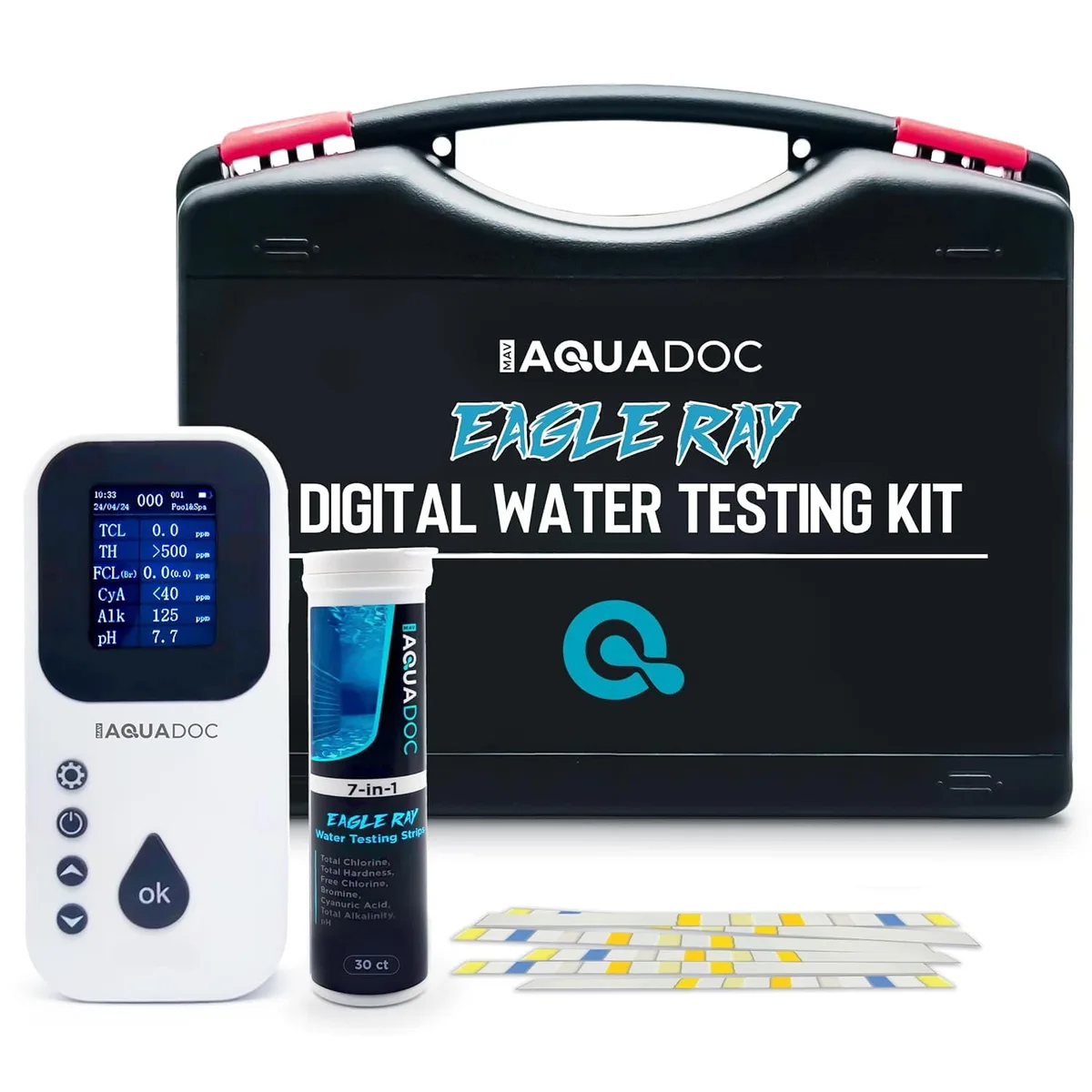
Image source: Bing (Web (fair-use with source credit))
Prepare Your Pool and Equipment
Once your water chemistry is noted (and adjusted if necessary), it's time to get the pool itself ready.
- Brush the Pool: Use a pool brush to scrub the walls, steps, and floor of your pool. This loosens any algae or debris clinging to surfaces, making it easier for the shock to reach and kill them.
- Skim Debris: Remove any large floating debris like leaves, twigs, or bugs with a skimmer net. The less stuff the shock has to break down, the more it can focus on sanitizing.
- Run the Filter: Ensure your pool pump and filter are running and in good working order. You want the water circulating to distribute the shock evenly. Keep the system running continuously throughout the shocking process and for at least 24 hours afterward.
Choosing the Right Pool Shock Product
You've got a few main options when it comes to pool shock, and understanding the differences helps you pick the best one for your situation. The goal is always to boost your sanitizer levels effectively and safely.
Understanding Your Options: Cal-Hypo vs. Di-Chlor vs. Non-Chlorine
Each type of shock has its own pros and cons, and what works best can depend on your pool's specific needs.
- Calcium Hypochlorite (Cal-Hypo): This is a very common and potent shock treatment. It's effective at quickly raising chlorine levels and also adds calcium to your pool water, which can help maintain plaster pool surfaces. However, it can sometimes leave a cloudy residue if not fully dissolved, and it will increase your water's calcium hardness. Many users find it to be a cost-effective and powerful option for general shocking and algae treatment.
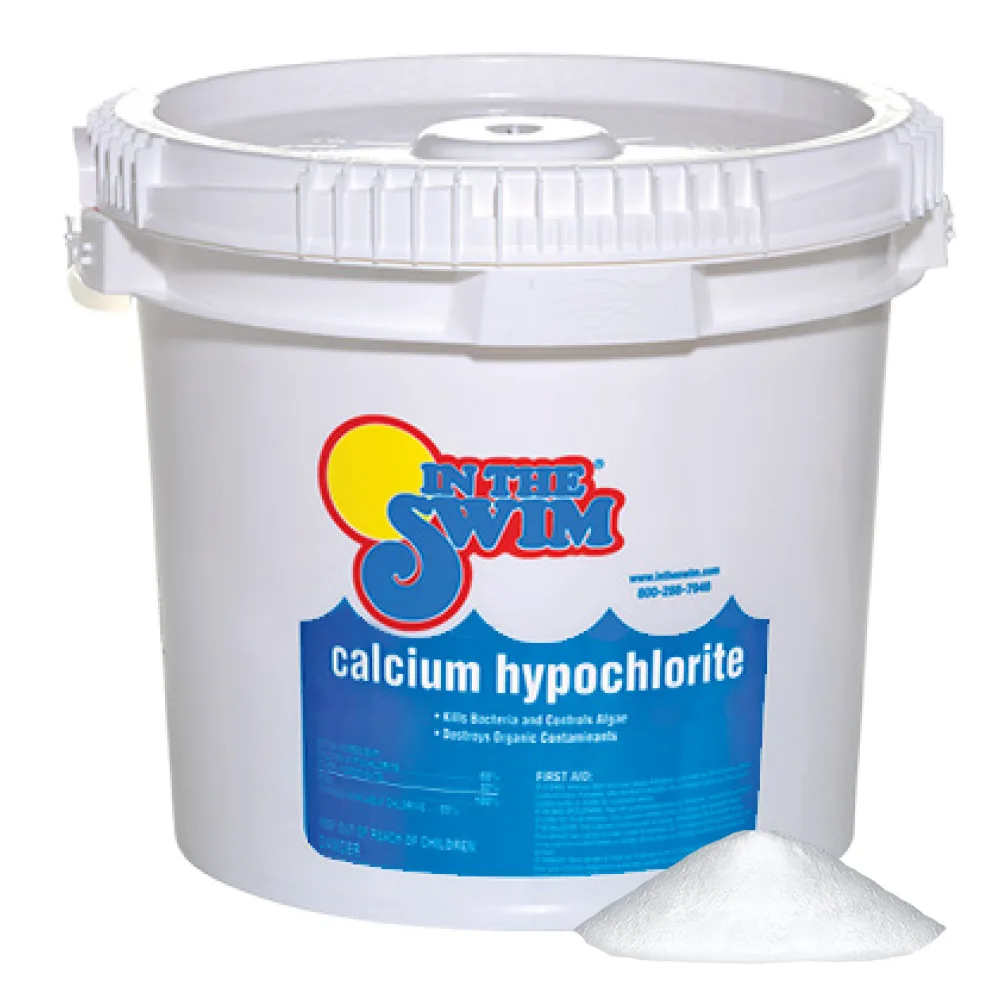
Image source: Bing (Web (fair-use with source credit))
Dichloroisocyanuric Acid (Di-Chlor): Di-Chlor is another popular choice. It contains cyanuric acid (CYA), which acts as a stabilizer, protecting your chlorine from being quickly degraded by sunlight. This is particularly useful for outdoor pools. The downside is that if you use Di-Chlor frequently, your CYA levels can climb too high, which ironically makes your chlorine less effective. It's a good option for routine shocking where UV protection is a concern.
Non-Chlorine Shock (Potassium Monopersulfate): If you're sensitive to chlorine, want to avoid strong odors, or are looking for a shock treatment for a saltwater pool, a non-chlorine shock is a great alternative. It works by oxidizing contaminants without adding chlorine. It's excellent for refreshing water and breaking down organic matter between regular chlorination cycles, but it doesn't kill all types of bacteria and algae as effectively as chlorine-based shocks might.
The Step-by-Step Pool Shocking Process
Shocking your pool is a direct action you take to quickly raise chlorine levels and sanitize the water. Doing it correctly ensures you get the best results and avoid common pitfalls. The absolute best time to shock your pool is in the evening or at night.
This is because sunlight degrades chlorine, and by shocking after sunset, you give the treatment maximum time to work without being burned off.
Pre-Dissolving Shock (When and How)
For granular pool shock products, especially calcium hypochlorite, pre-dissolving is often recommended by manufacturers. This step is crucial to prevent the shock granules from settling on your pool liner or surfaces and causing bleaching or damage.
- Gather Supplies: You'll need a clean 5-gallon bucket, water from your pool, and your granular shock product. Always wear protective gloves and eyewear when handling pool chemicals.
- Add Water to Bucket: Fill the bucket about halfway with pool water. Never add shock directly to an empty bucket and then add water; always add chemical to water.
- Add Shock Slowly: Carefully measure the recommended amount of shock product for your pool size and add it slowly to the water in the bucket.
- Stir Gently: Stir the mixture with a clean stick or pole until the granules are completely dissolved. Be aware that the mixture may get warm.
- Broadcast Carefully: Once dissolved, slowly and evenly pour the shock mixture around the entire perimeter of your pool. Try to distribute it as broadly as possible.
Safely Applying Shock to Your Pool
If your pool shock is in liquid form or if the manufacturer specifically states it doesn't need pre-dissolving, you can often apply it directly. Even so, the principle of even distribution remains vital.
- Circulate Water: Ensure your pool pump is running to keep the water moving.
- Even Application: Walk around the edge of your pool, carefully pouring or sprinkling the shock product evenly over the water's surface. Aim to cover the entire pool area to ensure consistent treatment.
- Avoid Concentrated Piles: Try not to let large amounts of shock product clump together in one spot. This can lead to uneven sanitization and potential damage to the pool surface.
Running Your Pool System Post-Shock
Once the shock has been added, your work isn't quite done. The circulation system plays a vital role in distributing the shock and filtering out the byproducts.
- Continuous Operation: Keep your pool pump and filter running continuously for at least 24 hours after shocking. This ensures the shock is thoroughly mixed throughout the water and that the filter can capture any oxidized contaminants.
- Filter Backwashing: After this period, you'll likely need to clean your pool filter. The shocking process can cause debris and oxidized matter to accumulate in the filter media, reducing its efficiency.
What to Do After Shocking: Waiting and Monitoring
You've successfully shocked your pool, but you're not quite ready for a swim. The most important next step is patience. The high chlorine levels created by shocking are necessary for sanitizing, but they are unsafe for swimmers.
When Can You Safely Swim Again?
You can only swim in your pool once the free chlorine level has dropped back down to a safe range. According to industry standards, this range is typically between 1 and 4 parts per million (ppm).
- Re-Test Chlorine: Use your pool water test kit to measure the free chlorine level. You'll need to test this periodically.
- Wait for Levels to Drop: If your test shows a level above 4 ppm, you need to wait longer. Keep the pump running. On average, it takes about 12 to 24 hours for chlorine levels to return to normal after a shock treatment, but this can vary based on the amount of shock used, water temperature, and sunlight exposure.
- Avoid Swimming: Do not enter the water if your chlorine level is above 4 ppm. High chlorine can cause skin and eye irritation and damage swimwear. As of 2026, this safety guideline remains consistent across most pool maintenance best practices.
Post-Shock Maintenance
Beyond waiting for the chlorine levels to normalize, a few other maintenance tasks are often part of the post-shock routine.
- Brush Again: After the shock has circulated, you might notice some dead algae or debris settling at the bottom of the pool. Give the pool another good brushing to help loosen this material so it can be filtered out or vacuumed.
- Clean the Filter: As mentioned, shocking can clog your filter. Check your filter pressure gauge. If it's higher than normal, it's time to clean your filter according to the manufacturer's instructions. This ensures your pool stays clear and the water circulates properly.
Common Mistakes to Avoid When Shocking
Even with the best intentions, a few common errors can make your pool shocking efforts less effective or even cause problems. Being aware of these pitfalls can save you time, money, and frustration.
- Not Testing Water First: Shocking without knowing your current pH and chlorine levels is like treating a patient without a diagnosis. If your pH is off, the shock won't work, and you'll waste product and time.
- Shocking During the Day: Sunlight is chlorine's enemy. It breaks down free chlorine rapidly, meaning much of your shock treatment will be wasted if applied during peak daylight hours. Always shock in the evening or at night.
- Adding Shock Directly to the Pool (for granular products): Undissolved granular shock can bleach your pool liner, leaving white spots. If the product requires pre-dissolving, always do it to ensure it disperses evenly and safely.
- Forgetting to Run the Filter: The shock needs to circulate to effectively sanitize the entire pool and be filtered out. Running the pump and filter continuously for at least 24 hours is essential.
- Swimming Too Soon: The most critical mistake is entering the pool before the chlorine levels have returned to a safe range (1-4 ppm). This can lead to irritation and discomfort.
Frequently Asked Questions About Pool Shocking
### How much shock do I need for my above-ground pool?
The amount of shock needed varies based on the product's concentration and your pool's size. Always check the product label for specific dosage instructions, which are typically given in ounces or pounds per 10,000 gallons of pool water. You may need more shock if you are treating a specific problem like algae compared to a routine shock.
### Can I use different types of shock together?
It's generally not recommended to mix different types of pool shock. Combining chlorine-based shocks, or mixing chlorine shocks with non-chlorine shocks, can create dangerous chemical reactions or reduce the effectiveness of the treatment. Stick to one type of shock per treatment.
### What if my pool water is still cloudy after shocking?
Cloudy water after shocking can indicate that the shock didn't fully break down all contaminants, or that your filter needs cleaning. Ensure you ran the filter for a full 24 hours. Brush the pool surfaces again, clean your filter, and re-test your water chemistry.
If cloudiness persists, you might need to shock again or use a clarifier.

