

Keeping your above-ground pool in great shape doesn't have to be a chore. Knowing how to maintain an above ground pool means less time worrying and more time enjoying crystal-clear water all season long. It's all about a consistent routine that tackles the basics before they become big problems.
We've gathered essential information that breaks down exactly what you need to do, from daily skimming to seasonal closing. You'll learn how to keep your water balanced, your filter running smoothly, and your pool inviting for every dip, referencing specifications like maintaining chlorine levels between 1-3 ppm. Let's dive into the details to ensure your pool stays a backyard oasis.
Quick Answer
Regularly skim, test, and balance your pool water chemistry. Keep your filter clean and running. Brush surfaces weekly and address issues like cloudy water or algae promptly.
Proper seasonal opening and closing procedures protect your investment.
The Weekly Pool Care Checklist
This is your core routine, the foundation of a happy pool. Sticking to these weekly tasks is the single best way to prevent most common issues before they even start. Think of it as preventative medicine for your pool.
- Skim the Surface Daily or Every Other Day: Grab your pool net a few times a week, especially after windy days. Leaves, bugs, and other floating bits are easiest to scoop out before they sink and start breaking down, which can affect water chemistry.
- Check the Water Level: Your pool water should be about halfway up the skimmer opening. If it's too low, your pump can suck in air, potentially damaging it. If it's too high, your skimmer won't work effectively. Top it off with your garden hose if needed.
- Test Your Water (Twice a Week is Best): This is the most crucial step. Grab a reliable pool testing kit (strips are easy for beginners, but liquid kits can be more accurate) and check your chlorine, pH, and alkalinity levels.
- Chlorine: This is your primary sanitizer, killing off bacteria and algae. You generally want to keep it in the ideal range of 1-3 parts per million (ppm).
- pH: This measures how acidic or basic your water is. You want it between 7.2 and 7.6. If it's too high or too low, your chlorine won't work as effectively, and it can also cause skin and eye irritation.
- Alkalinity: This acts as a buffer for your pH, helping to keep it stable. Aim for a range of 80-120 ppm.
- Brush the Walls and Floor (1-2 Times Per Week): Even if your pool looks clean, microscopic algae and debris can stick to surfaces. A good brushing loosens this gunk so your filter can catch it, and it helps prevent stubborn algae blooms. Pay attention to steps, corners, and anywhere water flow might be slow.
- Clean the Skimmer and Pump Baskets: These catch the bigger debris. Give them a quick rinse when you skim the surface. If they get too full, water flow is restricted, forcing your pump to work harder and potentially overheat.
Image source: Bing (Web (fair-use with source credit))
The Filtration System: Your Pool's Lungs
Your pool's filter is the workhorse that keeps the water clean. It removes tiny particles and debris that your skimmer and brushing can't handle. Proper care and maintenance of your filter system are vital for clear, safe water.
Manufacturer specifications for filter cleaning vary by type and model, but the general principles remain consistent across the industry.
- Backwashing (for Sand and DE Filters): This process reverses the water flow through the filter to flush out trapped dirt and debris. You'll typically backwash when the pressure gauge on your filter reads 8-10 PSI higher than its normal "clean" operating pressure.
- How it works: Turn off the pump. Set the multiport valve to "Backwash." Turn the pump back on and let it run for 2-5 minutes, or until the water in the sight glass (if you have one) runs clear. Turn off the pump. Set the valve to "Rinse" and run for 30-60 seconds to resettle the sand. Turn off the pump. Set the valve back to "Filter" and turn the pump on.
- Cleaning Cartridges (for Cartridge Filters): Cartridge filters use a pleated fabric element to trap debris.
- How it works: Turn off the pump. Remove the filter cartridge. Rinse it thoroughly with a garden hose, using a gentle spray to get between the pleats. For stubborn buildup, you might need a specialized filter cleaner. Manufacturer recommendations often suggest a deep cleaning every 1-3 months and replacement annually.
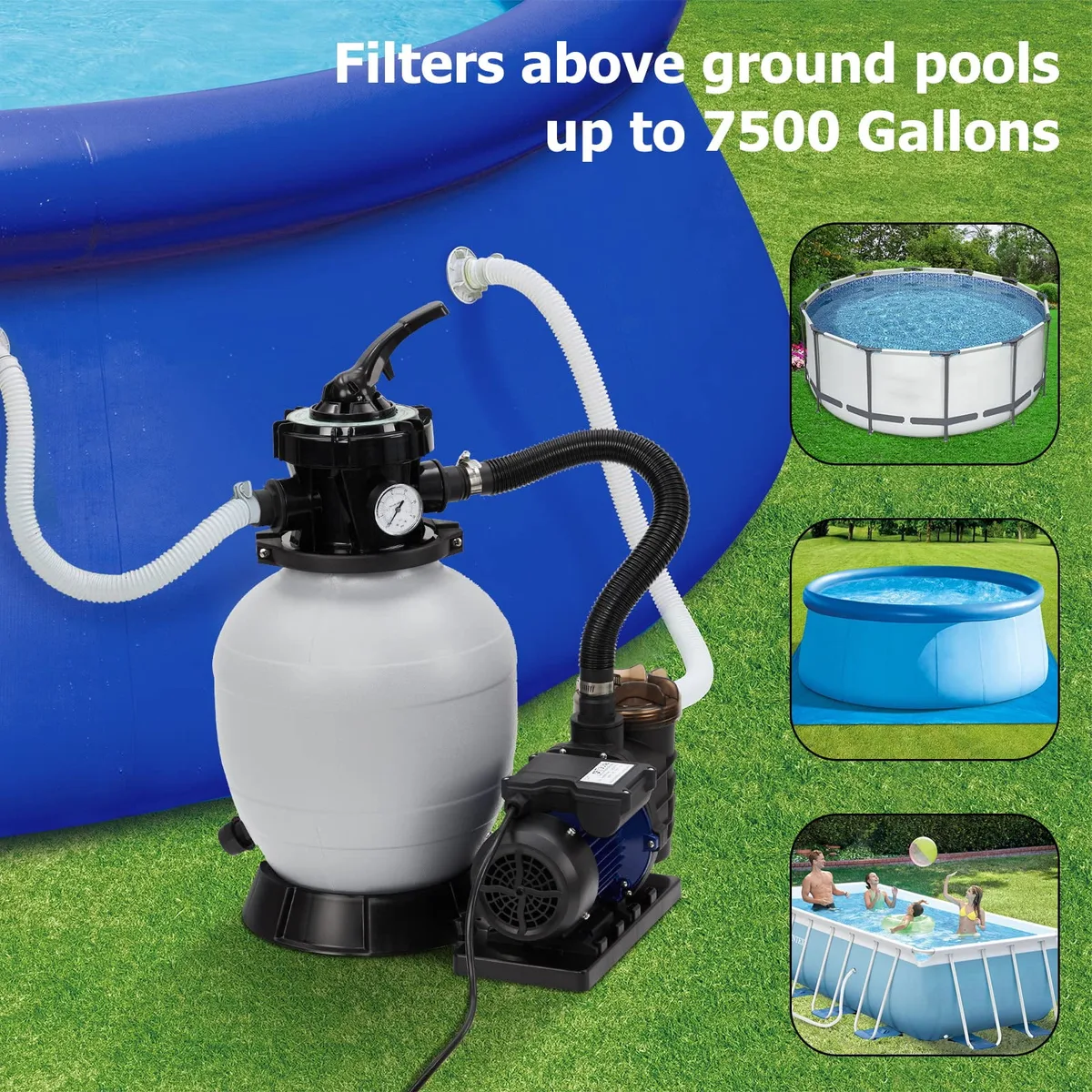
Image source: Bing (Web (fair-use with source credit))
- Run Time: Your filter system should run for at least 8-12 hours per day, and up to 24 hours a day during peak use or hot weather. This ensures all the water in your pool gets filtered multiple times. Running it less can lead to water quality issues.
Chemical Balancing: The Key to Clear Water
Getting your water chemistry right is the secret sauce to a sparkling pool and healthy swimming. Unbalanced water can lead to a host of problems, from cloudy water and algae growth to skin irritation and damage to your pool equipment. It's not about throwing chemicals in randomly; it's about understanding what each one does and using your test results to guide your additions.
- Why Test Regularly? As of 2026, consistent testing remains the best way to monitor your pool's condition. It tells you exactly what your water needs. Don't guess; test!
- The Big Three:
- Chlorine: This is your main sanitizer. Low chlorine means bacteria and algae can thrive. Too much can be irritating and damage pool surfaces. Aim for that 1-3 ppm range.
- pH: This measures how acidic or basic your water is. You want it between 7.2 and 7.6. If it's too high or too low, your chlorine won't work as effectively, and it can also cause skin and eye irritation.
- Total Alkalinity: This is your pH buffer. If alkalinity is too low, your pH will swing wildly with every little change. If it's too high, it can make pH hard to adjust.
- Adjusting Levels:
- Low pH/Alkalinity: You'll typically use a pH increaser (like soda ash) and an alkalinity increaser (like sodium bicarbonate).
- High pH/Alkalinity: You'll use a pH reducer (like muriatic acid or dry acid). Lowering the pH can sometimes help bring down high alkalinity, but specific products are available for alkalinity reduction if needed.
- Low Chlorine: Add your preferred form of chlorine, following product instructions carefully. For a quick boost or to clear up problems, you might use a "shock treatment."
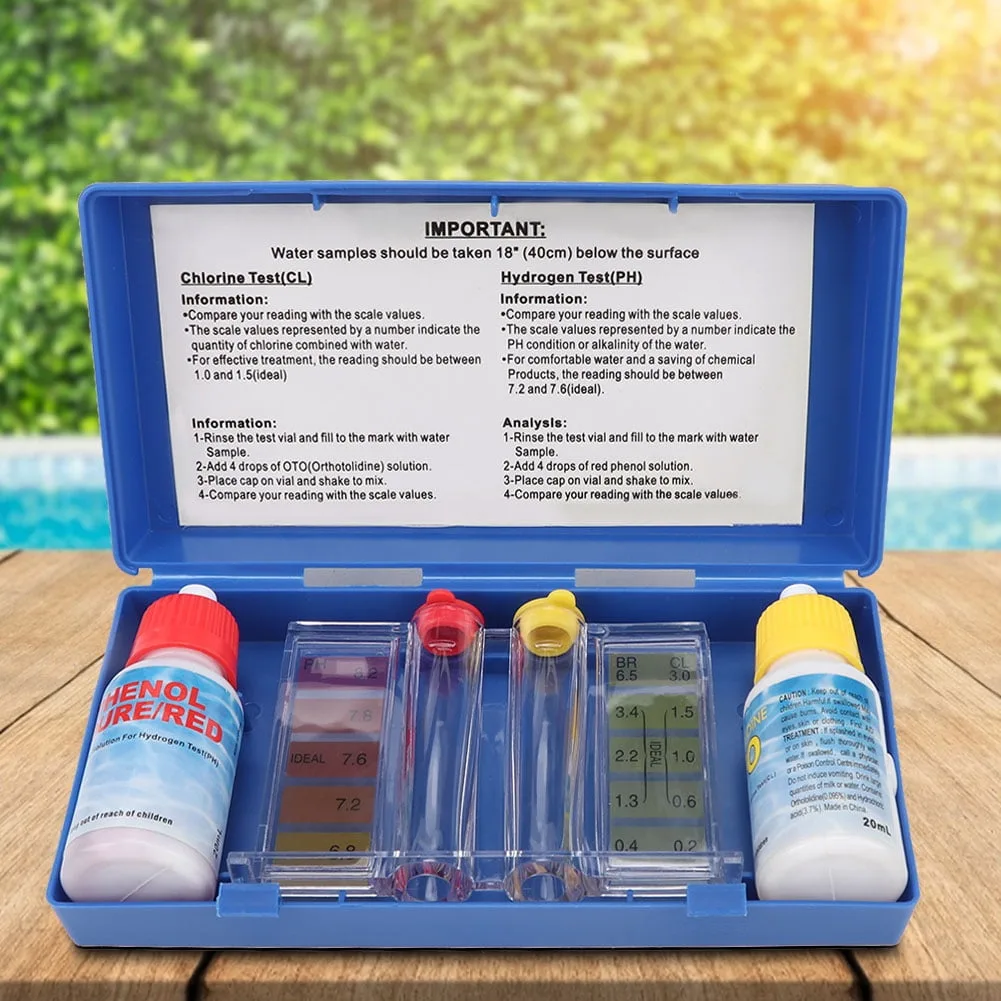
Image source: Bing (Web (fair-use with source credit))
What If Things Go Wrong? (Troubleshooting Cloudy Water & Algae)
Even with a solid routine, you might encounter some pool problems. Knowing how to tackle them quickly can save you a lot of hassle and keep your pool enjoyable.
Cloudy Water? Here's What to Do.
Cloudy water is usually a sign that something is off with your water chemistry, filtration, or both. Don't panic; it's often fixable.
- Check and Adjust Chlorine: Low chlorine is a frequent culprit. Test and boost it to the higher end of the recommended range (e.g., 3-4 ppm).
- Check and Adjust pH/Alkalinity: Ensure these are balanced, as they directly impact chlorine's effectiveness.
- Clean or Backwash Your Filter: A dirty filter can't do its job. Give it a good clean or backwash.
- Brush the Pool: Loosen any debris that might be making the water murky.
- Consider a Clarifier: If the above steps don't clear it up after running the filter, a pool clarifier can help clump tiny particles together so your filter can grab them. Follow product directions carefully.
- Shock the Pool: If all else fails, a shock treatment can help oxidize contaminants and kill anything lingering.
Battling Green Water (Algae!)
Seeing green in your pool means algae has taken hold. It loves warm, un-sanitized water. The key is a multi-pronged attack.
- Extreme Brushing: This is non-negotiable. Brush every surface of the pool vigorously, paying special attention to corners, steps, and any areas where algae is visible. You need to dislodge it so chemicals can work.
- Balance Chemistry First: Ensure your pH and alkalinity are in the correct range. Algae treatments are less effective in unbalanced water.
- Shock Treatment: This is essential. You'll need to add a much higher dose of chlorine than usual to kill the algae. Follow the shock product's instructions, and be prepared to run your filter 24/7 until the water clears. You might need to repeat the shock treatment.
- Run the Filter Constantly: Keep the pump running non-stop until the water is clear and the filter pressure indicates it's time to clean/backwash.
- Algaecide (After Shock): Once your chlorine levels return to normal after shocking, consider adding a good quality algaecide. This acts as a preventative measure and can help kill off any remaining algae. Always use algaecides as directed; some types can cause foaming if overused.
Seasonal Care: Opening and Closing Your Pool
Your pool's needs change dramatically with the seasons. Proper opening and closing procedures are essential to protect your pool from damage and ensure it's ready for enjoyment when the weather is right.
Spring Opening: Waking Up Your Pool
As temperatures consistently stay above 60°F (15°C) and you're ready to swim, it's time to open.
- Remove Winter Cover: Carefully remove all debris, water, and ice from the cover before taking it off. Fold it and clean it for storage.
- Clean the Pool: Skim out any remaining winter debris. Brush the walls and floor thoroughly.
- Refill Water: If you drained the pool for winter, refill it to the normal operating level (halfway up the skimmer).
- Reassemble Equipment: Connect pumps, filters, and hoses. Ensure all clamps are secure.
- Start the Filter System: Turn on the pump and let it run. Check for leaks.
- Balance Water Chemistry: Test and adjust alkalinity, pH, and calcium hardness first. Then, add chlorine and other necessary chemicals. This initial balancing can take several days.
- Shock the Pool: Once chemicals are balanced, shock the pool to kill any overwintering contaminants.
- Filter, Filter, Filter: Run the filter system continuously until the water is clear.
Fall Closing: Preparing for Winter
Closing your pool properly prevents damage from freezing temperatures and keeps it cleaner for spring opening.
- Clean Thoroughly: Skim, brush, and vacuum the pool to remove all debris.
- Balance Water Chemistry: Adjust alkalinity, pH, and calcium hardness. Add a winterizing algaecide to prevent growth over the cold months.
- Lower Water Level (If Necessary): Depending on your climate and pool type, you might need to lower the water level below the skimmer and return lines to prevent freezing damage. Check manufacturer recommendations.
- Drain and Store Equipment: Drain all water from pumps, filters, and hoses. Store removable equipment indoors.
- Winterize Plumbing: Use a winterizing plug or blow out lines with a shop vac or air blower to remove all water.
- Add Winterizing Chemicals: Follow product instructions for adding algaecides and stain preventatives.
- Install Winter Cover: Securely fasten the winter cover to prevent debris and sunlight from entering the pool. This is crucial for preventing algae and keeping the water cleaner.
Pool Safety First: Handling Chemicals
Pool chemicals are essential for a clean and safe swimming environment, but they need to be handled with care. Mismanaging chemicals can lead to immediate irritation or long-term damage. Always prioritize safety when storing and using any pool treatment products.
- Read Labels Carefully: Every chemical comes with specific instructions for use, dosage, and safety precautions. Never skip this step.
- Store Safely: Keep all pool chemicals in their original containers, tightly sealed, and stored in a cool, dry, well-ventilated area away from direct sunlight. Ensure they are out of reach of children and pets.
- Never Mix Chemicals: This is extremely important. Mixing different pool chemicals, especially chlorine with acids or other cleaners, can cause dangerous reactions, including toxic fumes. Always add chemicals to water, never water to chemicals.
- Use Protective Gear: When handling chemicals, especially liquids like muriatic acid or powdered shocks, wear appropriate safety gear. This typically includes chemical-resistant gloves and eye protection.
- Ventilate the Area: When adding chemicals, particularly in enclosed spaces or when working with strong solutions, ensure good ventilation.
FAQs
How often should I test my pool water?
It's best to test your pool water chemistry at least twice a week, especially during peak swimming season. This allows you to catch any imbalances early before they become significant problems.
What's the difference between shocking and regular chlorination?
Shocking involves adding a much higher dose of chlorine than you would for regular sanitization. It's used to break down organic contaminants, kill algae, and "oxidize" swimmer waste that regular chlorine levels can't handle. Regular chlorination maintains the desired sanitizer level for daily protection.
Can I use tap water to refill my pool?
Yes, you can use tap water to refill your pool. However, be aware that tap water can sometimes contain high levels of minerals or metals that can affect your pool's water balance and clarity. Testing your fill water is a good idea.
How do I know if my pool filter needs replacing?
If your filter consistently struggles to clear the water, or if you notice cracks or damage to the filter housing or tank, it's likely time for a replacement. For cartridge filters, replacement is usually recommended annually or bi-annually depending on usage and maintenance. Sand filters typically last 3-5 years.

