Bringing a new dog into your home is an exciting experience, but it can also feel a little overwhelming. You want your new furry friend to feel safe, loved, and happy from the very first moment.
The way you introduce your dog to your home can make all the difference in how quickly they settle in and become part of your family. If you want to avoid common mistakes and make this transition smooth and joyful, keep reading.
You’ll learn simple steps that anyone can follow to create a warm welcome your dog will appreciate.
Preparing Your Home
Preparing your home for a new dog is an important step. It helps your dog feel safe and welcome. A calm and organized space reduces stress for both you and your pet. Taking time to prepare shows you care and sets the stage for a happy life together.
Creating A Safe Space
Choose a quiet area for your dog to rest and relax. Use a comfortable bed or crate as their personal spot. This space should be free from loud noises and heavy foot traffic. Keep it clean and cozy. Your dog will feel secure and calm here.
Gathering Essential Supplies
Buy basic items before your dog arrives. Food and water bowls are a must. Select high-quality dog food suited to their age and size. Get a collar, leash, and ID tags. Toys and chew items help keep your dog busy and happy. Don’t forget grooming tools and cleaning supplies.
Setting Boundaries And Rules
Decide on house rules early. Will your dog be allowed on furniture? Which rooms are off-limits? Consistency is key to avoid confusion. Teach all family members the rules. Boundaries help your dog learn good behavior and respect your home.
First Meeting Tips
Introducing a new dog to your home starts with the first meeting. This moment sets the tone for your dog’s comfort and trust. A good first meeting helps your dog feel safe and welcome. Careful planning and calm behavior make a big difference. Below are some tips to make this meeting smooth and positive.
Choosing The Right Location
Select a quiet, neutral place for the first meeting. Avoid crowded or noisy areas that cause stress. A calm spot helps your dog focus and feel less threatened. If possible, use a space outside your home first. This helps your dog get used to new surroundings slowly. Keep the area free of distractions and other animals.
Staying Calm And Patient
Your mood affects your dog’s behavior. Stay calm and speak softly. Use gentle movements and avoid sudden actions. Patience is key; let your dog explore at its own pace. Do not rush the introduction or force interaction. Give your dog time to adjust and feel safe. This calm approach builds trust and reduces anxiety.
Reading Your Dog’s Body Language
Watch your dog’s body to understand its feelings. Relaxed ears and wagging tail mean your dog is happy. Stiff posture or growling signals discomfort or fear. Look for signs like yawning or lip licking, which show stress. Respect your dog’s signals and give space if needed. Understanding body language helps prevent problems early.
Introducing To Family Members
Bringing a new dog home means introducing them to your family. This step is important for a smooth transition. Every family member should feel comfortable and safe around the new pet. The dog also needs time to adjust to new people. Careful introduction helps build trust and good relationships.
Start slow and allow the dog to meet family members one by one. Calm and quiet meetings work best. Watch the dog’s body language and family reactions closely. This way, everyone can enjoy the new companionship without stress.
Involving Everyone Gradually
Let each family member meet the dog slowly. Avoid crowding the dog with many people at once. Begin with short visits, then increase the time together. Use calm voices and gentle movements. This helps the dog feel safe and less scared. Gradual involvement builds confidence for both the dog and family.
Teaching Kids How To Interact
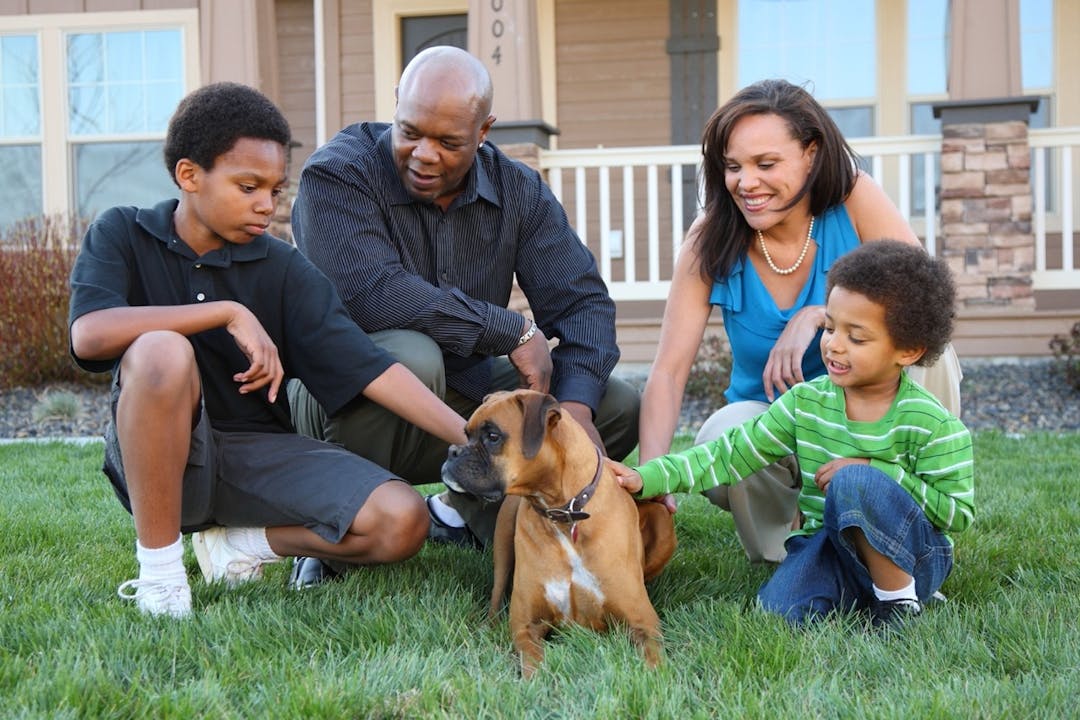
Teach kids to be gentle and kind with the dog. Show them how to use soft touches and quiet voices. Explain not to pull ears or tail. Teach kids to ask before petting the dog. Encourage sitting down to meet the dog at eye level. These habits create a positive bond and keep both safe.
Managing Other Pets
Introduce other pets carefully and slowly. Use separate spaces at first, like different rooms. Let them sniff each other through a door or gate. Watch for signs of stress or aggression. Supervise all meetings until pets feel calm. Gradual introduction helps pets accept each other peacefully.
Establishing A Routine
Establishing a routine is key when introducing a new dog to your home. Dogs feel safer with regular schedules. A clear routine helps reduce their stress and builds good habits. It guides your dog on what to expect each day.
Consistency in daily activities creates comfort. It also supports your dog’s physical and emotional health. Your new dog learns quickly when you follow a steady routine.
Feeding And Exercise Schedule
Set fixed times for feeding your dog each day. Regular meals help keep their digestion steady. Avoid free feeding to prevent overeating and confusion.
Exercise should also happen at the same times daily. Walks, playtime, and bathroom breaks all need a schedule. This helps your dog burn energy and stay healthy.
Training Basics
Start simple training sessions every day. Short, regular training helps your dog learn commands. Use clear words and gentle tones.
Consistency in training builds good behavior. Praise your dog often to encourage learning. Keep sessions short to hold their attention.
Building Trust And Bonding
Spend quiet time with your dog daily. Gentle petting and calm voices build trust. Let your dog explore their new space slowly.
Patience matters. Respect their pace and feelings. Trust grows with each kind interaction. A strong bond makes your dog feel safe and loved.
Handling Challenges
Introducing a new dog to your home can bring joy and some challenges. Dogs may feel scared or unsure in a new place. Handling these challenges with care helps your dog adjust faster. Patience and calm behavior make a big difference. Understanding what your dog feels is key to creating a happy home.
Dealing With Anxiety And Fear
New dogs often feel nervous in unfamiliar spaces. They may hide, whine, or refuse to eat. Give your dog a quiet spot to rest. Speak softly and move slowly around them. Offer treats and gentle pets to build trust. Avoid forcing your dog to meet new people or pets. Let them explore at their own pace. Consistent routines help dogs feel safe and calm.
Addressing Aggression
Aggression can appear when a dog feels threatened or scared. Watch for growling, snapping, or stiff body language. Do not punish aggressive behavior. Instead, remove your dog from the situation calmly. Use positive reinforcement for calm and friendly behavior. Give your dog space and time to relax. Safe toys and chew items help reduce stress. Monitor interactions with children and other pets closely.
When To Seek Professional Help
Some behavior problems need expert advice. If your dog shows strong fear or aggression, ask a trainer or vet. Early help stops problems from growing worse. Professionals can teach you how to handle your dog’s needs. They provide safe, effective methods to improve behavior. Don’t wait too long to get support. Your dog’s happiness and safety matter most.


Frequently Asked Questions
How Do I Prepare My Home For A New Dog?
Create a safe, quiet space with a bed, toys, and water. Remove hazards and secure trash. This helps your dog feel comfortable and reduces stress during the first days.
When Should I Introduce My New Dog To Other Pets?
Introduce pets gradually after your new dog feels settled. Use neutral spaces and supervise closely. This approach prevents conflict and helps pets build positive relationships.
How Long Does It Take For A New Dog To Adjust?
Adjustment usually takes 1 to 2 weeks but varies by dog. Consistent routines, patience, and positive reinforcement speed up the process. Every dog adapts at its own pace.
What Are Key Signs Of Stress In A New Dog?
Look for yawning, pacing, whining, or hiding. These signs indicate anxiety or discomfort. Respond by giving space, calm interactions, and a quiet environment to ease stress.
Conclusion
Bringing a new dog home takes patience and care. Give your pets time to get used to each other. Keep calm and watch their body language closely. Set up a safe space for your new dog. Be consistent with rules and routines every day.
Celebrate small wins and stay positive throughout. With love and effort, your dog will feel at home soon. Enjoy the journey of building a happy pet family.