Choosing the right office chair might seem like a small decision, but it can change the way you work every single day. Imagine sitting comfortably for hours without feeling tired or sore.
That’s exactly what the right chair can do for you. If you spend a lot of time at your desk, your chair affects your focus, your energy, and even your health. You’ll discover simple tips to pick the perfect chair that fits your body and your work style.
Keep reading—you deserve a seat that works as hard as you do.
Ergonomics And Health Benefits
Choosing the right office chair means thinking about ergonomics and health benefits. A good chair helps keep your body comfortable and avoids pain. This support lets you work longer without feeling tired or sore.
Ergonomics focuses on fitting the chair to your body’s needs. It reduces stress on muscles and joints. This care improves posture and lowers the risk of health problems.
Spinal Support Importance
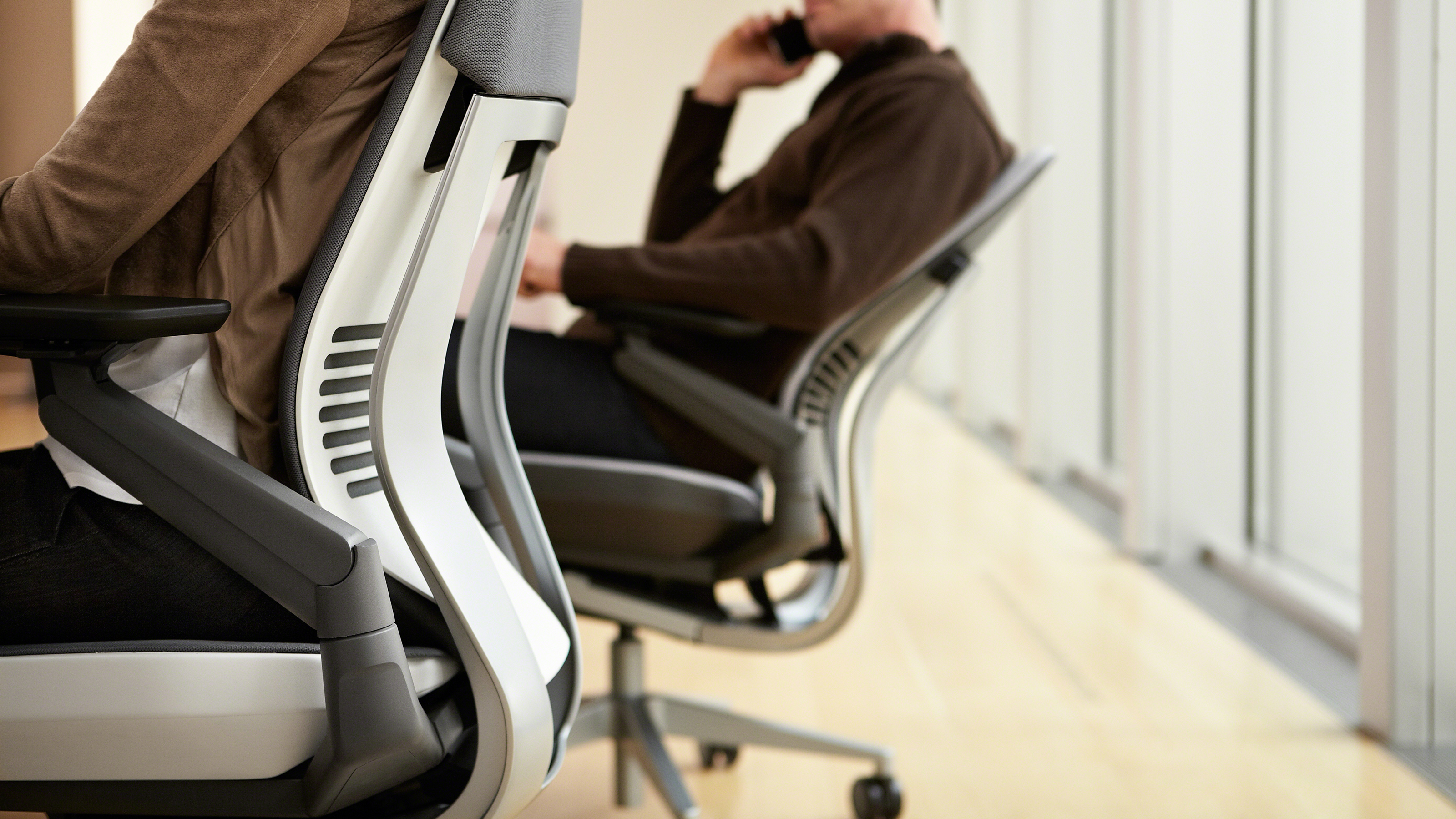
Your spine needs strong support to stay healthy. A chair with good lumbar support holds the lower back in a natural curve. This support stops slouching and reduces back pain. It keeps your spine aligned during long work hours.
Adjustability Features
Chairs with adjustable parts fit many body types. You can change seat height, backrest angle, and armrests. These changes help you find a comfy position. Adjustability also encourages movement, which helps blood flow and lowers stiffness.
Pressure Relief Zones
Pressure relief zones reduce stress on sensitive body parts. Cushions and padding in key areas protect hips and thighs. These zones avoid numbness and improve circulation. A chair with these features keeps you feeling fresh and focused.
Material And Build Quality
Choosing the right office chair means paying close attention to its material and build quality. These factors affect comfort, durability, and support during long work hours. A chair made from quality materials lasts longer and feels better. Understanding different fabrics, frame materials, and cushioning types helps you pick a chair that suits your needs.
Breathable Fabrics
Breathable fabrics allow air to flow through the chair. This keeps you cool and dry, even after hours of sitting. Mesh is a popular breathable fabric. It is light and flexible, offering good ventilation. Cloth fabrics also allow some airflow and feel soft on the skin. Avoid chairs with vinyl or leather if you sweat a lot. These materials trap heat and cause discomfort.
Durable Frame Materials
The chair’s frame supports your weight and determines how long it lasts. Metal frames are strong and last many years. Steel and aluminum are common metals used. Plastic frames are lighter but may wear out faster. Check that the frame can hold your weight safely. Solid frames prevent wobbling and improve stability. A sturdy frame is essential for daily use.
Cushioning Types
Cushioning affects comfort and support. High-density foam cushions keep their shape longer. They provide firm support without feeling hard. Memory foam molds to your body shape. This reduces pressure on hips and back. Avoid thin or flat cushions; they cause discomfort quickly. Some chairs use gel or air cushions for extra comfort. Choose cushioning that fits your sitting habits.
Chair Types And Styles
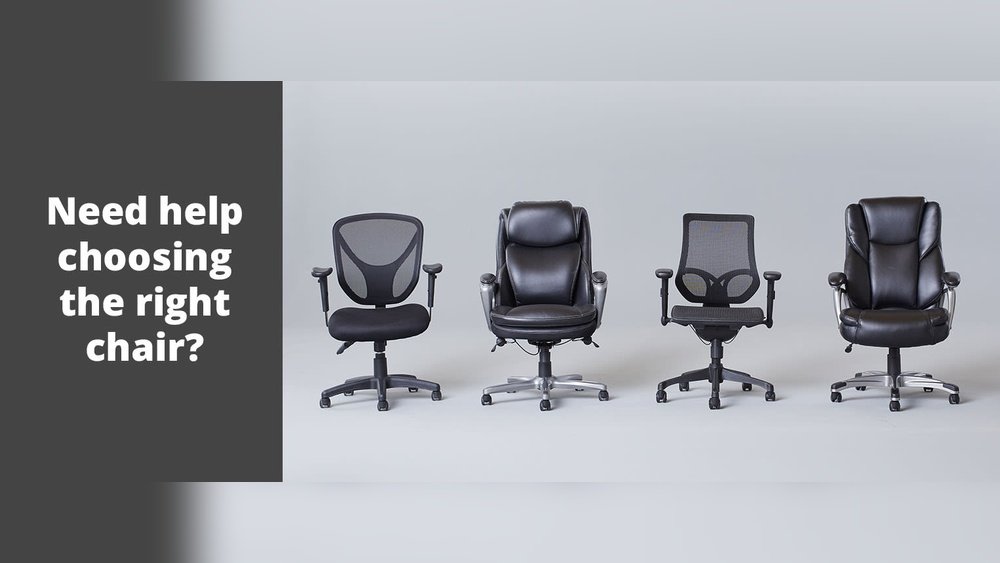
Choosing the right office chair starts with understanding the different types and styles available. Each chair type offers unique features and comfort levels. Knowing these can help you pick a chair that fits your needs perfectly. Below are some popular office chair styles to consider.
Task Chairs
Task chairs are designed for everyday work. They usually have wheels and adjustable height. These chairs provide good support without taking up much space. Perfect for simple desk jobs and short sitting hours.
Executive Chairs
Executive chairs offer more comfort and style. They often have thick padding and high backs. These chairs make long hours at the desk easier. They add a professional look to any office.
Mesh Chairs
Mesh chairs use breathable fabric for better airflow. This keeps you cool during long work sessions. They are lightweight and flexible. Mesh chairs combine comfort with a modern design.
Adjustments To Look For
Choosing the right office chair means focusing on key adjustments. These adjustments help you sit comfortably for long hours. A good chair supports your body and reduces pain. Look for features that fit your height and posture. Adjustable parts let you customize the chair to your needs.
Seat Height And Depth
Seat height should be easy to change. Your feet must rest flat on the floor. Knees should bend at a 90-degree angle. Seat depth matters too. It should support your thighs without pressing the back of your knees. A chair with adjustable depth fits different leg lengths.
Armrest Positioning
Armrests should support your arms gently. They need to be adjustable up and down. Side-to-side movement is a bonus. Proper armrest height keeps shoulders relaxed. It stops strain on your neck and upper back. Avoid armrests that are too high or low.
Backrest Tilt And Lumbar Support
Backrest tilt allows you to lean back comfortably. It reduces pressure on your spine. Some chairs let you lock the backrest in place. Lumbar support is crucial. It supports the lower back curve. Adjustable lumbar support fits your spine shape. This helps prevent lower back pain.
Sizing And Fit
Sizing and fit are key for a comfortable office chair. A chair that fits your body well reduces pain and boosts focus. Sitting in a chair that is too big or too small can cause back pain and poor posture. Choosing the right size helps you stay comfortable all day.
Matching Chair To Body Size
Choose a chair that matches your height and leg length. Your feet should rest flat on the floor. Your knees should be at a 90-degree angle. The seat depth matters too. You want about 2 to 4 inches between the back of your knees and the seat edge. This stops pressure on your legs.
Weight Capacity
Check the chair’s weight limit before buying. The chair should support your body weight safely. A chair with a low weight capacity may break or wear out fast. Choose one with a higher limit for longer use and safety.
Workspace Compatibility
Measure your desk height and space. Your chair should fit easily under your desk. The armrests should slide under the desk without hitting it. The chair should move freely in your workspace. This helps you work without strain or awkward moves.

Budget And Price Points
Choosing the right office chair depends a lot on your budget. Chairs come in many price points. Each price level offers different features and comfort. Knowing your budget helps narrow down choices. It also ensures you get the best value for your money.
Affordable Options
Affordable office chairs cost less but still offer good comfort. These chairs usually have basic support and simple designs. They work well for short daily use or occasional sitting. Materials might not be very durable, so expect some wear over time. Great for tight budgets or temporary setups.
Mid-range Choices
Mid-range chairs balance price and quality. They include better cushioning and adjustable features. You can find chairs with lumbar support and height adjustment here. These options suit people who sit many hours daily. Mid-range chairs often use stronger materials for longer life.
Premium Features Worth Investing
Premium chairs offer advanced support and comfort features. Expect ergonomic designs, breathable fabrics, and multiple adjustments. These chairs reduce strain during long work hours. They often come with warranties and higher durability. Ideal for those prioritizing health and long-term use.
Testing And Trying Chairs
Choosing the right office chair means more than just reading specs. Testing and trying chairs helps you find comfort and support. Sitting in a chair shows how it feels for your body. This step helps avoid pain and discomfort later. Follow these tips to test chairs well.
In-store Testing Tips
Visit stores to try chairs in person. Sit for at least five minutes to check comfort. Adjust the height and backrest to your liking. Move the chair around to test wheels and swivel. Notice if the seat supports your thighs well. Feel the armrests for comfort and height. Check if the chair fits your desk height.
Online Reviews And Ratings
Read reviews from real buyers for insights. Look for comments about comfort over long hours. Pay attention to common issues or praises. Check ratings to find popular and trusted chairs. Reviews help you learn about durability and build quality. Use this info to narrow down choices before buying.
Return Policies
Check store return policies before purchase. Look for chairs with trial periods or easy returns. This lets you test the chair at home. Return policies protect you from buying wrong chairs. Know the conditions and time limits for returns. A good policy gives peace of mind after buying.

Maintenance And Longevity
Choosing the right office chair is only the first step. Taking care of it ensures it lasts longer. Proper maintenance keeps the chair comfortable and safe. It also protects your investment. Small efforts can prevent big problems later.
Cleaning Tips
Keep your chair clean to avoid damage. Use a soft cloth to wipe dust daily. For fabric chairs, vacuum regularly to remove dirt. Spot clean stains gently with mild soap and water. Avoid harsh chemicals that can ruin materials. Let the chair dry completely before use.
Repair And Replacement Parts
Check your chair for loose screws and bolts often. Tighten them to keep the chair stable. Replace worn-out parts like wheels or armrests quickly. Using original parts helps maintain chair quality. Some parts are easy to fix yourself. Others may need a professional’s help.
Warranty Considerations
Look for chairs with a good warranty. A warranty covers repairs or replacements for a set time. Read the warranty terms carefully to know what is included. Register your chair with the manufacturer to activate the warranty. Keep your receipt and paperwork in a safe place.
Frequently Asked Questions
What Factors Matter Most When Choosing An Office Chair?
Consider comfort, adjustability, lumbar support, and material quality. Proper ergonomics reduce strain and improve posture during long work hours.
How Important Is Lumbar Support In An Office Chair?
Lumbar support maintains the natural curve of your lower spine. It prevents back pain and promotes better sitting posture.
Should I Prioritize Chair Adjustability Or Style?
Prioritize adjustability for comfort and health. Style is secondary but can complement your office décor.
What Chair Height Is Ideal For Desk Work?
Choose a chair height where your feet rest flat on the floor. Knees should be at a 90-degree angle for proper alignment.
Conclusion
Choosing the right office chair affects comfort and health daily. Find one that supports your back well. Adjustability helps you sit correctly for long hours. Think about your workspace size and style too. Test different chairs if possible before buying.
A good chair makes work easier and less tiring. Take time to pick one that fits your needs. Your body will thank you later.