Choosing the right dog food can feel confusing, but it doesn’t have to be. Your dog depends on you for the best nutrition, and the right food can boost their energy, health, and happiness.
Imagine giving your furry friend meals that suit their unique needs perfectly. In this guide, you’ll discover simple, clear steps to pick the best food for your dog—no guesswork, just smart choices. Ready to make mealtime the highlight of your dog’s day?
Let’s dive in.
Key Nutrients For Dogs
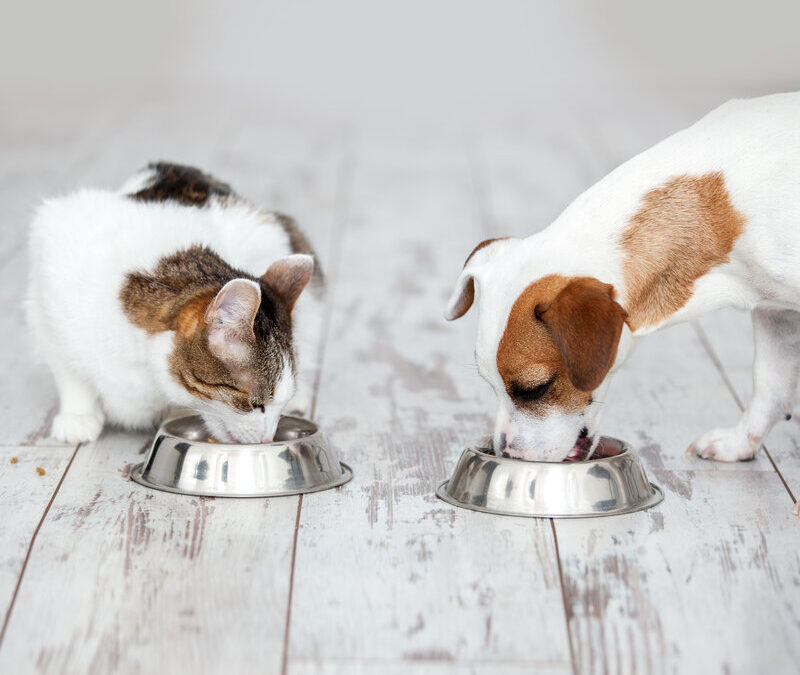
Choosing the right dog food means knowing what nutrients your dog needs. Dogs need a balanced mix of nutrients to stay healthy and active. Key nutrients support growth, energy, and overall well-being. Understanding these nutrients helps you pick the best food for your dog’s needs.
Proteins And Fats
Proteins build strong muscles and repair tissues. Dogs need high-quality protein from meat, fish, or eggs. Fats provide energy and keep the skin shiny. Healthy fats like omega-3 and omega-6 help brain and eye health. A good dog food has the right balance of protein and fat for your dog’s size and age.
Vitamins And Minerals
Vitamins support the immune system and keep organs working well. Important vitamins include A, D, E, and B-complex. Minerals like calcium and phosphorus build strong bones and teeth. Iron helps carry oxygen in the blood. Look for dog foods with added vitamins and minerals to meet daily needs.
Avoiding Harmful Ingredients
Some ingredients can harm your dog’s health. Avoid foods with artificial colors, flavors, and preservatives. Corn, wheat, and soy may cause allergies for some dogs. Fillers add no nutrition and can cause weight gain. Choose dog food with natural ingredients and no harmful additives.
Types Of Dog Food
Choosing the right dog food means understanding the types available. Each type offers different benefits and suits different dogs. Knowing these options helps you pick the best food for your dog’s health.
Dry Kibble Benefits
Dry kibble is the most common dog food type. It is easy to store and lasts long without spoiling. Kibble helps keep your dog’s teeth clean by reducing plaque. It is also usually less expensive than other types. Many brands offer formulas for different dog needs, like age or size.
Wet Food Pros And Cons
Wet food has a soft texture and strong smell. Dogs often find it more tasty than dry kibble. It contains more water, which helps with hydration. Wet food can be more expensive and spoils quickly after opening. Some dogs may get digestive issues if fed only wet food.
Raw And Homemade Diets
Raw and homemade diets include fresh meats and vegetables. Many owners choose this for better control over ingredients. This diet can be healthy but needs careful planning. It can be time-consuming and costly. There is a risk of bacteria if the food is not handled properly.
Considering Your Dog’s Needs
Choosing the right dog food starts with understanding your dog’s unique needs. Dogs have different requirements based on their age, breed, and health. Feeding the right food helps them stay healthy and happy. Take time to consider what suits your dog best.
Knowing your dog’s specific needs will guide you to the best food choice. This section explains key factors to keep in mind when choosing dog food.
Age And Life Stage
Puppies need food rich in nutrients for growth and energy. Adult dogs require balanced meals to maintain health. Senior dogs benefit from food that supports joints and digestion. Each life stage needs different vitamins and minerals. Feeding the right formula helps meet these needs.
Breed And Size Factors
Small breeds often need food with smaller kibble and more calories. Large breeds require food that supports bone strength and joint health. Breed traits influence energy levels and digestion. Choosing food for size and breed helps avoid health issues. Tailor meals to your dog’s body type and activity level.
Health Conditions And Allergies
Some dogs have allergies to certain ingredients like wheat or chicken. Special diets help manage allergies and digestive problems. Dogs with health issues may need low-fat or prescription food. Always check labels for potential allergens. Consult your vet for advice on health-specific diets.
:strip_icc()/choosing-dog-food-823b8778dcaf46efabf7d73a8c2fb0d8.jpg)
Reading Dog Food Labels
Reading dog food labels helps you pick the best food for your pet. Labels show what is inside the food. They tell you about ingredients, nutrition, and quality. Understanding these details keeps your dog healthy and happy.
Decoding Ingredient Lists
The ingredient list shows everything in the food. Ingredients are listed from most to least. The first few ingredients matter most. Look for real meat or fish at the top. Avoid foods with too many fillers like corn or wheat. Watch for artificial colors and preservatives. These add no nutrition and can harm your dog.
Understanding Nutritional Guarantees
Labels include a nutritional guarantee. This shows the minimum protein and fat. It also shows the maximum fiber and moisture. These numbers help you compare foods. Protein is important for muscle and energy. Fat gives energy and supports the skin. Fiber helps digestion. Moisture affects how dry the food is. Check these values to match your dog’s needs.
Recognizing Quality Certifications
Certifications prove the food meets safety and quality rules. Look for labels like AAFCO or USDA. These show the food follows strict standards. Some foods have organic or non-GMO badges. These mean fewer chemicals and better ingredients. Certifications give extra trust in the food’s quality.
Tips For Transitioning Food
Switching your dog to new food needs care and attention. Sudden changes can upset their stomach. Follow these tips to make the change smooth and safe. Your dog will adjust better and stay healthy.
Gradual Switching Methods
Start by mixing a small amount of new food with the old. Slowly increase the new food over 7 to 10 days. This helps your dog’s digestive system get used to the change. Avoid switching all at once to prevent stomach upset.
Monitoring For Reactions
Watch your dog closely during the switch. Look for signs like vomiting, diarrhea, or loss of appetite. Some dogs may show itchy skin or unusual behavior. Early spotting helps you act quickly and keep your dog safe.
When To Consult A Vet
Contact your vet if your dog shows strong or long-lasting reactions. Severe vomiting or diarrhea needs medical advice. Your vet can suggest the best food options or treatments. Always seek help if you feel unsure about your dog’s health.
Budgeting For Quality Food
Choosing quality dog food can feel expensive. Budgeting well helps you buy nutritious food without overspending. Focus on smart planning and making the best choices for your dog’s health and your wallet.
Balancing Cost And Nutrition
Quality dog food often costs more but offers better nutrition. Cheap food may lack essential nutrients, affecting your dog’s health. Find a balance by comparing ingredient lists and nutritional value. Choose foods with real meat and fewer fillers. This helps keep your dog healthy and saves vet costs later.
Bulk Buying And Storage Tips
Buying dog food in bulk reduces the price per pound. Large bags or multiple packs can be cheaper than small ones. Store food in airtight containers to keep it fresh. Avoid moisture and heat, which spoil food quickly. Proper storage helps keep food safe and tasty for your dog.
Affordable Brands With Good Reviews
Some brands offer good nutrition at lower prices. Check online reviews to find reliable options. Look for brands that use quality ingredients and avoid artificial additives. Your dog’s health depends on good food, not just price. Choose affordable brands trusted by other pet owners.
Frequently Asked Questions
What Factors Should I Consider When Choosing Dog Food?
Consider your dog’s age, breed, size, activity level, and health needs. Check ingredient quality, nutritional balance, and avoid fillers. Always consult your vet for tailored advice to ensure optimal health.
How Do I Know If Dog Food Is High Quality?
Look for named animal proteins as the first ingredients. Avoid artificial additives and fillers. Check for AAFCO approval to ensure nutritional adequacy. High-quality food supports your dog’s energy and overall well-being.
Can I Feed My Dog Grain-free Food Safely?
Grain-free food suits dogs with allergies or sensitivities. However, consult your vet before switching. Some grain-free diets may lack essential nutrients. Balance and quality are key to safe feeding.
How Often Should I Change My Dog’s Diet?
Change diets gradually over 7-10 days to avoid digestive upset. Switch only if recommended by a vet or due to health needs. Monitor your dog’s response closely during any transition.
Conclusion
Choosing the right dog food takes time and care. Think about your dog’s age, size, and health needs. Read labels carefully to find good ingredients. Avoid foods with too many fillers or artificial stuff. Watch how your dog reacts to new food every day.
A happy, healthy dog needs proper nutrition. Trust your instincts and ask your vet when unsure. Small changes can make a big difference in your dog’s life. Keep your furry friend strong and full of energy. Your effort shows love and keeps tails wagging.