

Getting your above ground pool water just right can feel like a science experiment, but it doesn't have to be complicated. Knowing how to balance above ground pool water ensures a safe, clear, and enjoyable swimming experience all season long. It's all about understanding a few key chemistry levels and making small, consistent adjustments.
Manufacturer specifications for pool water balance typically recommend keeping pH between 7.2 and 7.6, which is crucial for sanitizer effectiveness and swimmer comfort. We’ll break down what that means and how to achieve it.
Quick Answer
Balance pool water by regularly testing key levels: sanitizer, pH, and alkalinity. Adjust using specific chemical additives based on test results. Start by ensuring sanitizer is present, then stabilize total alkalinity, and finally fine-tune pH.
Proper balance protects swimmers and equipment.
Why Bother Balancing Your Pool Water?
Think of your pool water like a delicate ecosystem. When everything is in sync, it’s clear, safe, and refreshing. If one element is off, it can throw everything else out of whack, leading to problems.
Maintaining the correct balance is about more than just looks; it’s essential for your health and the longevity of your pool equipment. Unbalanced water can cause skin and eye irritation for swimmers, making a dip less enjoyable. It also means your sanitizer, like chlorine, might not be working as effectively to kill off harmful bacteria and algae.
Manufacturer specifications consistently highlight that even slight deviations from ideal ranges can impact water quality and cause damage.
Image source: Bing (Web (fair-use with source credit))
The Key Water Balance Factors: What They Mean
When you dip a test strip or fill a sample tube, you'll usually get readings for several important water parameters. Understanding what each one signifies is the first step to solving any water issues.
- Sanitizer Level: This is your primary defense against germs and algae. For chlorine pools, the ideal free chlorine (FC) level is typically between 1 and 3 parts per million (ppm). If this is too low, your pool isn't being properly disinfected. If it’s too high, it can be irritating and may degrade pool components over time.
- pH: This measures how acidic or basic your water is, on a scale of 0 to 14. A pH of 7 is neutral. For pools, the sweet spot is usually between 7.2 and 7.6. This range is ideal because it’s comfortable for swimmers’ eyes and skin, and it ensures your chlorine is working at its peak efficiency.
- Total Alkalinity (TA): TA acts as a buffer for your pH. It helps prevent drastic swings in pH levels. Think of it like a shock absorber for your water's acidity. The target range for TA is generally between 80 and 120 ppm. If TA is too low, your pH will be unstable and difficult to manage. If it’s too high, your pH might become stubborn and hard to adjust downwards.
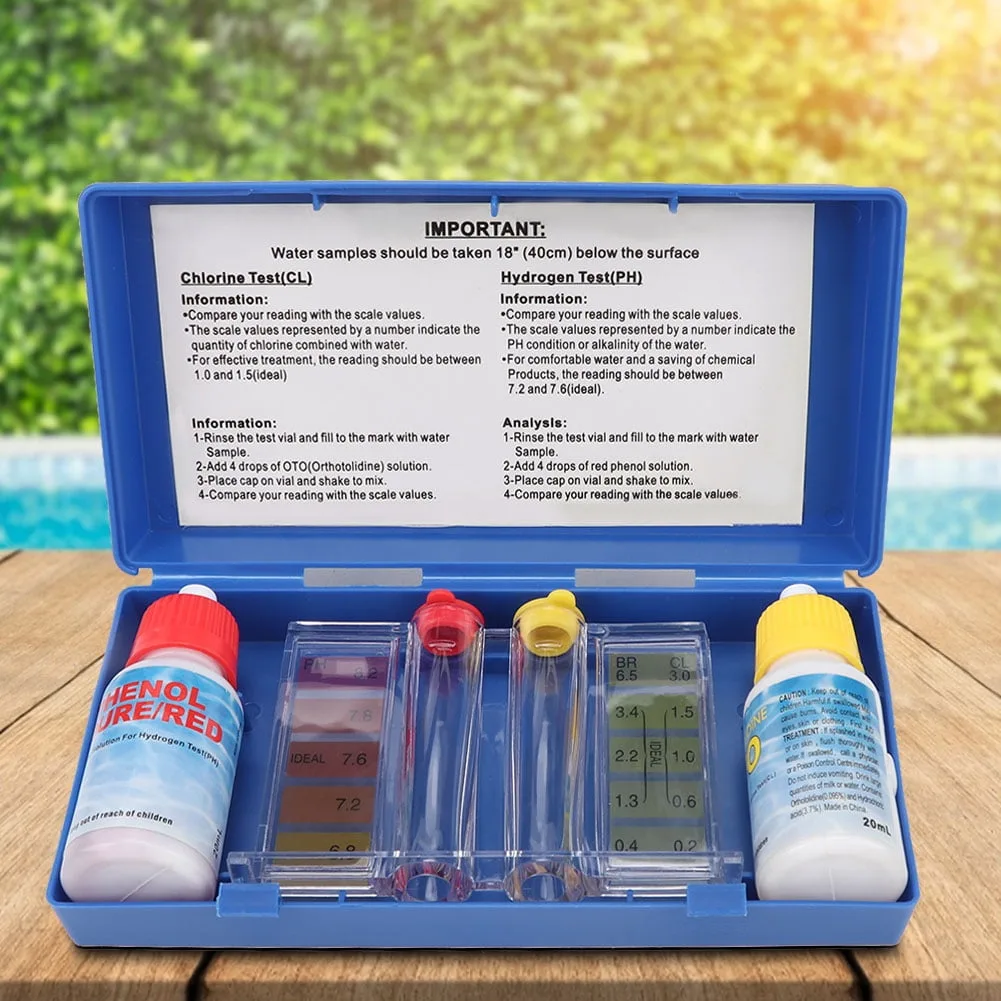
Image source: Bing (Web (fair-use with source credit))
Step-by-Step: How to Balance Your Above Ground Pool Water
Achieving balanced pool water involves a systematic approach, often prioritizing certain chemicals over others because of how they interact. As of 2026, the most effective method still relies on understanding these interactions and making adjustments in the correct order.
- Check and Adjust Sanitizer: First, test your free chlorine (or other sanitizer) level. If it's low, add your chosen sanitizer according to product directions. Ensure it's dispersed evenly. If it's high, you'll generally wait for it to decrease naturally, as adding chemicals to lower chlorine can be hazardous.
- Check and Adjust Total Alkalinity (TA): This is usually the second step. If your TA is below 80 ppm, you'll use an alkalinity increaser (like sodium bicarbonate). If it's above 120 ppm, you'll typically use a pH decreaser (like dry acid or muriatic acid) to bring it down, which will also lower your pH. Add chemicals slowly, allow them to circulate for several hours, and re-test before proceeding.
- Check and Adjust pH: Once your TA is in the desired range, focus on pH. If your pH is too low (below 7.2), add a pH increaser (like soda ash) or more alkalinity increaser. If it's too high (above 7.6), add a pH decreaser. Again, add chemicals gradually, let the water circulate for at least 4-6 hours, and test again.
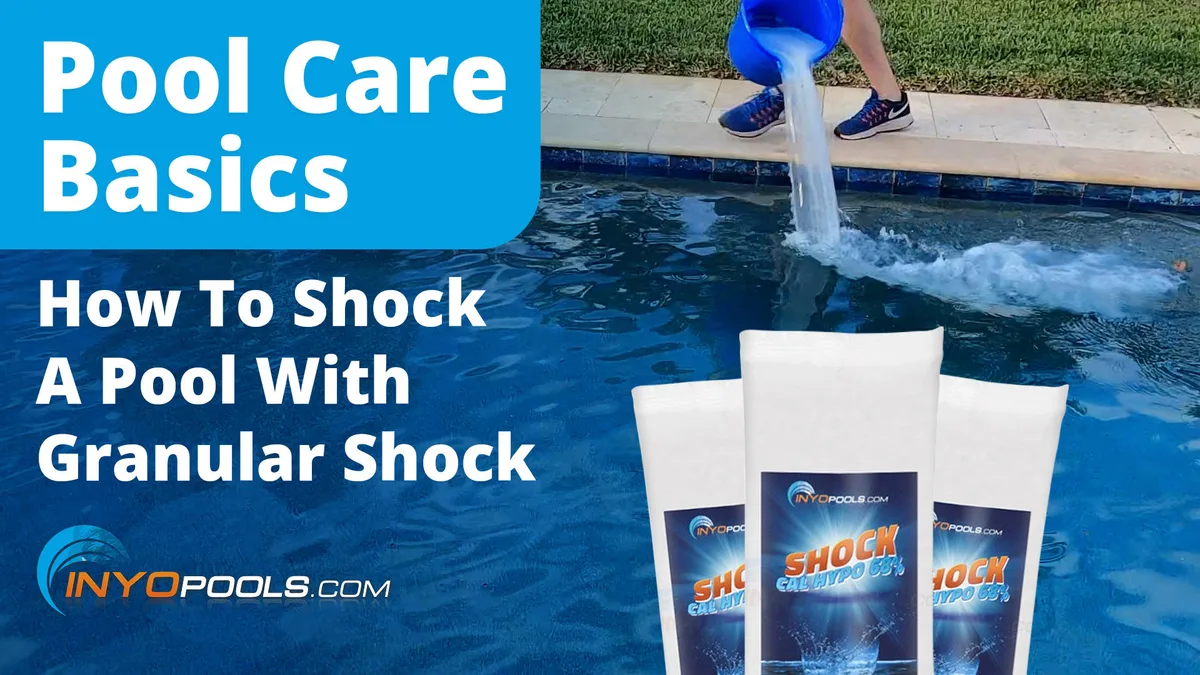
Image source: Bing (Web (fair-use with source credit))
Common Pool Water Problems and How to Fix Them
Even with diligent testing, you might encounter some common issues. Knowing the likely causes and solutions can save you a lot of hassle.
Cloudy Water: This is often the most visible problem.
- Low Sanitizer: If your chlorine level is too low, bacteria and algae can start to bloom, making the water cloudy. Increase your sanitizer level.
- Dirty Filter: A clogged filter can’t effectively remove debris. Backwash or clean your filter.
- pH Imbalance: If your pH is too high, your chlorine won't work properly, leading to cloudiness. Adjust pH first.
- High Levels of Contaminants: Excessive use, sunscreen, or debris can overwhelm your system. This may require a pool shock treatment.
Irritated Eyes and Skin: This is almost always a pH problem.
- High pH: When pH rises above 7.6, it becomes more alkaline and can irritate swimmers. Your goal is to bring pH down to the 7.2-7.6 range.
- Chloramines: If your pool has a strong "chlorine" smell, it's likely due to chloramines (combined chlorine), which are irritating. This indicates a need for shocking.
Expert Tips for Maintaining Balanced Pool Water
Keeping your pool water balanced isn't a one-time task; it's an ongoing process that becomes easier with a few pro strategies. Following these tips will help you spend less time troubleshooting and more time swimming.
- Test Regularly, Test Correctly: Don't just glance at test strips. Ensure you're holding them level and reading them against the color chart immediately. For more accurate results, consider a liquid test kit or digital tester as your pool gets more use. Testing 2-3 times a week is standard during peak season.
- Add Chemicals Safely and Slowly: Always add chemicals directly to the water, never pour water into chemicals. Add them one at a time, allowing for circulation and re-testing in between. This prevents unintended chemical reactions and ensures you don't over-correct. Follow all manufacturer instructions for dosage and application.
- Understand Chemical Interactions: Remember that TA buffers pH. Always adjust TA before you make significant pH adjustments. Your sanitizer level is also affected by pH; chlorine is most effective at a pH of 7.2-7.5. As of 2026, this fundamental interaction remains the cornerstone of pool chemistry.
- Circulate and Filter: Run your pool pump for a sufficient amount of time each day (typically 8-12 hours for above-ground pools) to ensure chemicals are properly distributed and filtered. A clean filter is paramount; a dirty one can’t do its job.
Safety First: Handling Pool Chemicals
Working with pool chemicals requires care and attention to safety. These substances are designed to be potent, and mishandling them can lead to burns, respiratory issues, or dangerous chemical reactions. Always read the labels and follow the manufacturer’s guidelines meticulously.
- Protective Gear: When handling strong chemicals, especially acids or chlorine tablets, wear safety goggles to protect your eyes and chemical-resistant gloves to protect your skin. Good ventilation is also important; avoid working in enclosed spaces.
- Never Mix Chemicals: Do not mix different pool chemicals together directly. They can react violently, creating toxic fumes or even explosions. Add each chemical to the pool water separately, allowing for circulation in between.
- Storage: Store chemicals in their original containers, tightly sealed, in a cool, dry, well-ventilated area, away from direct sunlight and out of reach of children and pets. Never store incompatible chemicals near each other.
- Adding Acids: If you need to add a pH decreaser like muriatic acid, always add the acid to water, slowly and carefully. Never pour water into acid, as this can cause a dangerous splash-back. This is a critical safety guideline recommended by organizations like the U.S. Consumer Product Safety Commission.
Frequently Asked Questions
How often should I test my pool water?
You should test your pool water at least 2 to 3 times per week, especially during heavy use or hot weather. More frequent testing might be needed after significant rain or if you notice changes in clarity or smell.
What's the difference between pH and alkalinity?
pH measures how acidic or basic your water is, while total alkalinity acts as a buffer to stabilize your pH. Think of alkalinity as the water's resistance to pH change.
Can I use regular baking soda to raise alkalinity?
Yes, regular baking soda (sodium bicarbonate) is a common and effective way to increase total alkalinity in pool water.
How long does it take for chemicals to work?
After adding chemicals, allow your pool pump to circulate the water for at least 4-6 hours before re-testing. Some chemicals, like calcium hardness increasers, may take 24 hours or longer to fully dissolve and integrate.

