

When you share your home with furry friends, like dogs and cats, you know they bring immense joy. But they also bring something else: pet hair, dander, and tracked-in dirt. This means your vacuum cleaner needs to work harder and more often. So, how often should you vacuum if you have pets? The general rule is at least once a day, especially in high-traffic areas.
This might sound like a lot, but consistent vacuuming is key to keeping your home clean and healthy when pets are around. It helps manage allergens, prevents hair from building up into stubborn mats, and keeps your living space more pleasant for everyone.
Let’s break down why and how to make this a manageable part of your routine.
The Importance Of Frequent Vacuuming With Pets
Pets shed, and this shedding isn’t just about visible fur. They also release dander, which are tiny flakes of skin that can trigger allergies. Add to this the dirt, mud, and even tiny bits of food they can track in or scatter, and you have a recipe for a less-than-pristine home.
Allergens And Air Quality
Pet dander is a common allergen. When it settles on carpets and upholstery, it can become airborne every time someone walks by or the pet moves. Frequent vacuuming removes these allergens before they have a chance to spread and cause issues for sensitive individuals.
A good vacuum cleaner with a HEPA filter can trap these tiny particles, significantly improving your home’s air quality.
Hair Management
Pet hair, especially from long-haired breeds, can quickly accumulate. If left too long, it can weave itself into carpet fibers, becoming difficult to remove and creating a less hygienic environment. Regular vacuuming prevents this buildup, making it easier to maintain clean floors and furniture.
Preventing Odors
While pets are loved, they can sometimes bring odors into the home, especially if they have accidents or spend time outdoors. Vacuuming regularly helps remove the sources of these odors, such as pet dander and dirt, contributing to a fresher-smelling home.
How Often Should You Vacuum?
The ideal vacuuming frequency depends on several factors, including the number of pets, their shedding habits, and the type of flooring in your home.
Daily Vacuuming For High-traffic Areas
For the most effective pet hair and allergen control, vacuuming high-traffic areas daily is highly recommended. This includes main living spaces like the living room, hallways, and any areas where your pets spend most of their time. If you have multiple pets or pets that shed heavily, consider a quick daily sweep of the entire home.
Weekly Full Home Vacuuming
Beyond daily spot-cleaning, a thorough vacuuming of your entire home at least once a week is essential. This ensures that less-used areas also get cleaned, removing accumulated dust, hair, and debris. This deeper clean tackles hidden dirt and dander that might be missed with daily quick passes.
Factors Influencing Frequency
- Number of Pets: More pets mean more hair and dander. If you have two or more pets, you’ll likely need to vacuum more often than someone with just one.
- Shedding Level: Some breeds shed significantly more than others. Dogs like Golden Retrievers or Huskies are known for heavy shedding, requiring more frequent cleaning.
- Allergies: If anyone in your household suffers from pet allergies, daily vacuuming is crucial. Consider investing in a vacuum with a HEPA filter for optimal allergen removal.
- Flooring Type: Carpets trap more hair and allergens than hard floors. If you have mostly carpeted areas, you’ll need to vacuum more often. Hardwood or tile floors are easier to clean, but hair can still scatter and collect in corners.
- Pet Habits: Do your pets spend a lot of time outdoors? They might track in more dirt and debris, necessitating more frequent cleaning.

Choosing The Right Vacuum Cleaner For Pet Owners
Not all vacuum cleaners are created equal when it comes to handling pet hair and dander. Here’s what to look for:
Key Features To Consider
- Strong Suction Power: This is crucial for lifting embedded pet hair from carpets and upholstery. Look for vacuums with powerful motors and good airflow.
- Effective Filtration (HEPA Filter): A HEPA (High-Efficiency Particulate Air) filter is vital for trapping microscopic allergens like dander, dust mites, and pollen. This significantly improves indoor air quality.
- Specialized Pet Hair Attachments: Many vacuums come with attachments designed to tackle pet hair on furniture, stairs, and tight corners. These often include motorized brush heads or crevice tools.
- Tangle-Free Brush Roll: Pet hair can easily wrap around a vacuum’s brush roll, reducing its effectiveness. Some vacuums feature designs that minimize tangling or are easier to clean.
- Durability and Capacity: Pet hair can fill up a dustbin quickly. A vacuum with a larger capacity and robust construction will be more convenient.
Types Of Vacuums For Pet Owners
- Upright Vacuums: Often provide strong suction and large cleaning paths, making them great for large carpeted areas. Many models are specifically designed for pet owners.
- Canister Vacuums: Offer versatility with various attachments and are often good for both carpets and hard floors. Their maneuverability can be an advantage for cleaning under furniture.
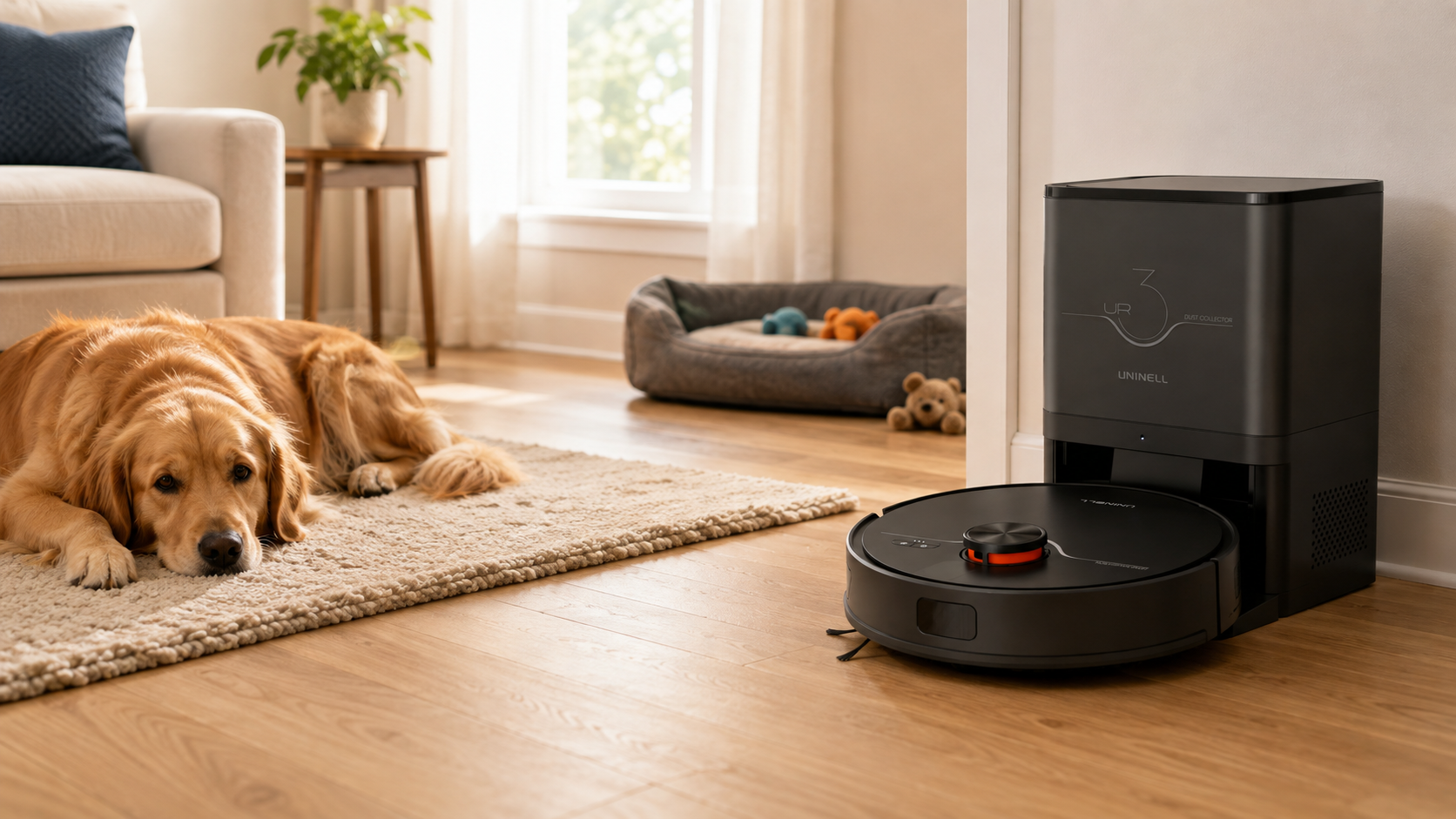
- Robot Vacuums: Can be a lifesaver for daily maintenance, especially for keeping up with surface-level hair. They won’t replace a deep clean but can significantly reduce daily buildup.
- Cordless Stick Vacuums: Offer convenience for quick cleanups. Look for models with strong battery life and good suction power for pet hair.
Vacuuming Techniques For Maximum Effectiveness
Simply running the vacuum over the floor isn’t always enough. Using the right techniques can make a big difference.
Slow And Steady Wins The Race
When vacuuming carpets, move the vacuum slowly and in overlapping passes. This allows the brush roll and suction to work effectively, pulling up embedded hair and dirt. Rushing through the process means you’ll likely miss a lot.
Use The Right Attachments
Don’t neglect the specialized attachments. The crevice tool is perfect for edges and corners where hair collects. The upholstery tool is essential for cleaning pet beds, sofas, and chairs where pets love to lounge.
Focus On High-traffic Zones
As mentioned, prioritize the areas where your pets spend the most time. These zones accumulate the most hair and dirt and will benefit most from frequent attention.
Pre-treating Stains
For any accidents or stubborn spots, it’s best to clean them thoroughly before vacuuming. This prevents stains from being spread or ground further into the carpet fibers by the vacuum.

Beyond Vacuuming: Other Cleaning Tips
While vacuuming is your primary weapon against pet messes, other cleaning habits complement it.
Regular Grooming
Brushing your pet regularly is one of the best ways to reduce shedding in your home. The more hair you can remove during grooming, the less will end up on your floors and furniture. Aim for daily brushing for heavy shedders.
Cleaning Pet Beds And Toys
Pet beds, blankets, and plush toys are magnets for hair and dander. Wash them regularly according to their care instructions. For toys that can’t be washed, vacuum them thoroughly.
Mopping Hard Floors
For hard floors like tile, laminate, or hardwood, mopping after vacuuming can pick up fine dust and hair that the vacuum might have missed. Use a pet-safe floor cleaner.
Decluttering
Less clutter means fewer places for hair and dirt to hide. Keep surfaces clear and organized to make cleaning easier.
Frequently Asked Questions
How Often Should I Vacuum If I Have One Dog That Doesn’t Shed Much?
Even with a low-shedding dog, it’s still advisable to vacuum at least 3-4 times a week, focusing on high-traffic areas. Low-shedding pets still produce dander, and some hair will inevitably be left behind. Daily

