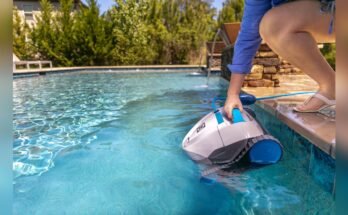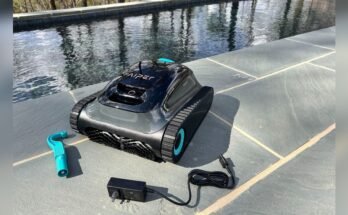
Keeping your pool crystal clear can feel like a never-ending task. You’ve invested in a robotic pool vacuum to make cleaning easier, but how often should you actually use it?
Using it too little might leave dirt and debris behind, while overusing it could waste energy and wear out your machine faster. You’ll discover the perfect balance to keep your pool spotless without extra hassle. Ready to make your pool maintenance smarter and simpler?
Let’s dive in.

Benefits Of Robotic Pool Vacuums
Robotic pool vacuums make pool cleaning easy and efficient. They do the hard work for you. These devices save time and effort while keeping your pool spotless. Using a robotic vacuum regularly helps maintain clear and healthy water. Here are some key benefits of using one.
Time-saving Features
Robotic pool vacuums clean automatically. You just set a schedule and let them run. They remove dirt, leaves, and debris without your help. This frees up your time for other activities. No need to scrub or vacuum by hand anymore.
Energy Efficiency
These vacuums use less electricity than traditional pool cleaners. They have smart motors that adjust power based on pool size. This lowers your energy bills. Running a robotic vacuum is cost-effective and eco-friendly.
Improved Pool Cleanliness
Robotic vacuums reach spots that are hard to clean manually. They scrub walls, floors, and steps thoroughly. This stops algae and dirt from building up. Your pool water stays clearer and safer to swim in.

Factors Influencing Cleaning Frequency
Several factors affect how often you should use a robotic pool vacuum. The cleaning frequency depends on your pool’s size, shape, usage, and environment. Seasonal changes also play a big role. Understanding these factors helps keep your pool clean and saves energy.
Pool Size And Shape
Large pools need more cleaning time than small ones. Bigger pools collect more dirt and debris. Complex shapes with corners and steps require extra attention. Robotic vacuums may need more runs to cover all areas well. Simple, small pools can be cleaned less often.
Usage And Environment
Frequent pool use means more dirt and oils enter the water. More swimmers raise the need for cleaning. Pools near trees or plants get more leaves and debris. Dusty or windy locations increase dirt inside the pool. These factors mean you must run your vacuum more often.
Seasonal Changes
In spring and summer, pools are used more often. Warmer weather also brings more dirt and algae growth. Fall drops leaves and twigs into the pool. Winter can bring less debris but may require occasional cleaning. Adjust vacuum use based on the season to keep the pool clean year-round.
Recommended Cleaning Schedules
Knowing the right cleaning schedule for your robotic pool vacuum keeps your pool sparkling. Different pool types need different care. Setting a clear routine helps maintain water clarity and reduces manual cleaning time. Here are some simple guides based on your pool’s use and surroundings.
Daily Use Pools
Pools used every day get dirty faster. Dirt, oils, and skin flakes build up quickly. Run the robotic vacuum at least three times a week. This keeps the water clear and the pool floor free of debris. For heavy daily use, consider daily cleaning sessions to stay ahead.
Occasional Use Pools
Pools used less often collect less dirt. Cleaning once a week usually works well. This schedule removes settled dirt and prevents algae growth. It saves energy and extends your vacuum’s life. Check the pool weekly to adjust cleaning if needed.
Pools In Leafy Or Dusty Areas
Pools near trees or dusty places need more care. Leaves and dust fall into the water often. Clean the pool vacuum daily or every other day during heavy leaf fall. This stops debris from sinking and clogging filters. Extra cleaning keeps your pool safe and fresh.
Signs Your Pool Needs Cleaning
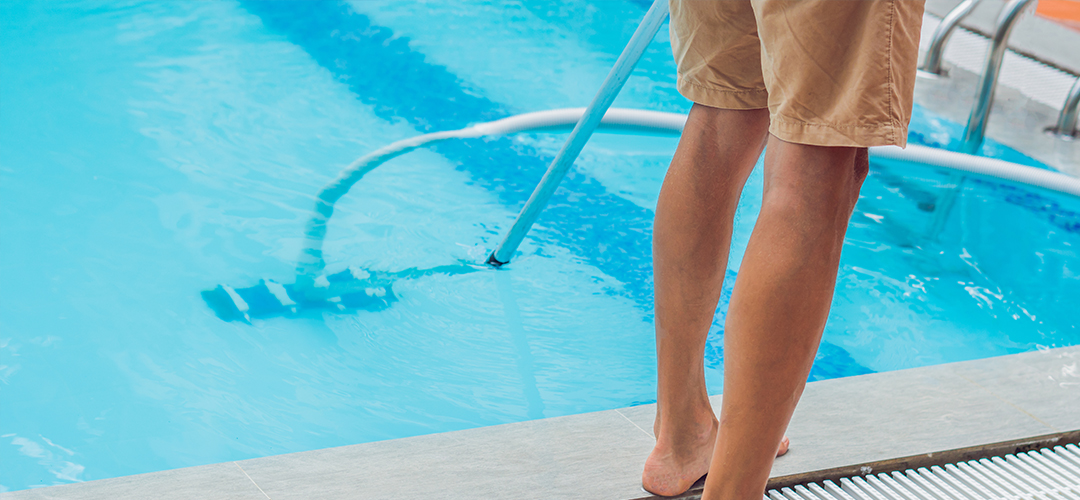
Knowing when your pool needs cleaning helps keep it safe and enjoyable. A clean pool looks inviting and feels fresh. Watch for signs that show your pool needs attention soon. These signs help decide how often to use your robotic pool vacuum.
Visible Debris
Leaves, twigs, and bugs floating on the surface show your pool needs cleaning. Dirt can also settle at the bottom. Debris makes the pool dirty and can clog filters. Removing visible debris quickly keeps the water clear and healthy.
Cloudy Water
Clear water means a clean pool. Cloudy water often means dirt, algae, or chemicals are out of balance. Cloudiness can hide dangerous bacteria. Regular vacuuming helps keep the water clear and safe for swimming.
Unusual Odors
A strong smell from the pool water signals a problem. It may come from bacteria or algae growing inside. Bad odors mean the pool needs cleaning and chemical adjustment. Using a robotic vacuum helps remove the source of odors.
Maintaining Your Robotic Pool Vacuum
Maintaining your robotic pool vacuum helps it last longer and work better. Regular care keeps your pool clean and your vacuum running smoothly. Simple steps can prevent damage and save money on repairs.
Regular Filter Cleaning
Clean the filter after every use. Remove debris and dirt to keep water flowing well. Rinse the filter with a hose and let it dry fully. A clean filter improves suction and cleaning power.
Inspecting Brushes And Tracks
Check brushes and tracks for wear or damage regularly. Worn brushes reduce cleaning ability. Remove tangled hair or leaves from brushes and tracks. Replace parts if they look worn out to avoid breakdowns.
Storing The Vacuum Properly
Store the vacuum in a dry, shaded place. Avoid leaving it in direct sunlight or water. Keep cords untangled and away from sharp objects. Proper storage protects the vacuum and extends its life.
Common Mistakes To Avoid
Using a robotic pool vacuum can make pool cleaning easier. Yet, some common mistakes can reduce its effectiveness. Avoiding these errors helps keep your pool clean and your device working well.
Overusing The Vacuum
Running the vacuum too often can wear out its parts quickly. It also wastes electricity and may damage the pool surface. Use the vacuum only as needed. Check the pool’s dirt level before starting it.
Ignoring Manufacturer Guidelines
Each vacuum has specific rules for use. Ignoring these can cause problems. Follow the instructions for cleaning, storage, and operation. This keeps the vacuum in good shape and extends its life.
Neglecting Pool Water Chemistry
Dirty water can block the vacuum’s filters and reduce cleaning power. Test and balance pool chemicals regularly. Proper water chemistry helps the vacuum work better and protects your pool.
Frequently Asked Questions
How Often Should I Run A Robotic Pool Vacuum?
Run your robotic pool vacuum 2-3 times per week for regular cleaning. This frequency keeps your pool debris-free and maintains water clarity efficiently.
Can Daily Use Damage A Robotic Pool Vacuum?
Daily use usually does not damage the vacuum. However, follow manufacturer guidelines to avoid wear and prolong its lifespan.
Does Pool Size Affect Vacuum Usage Frequency?
Yes, larger pools may require more frequent vacuuming. Adjust the cleaning schedule based on pool size and debris accumulation.
Should I Clean The Vacuum Filter After Each Use?
Yes, cleaning the filter after each use ensures optimal performance. It prevents clogging and maintains strong suction power.
Conclusion
Using a robotic pool vacuum regularly keeps your pool clean and clear. Aim to run it once or twice a week, depending on pool use. More frequent cleaning helps prevent dirt buildup and saves time later. Check the vacuum’s filter often to keep it working well.
Consistent use means less manual scrubbing and more free time. A clean pool invites relaxation and fun all season. Small effort now avoids big problems later. Keep your pool sparkling with simple, steady care.