

The question "how often should you shock an above ground pool?" doesn't have a simple, one-size-fits-all answer. It’s more about understanding your pool's specific conditions and giving it the treatment it needs. Think of it like taking care of a pet; you don't feed it the exact same amount every single day regardless of its activity level.
Our research shows that a consistent schedule is less important than responsive care. Shocking your pool, which means adding a concentrated dose of sanitizer, is key to eliminating contaminants that regular chlorination might miss. This boosts your water quality, keeping it clear, safe, and ready for fun.
Quick Answer
Shock your above-ground pool weekly or bi-weekly. Adjust frequency based on usage, weather, and water quality test results. If water turns cloudy or green, shock immediately.
Aim for free chlorine at 1-4 ppm.
When to Actually Reach for the Pool Shock
Deciding when to shock your above-ground pool isn't about sticking to a rigid calendar as much as it is about observing your pool and testing its water. It’s a responsive action taken when specific conditions indicate a need for a more potent sanitizer boost. You’re essentially performing a deep clean to tackle what regular maintenance might miss.
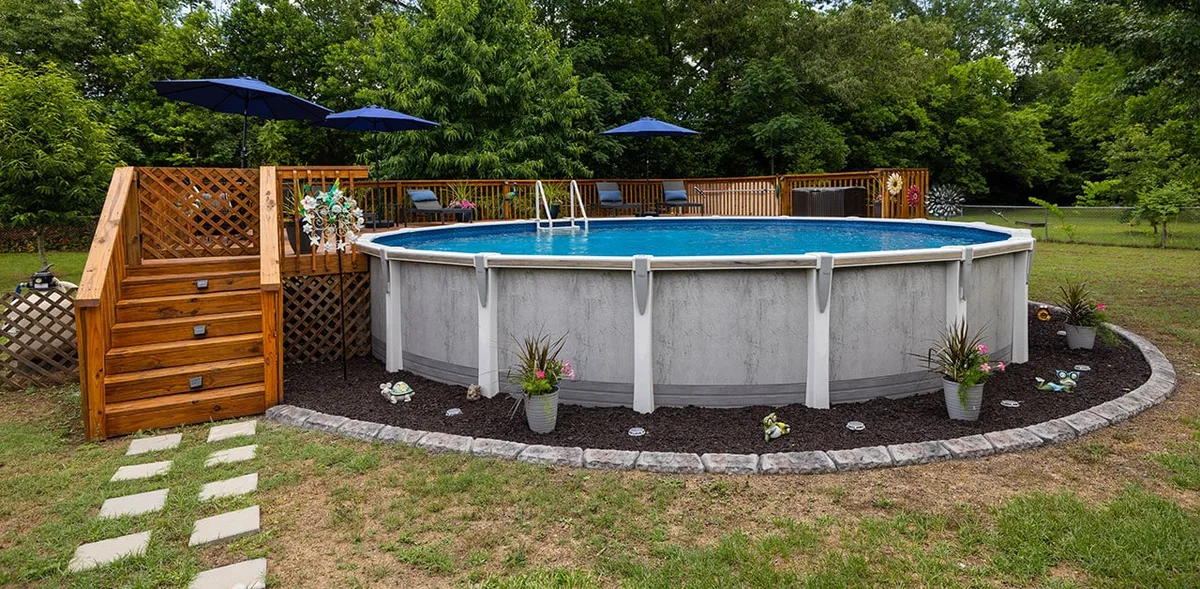
Image source: Bing (Web (fair-use with source credit))
Heavy Use & Post-Party Pool Shocking
Let's face it, when the weather’s great, your above-ground pool becomes the backyard hotspot. More swimmers mean more organic compounds entering the water, think sweat, oils, lotions, and anything else that washes off. These substances consume sanitizer and can lead to murky water or that tell-tale strong chlorine smell.
When you've had a big gathering or a week of daily use, especially with kids splashing and playing, your pool's sanitizer levels can drop significantly. Manufacturer specifications often recommend increasing sanitizer doses after heavy bather load to maintain water quality. As of 2026, pool care experts still emphasize that high bather loads are a primary trigger for shocking.
Cloudy, Green, or Smelly Water: Shock Time!
These visual cues are your pool’s way of shouting for help. Cloudy water means there are particles suspended in it, often due to low sanitizer levels or an imbalance in your water chemistry. Green water is a direct sign of algae bloom, which happens when your free chlorine can't keep up with demand.
That pungent "chlorine" smell? It's not too much chlorine; it’s chloramines, which are spent chlorine compounds that need to be oxidized.
If you notice any of these issues, it’s time to shock. This concentrated dose of oxidizer helps break down organic waste, kill algae, and neutralize chloramines, restoring clarity and freshness.
Weather's Impact: Rain, Sun, and Wind
Your pool doesn't exist in a vacuum; it's directly affected by what's happening outside. Intense sunlight and high temperatures can burn off chlorine faster, meaning your sanitizer works overtime just to maintain its normal levels. If your free chlorine drops below 1 ppm due to sun exposure, shocking becomes necessary.
Heavy rain can also be a spoiler. It dilutes your pool water, potentially lowering sanitizer levels and pH. Worse, rain can wash in debris, pollen, and other contaminants from your surroundings, increasing the organic load your sanitizer has to fight.
Windy days contribute too, by blowing leaves, dust, and pollen into the water.
Gauging Your Pool's Needs: Water Chemistry is Key
This is where things get really precise. Relying on guesswork just won't cut it if you want consistently clean water. A good pool test kit is your best friend here, giving you the hard data you need to make smart decisions.
You're not just checking chlorine; you're looking at the whole picture.
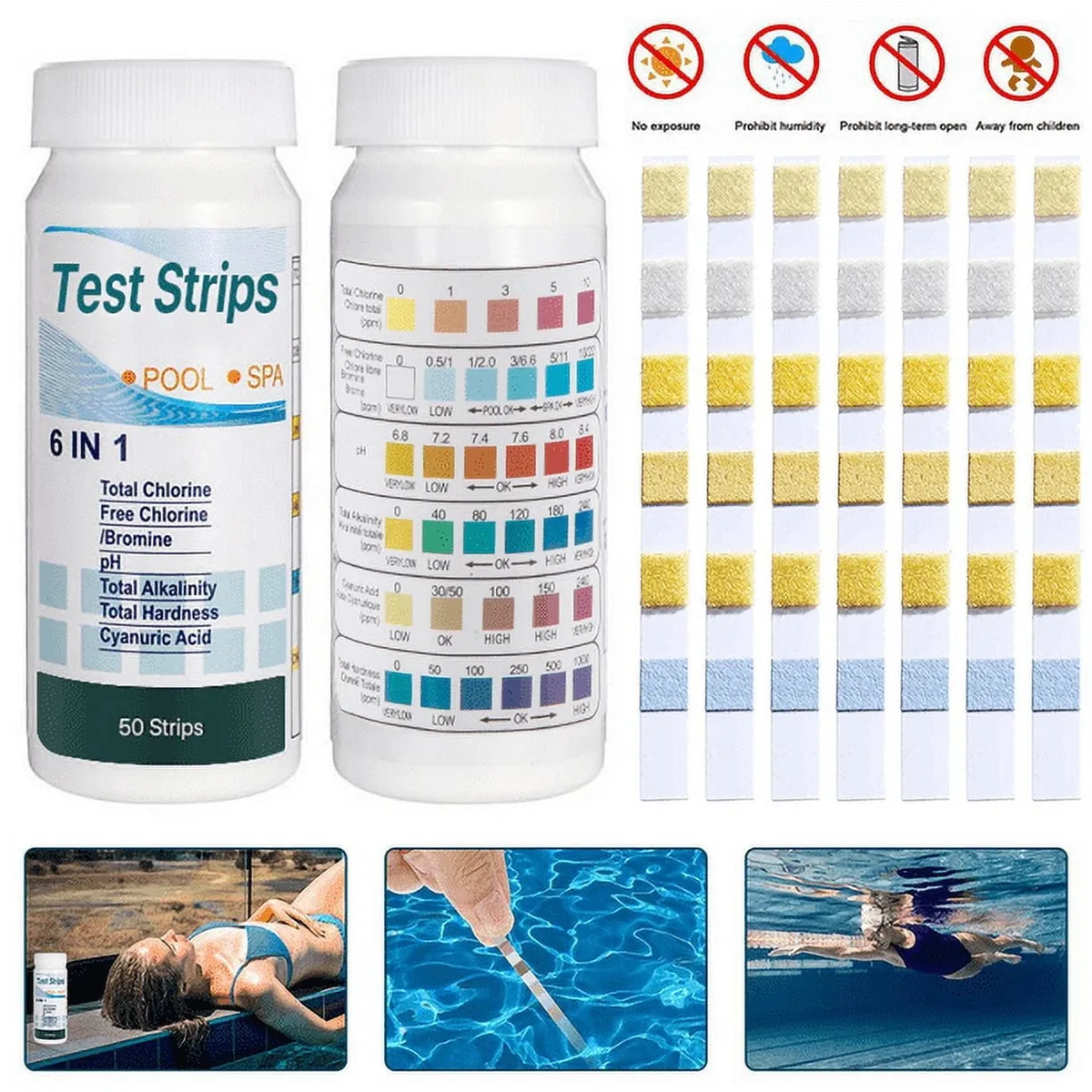
Image source: Bing (Web (fair-use with source credit))
The Role of Free Chlorine Levels
Free chlorine (FC) is the active sanitizer that kills algae and bacteria in your pool. Its ideal level, according to most pool care guidelines, hovers between 1 and 4 parts per million (ppm). When your FC consistently struggles to stay within this range, even with your regular chlorination routine, it’s a strong indicator that you're not keeping up with demand.
This is when shocking becomes essential to bring those levels back up and provide a protective buffer.
Understanding Combined Chlorine (Chloramines)
You know that strong, sometimes unpleasant "chlorine" smell in a pool? That’s not from too much free chlorine; it’s actually a sign of too little. The smell comes from combined chlorine, or chloramines.
These are compounds formed when free chlorine reacts with ammonia and nitrogen-based contaminants, like sweat and urine. Chloramines are ineffective sanitizers and can irritate your eyes and skin.
If your test kit measures combined chlorine (CC) and it reads above 0.5 ppm, it's time to shock. Shocking oxidizes these chloramines, breaking them down and restoring your free chlorine. This process is crucial for truly clean, odor-free water.
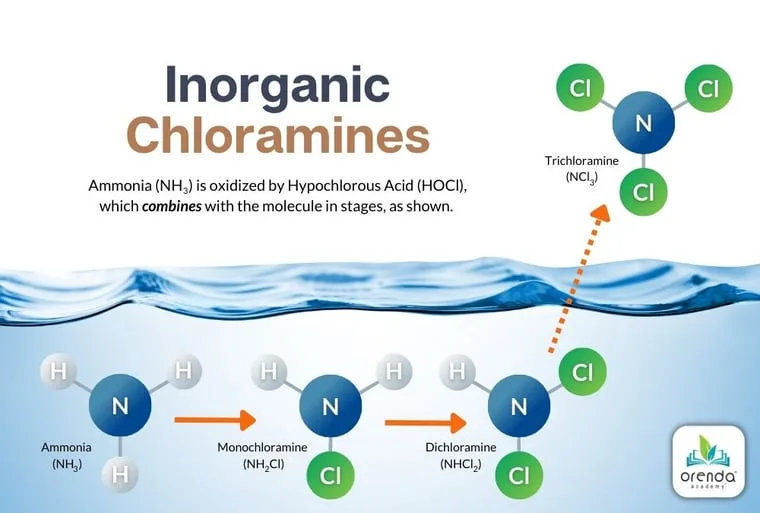
Image source: Bing (Web (fair-use with source credit))
Why pH Matters for Shocking
Your pool's pH level is a measure of how acidic or alkaline the water is. It's measured on a scale of 0 to 14, with 7 being neutral. For effective chlorine sanitation, you want your pH to be between 7.2 and 7.6.
If your pH is too high or too low, your chlorine won't work as efficiently.
In fact, manufacturer guidelines often state that chlorine effectiveness can be reduced by more than half if the pH is outside the ideal range. Shocking chemically is like adding a powerful cleaner, but if the water’s chemistry isn't balanced, that cleaner won’t perform optimally. Always test and adjust your pH before you shock to ensure the treatment is as effective as possible.
Building Your Pool Shocking Schedule
Creating a practical schedule for shocking your above-ground pool involves looking at a few key factors. It’s not just about the calendar; it’s about how you use the pool and what the environment throws at it. Think of it as a dynamic plan that adapts to your lifestyle and local conditions.
Light, Moderate, and Heavy Use Scenarios
The number of people using your pool significantly impacts how often it needs shocking. A pool used by just one or two people a few times a week will have a much lower demand on its sanitizer than a pool hosting daily splash parties for a dozen kids.
- Light Use: If your pool sees only occasional dips from a few family members, you might only need to shock every 2, 3 weeks, provided your regular chlorine levels and water clarity remain consistent.
- Moderate Use: For a typical family that uses the pool several times a week, a weekly or bi-weekly shock treatment is a good preventative measure.
- Heavy Use: Pools that are the center of attention, with daily use by multiple swimmers, especially during hot weather, will likely benefit most from a weekly shock. This ensures the sanitizer can keep up with the constant influx of contaminants.
Seasonal Swimming Season Considerations
The season dramatically affects how often you'll need to shock. During the peak swimming months, when temperatures are high and the sun is strong, your pool’s water chemistry is under more stress. Chlorine evaporates faster, algae growth is more aggressive, and bather load is often at its highest.
For example, during a hot, humid summer, you might find yourself shocking weekly. As temperatures cool and usage tapers off in late summer or early fall, you might be able to stretch the time between shocking sessions. It's about adjusting your routine to match the prevailing environmental conditions and how those conditions affect your pool's specific needs.
Shocking Frequency: Common Rhythms vs. Reality
Many pool owners look for a simple schedule, a magic number of days between treatments. While routines are helpful, true pool care hinges on adapting to your pool's actual state rather than following a clock blindly. Understanding the difference between a common rhythm and what your pool really needs is key to effective maintenance.
The Weekly Shock Routine: When It Makes Sense
A weekly shock is a robust approach, often recommended for pools experiencing heavy use or particularly challenging conditions. If your above-ground pool is the go-to spot for backyard parties, if children are constantly in and out, or if you live in a region with consistently hot and humid weather, shocking every seven days can be highly beneficial. This proactive measure helps maintain a consistent free chlorine level between 1-4 ppm and keeps combined chlorine below 0.5 ppm, preventing those common problems like cloudy water or algae before they even start.
Manufacturer specifications often suggest this frequency for high-demand environments.
Bi-Weekly & Monthly Shocking: Is It Enough?
Shocking every two weeks or even monthly might seem appealing for saving time and money, but it’s crucial to assess if this frequency is actually sufficient for your pool. For pools with very light usage, minimal surrounding foliage contributing debris, and consistently stable water chemistry, this less frequent approach might work. However, aggregate reviews and pool care expert advice suggest that for most above-ground pools, especially those used more than just occasionally, stretching the shock schedule to this extent often leads to issues.
Insufficient shocking can result in reduced water clarity, persistent chloramine smells, and the unwelcome appearance of algae, requiring more intensive treatment later on. Always prioritize water testing over a fixed schedule to determine if less frequent shocking is viable for your specific situation.
Common Pool Shocking Mistakes to Dodge
Even with the best intentions, pool owners can make errors when shocking that reduce its effectiveness or even cause problems. Awareness of these pitfalls can save you time, money, and frustration. It’s about doing it right, not just doing it.
- Shocking at the Wrong Time of Day: Many pool chemicals, especially those containing chlorine, can be degraded by direct sunlight. Manufacturer instructions typically advise shocking in the evening or at dusk. This allows the shock to work overnight without being diminished by UV rays, ensuring a more potent treatment.
- Not Pre-Dissolving Granular Shock: Some granular pool shock products need to be pre-dissolved in a bucket of pool water before adding them to the pool. Failing to do this can cause the granules to settle on the pool liner, potentially leading to discoloration or damage. Always read and follow the product's specific instructions.
- Ignoring pH Levels: As we’ve discussed, chlorine’s effectiveness is heavily dependent on pH. If your pH is high, your shock treatment won't work nearly as well. It’s like trying to clean a greasy pan with plain water; you need the right cleaning agent. Always test and adjust your pH to the 7.2-7.6 range before shocking.
- Adding Shock Too Close to Using the Pool: Shocking significantly raises chlorine levels, making the water unsafe for swimming until levels return to a safe range, typically between 1-4 ppm free chlorine. Adding shock and then expecting to swim a few hours later can be dangerous. Always allow adequate time for the chlorine levels to recede.
- Using the Wrong Type or Amount of Shock: There are different types of pool shock (e.g., calcium hypochlorite, dichlor, non-chlorine shock). Using the wrong type for your pool system or adding an insufficient amount will render the treatment ineffective. Always follow product instructions for the correct dosage based on your pool's volume.
Expert Tips for Effective Pool Shocking
To get the most out of your pool shocking efforts, a few pro strategies can make a big difference. These tips go beyond the basic instructions and focus on maximizing efficiency and ensuring the best possible water quality. Our research into common pool care practices highlights these key recommendations.
- Shock When the Pool is Circulating: Always run your pool pump during and for at least 8-12 hours after shocking. This helps distribute the shock treatment evenly throughout the entire pool water volume. Proper circulation is vital for effective sanitization.
- Brush the Pool Thoroughly Before and After: Before shocking, brush your pool walls and floor. This helps loosen any algae or debris, making it easier for the shock treatment to reach and kill them. After shocking, brushing again can help sweep away dead algae and other contaminants towards the filter.
- Always Test Your Water After Shocking: Once the recommended circulation period has passed, re-test your free chlorine and combined chlorine levels. This confirms the shock did its job and that your levels are back within the safe swimming range.
- Consider Non-Chlorine Shock for Quick Use: If you need to get your pool swim-ready quickly after shocking, non-chlorine shock (potassium monopersulfate) is an option. It oxidizes contaminants without raising chlorine levels, allowing for swimming much sooner, often within 15-30 minutes, once it has circulated. However, it doesn't add residual chlorine for ongoing sanitization.
- Read the Product Label Carefully: Pool shock products vary. Some dissolve instantly, others need pre-dissolving, and some have specific application instructions. Always read and follow the directions on the shock product you purchase, as these are often based on manufacturer testing for optimal results.
Frequently Asked Questions About Pool Shocking
How long should I wait to swim after shocking my pool?
You should wait until your free chlorine level drops back down to a safe range, typically between 1 and 4 parts per million (ppm). This can take anywhere from 12 hours to 24 hours, or even longer if you used a high dose of shock. Always test your water to confirm it's safe before letting anyone swim.
Can I shock my pool during the day?
While it’s generally best to shock your pool in the evening or at night, you can do it during the day if necessary. However, be aware that direct sunlight can break down chlorine-based shock treatments, reducing their effectiveness. For optimal results, aim for cooler, less sunny times.
What’s the difference between pool shock and regular chlorine?
Pool shock is a concentrated dose of sanitizer, usually a form of chlorine, that's used to break down contaminants, kill algae, and eliminate chloramines. Regular chlorine, like tablets or liquid, is used for ongoing daily sanitization to maintain a consistent free chlorine level. Shocking provides a much higher, temporary boost.
Should I shock my pool if it’s already clean?
Yes, periodic shocking is recommended as part of a preventative maintenance routine, even if your pool water looks clean and clear. Shocking helps oxidize organic matter, sweat, and other non-filterable contaminants that can build up over time and stress your regular sanitizer. This helps maintain water quality and prevents problems before they arise.
Can I mix pool shock with other chemicals?
No, you should never mix different pool chemicals together, especially not directly. This can cause dangerous chemical reactions, including the release of toxic gases. Always add chemicals to the pool water separately, ensuring they are well-diluted and circulated before adding the next.
Always follow product instructions carefully.
What if my pool is extremely green or slimy?
If your above-ground pool is significantly green or has visible slimy patches, you're dealing with a heavy algae bloom. You'll likely need to shock the pool with a higher dose than usual, potentially more than once. It's often recommended to brush the pool walls and floor vigorously beforehand to loosen the algae.
You may also need to run your filter continuously and clean or backwash it frequently throughout the process. If the problem persists after a couple of shock treatments, you might need to consult pool care professionals.
How much pool shock should I use?
The amount of pool shock you need depends on several factors: the size of your pool (gallons or liters), the type of shock product you are using, and the severity of the problem you are treating. Always check the product label for specific dosage instructions based on your pool volume and the desired outcome (e.g., routine shock vs. algae treatment). Over-dosing can be as problematic as under-dosing, potentially damaging your pool or equipment.

