

So, you've got an above-ground pool and you're wondering just how much juice your pump needs to be pulling to keep that water crystal clear. It’s a question that pops up a lot, and the truth is, there’s no single, simple answer that fits every situation.
The ideal run time for your pump isn't a static number; it's dynamic and depends on a few key things about your specific pool setup and how you use it. Getting this right is crucial for clean, safe water, and it’s more straightforward than you might think once you know what to look for.
Quick Answer
Your above-ground pool pump should run long enough to turn over all the water daily. Aim for a minimum of 8, 12 hours per day, adjusted by pool size, bather load, and water conditions. Longer runs prevent cloudy water and algae.
The Goal: Keeping Your Pool Water Fresh and Clean
Your pool pump is more than just a motor; it's the heart of your pool's entire water management system. Its primary job is to circulate the water, pushing it through your filter to remove debris and contaminants. Without adequate circulation, chemicals won't distribute properly, and water can quickly become a breeding ground for algae and bacteria.
Manufacturer specifications for pool pumps often emphasize consistent flow for optimal filtration.
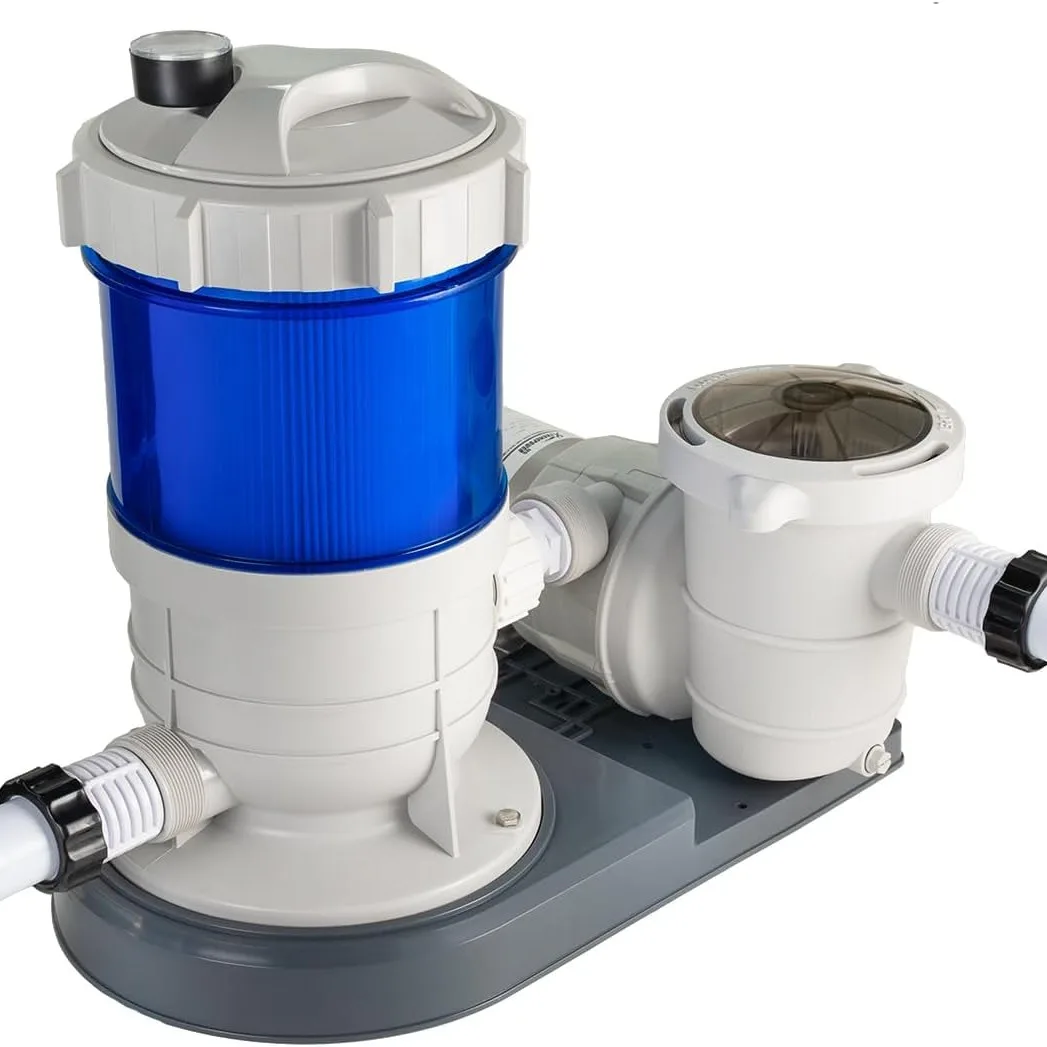
Image source: Bing (Web (fair-use with source credit))
Your Pool Pump's Run Time: Key Factors to Consider
Deciding on the perfect run time for your pool pump involves looking at a few critical variables. It’s not just about setting a timer and forgetting it; it’s about adapting to your pool’s unique environment and usage.
Pool Size and Volume
The size of your pool directly impacts how long the pump needs to run. A larger body of water simply has more volume to process. Think of it like trying to drink a small glass of water versus a large jug; the jug takes longer to empty.
For instance, a 10,000-gallon pool will require a different pump run time than a 20,000-gallon pool, even with the same pump.
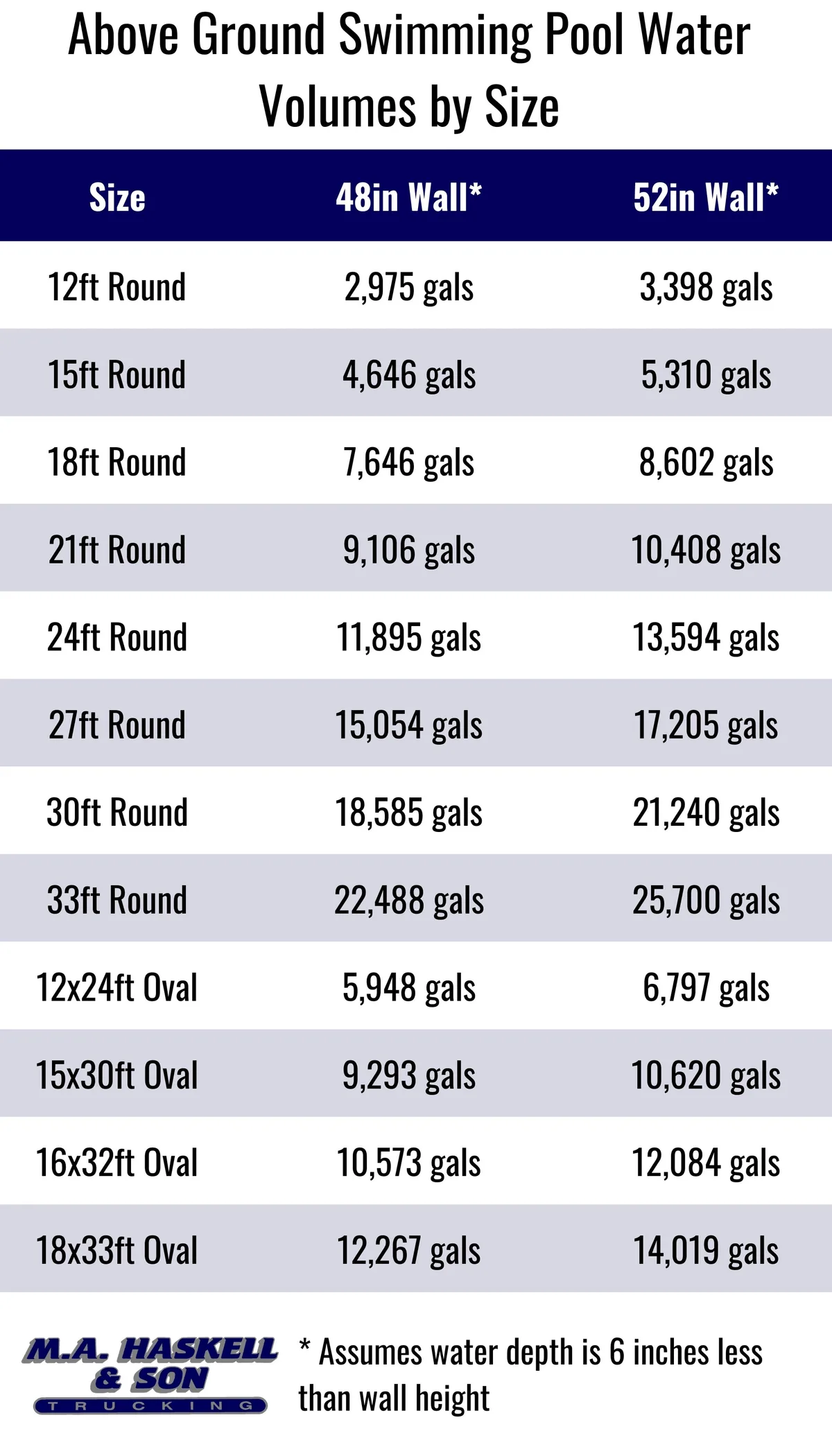
Image source: Bing (Web (fair-use with source credit))
Bather Load and Usage
How many people are actually using your pool? The more swimmers, the more everything they bring in, oils, lotions, sweat, and dirt, ends up in the water. This means your filter has to work harder and the pump needs to run longer to keep up with the increased contamination.
A pool that’s used for casual dips by two people will need less pump time than one hosting regular weekend pool parties for a dozen guests.
Weather Conditions
Heat and sunlight are major catalysts for algae growth. On hot, sunny days, your pool’s water temperature can rise significantly, creating an ideal environment for algae to bloom. If you live in a region that experiences intense sun or high temperatures for extended periods, you’ll likely need to increase your pump’s daily run time to combat these conditions and maintain clarity.
Calculating Your Pool's Daily Turnover Time
The fundamental goal for any pool owner is to achieve "water turnover" at least once every 24 hours. This means all the water in your pool should pass through the filtration system. To figure out how long your pump needs to run to accomplish this, you'll need two key pieces of information: your pump's flow rate and your pool's total volume.
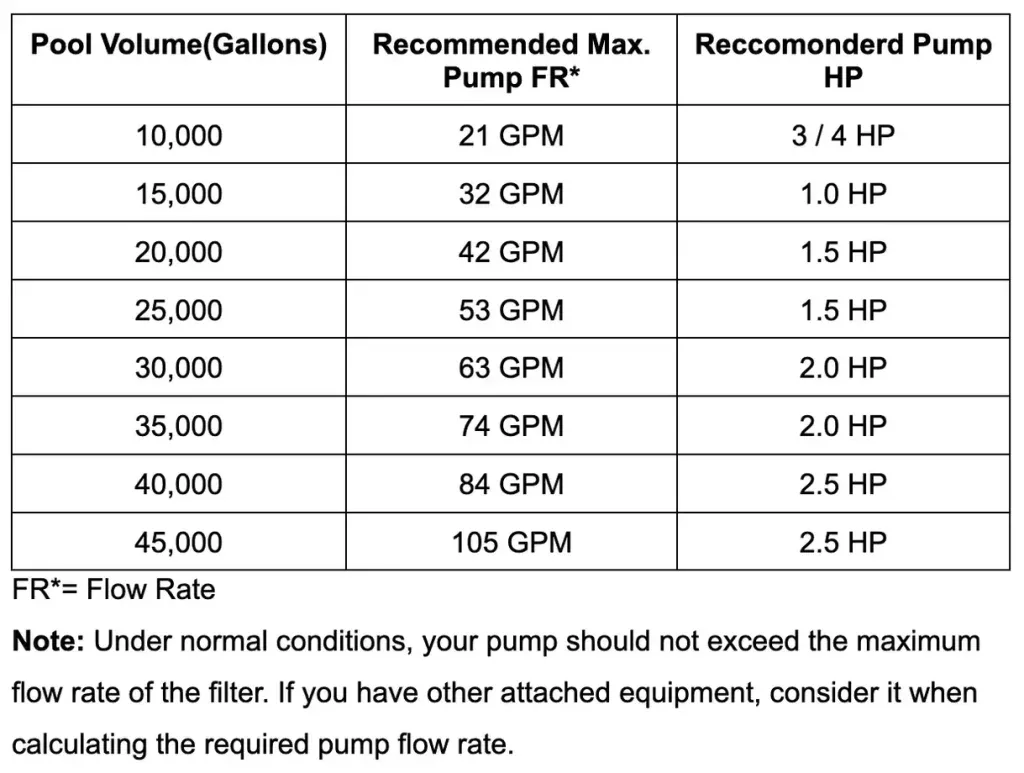
Image source: Web (Bing) / backyardsensei.com (Web image (fair-use with source credit))
Finding Your Pump's Flow Rate (GPH)
Your pool pump’s flow rate, measured in gallons per hour (GPH), tells you how much water it can move in a specific amount of time. You can usually find this information directly on the pump’s motor housing label or in the owner's manual. Sometimes, this figure is listed in liters per minute (LPM); in that case, you’ll need to convert it to GPH for consistency.
For example, a common pump might have a flow rate of around 1,500 GPH.
Determining Your Pool's Gallonage
Next, you need to know the total volume of water your pool holds, measured in gallons. This calculation depends on your pool's shape.
- Round Pools: Multiply the surface area (π * radius²) by the average depth, then multiply by 7.48 (the number of gallons in a cubic foot).
- Radius = Diameter / 2
- Oval Pools: Use the formula for oval area (0.866 * length * width) to find the surface area, then multiply by average depth and 7.48.
- Rectangular Pools: Multiply length * width * average depth * 7.48.
The average depth is usually the wall height or the depth to the skimmer, minus a few inches. Always round up to be safe.
Recommended Pump Running Schedules
Based on the goal of daily water turnover and the factors we've discussed, here’s a breakdown of effective pump running schedules for your above-ground pool.
The Standard 8-12 Hour Baseline
For most typical above-ground pools, running the pump for 8 to 12 hours per day is a solid starting point. This range generally ensures that all the water gets filtered at least once. It's often recommended to split this time, running the pump for a few hours in the morning and then again for a few hours in the evening.
This consistent circulation helps maintain balanced water chemistry and keeps debris from settling.
Adjusting for Heavy Use and Hot Weather
When conditions change, your pump schedule should too. If you've had a lot of swimmers, like during a holiday weekend or a birthday party, it’s wise to extend the pump’s run time. Adding an extra 2-4 hours can help filter out the increased load of contaminants introduced by bathers.
Similarly, during prolonged heat waves, the water heats up faster, encouraging algae. Increasing run time during these periods fights stagnation and prevents algae blooms before they start.
When to Run Your Pump 24/7 (Temporarily)
There are specific situations where running your pump continuously, 24 hours a day, is necessary. The most common is when you're battling a significant algae bloom or if your water has become very cloudy after an event. Running the pump non-stop helps to rapidly circulate chemicals and filter out the offending particles.
Once the water is clear and balanced, you can gradually reduce the run time back to your regular schedule.
Common Mistakes to Avoid With Pump Run Time
Making a few common errors with your pool pump’s operating schedule can lead to persistent water quality issues and unnecessary costs. Being aware of these pitfalls can save you a lot of hassle.
Under-Running: The Risk of Cloudy Water
The most frequent mistake is not running the pump long enough. If your pump runs for fewer hours than needed to turn over the pool’s entire volume, debris and contaminants won't be adequately filtered. This often results in cloudy or dull water.
You might notice the water clarity decreasing after a few days of insufficient run time, indicating your filter isn't getting enough "action."
Over-Running: Wasting Energy and Money
Conversely, running your pump for excessively long periods, far beyond what's needed for turnover or specific treatments, wastes electricity. While energy efficiency varies by pump type, continuous operation 24/7 for weeks on end, when not absolutely necessary, will significantly increase your utility bills. It's about finding the sweet spot that keeps the water clean without overspending.
Neglecting Filter Maintenance
A clean filter is crucial for pump efficiency. If your filter is clogged with debris, your pump has to work much harder to push water through it, and the effective flow rate decreases. This means even if you're running the pump for the recommended hours, it might not be effectively cleaning the water.
Regularly check and clean or backwash your filter according to manufacturer guidelines.
Your Pool Pump Action Plan: A Decision Guide
So, how do you put all this together into a practical plan? It’s about creating a routine that works for your specific pool, not just guessing.
If your pool is clear and you have only light usage, stick to your calculated turnover time, likely around 8-10 hours daily, split into morning and evening runs. If you notice the water getting a bit hazy, or if you've had a day with many swimmers, that's your signal. Increase the run time by 2-4 hours that day, or even the next day, to help clear things up.
If you're dealing with cloudy water, run the pump for an extended period, perhaps 12-16 hours, and double-check your filter’s cleanliness. For green algae blooms, the emergency plan is 24/7 operation until the water is clear. Always remember to monitor your water visually.
That’s your best indicator.
Frequently Asked Questions About Pool Pump Timing
How long should a new pool pump run each day?
A new pool pump should run at least 8-12 hours daily to ensure proper water turnover. Initially, monitor your pool’s clarity and adjust the schedule if needed.
Can I run my pool pump at night?
Yes, you can run your pool pump at night, and it's often recommended. Splitting the daily run time into morning and evening cycles helps maintain consistent circulation and water quality.
What happens if I don't run my pool pump long enough?
If you don't run your pool pump long enough, your pool water won't be adequately filtered. This can lead to cloudy water, uneven chemical distribution, and the growth of algae and bacteria.
Is it okay to run my pool pump 24/7?
Running your pool pump 24/7 is usually only necessary temporarily, such as when treating algae blooms or clearing very cloudy water. For everyday operation, it's often an energy-wasting practice.

