Have you ever stopped to think about how often you should replace your office chair? You might be surprised to learn that using an old or worn-out chair can affect your comfort, posture, and even your productivity.
Your chair supports you through long hours of work, so it’s important to know when it’s time for a change. You’ll discover the key signs that tell you it’s time to upgrade your office chair and how doing so can make a big difference in your daily work life.
Keep reading to find out exactly when and why replacing your office chair matters.
Signs Your Office Chair Needs Replacement
Knowing when to replace your office chair helps keep you comfortable and healthy. Over time, chairs wear out and stop supporting your body well. Watch for clear signs that show your chair needs replacement. Acting early prevents discomfort and injury.
Visible Wear And Tear
Look for cracks, tears, or worn-out fabric on your chair. Faded colors or broken stitching also show age. Exposed foam or damaged padding means the chair is losing its shape. These signs affect both comfort and appearance.
Loss Of Comfort
Your chair should feel soft and supportive. If it feels hard or uneven, comfort is fading. Sitting for long hours may cause pain or stiffness. A chair that no longer feels good can hurt your focus and mood.
Reduced Support
Good support keeps your back straight and your posture healthy. If your chair leans, sinks, or wobbles, support is weak. Poor lumbar support can cause back pain. A chair that fails to hold your body properly needs replacing.
Broken Or Malfunctioning Parts
Check if wheels stick, height controls fail, or armrests are loose. Broken parts limit your chair’s adjustability and movement. Malfunctions can cause accidents or worsen your posture. A chair with broken parts is unsafe to use.
Average Lifespan Of Office Chairs
Knowing the average lifespan of an office chair helps you plan your workspace better. Office chairs wear out over time due to daily use. Different types of chairs last for different lengths of time. Quality, material, and usage all affect how long a chair stays comfortable and functional.
Choosing the right chair depends on your budget and how long you expect it to last. Here is a breakdown of the average lifespan for various office chair types.
Budget Chairs
Budget chairs usually last about 1 to 3 years. They often use cheaper materials and simpler designs. These chairs may lose comfort and support quickly. Frequent use can cause them to break or wear out faster. Budget chairs are best for light, occasional use.
Mid-range Chairs
Mid-range chairs last around 3 to 7 years. They provide better comfort and stronger parts. These chairs often include adjustable features for better ergonomics. With regular care, mid-range chairs maintain support longer. They suit daily office work and moderate use.
High-end Chairs
High-end chairs last 7 to 10 years or more. Made from premium materials, they offer excellent durability. These chairs have advanced ergonomic designs and strong frames. Proper maintenance extends their lifespan even further. High-end chairs are ideal for heavy use and long hours.
Factors Influencing Replacement Frequency
Knowing when to replace an office chair depends on several key factors. These factors affect the chair’s lifespan and comfort. Understanding them helps you make the right decision for your workspace.
Each office environment has unique demands. Your chair’s condition reflects how well it handles these demands. The following points explain what influences replacement frequency.
Usage Intensity
Chairs used for many hours daily wear out faster. Heavy use causes quicker damage to cushions and mechanisms. A chair in a busy office needs replacing sooner than one used occasionally. Consider the number of hours spent sitting each day.
Material Quality
High-quality materials last longer and feel better. Cheap fabrics and plastics break down quickly. Look for sturdy frames and durable upholstery. Good materials resist stains, tears, and wear. This extends the chair’s useful life significantly.
Maintenance Routine
Regular cleaning and care keep chairs in good shape. Tightening screws and lubricating parts prevent damage. Dust and dirt can cause wear if not removed. A well-maintained chair stays comfortable and lasts longer. Neglect shortens the time between replacements.
Health Impacts Of Old Office Chairs
Old office chairs can cause many health problems. Using a worn-out chair affects your body in several ways. It harms your comfort and well-being. Ignoring these issues can lead to serious pain and injuries over time.
Understanding the health impacts helps you decide when to replace your chair. A good chair supports your body and keeps you healthy at work.
Posture Problems
Old chairs often lose their shape and support. This makes it hard to sit correctly. Poor posture strains muscles and joints. Over time, bad posture can cause lasting body damage. A new chair helps keep your spine aligned properly.
Back And Neck Pain
Worn-out cushions and broken support increase back and neck pain. Sitting in a bad chair makes muscles tense and sore. Pain can distract you and reduce work time. A healthy chair reduces pressure on your back and neck.
Reduced Productivity
Uncomfortable chairs lower your focus and energy. Pain and discomfort make it hard to work well. You might take more breaks or work slower. Investing in a good chair boosts comfort and productivity.
Tips To Extend Your Office Chair’s Life
Extending the life of your office chair saves money and keeps you comfortable. Small habits can make a big difference. Taking care of your chair regularly helps it last longer and work better. Follow these simple tips to keep your chair in good shape.
Regular Cleaning
Dust and dirt wear down chair materials over time. Clean the chair’s fabric or leather gently with a soft cloth. Use mild soap and water for stains. Avoid harsh chemicals that damage the surface. Vacuum cloth seats to remove crumbs and dust inside. Clean wheels often to prevent dirt buildup. This keeps the chair moving smoothly.
Proper Adjustments
Set the chair height and backrest correctly for your body. Wrong settings cause extra strain on parts. Adjust armrests to support your arms well. Sit with good posture to reduce wear on cushions. Change settings if many people use the chair. This helps parts last longer and stay comfortable.
Timely Repairs
Fix small problems before they get worse. Tighten loose screws and bolts regularly. Replace broken wheels or levers quickly. Repair tears or holes in fabric early. Ignoring damage leads to bigger costs later. Check your chair often to catch issues fast. This keeps your chair safe and strong.
When To Upgrade Vs. Repair
Deciding whether to repair or replace an office chair can be tricky. A chair that feels uncomfortable or shows wear might still be fixable. Sometimes, repairs extend the chair’s life well. Other times, an upgrade offers better value and comfort. Knowing when to repair or upgrade saves money and improves your workspace.
Cost Comparison
Repair costs vary by the problem and chair model. Small fixes like tightening screws or replacing wheels cost less. Major repairs, such as fixing the frame or cushioning, can be expensive. Compare repair costs to new chair prices. If repair costs are close to a new chair, buying new may be better.
Availability Of Replacement Parts
Some office chairs have easy-to-find parts. Common parts include wheels, gas lifts, and armrests. Older or rare models may not have available parts. Without parts, repair is not possible. Check if parts are sold by the manufacturer or third parties. If parts are rare or costly, upgrading is a better choice.
Improved Features In New Models
New chairs often have better ergonomics and design. Advances include adjustable lumbar support and breathable materials. Modern chairs can reduce back pain and improve posture. New features may boost productivity and comfort. If your chair lacks these, upgrading can be worthwhile.
Choosing The Right Replacement Chair
Choosing the right replacement chair is key to comfort and productivity. The right chair supports your body and helps prevent pain. It also lasts longer, saving money over time. Focus on features that fit your needs and workspace. Consider how the chair feels and functions every day.
Ergonomic Features
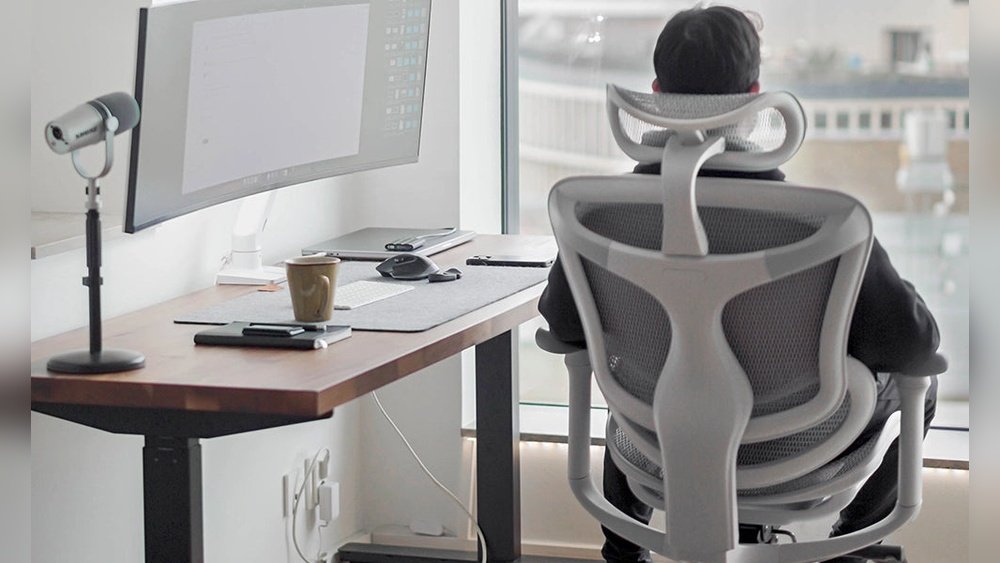
Ergonomic design helps keep your body in a healthy position. Look for chairs with good lumbar support. This supports the lower back and reduces strain. A chair with a curved backrest follows your spine’s natural shape. Headrests and armrests add extra comfort and support. These features reduce fatigue during long work hours.
Adjustability Options
A chair should adapt to your body and work style. Choose one with height adjustment to fit your desk. Seat depth adjustment helps maintain proper leg positioning. Tilt and recline features allow movement and prevent stiffness. Adjustable armrests reduce shoulder and neck tension. These options help you stay comfortable all day.
Material And Build Quality
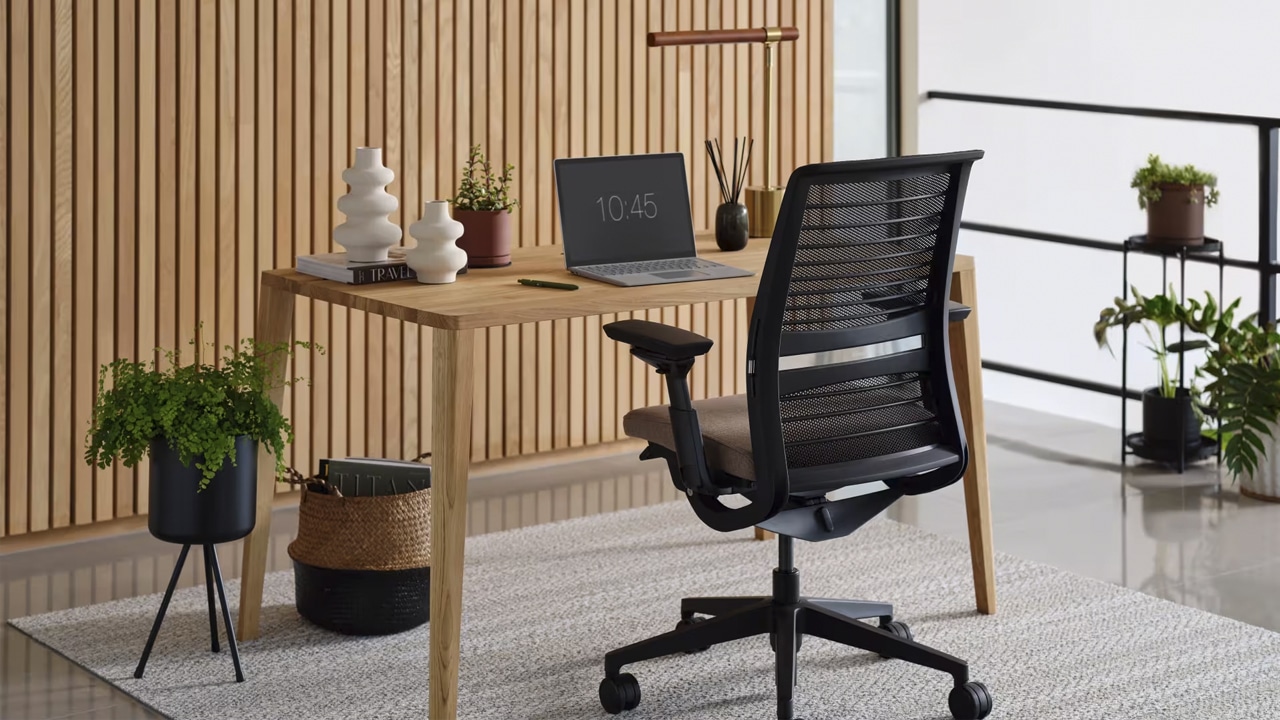
Materials affect comfort and chair durability. Breathable fabrics or mesh keep you cool during long use. Leather or faux leather offers easy cleaning but may feel warm. Check the chair frame for strong metals or hard plastics. Good build quality means the chair will last longer. Avoid cheap materials that wear out quickly.
Budget Considerations
Set a budget before shopping for a new chair. Higher prices often mean better comfort and durability. Basic chairs suit occasional use or short hours. Invest more if you sit many hours daily. Think of the chair as an investment in health. Balance price with features and quality for the best choice.


Frequently Asked Questions
How Long Does An Office Chair Typically Last?
An office chair usually lasts between 5 to 10 years. Usage frequency and build quality affect its lifespan. Regular maintenance can extend its durability. Replace it sooner if you notice discomfort or damage.
What Signs Indicate It’s Time To Replace An Office Chair?
Look for worn-out cushions, broken wheels, or unstable bases. Persistent discomfort or poor posture support also signal replacement. If repairs exceed half the chair’s cost, consider buying a new one.
How Often Should Ergonomic Office Chairs Be Replaced?
Ergonomic chairs should be replaced every 7 to 10 years. Frequent use and wear reduce their effectiveness over time. Upgrading ensures optimal comfort and prevents long-term health issues.
Can Regular Maintenance Extend An Office Chair’s Life?
Yes, cleaning, tightening screws, and lubricating moving parts help. Proper care prevents early wear and keeps the chair functional. Regular checks can delay the need for replacement.
Conclusion
Replacing your office chair depends on use and wear. A good chair lasts about 5 years. Watch for signs like discomfort or broken parts. A worn-out chair can hurt your posture and focus. Investing in a new chair improves comfort and work quality.
Regular checks help you decide the right time to replace. Don’t wait until pain starts. A healthy workspace boosts productivity and well-being. Choose comfort and support for daily work hours. Your body will thank you.