

Most stick vacuum batteries need replacement every 2 to 5 years, depending on use and care.
If you own a stick vacuum, the battery is the part that usually decides how long the whole machine stays useful. I’ve seen great vacuums lose their edge simply because the battery aged faster than the motor or brush head. Knowing how often you should replace a stick vacuum battery helps you save money, keep cleaning power strong, and avoid the frustration of a vacuum that dies halfway through the job.
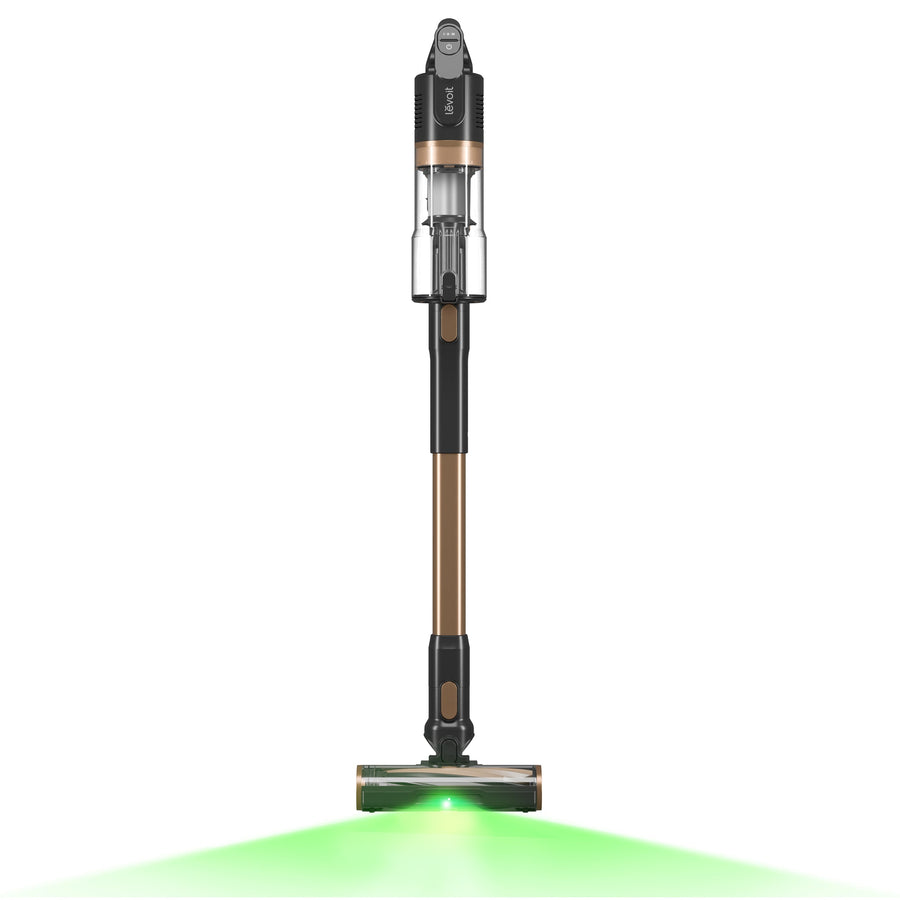
How long a stick vacuum battery usually lasts
A stick vacuum battery does not have a fixed expiration date. Most rechargeable lithium ion batteries last about 300 to 500 full charge cycles before performance starts to fall in a noticeable way. For many households, that usually works out to 2 to 5 years.
How often you should replace a stick vacuum battery depends on:
• How often you vacuum
• Whether you use max power mode a lot
• How well you store and charge it
• The quality of the battery itself
• The room temperature where it is kept
In my experience, light users often get closer to 4 or 5 years. Heavy users, especially in homes with pets or lots of carpet, may need a replacement closer to the 2 year mark.

Signs it is time to replace the battery
The clearest answer to how often should you replace a stick vacuum battery is this: replace it when it can no longer hold a useful charge. Time matters, but battery health matters more.
Watch for these common signs:
• Shorter runtime than before, even after a full charge
• The vacuum shuts off suddenly
• The battery takes much longer to charge
• The charger light shows an error
• The vacuum only works in low mode
• The battery feels unusually hot
• The vacuum loses suction fast because power drops quickly
One mistake I made early on was assuming weak suction always meant a clogged filter. Sometimes it was, but other times the battery was simply tired. If cleaning the filters and brush roll does not help, the battery is the next thing to check.
What affects battery life the most
How often should you replace a stick vacuum battery? The answer changes a lot based on use and care. Two people can buy the same vacuum and get very different battery life.
Charging habits
Charging habits matter more than most people think. Leaving the vacuum on the charger all the time may be fine for some models, but repeated heat exposure can still wear the battery down over time.
Helpful habits include:
• Letting the battery cool before charging
• Using the correct charger
• Avoiding constant deep drains when possible
• Unplugging it if the brand recommends that
Cleaning frequency and power settings
If you vacuum every day on high power, the battery will age faster. Max mode is great for pet hair and deep carpet, but it uses more energy and creates more heat.
Storage conditions
Heat is one of the biggest battery killers. A vacuum stored in a hot garage, laundry room, or near a sunny window will usually age faster than one kept in a cool, dry closet.
Battery quality
Not all batteries are equal. Original equipment manufacturer batteries often last longer and fit better than cheap replacements, though they can cost more.
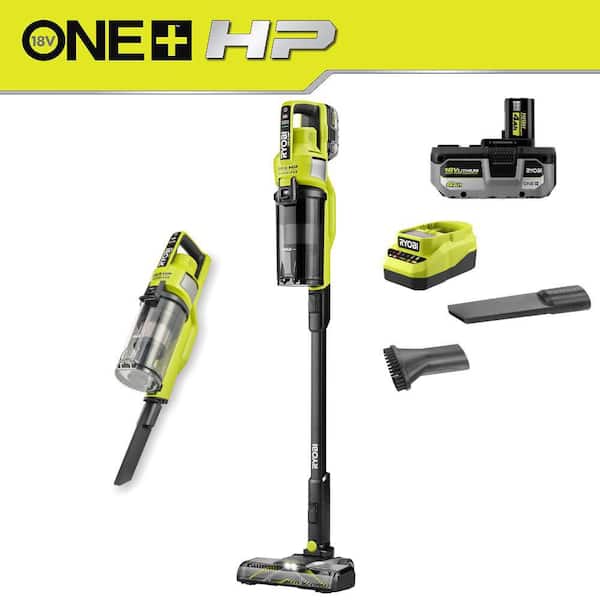
How to make a stick vacuum battery last longer
If you want to delay replacement, a few simple habits can help a lot. I treat battery care like tire care on a car: small habits now save bigger costs later.
Try these tips:
• Do not store the vacuum in extreme heat or cold
• Clean filters regularly so the motor does not work harder than needed
• Empty the dust bin often
• Use the right power mode for the job
• Avoid running the battery all the way down every time
• Charge it with the original charger when possible
• Replace worn filters and brush rolls on time
These steps will not make a battery last forever, but they can stretch battery life enough to delay replacement by months or even years.
When replacement is better than repair
Sometimes people ask how often should you replace a stick vacuum battery, but the better question is whether replacement is worth it. If the vacuum is still in good shape, a new battery is often the cheapest way to bring it back to life.
Replacement is usually worth it when:
• The vacuum is less than 5 years old
• The motor, filters, and brush roll still work well
• A genuine replacement battery is available
• The cost of a new battery is much lower than a new vacuum
Repair may not be worth it when:
• The vacuum has multiple worn parts
• Replacement batteries are hard to find
• The cost is close to a new model
• The vacuum already has weak suction from other failures
A good rule I use is simple: if a battery swap restores most of the vacuum’s value, do it. If not, it may be time to move on.
How to know whether the battery is failing or the vacuum has another problem
A dying battery is common, but it is not the only cause of poor performance. Before replacing the battery, check the basic parts that affect suction.
Look at these first:
• The dust bin is full
• The filter is dirty
• The brush roll is tangled
• The hose or air path is blocked
• The charger is working correctly
• The battery contacts are clean
If the vacuum works for a few minutes and then fades, that often points to the battery. If suction is weak from the start, the issue may be airflow, not battery life.
What manufacturers and battery experts generally recommend
Most battery makers and vacuum brands agree on a few basics. Lithium ion batteries last longer when they are kept cool, charged properly, and not abused with constant deep discharge.
Industry guidance often points to:
• Around 300 to 500 cycles for many lithium ion batteries
• Less lifespan when heat and heavy use are common
• Better life when batteries are kept between roughly 20% and 80% charge for storage, when practical
• Replacement once runtime becomes too short for normal cleaning needs
That said, no battery lasts forever. The real-life answer to how often should you replace a stick vacuum battery is based on both age and performance.
Frequently Asked Questions
How often should you replace a stick vacuum battery if you use it every day?
If you use your stick vacuum every day, you may need a new battery every 2 to 3 years. Heavy use creates more charge cycles, which wears the battery down faster.
Can a stick vacuum battery last 5 years?
Yes, some can last 5 years or longer, especially with light use and good care. Cooler storage, gentle charging, and regular filter cleaning all help extend battery life.
Is it better to replace the battery or buy a new vacuum?
If the vacuum is otherwise in good shape, replacing the battery is often the smarter choice. If the vacuum has multiple worn parts or the replacement battery is expensive, a new vacuum may be a better value.
Why does my stick vacuum battery die so fast?
Fast battery drain can come from age, max power settings, dirty filters, or a clogged brush roll. If the battery is older and runtime has clearly dropped, replacement is likely the fix.
Do replacement batteries perform as well as the original?
A genuine replacement battery usually performs close to the original, especially if bought from the brand or an approved seller. Cheaper third-party batteries can work, but quality and runtime may vary.
Conclusion
How often should you replace a stick vacuum battery? For most people, the answer is every 2 to 5 years, but the real signal is performance, not just the calendar. If runtime drops, charging gets strange, or the vacuum cannot finish normal cleaning jobs, the battery is probably telling you it is done.
The good news is that a little care goes a long way. Keep the vacuum clean, avoid harsh heat, and charge it properly so you get the most life out of every battery. If your current one is fading, take a close look now and decide whether a replacement will bring your vacuum back to full strength.

