

Your car’s air filter is a small but vital component that keeps dust, dirt, and debris out of your engine. Just like your car’s engine air filter, the cabin air filter is often overlooked, but it plays a crucial role in the air quality inside your vehicle. This filter traps pollutants, allergens, and other particles before they enter your car’s interior through the heating, ventilation, and air conditioning (HVAC) system. When this filter becomes clogged, it can affect your car’s performance and, more importantly, your health.
Understanding how often to replace your car’s cabin air filter is key to maintaining good air quality and ensuring your HVAC system works efficiently. While manufacturers provide general guidelines, several factors can influence how frequently you need to change it.
This guide will help you determine the right replacement schedule for your specific needs and driving conditions.
Why Replacing Your Cabin Air Filter Matters
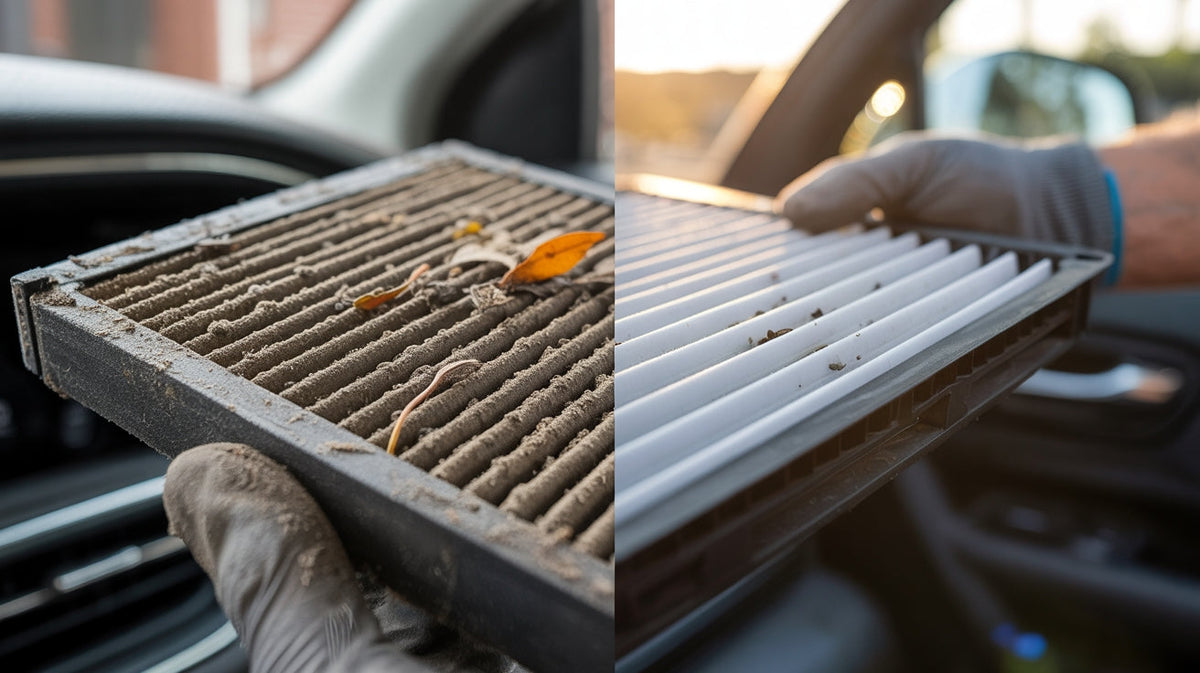
A clean cabin air filter is essential for several reasons. Firstly, it significantly improves the air quality inside your car. This is especially important for people with allergies, asthma, or other respiratory sensitivities. A clogged filter can allow allergens like pollen, dust mites, and mold spores to circulate freely within your cabin.
Secondly, a dirty filter can reduce the efficiency of your car’s HVAC system. When airflow is restricted, your air conditioner and heater have to work harder to push air through the filter. This can lead to weaker airflow from the vents, longer times to cool or heat the car, and increased wear on the HVAC system components. In some cases, a severely blocked filter can even lead to ice buildup on the evaporator coil, further impairing cooling performance.
Finally, replacing the filter regularly can prevent unpleasant odors from developing inside your car. As the filter traps particles, it can also absorb moisture and organic matter, which can become a breeding ground for bacteria and mold, leading to musty smells.
How Often Should You Replace A Cabin Air Filter?
The general recommendation for replacing a cabin air filter is every 12,000 to 15,000 miles or once a year, whichever comes first. This guideline is provided by most car manufacturers and is a good starting point for average driving conditions. However, this is not a one-size-fits-all answer.
Several factors can necessitate more frequent replacement. Driving in dusty or polluted environments, such as construction zones, unpaved roads, or heavily trafficked urban areas, will cause the filter to clog much faster. Similarly, if you live in an area with high pollen counts or frequently drive with your windows down, your filter will accumulate more debris.
Pro Tip: Keep a log of when you last replaced your cabin air filter. Many vehicles have a maintenance reminder system, but a manual record can be a helpful backup.
Factors Influencing Replacement Frequency
Understanding the variables that affect cabin air filter life will help you make a more informed decision about replacement.
Driving Environment
Your driving environment is one of the most significant factors. If you primarily drive on clean, paved highways, your filter will last longer. Conversely, frequent driving on dirt roads, in agricultural areas, or through heavy smog will significantly shorten its lifespan. For instance, a driver in a rural area with minimal dust might only need to change the filter annually, while a city driver navigating constant traffic and construction could need to replace it every six months.
Climate And Seasonality
Climate plays a role too. In areas with high pollen counts during spring and summer, you might need to replace the filter more often to combat allergens. During winter, if you use your defroster frequently, the filter might become damp, potentially leading to mold growth if not replaced.
Vehicle Usage
How much you use your car also matters. If you drive frequently for long distances, you’ll reach the mileage interval faster. Even if you don’t drive much, it’s still recommended to replace the filter at least once a year, as filters can degrade over time and absorb moisture from the air.
Allergies And Health Concerns
If you or your passengers suffer from allergies, asthma, or other respiratory issues, it’s wise to replace the cabin air filter more frequently than the standard recommendation. A clean filter is crucial for maintaining good indoor air quality, and a clogged one can exacerbate symptoms.
Signs Your Cabin Air Filter Needs Replacing
Your car will often give you subtle (and sometimes not-so-subtle) signs that the cabin air filter needs attention.
- Reduced Airflow: The most common indicator is a noticeable decrease in the amount of air coming from your vents. If you turn your fan speed to high and still get only a weak stream of air, the filter is likely clogged.
- Unpleasant Odors: A musty, stale, or otherwise unpleasant smell emanating from the vents is a strong sign that the filter is dirty and potentially harboring mold or bacteria. This is particularly noticeable when you first turn on the AC or heater.
- Increased HVAC System Strain: You might notice your car’s AC or heater taking longer than usual to reach the desired temperature. This is because the system is struggling to push air through the restricted filter.
- Dust Accumulation: If you see an excessive amount of dust settling on your dashboard or interior surfaces shortly after cleaning, it could mean the filter is no longer effectively trapping airborne particles.
- Foggy Windows: While not solely indicative of a dirty filter, a clogged cabin air filter can contribute to windows fogging up more easily, especially when using the AC. This is because the reduced airflow hinders the system’s ability to dehumidify the cabin air.
Example: When I tested a car that had been sitting in a garage for over a year without a filter change, turning on the fan immediately released a cloud of dust and a strong musty odor. Replacing the filter solved both issues instantly.
How To Check And Replace Your Cabin Air Filter
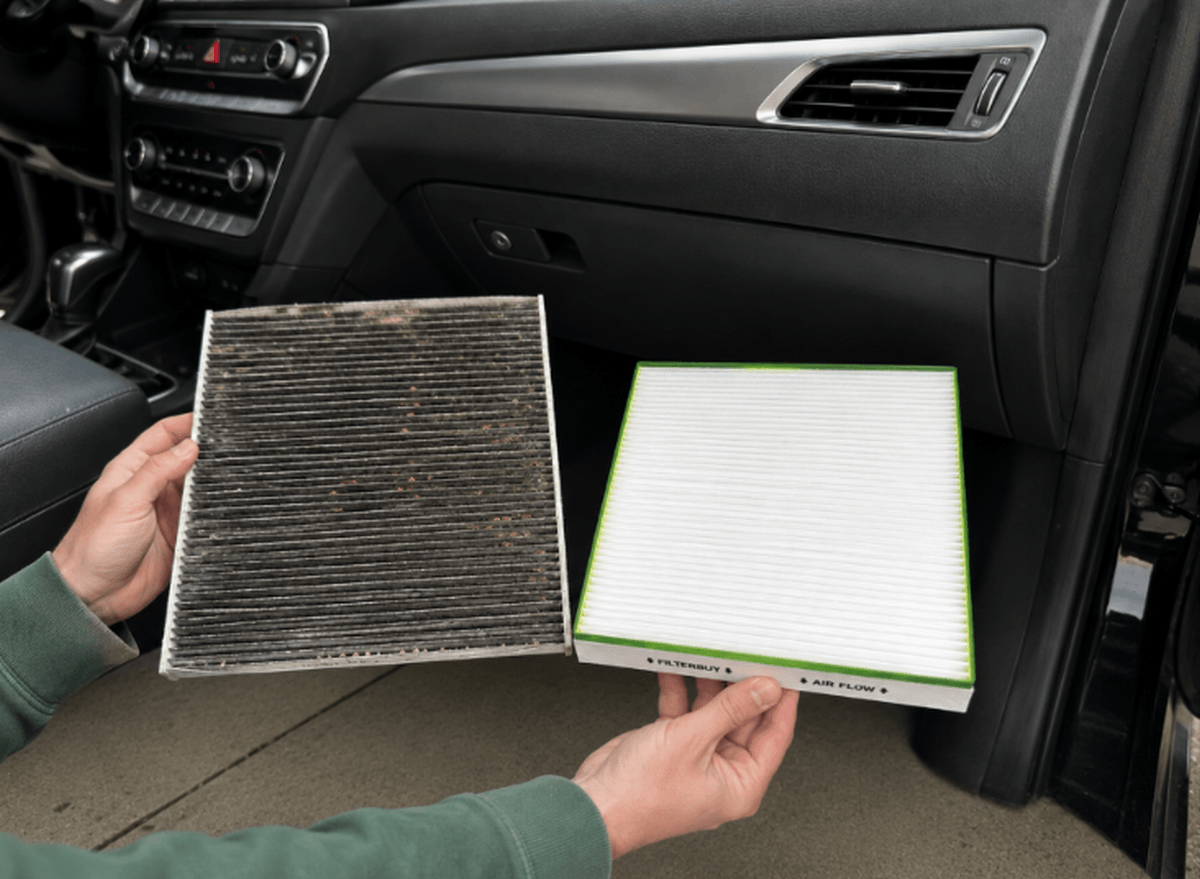
Checking and replacing a cabin air filter is usually a straightforward DIY task that most car owners can handle. The location varies by make and model, but it’s commonly found behind the glove box, under the dashboard, or under the hood near the windshield.
Locating The Filter
Consult your car’s owner’s manual for the exact location and specific instructions for your vehicle. Many manuals will have diagrams or step-by-step guides. Online videos specific to your car’s make and model are also readily available and can be incredibly helpful.
Checking The Filter
Once located, you’ll typically need to release a latch or remove a few screws to access the filter housing. Carefully slide the old filter out. Hold it up to a light source. If you can’t see light through it, or if it’s visibly coated in dirt, dust, and debris, it’s time for a replacement.
Replacing The Filter
Purchase a new cabin air filter that matches your car’s specifications. Note the direction of airflow indicated on the old filter (usually an arrow). Install the new filter in the same orientation. Ensure it sits snugly in its housing to prevent air from bypassing it. Reassemble the housing, and you’re done.
Cabin Air Filter Types And Their Lifespans
There are generally two main types of cabin air filters: standard particle filters and activated carbon filters.
| Filter Type | Description | Typical Lifespan (Miles) | Benefits |
|---|---|---|---|
| **Standard Particle** | Made of paper or synthetic material, traps dust, pollen, and other airborne particles. | 12,000 – 15,000 | Cost-effective, good basic filtration. |
| **Activated Carbon** | Similar to particle filters but includes a layer of activated carbon that absorbs odors and gases. | 10,000 – 15,000 | Superior filtration, removes odors, gases, and allergens, ideal for smokers or high-pollution areas. |
| Electrostatic | Uses an electrostatic charge to attract and trap smaller particles more effectively than standard filters

