

Swimming pools are fantastic for summer fun, but keeping them clean can feel like a full-time job. If you've ever stared at a murky pool and wondered, "How often should you clean an above ground pool?", you're not alone. The truth is, there's no single answer that fits everyone.
It depends on a mix of your swimming habits, what's happening around your pool, and the gear you're using.
Getting your cleaning schedule right means less time worrying about water quality and more time enjoying your backyard oasis. For instance, according to the Pool & Hot Tub Alliance, maintaining proper water chemistry, including a free chlorine level between 1 and 4 parts per million (ppm) and a pH between 7.2 and 7.8, is crucial for safe and clear water. Let's break down what you need to consider to find your pool's sweet spot.
Quick Answer
You should clean your above-ground pool daily by skimming. Perform a more thorough clean, including brushing and vacuuming, weekly. Test water chemistry weekly.
Filter maintenance is typically monthly. Adjust based on usage, debris, and weather.
The Key Factors That Shift Your Cleaning Schedule
Your above-ground pool's cleaning needs aren't static; they change based on several environmental and usage factors. Think of it as a dynamic system. Understanding these variables helps you adjust your routine proactively rather than reactively.
Usage: Who's Diving In and How Often?
The biggest factor in how often you need to clean is simply how much your pool is being used. Every swimmer introduces oils, lotions, sweat, and even tiny bits of debris into the water.

- Heavy Use (Daily Swimmers): If your pool is the go-to spot for family and friends most days, especially during hot weather, you'll need to be more diligent. Daily skimming and more frequent water testing might be necessary. Expect to vacuum at least weekly, possibly more.
- Moderate Use (Weekends & Occasional Swims): For pools used mainly on weekends or a few times a week, a routine of daily skimming and weekly brushing/vacuuming is usually sufficient.
- Light Use (Rarely Used): Even if you swim infrequently, daily skimming is still recommended to catch windblown debris. Weekly checks for water chemistry are still vital to prevent issues from taking hold.
Environment: Wind, Trees, and Weather's Role
What's happening around your pool can have a huge impact on water quality and the amount of debris you find. Mother Nature is a significant contributor to pool cleaning needs.
- Trees Nearby: If you have trees casting shade or dropping leaves, pollen, and twigs into your pool, you'll be skimming more often. Consider a pool cover when not in use to significantly cut down on this.
- Windy Areas: Frequent winds can blow in dust, sand, and other airborne particles, requiring more surface skimming.
- Rainy Seasons: Heavy rain can wash pollutants into the pool and dilute your chemical balance, often necessitating more frequent water testing and chemical adjustments, and possibly a shock treatment after a major storm.
- Dusty Climates: If you live in a dry, dusty area, airborne particles can settle in your pool, requiring more frequent vacuuming or brushing.
Pool Equipment: Your Filter's Workload
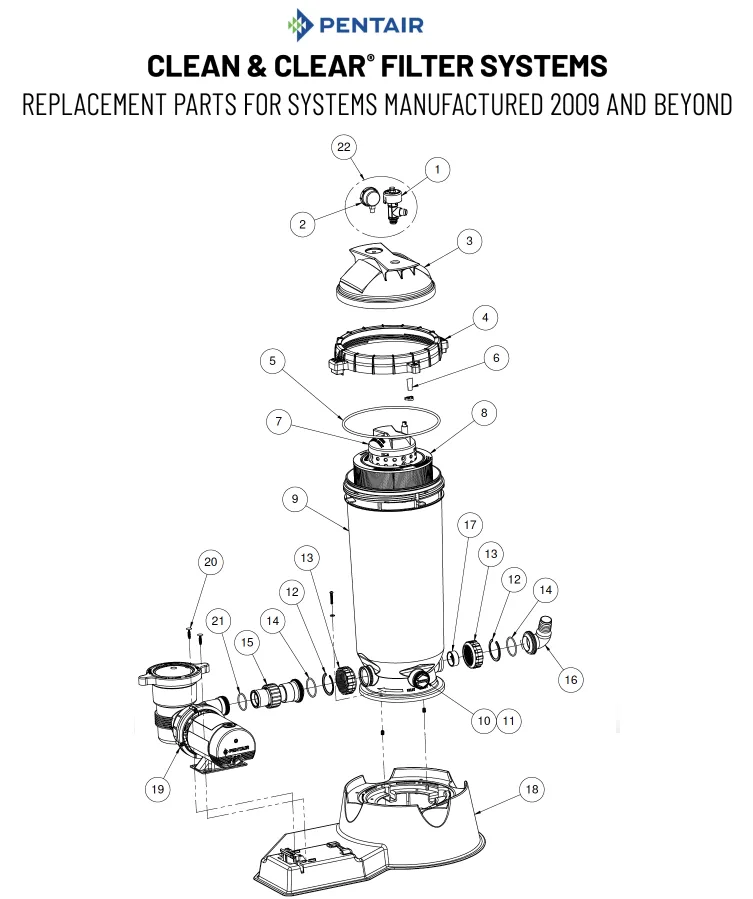
The heart of your pool's cleanliness is its filtration system. The type and condition of your filter directly influence how often you need to clean the pool itself. Manufacturer specifications for pool pumps and filters often recommend running the system for a minimum of 8-12 hours per day, depending on pool size and bather load, to effectively circulate and clean the water.
- Filter Size and Capacity: A filter that’s too small for your pool's volume will struggle to keep up, leading to murkier water and a need for more frequent manual cleaning.
- Filter Type: Different filter types (cartridge, sand, diatomaceous earth or DE) have different maintenance schedules. Cartridge filters often need cleaning every few weeks, while sand filters may require backwashing monthly.
- Filter Condition: An old or poorly maintained filter won't clean effectively, no matter how often you run it. This puts more strain on your cleaning efforts.
Your Pool Cleaning Workflow: Daily, Weekly, and Beyond
Establishing a consistent cleaning routine is the most effective way to keep your above-ground pool in top shape. It’s not just about aesthetics; it’s about water safety and preventing costly problems down the line. Think of it as a preventative maintenance plan.
Daily Patrol: Quick Skims and Checks
These are the quick tasks that take only a few minutes but make a significant difference over time. Doing them daily prevents small issues from becoming large ones.
- Skim the Surface: Grab your pool skimmer net and sweep across the water's surface. Remove any leaves, bugs, pollen, or other floating debris. This prevents them from sinking, decomposing, and clouding your water.
- Check Water Level: Ensure your water level is at the midpoint of your skimmer opening. Too low, and your pump might suck air. Too high, and your skimmer won't function effectively.
- Visual Inspection: Take a quick look. Do you see any unusual cloudiness, discoloration, or signs of algae starting to form on the walls? Catching these early makes them much easier to fix.
Weekly Deep Clean: Brushing, Vacuuming, and Testing
This is your main cleaning session where you tackle the less visible but equally important tasks. A thorough weekly clean sets you up for a clear pool throughout the week.
- Brush Walls and Floor: Use a pool brush to scrub the pool walls, steps, and floor. This dislodges any grime, algae spores, or dirt that the filter might have missed. Pay attention to corners and any areas where water flow is less direct.
- Vacuum the Bottom: If debris has settled on the pool floor, it’s time to vacuum. You can use a manual vacuum cleaner that attaches to your skimmer or an automatic pool cleaner. Glide it slowly across the bottom to collect sunken particles.
- Test Water Chemistry: This is non-negotiable for a healthy pool. Use a reliable test kit to check your free chlorine, pH, and total alkalinity levels. You might also want to check calcium hardness and cyanuric acid (stabilizer) monthly. Adjust chemicals as needed according to product instructions.
Monthly Maintenance: Filter Care and Shocking
Beyond the weekly routine, there are tasks that are typically done less often but are critical for the long-term health of your pool.
- Clean or Backwash Your Filter: The frequency depends on your filter type.
- Cartridge Filters: Typically need cleaning every 2-4 weeks. Remove the cartridge and rinse it thoroughly with a garden hose. For deeper cleaning, specialized cartridge cleaners are available.
- Sand Filters: Usually require backwashing when the pressure gauge reads 8-10 PSI above the clean starting pressure, or at least once a month. This process reverses the water flow to flush out debris from the sand.
- DE Filters: Need backwashing when the pressure gauge rises 8-10 PSI. After backwashing, you'll need to add new DE powder to the filter.
- Pool Shocking: Shocking your pool, which involves adding a large dose of sanitizer like chlorine, is usually done periodically. This is especially important after heavy use, prolonged hot weather, or if you notice signs of algae or cloudy water. It helps break down organic contaminants and re-establish a strong sanitizer level.
Common Pool Cleaning Mistakes That Cause Headaches
Even with the best intentions, some common oversights can turn a clean pool into a problem pool. Avoiding these pitfalls saves you time, money, and frustration.
Ignoring Water Chemistry
This is perhaps the most frequent and damaging mistake. Many people focus on visible debris, but invisible chemical imbalances are often the root cause of many pool problems.
- Low Chlorine: Leads to bacterial growth, algae blooms, and unsafe swimming conditions.
- Incorrect pH: Affects sanitizer effectiveness and can cause skin/eye irritation or equipment corrosion. A pH too high means your chlorine won't work properly.
- High Alkalinity: Makes pH difficult to control.
- Why it's a mistake: You can skim and brush all day, but if your water chemistry is off, you'll constantly battle algae, cloudy water, and potential damage to your pool liner and equipment. Consistent testing and adjustment, as recommended by pool maintenance professionals, is key.
Neglecting Filter Maintenance
Your pool filter is the workhorse that keeps your water clear. If it's clogged or not functioning properly, your entire cleaning effort is undermined.
- Clogged Filters: Reduce water flow, making your pump work harder and less effectively. This can lead to debris settling and poor circulation.
- Infrequent Backwashing/Cleaning: Allows trapped debris to recirculate or to bypass the filter medium, reducing its efficiency.
- Why it's a mistake: A dirty filter can't do its job, leading to a cascade of problems including cloudy water, increased chemical demand, and potential strain on your pump. Follow manufacturer guidelines for your specific filter type; for example, sand filters typically require backwashing when the pressure gauge shows an increase of 8-10 PSI above the clean operating pressure.
Letting Debris Pile Up
It might seem obvious, but consistently failing to remove visible debris from your pool is a major shortcut that leads to bigger issues.
- Leaves and Twigs: These aren't just unsightly; they consume chlorine as they decompose, contributing to algae growth and using up your sanitizer.
- Bugs and Pollen: Contribute to organic load in the water, which can also deplete chlorine and lead to cloudy conditions.
- Why it's a mistake: Debris sinks to the bottom, where it can stain liners, clog skimmers, and provide a breeding ground for bacteria and algae. Daily skimming is a small effort that prevents significant problems, as it removes contaminants before they can break down and impact water chemistry.
Why Consistent Cleaning Matters for Your Pool
Keeping your above-ground pool clean isn't just about appearances; it's fundamental to its longevity, safety, and your enjoyment. Ignoring routine cleaning can lead to a downward spiral of problems that are much harder to fix later.
Preventing Algae and Cloudy Water
Algae thrive in stagnant, nutrient-rich water. Consistent cleaning, especially brushing and proper chemical balance, removes the food sources for algae and keeps the water clear and inviting.
- Algae Blooms: These can turn your pool a murky green or even black, making it impossible to see the bottom and creating a slippery hazard.
- Cloudy Water: Often a sign of poor filtration, imbalanced chemicals, or microscopic debris. Regular cleaning ensures your filter and chemicals are working effectively.
- Impact: A well-maintained pool is a clear pool. This prevents the need for costly chemical treatments to fix major outbreaks and ensures your pool is always ready for a dip.
Protecting Your Equipment
Your pool's pump and filter are vital investments. Inconsistent cleaning places an unnecessary burden on them, shortening their lifespan and leading to costly replacements.
- Pump Strain: A clogged skimmer basket or filter forces your pump to work harder to circulate water, potentially leading to overheating or motor damage.
- Corrosion: Imbalanced water chemistry, often a result of poor cleaning, can corrode metal parts in your pump and heater.
- Longevity: Regular maintenance, including cleaning skimmer baskets and filters according to manufacturer specifications (e.g., cleaning cartridge filters every 2-4 weeks), ensures your equipment runs efficiently and lasts longer.
Ensuring a Safe and Inviting Swim
Ultimately, the goal of pool cleaning is to create a safe and enjoyable environment for swimming. Unclean water can pose health risks and make swimming unpleasant.
- Health Risks: Imbalanced water and high bacteria counts can cause skin infections, eye irritations, and gastrointestinal issues.
- Comfort: Clear, well-balanced water feels better on the skin and eyes, making swimming a more pleasant experience.
- Investment Protection: A clean, well-maintained pool is more aesthetically pleasing and can even increase your property's appeal. It shows you value your investment.
Your Action Plan: Keeping Your Pool Crystal Clear
Now that we've talked about why cleaning frequency matters and the common pitfalls, let's lay out a clear, actionable plan. This isn't about rigid rules, but a flexible framework you can adapt to your specific pool and lifestyle.
- Daily:
- Skim the surface for leaves, bugs, and debris.
- Check the water level and adjust if needed.
- Do a quick visual check for clarity and color.
- Weekly:
- Brush the pool walls and floor thoroughly.
- Vacuum the pool bottom to remove settled debris.
- Empty the skimmer basket and pump basket.
- Test and adjust your water chemistry (pH, chlorine, alkalinity).
- Monthly (or as per manufacturer instructions):
- Clean or backwash your pool filter.
- Inspect your pool equipment for any signs of wear or leaks.
- Consider shocking the pool if usage has been high or if you notice signs of water quality issues.
Pro Tip: Keep a logbook or a simple note on your phone to track your cleaning schedule, chemical readings, and any adjustments you make. This helps you spot patterns and refine your routine over time. For example, if you notice your chlorine levels drop faster after a windy day, you'll know to test more frequently.
Frequently Asked Questions About Pool Cleaning
How long does pool setup take?
Setup time for an above-ground pool can vary greatly depending on the type and size. Simple soft-sided pools might take as little as 30 minutes to an hour to set up and fill. More complex models with rigid frames can take anywhere from a few hours to a full weekend, often requiring two or more people.
What is the best time of day to clean a pool?
The best time to clean your pool is generally in the morning or late afternoon. Cleaning in the morning allows any debris or chemicals to dissipate before the heat of the day and peak swimming times. Cleaning in the late afternoon ensures your pool is ready for the next day.
Avoid cleaning during the hottest part of the day, as chemicals can evaporate more quickly.
How often should I add chemicals to my pool?
You should test your pool's water chemistry (pH, chlorine, alkalinity) at least weekly and add chemicals as needed to maintain proper levels. Free chlorine levels should ideally be between 1 and 4 parts per million (ppm), and pH between 7.2 and 7.8. Add chemicals in smaller doses and re-test, rather than adding large amounts at once.
Can I clean my pool without chemicals?
While some natural pool methods exist, most conventional above-ground pools rely on chemicals like chlorine or bromine for sanitization. Completely chemical-free swimming typically requires specialized systems like salt chlorinators (which still produce chlorine) or entirely different pool designs, and even then, some balance chemicals are usually needed. For standard above-ground pools, regular chemical testing and balancing are essential for safe swimming.
How much does it cost to maintain an above-ground pool?
The cost of maintaining an above-ground pool varies widely based on usage, climate, and the chemicals and equipment you choose. On average, you might spend between $300 to $800 annually for chemicals, testing kits, and replacement filter cartridges. This doesn't include initial setup costs for filters, pumps, or accessories like vacuums and covers.

