

Keeping your home clean is more than just making it look nice. It also affects your health, comfort, and even the life of your floors and furniture. One of the most common questions people ask is: How often should I vacuum my home? The answer depends on your lifestyle, the type of home you have, and who lives with you. This article will help you understand the right vacuuming schedule for different spaces, what factors change how often you should vacuum, and tips for making the job easier. You’ll also find practical tables, examples, and clear answers to the most common questions.
Why Vacuuming Frequency Matters
Vacuuming removes dust, dirt, hair, allergens, and tiny debris that can build up quickly. If left too long, these particles can cause allergies, make your home smell bad, and even damage your floors over time. For example, dirt and sand act like sandpaper on carpet fibers, wearing them out. On hard floors, dust can scratch the surface and make cleaning harder later.
A study from the American Lung Association found that regular vacuuming can reduce allergens in the home by up to 60%. This is especially important for people with asthma, allergies, or pets. However, vacuuming too rarely means dust and mites have time to settle, making each cleaning less effective and sometimes leading to health problems.
General Guidelines For Vacuuming
There isn’t one magic number for everyone, but most cleaning experts recommend these general rules:
- High-traffic areas: 2-4 times per week
- Bedrooms and living rooms: Once a week
- Low-traffic rooms: Every 1-2 weeks
But these are just starting points. Your home might need more or less vacuuming based on a few key factors.
Factors That Affect How Often You Should Vacuum
Pets
Homes with pets need more frequent vacuuming. Pet hair, dander, and even litter can spread quickly, especially on carpets and upholstery. If you have dogs or cats that shed, vacuuming daily or every other day in main areas is often necessary.
Allergies And Health Concerns
If someone in your home has allergies or asthma, you should vacuum more often. Pollen, dust mites, and pet dander can trigger symptoms. Using a vacuum with a HEPA filter and cleaning high-traffic spaces 3-4 times per week can make a big difference.
Flooring Type
Your type of flooring changes the cleaning schedule. Carpets hold onto dirt and allergens more than hard floors like tile, wood, or laminate. Carpets in busy areas might need vacuuming every other day, while hard floors can often go a few days longer.
Family Size And Lifestyle
A home with kids, frequent guests, or lots of activity will get dirtier faster. More people means more foot traffic, spilled snacks, and tracked-in dirt. Larger families or social households should vacuum main areas more frequently—sometimes daily in entryways or kitchens.
Location And Climate
If you live in a dusty or sandy area, or if you often leave windows open, dirt will build up faster. Rural homes or those near construction sites should increase vacuuming frequency to keep fine dust under control.
Room-by-room Vacuuming Schedule
Not every part of your home needs the same care. Here’s a breakdown to help you set a schedule that fits each space.
| Room/Area | Suggested Frequency | Special Notes |
|---|---|---|
| Living room | 2-3 times/week | Focus on under sofas & chairs |
| Bedrooms | 1-2 times/week | Increase if allergies or pets |
| Hallways & Entryways | 3-4 times/week | High foot traffic zones |
| Kitchen | 2-3 times/week | Crumbs collect quickly |
| Bathrooms | Once/week | Watch for hair and dust |
| Low-use rooms (guest room, office) | Every 2 weeks | Can go longer if rarely used |
| Stairs | 1-2 times/week | Often overlooked, but trap dirt |
Special Circumstances That Change The Schedule
After Illness
If someone in your home has been sick, vacuum more often. Germs and viruses can settle on soft surfaces. Vacuuming, along with disinfecting hard surfaces, helps stop the spread.
Seasonal Changes
During spring and fall, pollen and other allergens rise. In winter, people spend more time indoors, which means more dust and debris. Adjust your vacuuming schedule during these times.
Renovations Or Construction
If you’ve had work done in your home or live near construction, dust levels will be much higher. Vacuum daily until the dust settles.
Different Types Of Vacuums And Their Impact
The type of vacuum you use also affects how well and how often you should clean. Not all vacuums are equal. Here’s a quick comparison:
| Type | Best For | Pros | Cons |
|---|---|---|---|
| Upright | Carpeted homes | Strong suction, wide cleaning path | Heavy, bulky |
| Canister | Mixed floors, stairs | Versatile, easy to maneuver | Hose can be awkward |
| Stick | Small homes, quick cleaning | Lightweight, easy to store | Less power, small bin |
| Robot | Daily maintenance | Automatic, saves time | Misses corners, needs supervision |
| Handheld | Furniture, cars, spot cleaning | Portable, great for quick jobs | Not for large areas |
A robot vacuum can help you keep up with daily dirt, but it won’t replace a deep clean every week or two. For homes with allergies, a vacuum with a HEPA filter is best because it traps tiny particles that standard vacuums may blow back into the air.
How To Tell If You Need To Vacuum More Often
Sometimes, your home tells you what it needs. Here are some signs you should vacuum more:
- You see dust or crumbs soon after cleaning.
- Allergies or asthma symptoms get worse indoors.
- Your carpet looks dull or flat.
- There is a smell in rooms even after airing out.
- Pet hair is visible on floors or furniture.
If you notice these signs, try increasing your vacuuming for a few weeks and see if things improve.
Tips For More Effective Vacuuming
Vacuuming often is important, but doing it right matters just as much. Here are practical tips to make your cleaning more effective:
- Vacuum slowly. Moving the vacuum too fast can leave dirt behind. Go slowly, especially on carpets.
- Use the right attachments. Use the crevice tool for baseboards, and the brush tool for furniture.
- Empty the bin or bag regularly. A full bag lowers suction and leaves dirt behind.
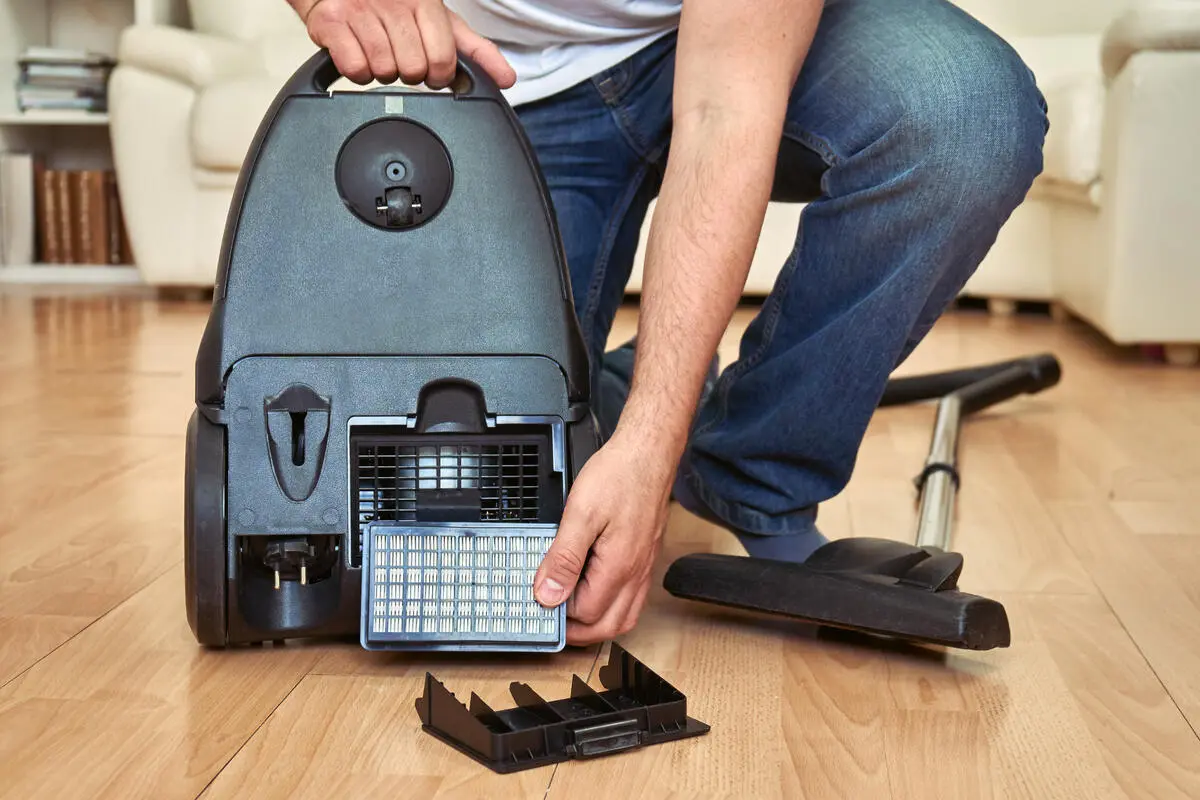
- Change filters as recommended. Clean or replace HEPA or other filters every few months.
- Overlap your strokes. Move the vacuum in a grid pattern, overlapping each row for better coverage.
- Don’t forget under furniture. Dust and dirt collect under sofas, beds, and tables.
- Check for clogs. If suction drops, check hoses and rollers for blockages.
A little maintenance goes a long way. A well-kept vacuum lasts longer and works better.
What Happens If You Vacuum Too Little?
Vacuuming less often than needed can cause several problems:
- Allergies get worse. Dust, pet dander, and pollen stay in the air.
- Carpets wear out faster. Dirt cuts fibers, making them look old.
- Bad smells linger. Odors from food, pets, or smoke soak into soft surfaces.
- Pest risk rises. Dust mites and even carpet beetles thrive in dirty carpets.
Skipping vacuuming might save time now but creates bigger problems later.
Is It Possible To Vacuum Too Often?
Some people worry about vacuuming too much. For most modern carpets and hard floors, frequent vacuuming does not cause damage—if you use the right settings. However, using a vacuum with a very stiff brush on delicate carpets can cause wear over time.
If you notice fraying or fuzz, check your vacuum settings or brush type.
For hard floors, make sure your vacuum is safe for wood or tile and won’t scratch the finish. Most stick or canister vacuums are gentle enough for daily use.
Making Vacuuming Easier
Vacuuming doesn’t have to be a chore. Here are simple ways to make it part of your routine:
- Set a schedule. Add vacuuming to your calendar so it becomes a habit.
- Divide tasks. Assign rooms to different family members.
- Tidy before vacuuming. Pick up toys, clothes, or small items so you can clean faster.
- Use a robot vacuum. Let it handle daily dirt, then deep clean weekly.
- Store your vacuum nearby. If it’s easy to grab, you’ll use it more often.
Small changes in your routine can help you keep your home cleaner with less effort.
Data: How Often Do Americans Vacuum?
Curious about what others do? A survey by the American Cleaning Institute found the average American vacuums once a week, but pet owners vacuum about three times per week. People with allergies clean even more often.
Here’s a quick look at the average frequencies:
| Household Type | Average Vacuuming Frequency |
|---|---|
| Single, no pets | Once a week |
| Couple, no pets | 1-2 times/week |
| Family with kids | 2-3 times/week |
| Pet owners | 3-4 times/week |
| Allergy sufferers | 3-4 times/week |
Frequently Asked Questions
How Often Should I Vacuum If I Have Pets?
If you have pets, especially those that shed, aim to vacuum main areas every day or every other day. Pet hair and dander build up quickly, and frequent vacuuming helps control odors and allergens.
Is Vacuuming Once A Week Enough?
For small homes with low traffic and no pets or allergies, once a week can be enough for most rooms. However, main walkways, entryways, and kitchens may need more frequent cleaning.
Can Vacuuming Too Much Damage My Carpet Or Floor?
Vacuuming often will not hurt most carpets or floors if you use the right vacuum and settings. Avoid using a beater bar on delicate carpets and make sure your vacuum is safe for hard floors to prevent scratches.
Should I Vacuum Even If My Home Looks Clean?
Yes. Dust and allergens are often invisible. Vacuuming regularly keeps your home healthier, even if you don’t see dirt. Waiting until dirt is visible means you’re already behind.
What’s The Best Vacuum For Allergies?
A vacuum with a HEPA filter is best for allergies. HEPA filters trap tiny dust, dander, and pollen particles, keeping them out of the air. Upright and canister vacuums with sealed systems are good choices.
Vacuuming is a simple habit that brings real benefits—cleaner air, longer-lasting floors, and a more comfortable home. By understanding your home’s needs and following a smart schedule, you’ll spend less time cleaning and more time enjoying your space. For more information on vacuuming and allergy control, visit the American Lung Association.
If you start using these practical tips and routines, you’ll notice the difference: fresher air, cleaner floors, and a healthier home for everyone.

