

Keeping your Shark Vertex vacuum running like new depends a lot on how clean its filters are. But how often should you actually clean them? Many people guess, clean too rarely, or over-clean and damage the filters. As someone who’s worked with different vacuum brands and models, I know filter care often feels confusing—especially with newer, high-performance machines like the Shark Vertex.
Let’s break down the best cleaning frequency, practical steps, and insider tips so your vacuum always performs its best and lasts longer.
Why Filter Cleaning Matters For Shark Vertex Vacuums
Vacuum filters aren’t just a small part of the machine. The filters catch dust, allergens, and debris so they don’t get blown back into your home. In the Shark Vertex, these filters are designed to trap fine particles that standard vacuums might miss. When filters clog up:
- Suction power drops
- The motor works harder, risking overheating
- Unpleasant odors can form
- Allergens and dust can escape back into your rooms
A dirty filter is the number one reason why even expensive vacuums lose their power. Regular cleaning is essential for both performance and indoor air quality.
Types Of Filters In The Shark Vertex
The Shark Vertex usually comes with several key filters:
- Pre-motor foam filter: Catches dust and hair before reaching the motor.
- Felt filter: Grabs finer particles missed by the foam filter.
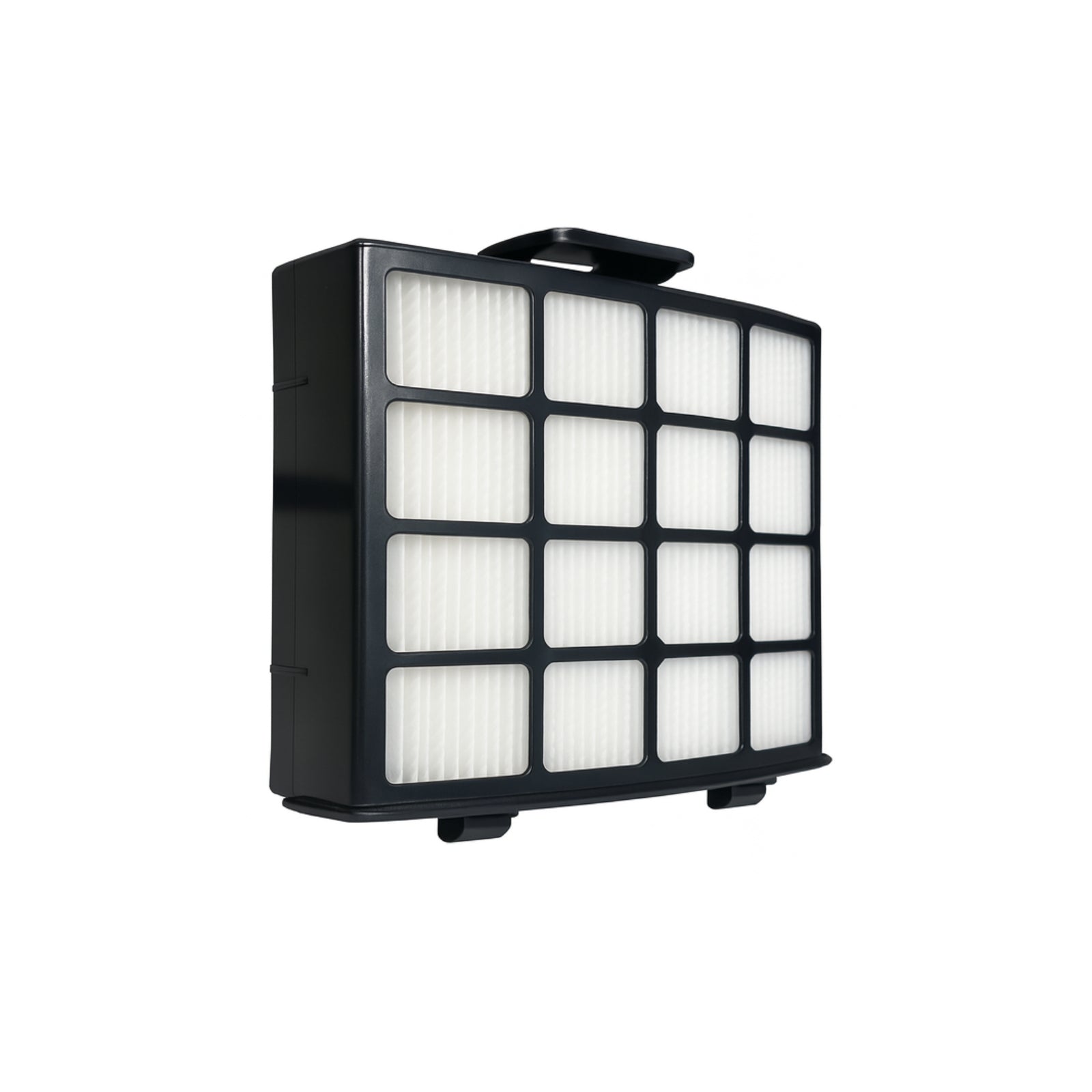
- HEPA filter: Captures up to 99.97% of tiny particles, including allergens.
Your model might have slight differences, but these three are standard for most Vertex vacuums. Each filter type needs a different cleaning frequency and method.
Here’s a summary to visualize the key filters and their roles:
| Filter Type | Location | Main Function |
|---|---|---|
| Foam Filter | Pre-motor | Traps large dust and hair |
| Felt Filter | Pre-motor | Catches fine dust |
| HEPA Filter | Post-motor | Captures allergens and tiny particles |

How Often Should You Clean Shark Vertex Filters?
Let’s get straight to the answer. Shark’s official recommendation is:
- Foam and felt filters: Clean every 1–3 months
- HEPA filter: Clean every 6–12 months
But there’s more to the story. These are average numbers, and real-life usage can change them. Think about:
- Homes with pets: Clean filters more often (every month for foam/felt, every 6 months for HEPA)
- High allergy households: More frequent cleaning keeps air quality high
- Heavy vacuum use: Clean more often if you vacuum several times a week
For most users, this table can help you set a realistic schedule:
| Household Type | Foam/Felt Filter | HEPA Filter |
|---|---|---|
| Standard (no pets/allergies) | Every 2-3 months | Every 12 months |
| With pets | Every 1 month | Every 6-12 months |
| Allergy sufferers | Every 1 month | Every 6 months |
| Frequent vacuuming (4+ times/week) | Every 1 month | Every 6 months |
Pro tip: If you notice reduced suction or a musty smell before the schedule, clean the filters immediately.
Signs Your Shark Vertex Filter Needs Cleaning
Don’t just rely on a calendar. Your vacuum will often give you clues that filters need attention:
- Suction loss: If your Vertex isn’t picking up as well, check the filters.
- Strange noises: A whiny or strained motor sound can mean airflow is blocked.
- Bad smells: Clogged filters start to smell dusty or musty.
- Visible dirt on filters: If filters look gray or coated, it’s time to clean.
If you see these signs, don’t wait—clean the filters right away to prevent damage.
Step-by-step: How To Clean Shark Vertex Filters
Cleaning Shark Vertex filters is straightforward, but it’s important to do it right. Here’s how to clean each type safely:
Foam And Felt Filters
- Turn off and unplug your vacuum.
- Find the filter compartment, usually behind the dust cup.
- Remove the foam and felt filters gently.
- Tap off any loose dust into a trash can.
- Rinse each filter under cool running water. Never use soap—just water.
- Squeeze out water gently. Don’t twist or wring.
- Let them air dry for at least 24 hours. Filters must be completely dry before putting them back.
- Reinstall the filters and snap the dust cup back in place.
Hepa Filter
- Unplug the vacuum and locate the HEPA filter (often at the base or rear).
- Remove the filter carefully.
- Tap off loose dust.
- Rinse under cool water (no soap).
- Let air dry fully for 24 hours, upright.
- Once dry, put the filter back in.
Never use a hair dryer, oven, or direct sunlight to speed drying—this can damage the filter.
Common Mistakes To Avoid
Even experienced users make simple errors when cleaning filters. Here are some to avoid:
- Washing before every use: Over-cleaning can wear out foam and felt filters faster.
- Putting filters back damp: This can cause mold or damage the vacuum motor.
- Using soap or harsh cleaners: Only water is safe for Shark Vertex filters.
- Forgetting to reinstall all filters: Missing filters reduce efficiency and can void warranties.
A surprising mistake is cleaning only the foam and ignoring the felt filter—they both need attention.

How Filter Maintenance Extends Vacuum Life
Regular filter cleaning does more than keep your vacuum strong today. It also:
- Protects the motor: Clean filters reduce motor strain and overheating.
- Keeps warranties valid: Shark may deny warranty claims if you don’t follow filter care instructions.
- Reduces repair costs: Many expensive repairs are due to neglected filters.
- Improves air quality: Clean filters trap allergens better, which is crucial for asthma or allergy sufferers.
A well-maintained filter can add years to your Shark Vertex’s life. In my experience, vacuums with consistent filter care rarely need major repairs.
How To Remember Filter Cleaning
People often forget filter care because it’s out of sight. Here’s how to remember:
- Set a calendar reminder every 1–3 months for foam/felt, every 6–12 months for HEPA.
- Write the last cleaned date on a small sticker on the vacuum or a note on your phone.
- Check filters when emptying the dust cup—if they look dirty, clean them.
Some users buy a second set of filters. This way, you can swap in clean ones while the others dry, so you never have to wait a day to vacuum.
When To Replace Shark Vertex Filters
Cleaning is important, but all filters wear out. Shark recommends:
- Foam and felt filters: Replace every 12–18 months
- HEPA filter: Replace every 2–3 years
If a filter stays gray or misshapen after cleaning, or if you notice permanent odor or cracks, replace it sooner. Using old, worn filters reduces suction and can damage your vacuum.
Here’s a quick comparison of cleaning vs replacement timelines:
| Filter Type | Cleaning Frequency | Replacement Interval |
|---|---|---|
| Foam/Felt | 1–3 months | 12–18 months |
| HEPA | 6–12 months | 2–3 years |
Buy genuine Shark filters when replacing—generic brands may not fit perfectly or filter as well.
Extra Tips For Cleaner Filters And Better Air
- Vacuum before dusting: This reduces how much dust settles on floors.
- Use the Vertex’s lift-away mode to reach under furniture, where dust collects fastest.
- Clean the dust cup after every use—don’t let dirt build up.
- If you have pets: Brush them regularly and vacuum their favorite spots often.
- Consider an air purifier for rooms with heavy dust or allergies.
Many users are surprised to learn that cleaning the vacuum’s brush roll and checking for clogs also helps keep filters cleaner for longer.
Is Professional Servicing Needed?
For most homes, regular DIY filter cleaning is enough. However, in large homes, businesses, or places with heavy dust (like after renovations), a professional cleaning every year can help. They’ll clean deep inside the vacuum and check for hidden issues.
Where To Find Filter Cleaning Instructions
Always check your Shark Vertex manual for your specific model. If you lost it, you can find official guides and videos on the Shark website or at Shark’s official support page.
Frequently Asked Questions
How Do I Know If My Shark Vertex Hepa Filter Is Working?
If you’re not noticing bad smells, the vacuum isn’t blowing out dust, and you still have strong suction, your HEPA filter is likely working well. If allergies worsen or you see dust in the air, check and clean the filter.
Can I Wash Shark Vertex Filters With Soap?
No, only use cool water. Soap can damage the filter’s material and affect how it traps particles.
What Happens If I Don’t Clean My Filters?
Dirty filters reduce suction, can cause the motor to overheat, and may lead to a shorter vacuum life. You’ll also get more dust and allergens blowing back into your home.
Is It Okay To Vacuum While Filters Are Still Drying?
Never use your Shark Vertex with damp filters. This can cause mold growth inside the vacuum and even damage the motor. Always wait until filters are fully dry.
Where Can I Buy Replacement Filters?
You can buy genuine Shark filters from the official Shark website, online retailers, or some local stores. Make sure to get filters that match your specific Shark Vertex model.
Keeping your Shark Vertex filters clean isn’t hard, but it pays off with strong suction, better air, and a longer-lasting vacuum. Take a few minutes every couple of months, and your vacuum will reward you with years of reliable service.

